Thinking about a neighborhood where you can walk to dinner, bike to work, and still have a quiet pocket to call home? If West Loop is on your shortlist, you're not alone. It's one of the most talked-about corners of Chicago, and for good reason: it manages to feel high-energy and livable at the same time. Before you tour a single unit, it helps to have a clear picture of what daily life actually feels like, how the housing stock varies block to block, and whether the trade-offs match your budget and commute. This guide walks through the vibe, the housing types, the transit picture, and the practical tips that separate a good showing from a smart decision. Let's dive in.
West Loop at a glance
- Best known for: one of Chicago's top dining scenes, loft conversions, and Fulton Market
- Commute to the Loop: often under 15 minutes by transit or bike
- Housing mix: converted lofts, luxury condos, new rentals, townhomes
- Pricing: above the city median, with premiums near Randolph and Fulton
- Car needed? Not for most residents — walkability and transit carry the day
The Vibe: Industrial Roots, Modern Energy
A generation ago, this was meatpacking docks, cold-storage warehouses, and factory floors. Over the last 15 to 20 years the West Loop has become one of Chicago's defining mixed-use success stories, where brick warehouses reborn as lofts sit shoulder to shoulder with glassy new towers. The result is a neighborhood with layers: the bones of its industrial past are still visible in the loading-dock doors and freight-elevator shafts, even as ground floors fill with chef-driven restaurants and design studios.
The rhythm of the area is easy to feel once you spend a morning here. Weekdays start early with commuters and coffee runs, the sidewalks near office clusters buzzing by 8 a.m. Evenings and weekends belong to the restaurants, when Randolph Street lights up and rooftops fill. It draws a lot of younger professionals, but the mix is broadening every year, with more couples and families choosing to stay put rather than trade urban convenience for the suburbs.
The takeaway: if you want a place that feels alive without feeling anonymous, the West Loop tends to win people over on the first visit.
The Lay of the Land: Three Distinct Zones
The neighborhood reads differently depending on which pocket you're standing in. It helps to think of it in three broad zones:
Zone | Character | Best for |
|---|---|---|
Fulton Market & Randolph corridor | Dining, nightlife, tech offices, classic loft conversions; heaviest foot traffic | Living in the middle of the action |
West & south residential pockets | Townhomes, low-rise condos, small parks; calmer and quieter | More space and a residential feel |
East edge (near downtown & the river) | Borders the Loop and Chicago River | Fast downtown access and Riverwalk strolls |
Boundaries vary depending on who's drawing the map, and a listing marketed as "West Loop" might sit closer to Greektown or the Near West Side than you'd expect. Use a reliable map when you tour, and confirm the specifics with city or neighborhood resources so you know exactly what you're buying into.
Housing Options, From Lofts to Townhomes
One of the reasons the West Loop appeals to such a wide range of buyers and renters is the variety packed into a relatively compact area. Here's how the main categories break down.
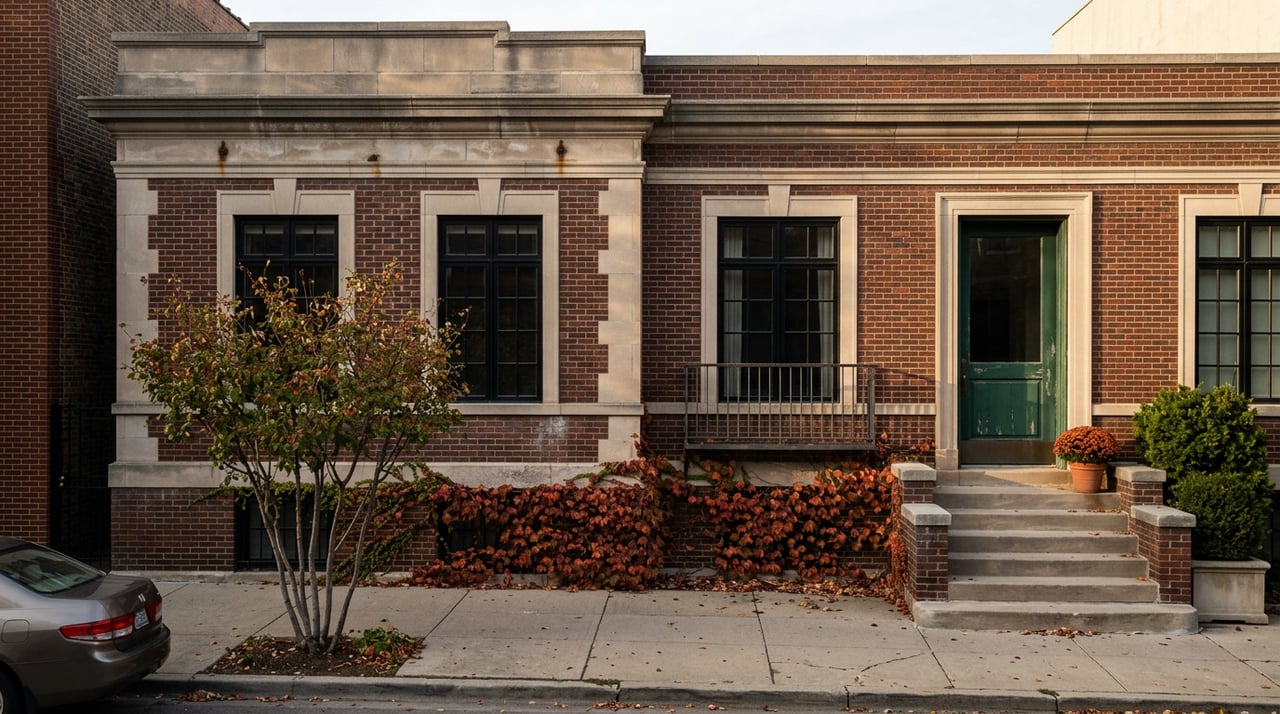
Converted lofts. Converted warehouses and factories are the West Loop's architectural signature, and for many people they're the whole reason to move here. Expect timber or concrete columns, soaring ceilings, exposed brick and ductwork, oversized factory windows, and floor plans that rarely follow the usual condo script. No two conversions are quite alike, which is part of the charm and part of the homework. Because these buildings started life as industrial spaces, quality varies widely, so look past the finishes.
Loft-tour checklist: elevator access and capacity, age and type of the HVAC system, how sound travels between units, window seals, and how well the building is managed. A beautifully staged loft can still hide deferred maintenance in the systems you don't see.
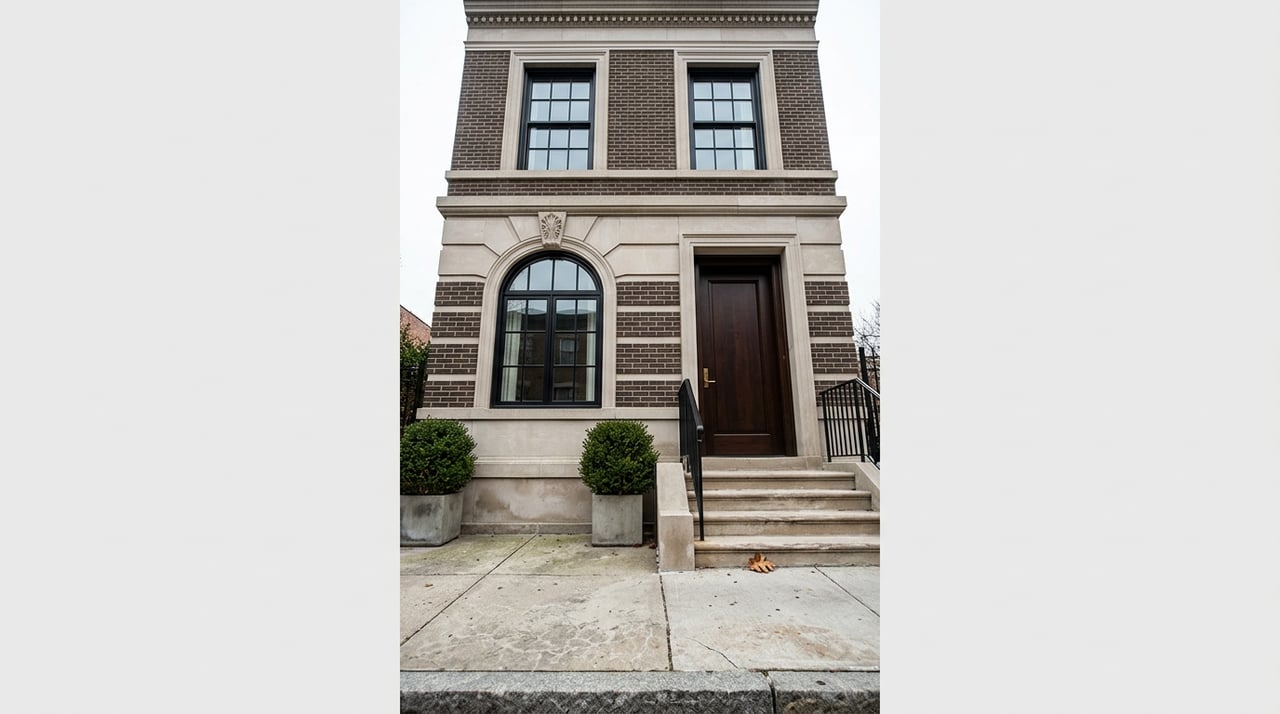
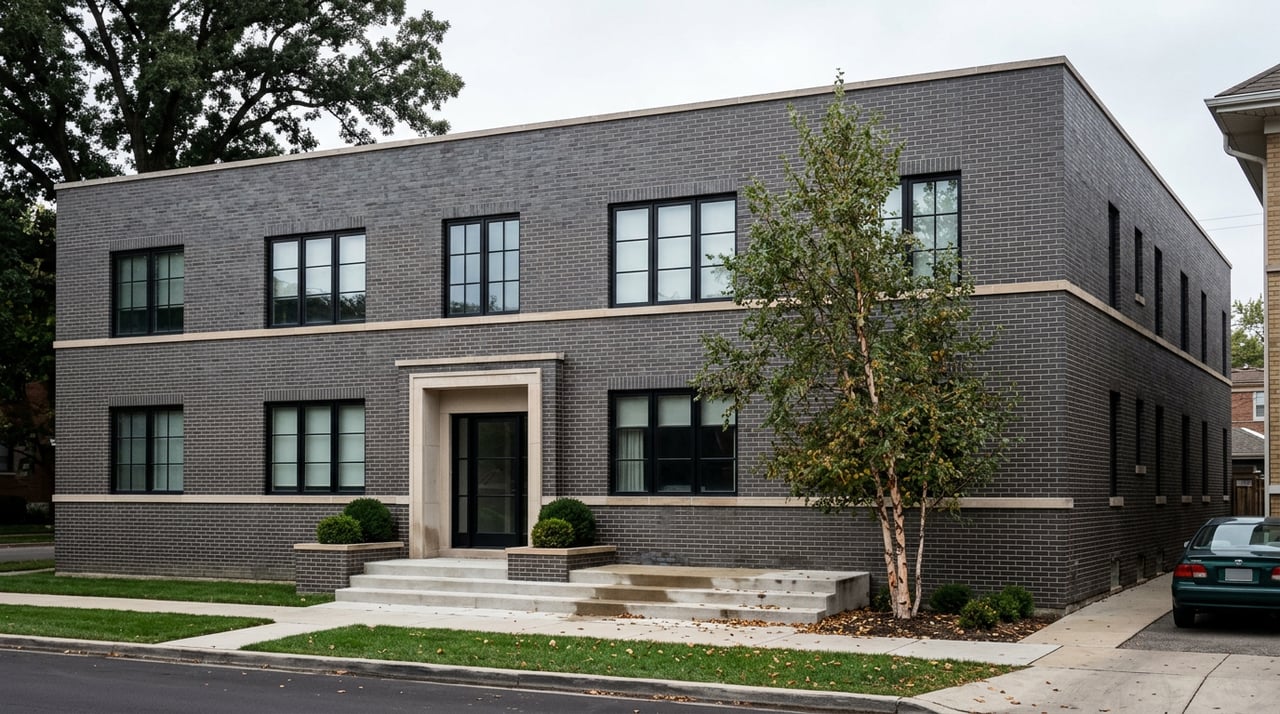
Luxury condos and new rentals. Newer buildings cluster along the major corridors and toward the east edge near downtown. These are the amenity-forward options: doorman or concierge service, fitness centers, roof decks with skyline views, package rooms built for the delivery era, and secure bike storage. If low-maintenance living is the priority, you'll find choices from entry-level studios to high-floor units with river views.
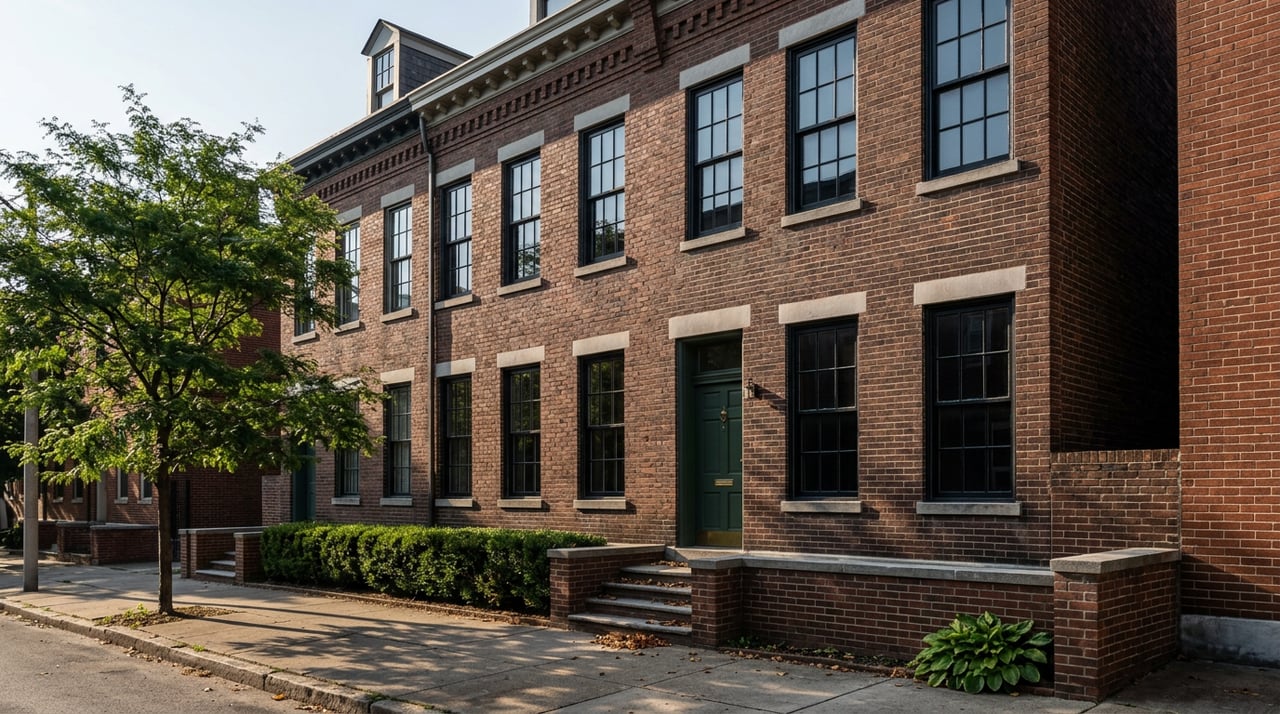
Townhomes and small homes. These are the scarcer end of the market, tucked into the quieter residential pockets. They suit buyers who want more square footage, a private entrance, or a bit of outdoor space while staying within walking distance of dining and transit. Because supply is tight, well-priced homes tend to move quickly.
Short-term and furnished units. Steady corporate travel and relocation demand support a healthy supply of short-term and furnished rentals, useful if you're testing the neighborhood before committing. If you plan to rent one out or host guests, read the building rules and local ordinances closely first, since restrictions vary and assumptions here can get expensive.
How Much Does It Cost to Live in the West Loop?
Expect the West Loop to run pricier than Chicago overall. You're paying for location, walkability, and amenities, and the market knows it. Competition is sharpest for the homes people most want:
- Authentic lofts with real industrial character
- Units with river or skyline views
- Condos within a short walk of Randolph and Fulton
Inventory in those segments can be thin, and well-priced listings sometimes see offers fast. The counterweight is new construction: as mid- and high-rise projects deliver, they periodically add supply and can ease pressure in certain slices of the market, especially newer rentals.
Timing tip: know what's in the development pipeline before you buy. Upcoming deliveries can shift pricing in the exact segment you're shopping.
Daily Life and Amenities
Dining and nightlife. This is where the West Loop genuinely stands apart — one of Chicago's top dining destinations, full stop. Within a short walk you'll find nationally recognized chef-driven restaurants, easygoing neighborhood spots, cocktail bars, and rooftops that stay busy into the evening. Your special-occasion dinner and your Tuesday-night noodles can both be a five-minute stroll away. The flip side is energy and crowds, especially on weekends.
Groceries and everyday errands. The practical stuff is well covered: multiple grocery options in and near the neighborhood, plus specialty markets, coffee shops, and convenience retailers. A public indoor market and a handful of food halls round things out with easy grab-and-go meals, so day-to-day life doesn't require a trip to the suburbs.
Parks, Riverwalk, and recreation. Green space is the honest trade-off of dense urban living. Large parks are limited within the tightest blocks, but pocket parks, plazas, dog-friendly areas, and playgrounds are scattered throughout. The Chicago Riverwalk and bigger downtown parks are a short walk east, and on-street bike lanes paired with bike-share make it realistic to build movement into your commute.
Schools and family resources. Families have a real mix to sort through: public, charter, and private schools all operate in and around the neighborhood. Most households research Chicago Public Schools boundaries, magnet and selective-enrollment programs, and private options grade by grade. Childcare and preschool spots can be competitive, so start early and confirm availability.
Health care and services. Proximity to central Chicago pays off. You'll have convenient access to major hospitals and clinics, plus neighborhood urgent care and specialty practices for everyday needs.
Safety and noise. The same nightlife that makes the neighborhood fun also brings foot traffic and later-night activity, and the experience varies noticeably by block. Streets near Randolph and Fulton hum into the evening, while residential pockets stay calmer. Don't rely on reputation alone — review current data for the exact streets you're considering, and walk them at different times of day, including after dark.
How Do You Get Around?
For a lot of residents, mobility is the neighborhood's quiet superpower. Daily errands, dining, and many commutes are genuinely walkable, and the bike lanes plus bike-share stations make cycling an everyday choice rather than a weekend hobby. Here's how the options compare:
Mode | What to expect |
|---|---|
Walking & biking | Most errands and dining within reach; on-street bike lanes and bike-share; scenic Riverwalk routes |
CTA & Metra | Many Loop commutes under 15 minutes; multiple bus routes and rapid transit; Ogilvie and Union Station for Metra to western suburbs; Amtrak at Union Station |
Driving & parking | Quick access to I-90/94 and I-290; rush-hour congestion common; parking limited and costly |
Rideshare & micromobility | Reliable rideshare coverage; scooter availability varies by season and city rules |
Reality check: many residents skip car ownership entirely and lean on transit, biking, and rideshare. If you do plan to keep a car, sort out where it will live before you sign anything.
Who Does the West Loop Fit?
The neighborhood isn't one-size-fits-all, but a few profiles tend to thrive here:
- Professionals who want short commutes to the Loop, Fulton Market, or commuter rail, plus a dining scene they can walk to.
- Renters and buyers who prize modern amenities and low-maintenance condo living over a yard and a driveway.
- Households with children who prefer urban convenience and are comfortable doing the homework on schools, parks, and programming.
- Investors who see long-term potential in rental demand and mixed-use growth, while watching risks like new supply and shifting office trends.
If you see yourself in more than one of these, that overlap is exactly why the West Loop has held its appeal through several market cycles.
A Day in the West Loop, Hour by Hour
The best way to understand a neighborhood is to picture a day in it:
- Weekday morning. Dogs get walked, coffee gets grabbed, and sidewalks near the office clusters fill by 8 a.m. Step a couple of blocks into the residential pockets and it flips to calm and efficient.
- Weeknight. Restaurants and rooftops fill up, and Randolph and Fulton take on a going-out buzz. The side streets hold onto their quiet, so where your unit sits relative to the action makes a real difference.
- Weekend afternoon. The neighborhood at its most social: patio dining, shopping, and steady foot traffic. Pocket parks and plazas get real use, especially when the sun's out.
Your Smart Touring Checklist
A little structure on tour day protects you from decisions driven by good staging and golden-hour light. Keep this list handy:
- [ ] Visit at different times to gauge noise, foot traffic, and parking
- [ ] Ask about garage spots, monthly parking rates, and permit rules
- [ ] Confirm amenities, package handling, pet policies, and bike storage in writing
- [ ] For lofts: check window seals, sound transfer, elevator capacity, and HVAC age
- [ ] Test your actual commute by walking, biking, or riding transit
- [ ] Note dog-friendly areas and nearby parks if you have pets
- [ ] Research school boundaries and program options early if you'll need them
- [ ] Review short-term rental rules in the building and the city if that's part of your plan
Development and What's Ahead
Fulton Market's rise anchored the story: major office tenants moved in and touched off a wave of nearby residential projects. Adaptive reuse of old industrial buildings remains common, and new mid- to high-rise construction keeps reshaping the skyline. Demand is driven by proximity to downtown, amenities, and a growing corporate presence.
A few variables are worth watching if you plan to buy or invest:
- Remote-work trends continue to shape demand for office space and the neighborhood's commercial character.
- New construction can move rents and pricing in specific segments as it delivers.
- Interest rates influence how much buying power comes to the table.
Track the project pipeline and compare today's inventory against what's scheduled to come online — the picture a year from now may look different from the one in front of you.
Ready to Explore Homes in West Loop?
If the West Loop's blend of convenience, dining, and design-forward living sounds right for you, let's map your next steps. Whether you're renting, buying, or selling, you'll get a clear plan, fast communication, and a concierge experience from a top-performing local team. Start your search or request guidance with Vesta Preferred Realty.
FAQs
Is the West Loop Walkable for a Car-Free Lifestyle?
Yes. Many errands and commutes are walkable, with strong transit and bike options; just know that parking can be limited and costly, which is part of why so many residents go car-free in the first place.
How Do West Loop Housing Costs Compare to Other Areas of Chicago?
Expect pricing above the city median, with the steepest premiums near Fulton Market and Randolph Street, and for authentic lofts and river-view units.
What Are the Main Transit Options to Downtown and Suburbs?
CTA buses and rapid transit connect you to the Loop, while Ogilvie Transportation Center and Union Station provide Metra service to many western suburbs, and Union Station also serves Amtrak.
What Is Nightlife Noise Like Near Randolph and Fulton?
It's busier on late evenings and weekends, so if you're sensitive to noise, visit those blocks at night before deciding, and consider homes on quieter side streets away from the main corridors.
Are There Schools and Childcare Options Nearby?
Yes. You'll find public, charter, and private options, plus childcare and preschools; availability and programs vary by grade and provider, so start researching early.
How Should I Evaluate Safety in the West Loop?
Review current incident data for the specific blocks you're considering, and visit at different times of day to assess lighting, activity, and your own comfort level.
Where Can I Verify Current Sale and Rent Prices?
Check current figures through local MLS reports and trusted portals, then compare options with your agent to understand recent trends before you commit.