By Grigory Pekarsky | Last updated July 30, 2026
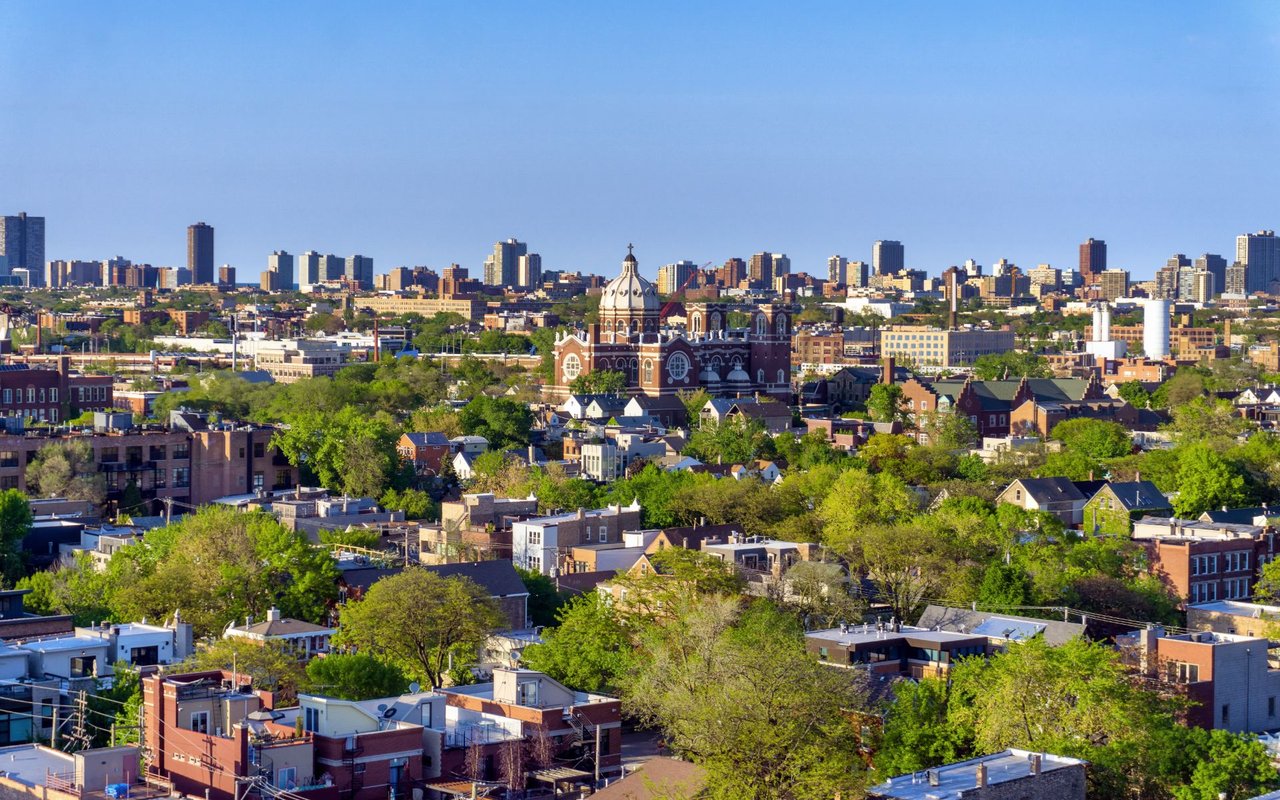
Chicago real estate offers one of the most dynamic and diverse housing markets in the United States, blending lakefront luxury condominiums, historic greystones, and family-friendly bungalow neighborhoods across 77 distinct community areas. Whether you're drawn to the high-rises of the Magnificent Mile or the tree-lined streets of Lincoln Park, the city rewards buyers at every price point — and Vesta Preferred's buyer network has been matching people to the right block since 2009.
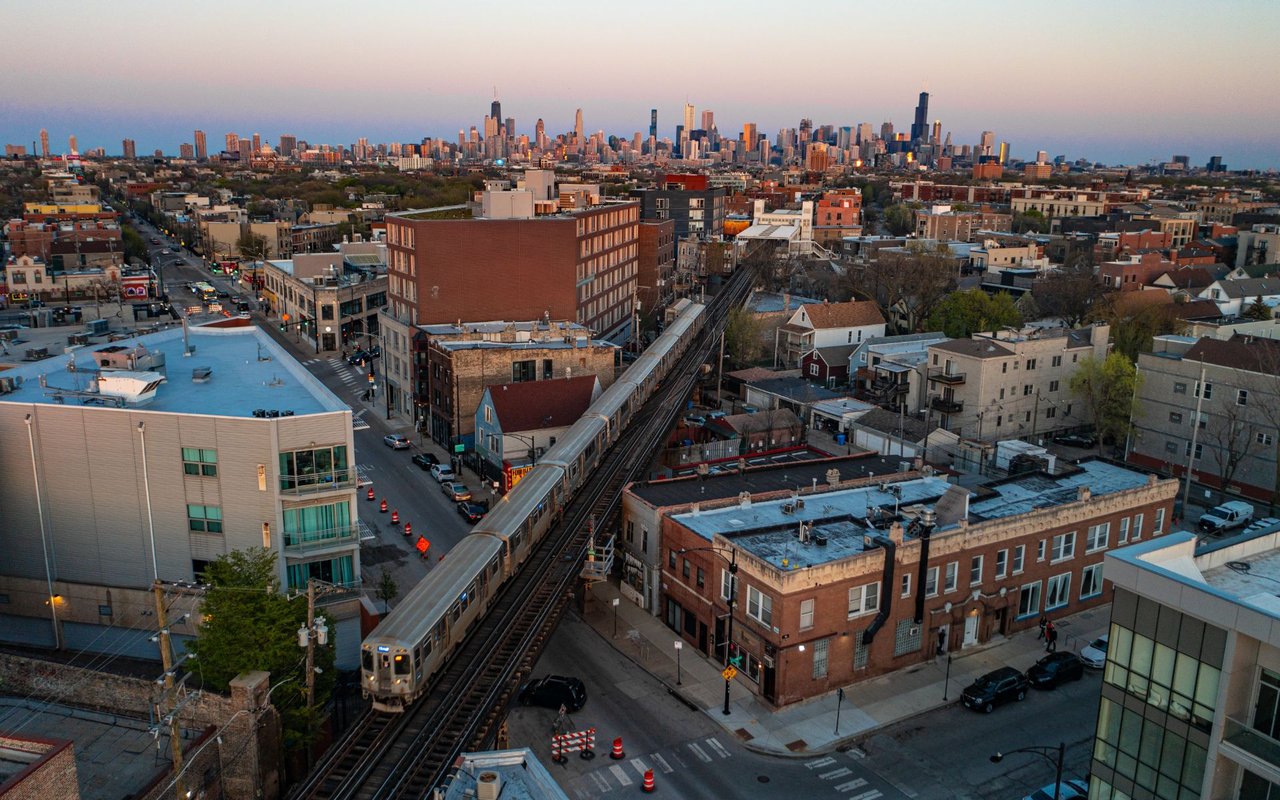
Situated along the southwestern shore of Lake Michigan, Chicago is a global center for finance, technology, culture, and education. The city's robust public transit system, anchored by the CTA 'L' train, connects neighborhoods seamlessly — making car-free living not just possible but popular. From Michelin-starred restaurants and legendary jazz clubs to miles of public lakefront parks, Chicago delivers an unmatched quality of urban life.
With median home prices well below comparable coastal metros and strong year-over-year appreciation, Chicago continues to attract both primary buyers and investors seeking value, culture, and long-term growth potential in a world-class city.
As of June 2026, the median sale price in Cook County reached $398,875, up 6.4% year over year — roughly three times the national appreciation rate over the same period. Homes are going under contract in about 47 days, and active inventory remains tight at just over 21,000 listings county-wide (source: Redfin, June 2026 market data). For buyers, that means well-priced homes in the most popular neighborhoods still move fast — but compared to coastal metros, Chicago remains one of the few major U.S. cities where a middle-income household can realistically own.
Questions about a specific neighborhood's numbers? Contact our team.
You can own here. Unlike New York or San Francisco, homeownership in Chicago is within reach for middle-income buyers. A two-flat in Irving Park, a bungalow in Portage Park, or a condo in Edgewater can all work on a working professional's salary.
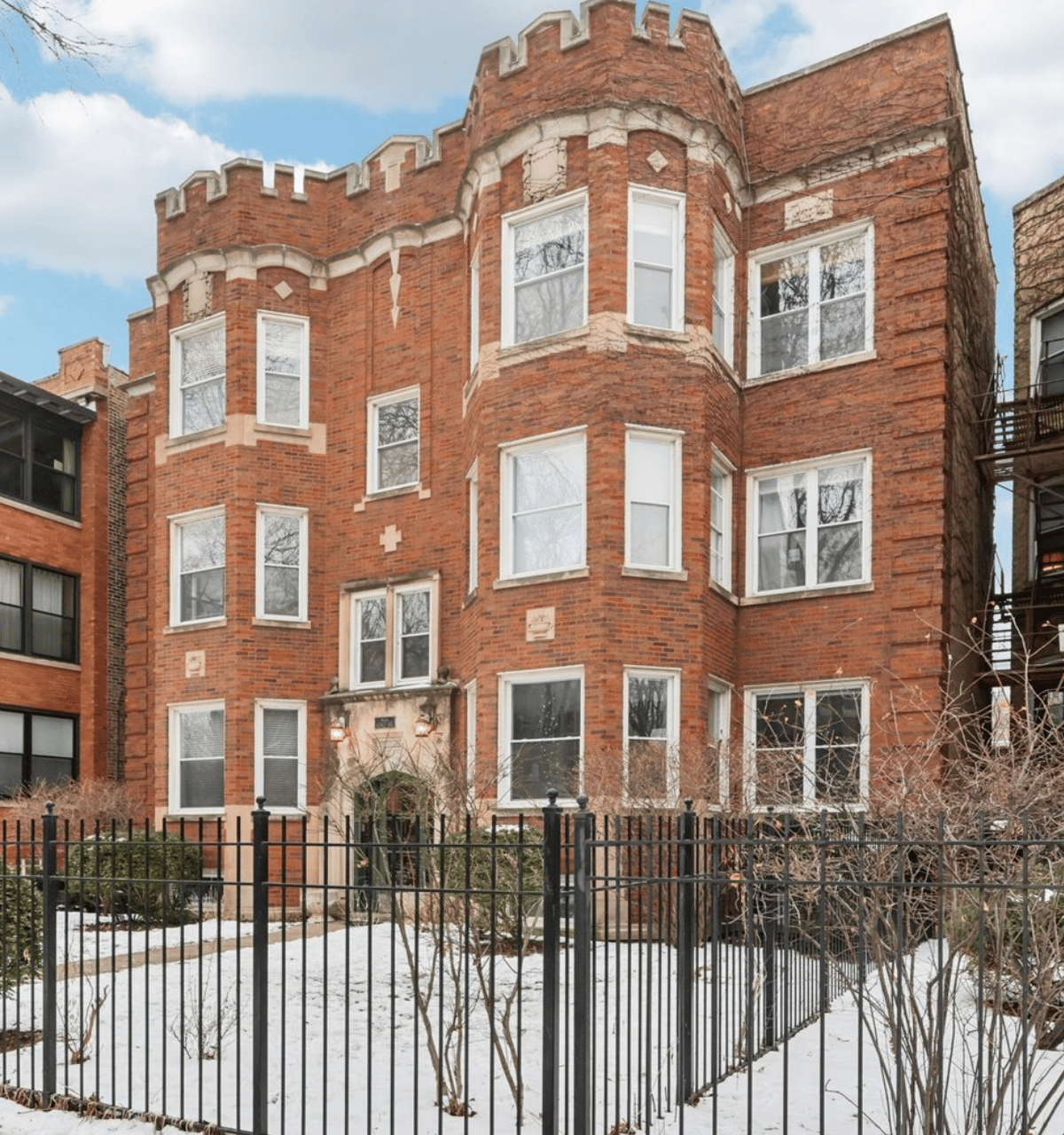
The building quality is exceptional. Post-fire construction in brick, limestone, and stone means Chicago's housing stock is among the most durable in the country. Homes built 100 years ago still have solid bones.
Multi-unit properties are everywhere. Two-flats and three-flats are a Chicago staple. Owner-occupants can live in one unit and rent the others, a house-hacking strategy that's been part of Chicago life for over a century.
Every era of American architecture is represented. Workers' cottages, Queen Anne Victorians, Prairie School homes, Art Deco towers, mid-century ranches, postmodern high-rises. It's all here.
Neighborhoods are fiercely local. Your block matters. Your parish matters. Your alderman matters. Chicago homeowners tend to put down roots and stay, which creates stable, tight-knit communities.
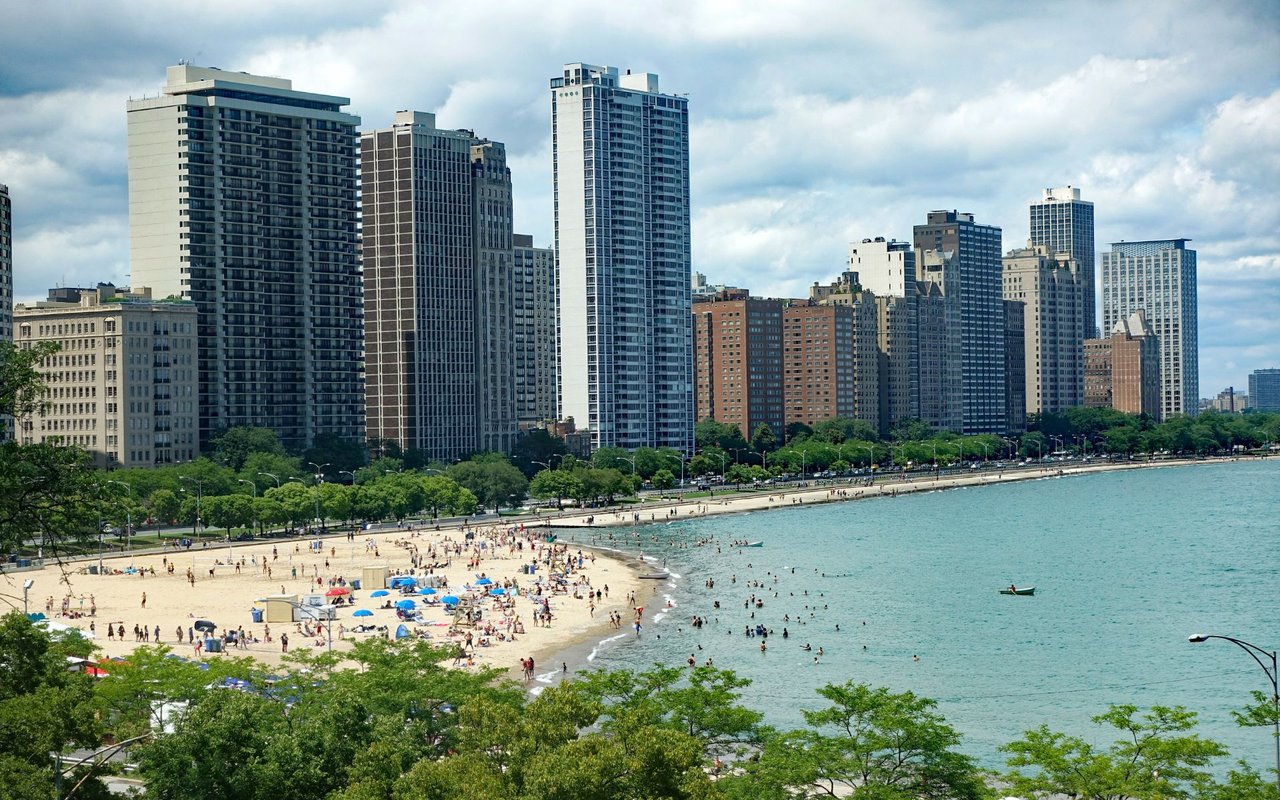
The lakefront belongs to everyone. Twenty-six miles of public shoreline means no private beaches, no gated waterfront. Every resident has equal access.
Chicago's residential architecture follows a pattern shaped by geography, immigration, and economics. Understanding that pattern helps buyers zero in on the right neighborhood faster than browsing listings.
Key Takeaway: In Chicago, the type of home you want will often determine which neighborhoods you should be looking in, not the other way around. Start with the building type, then find the community that fits.
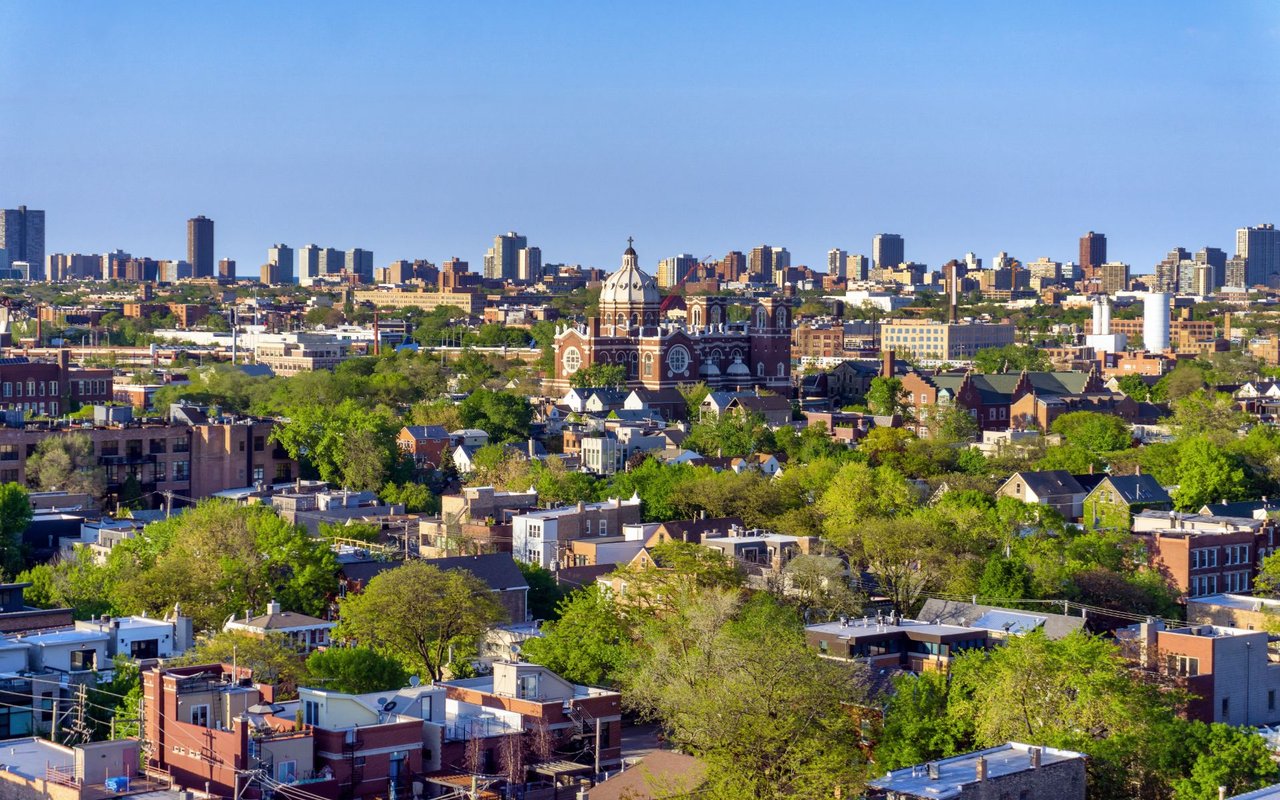
These are Chicago's oldest surviving homes. Narrow, one to one-and-a-half stories, typically wood-frame with a pitched roof and an offset front door. They were built quickly and cheaply for laborers after the Great Fire, and thousands still stand today. Many owners have added dormers or rear additions to create more space.
Where to find them: Bridgeport • Pilsen • Brighton Park • Back of the Yards • Ukrainian Village • West Town
Local Tip: A dormer addition on a workers' cottage is one of the most common renovations in Chicago. If the top floor has been opened up, it usually adds a full bedroom and bath. Look for permits to confirm the work was done properly.
The backbone of Chicago housing. These multi-unit buildings have nearly identical floor plans from building to building: a front room flowing into a dining room, bedrooms off a hallway, and a kitchen in the back. They're found citywide and remain popular with both owner-occupants and investors.
Where to find them: Logan Square • Avondale • Albany Park • Lakeview • Uptown • Rogers Park • Humboldt Park • Bronzeville
Local Tip: Two-flats and three-flats are one of Chicago's best-kept financial tools for first-time buyers. FHA loans allow owner-occupants to purchase multi-unit properties with as little as 3.5% down, and the rental income from the other unit(s) can be factored into your qualifying income.
Over 80,000 of these brick, single-family homes form a crescent-shaped "Bungalow Belt" ringing the city about four to seven miles from downtown. They share a recognizable profile: one-and-a-half stories, a low-pitched roof, a full basement, and Arts and Crafts interior details like built-in bookcases, leaded glass, and hardwood floors. The Chicago Bungalow Association helps current owners with grants and guidance on preservation and energy upgrades.
Where to find them: Portage Park • Jefferson Park • Albany Park • Belmont Cragin • Chatham • Auburn Gresham • South Chicago • Berwyn (just outside city limits)
Local Tip: Bungalows were built for narrow Chicago lots (25 feet wide, 125 feet deep). If you want a wider home or a bigger yard, look for corner lots, which are typically larger and allow for side windows that bring in much more natural light.
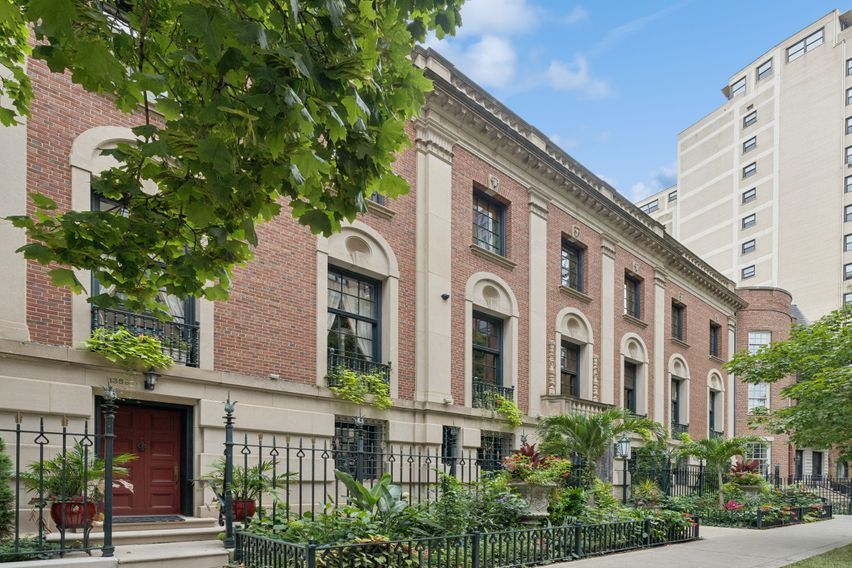
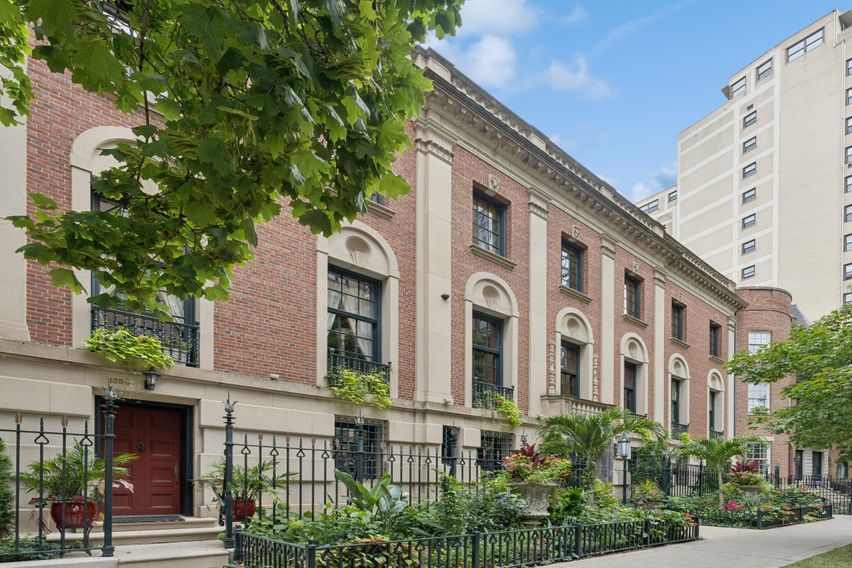
Chicago's answer to the New York brownstone. Built from Indiana limestone, greystones have ornamental facades (Romanesque arches, Neoclassical columns, bay windows) and can be either single-family homes or multi-unit buildings. They're among the most architecturally impressive residential properties in the city.
Where to find them: Logan Square (the boulevard system has exceptional examples) • Humboldt Park • South Shore • Bronzeville • Woodlawn • Rogers Park • Beverly
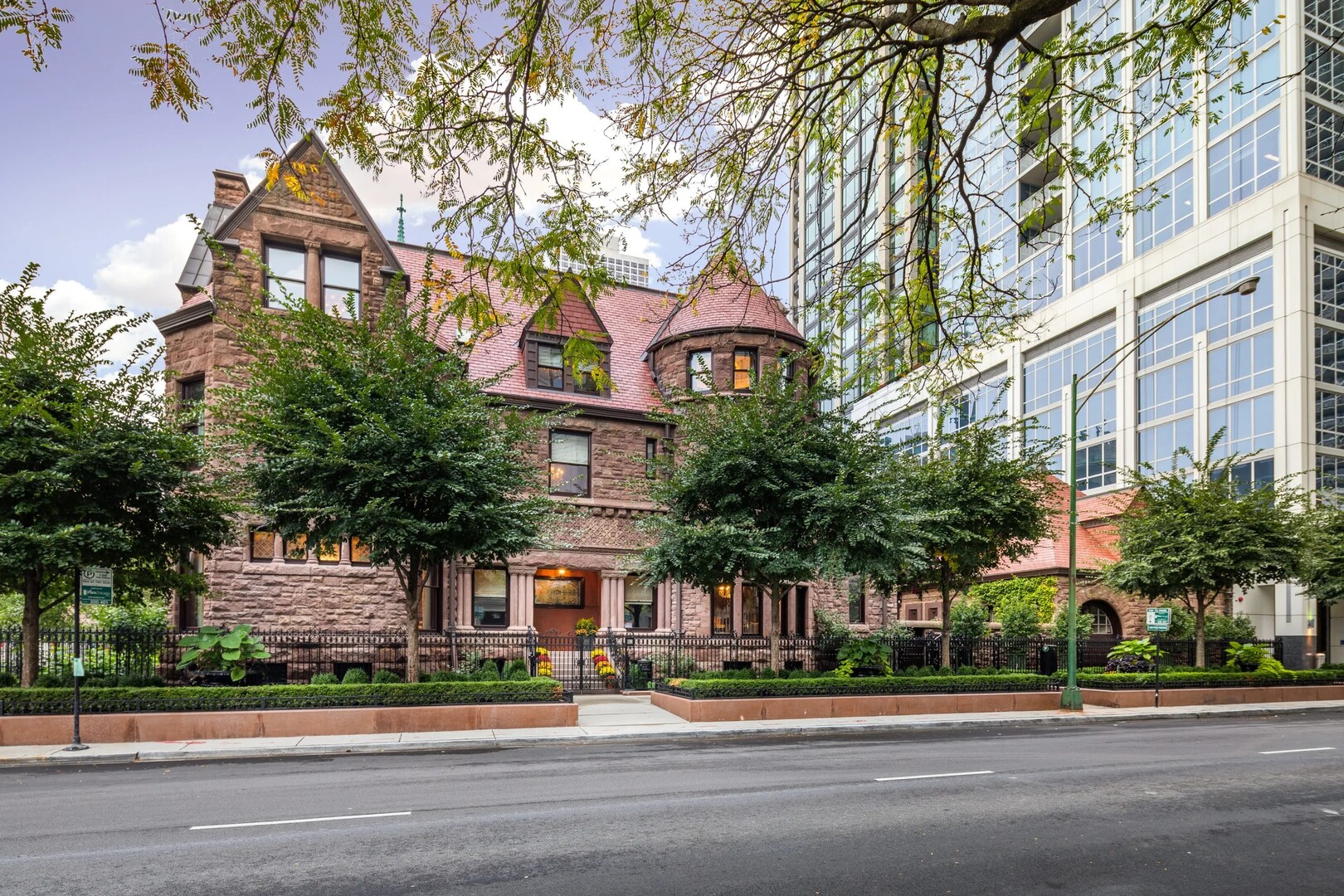
The most ornate homes in the city. Asymmetrical facades, turrets, spires, wraparound porches, stained glass, and elaborate woodwork. These were typically built on corner lots to maximize light from multiple sides. They're rare and in high demand.
Where to find them: Wicker Park • Lincoln Park • Lakeview • Old Town • Pullman (a planned industrial community with its own historic district on the far South Side)
Frank Lloyd Wright's Prairie School movement was born in Chicago and its suburbs. Horizontal lines, open floor plans, and integration with the natural surroundings define the style. Mid-century ranches adapted this philosophy for the middle class, with single-story living, attached garages, and clean lines.
Where to find them: Beverly and Morgan Park (strong concentrations of Prairie and Craftsman homes) • Oak Park (just outside city limits, Wright's home and studio are here) • Scattered across the Bungalow Belt neighborhoods
L-shaped or U-shaped apartment buildings organized around a central courtyard. These were designed to bring light and air into every unit before modern ventilation standards existed. They come in an enormous variety of exterior styles, from Tudor to mid-century modern, and many feature landscaped gardens.
Where to find them: Rogers Park • Edgewater • Uptown • Bronzeville • South Shore
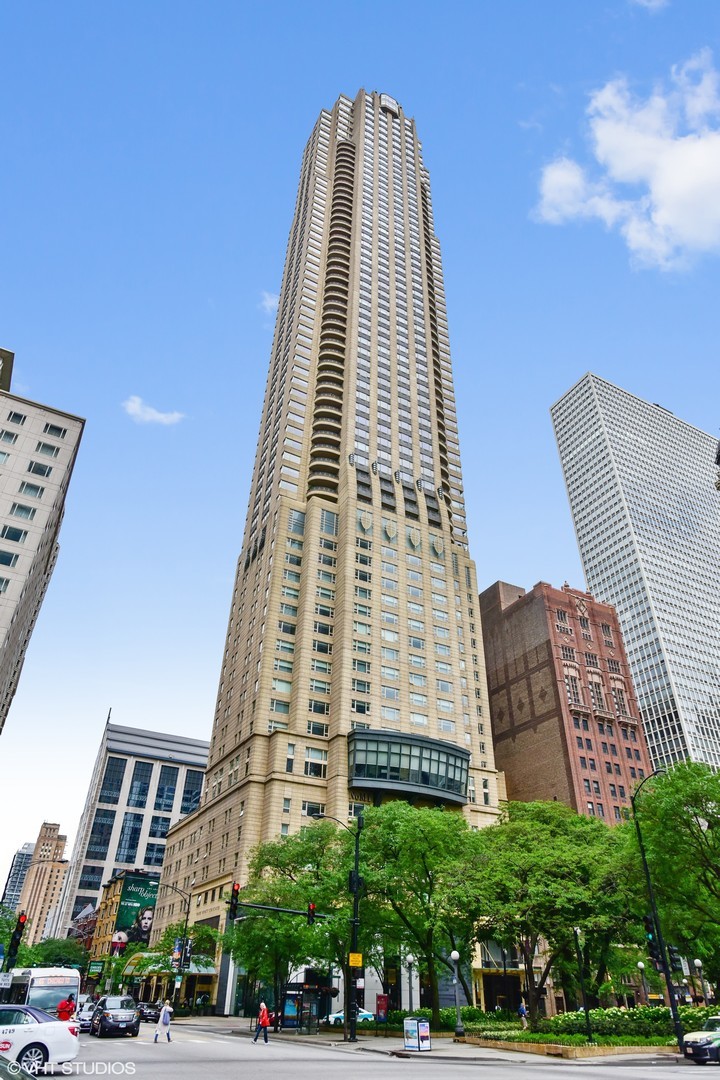
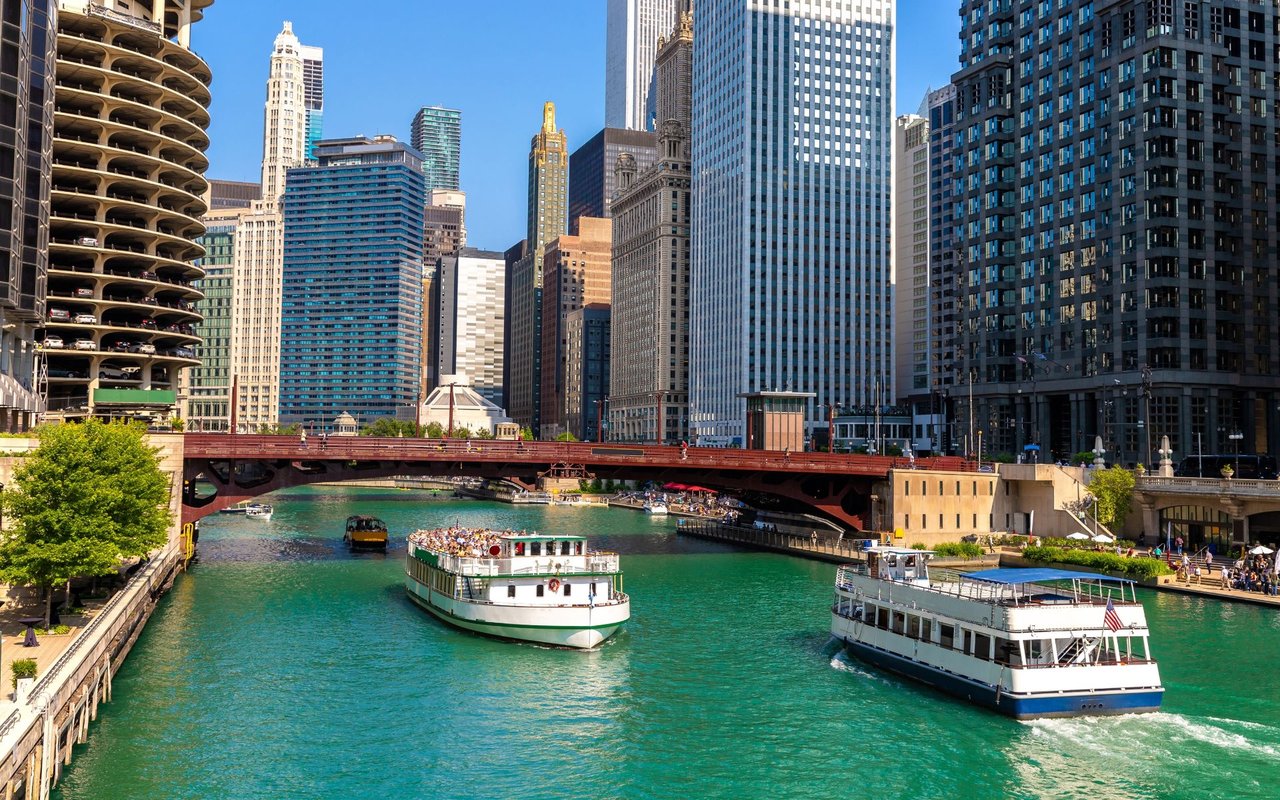
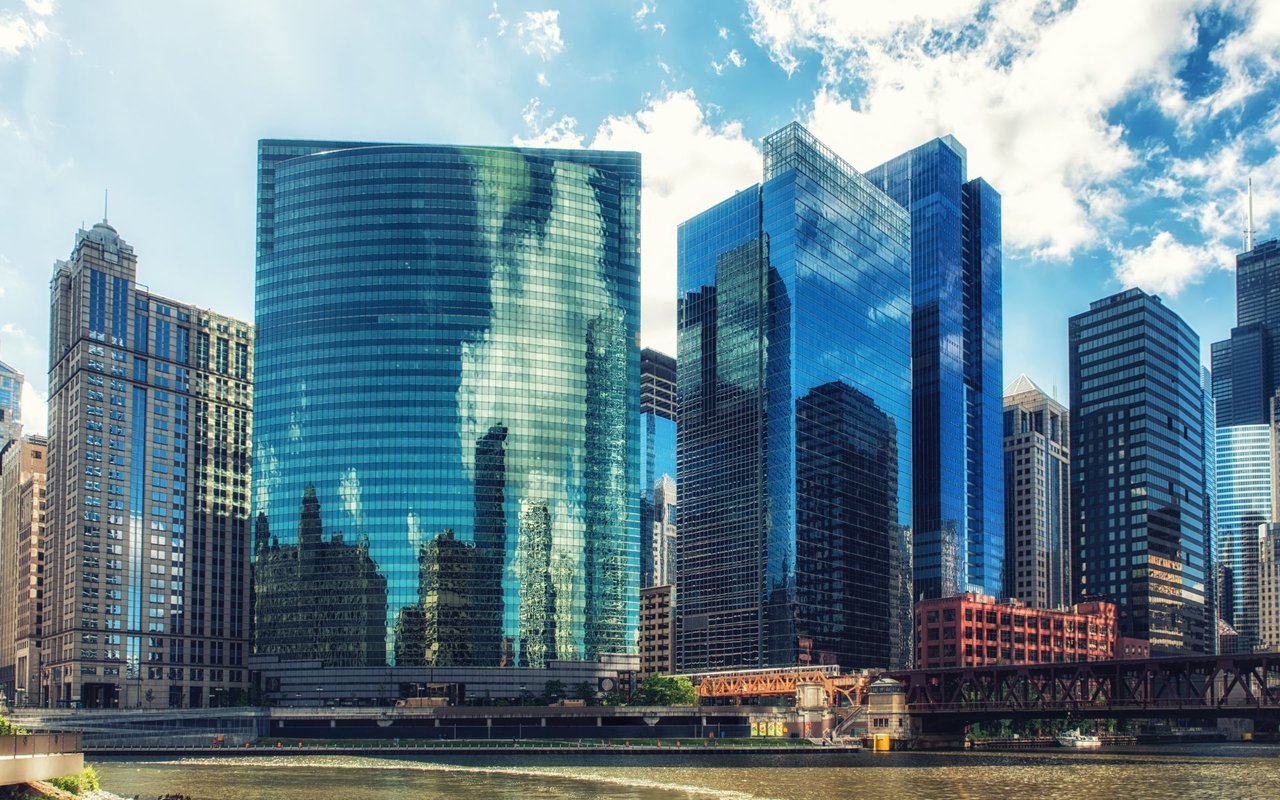
Glass, steel, and concrete towers dominate the lakefront and downtown neighborhoods. Amenities typically include doormen, fitness centers, pools, and rooftop decks. Views of the lake or the skyline (or both) are the primary selling point.
Where to find them: The Loop • South Loop • Streeterville • River North • Gold Coast • Lakeview (along Lake Shore Drive)
Every buyer's shortlist looks different. A few starting points from our guides:
Downtown condo living: River North, Streeterville, Gold Coast, The Loop, South Loop, Fulton Market
Established North Side neighborhoods: Lincoln Park, Lakeview, Old Town, Roscoe Village
Character and value on the Northwest Side: Wicker Park, Bucktown, Logan Square, Ukrainian Village, Avondale
New construction and lofts: West Loop, Fulton Market
Browse all of our neighborhood guides below, or tell us what you're looking for and we'll point you to the right fit.
Anyone considering Chicago has to reckon with winter. It's real: cold, snowy, and long. But Chicagoans don't hide from it. They ice skate in Millennium Park, cross-country ski in the forest preserves, and crowd into restaurants and comedy clubs. The tradeoff is a summer that rivals any city in the country, with 25 beaches, outdoor festivals nearly every weekend, and a lakefront that functions as the city's collective backyard.
Local Tip: If winter is your biggest concern, prioritize neighborhoods with strong walkability and good "L" access. Being able to walk to groceries, restaurants, and transit without needing a car makes a Chicago winter dramatically more manageable.
Chicago's transit infrastructure is one of its strongest selling points for homebuyers:
The "L": Eight color-coded train lines with 146 stations. The Red and Blue lines run 24 hours. A ride from the far North Side to the Loop takes about 40 minutes.
Metra commuter rail: 11 lines, 200+ stations, connecting far-flung city neighborhoods and suburbs to downtown. Critical for buyers in Edison Park, Beverly, and other neighborhoods beyond the "L" network.
Buses: 127 routes covering neighborhoods the "L" doesn't reach. The #77 Belmont and #66 Chicago are among the busiest.
Biking: 450+ miles of bike lanes. The Lakefront Trail (18.5 miles) and The 606 (2.7 miles) are the flagship routes, but protected lanes now extend into neighborhoods across the city.
Two international airports: O'Hare (Blue Line, 45 minutes to downtown) and Midway (Orange Line, 25 minutes). Direct "L" access from both.
Chicago's food identity goes far beyond deep-dish pizza. The city's restaurant culture is neighborhood-first, with each community reflecting its cultural roots through food.
The classics every buyer should know:
Tavern-style pizza: Thin crust, square cut, served at neighborhood bars. This is what Chicagoans actually eat on a weeknight, not deep-dish.
Italian beef: Thinly sliced, seasoned beef on Italian bread, dipped in jus. Order it "hot and dipped" with giardiniera.
Jibarito: A plantain sandwich invented in Humboldt Park's Puerto Rican community. Flattened, fried plantains replace the bread.
Gym shoe sub: A South Side creation combining corned beef, gyros meat, and mozzarella on a sub roll.
Polish sausage: Grilled and served with mustard, onions, and sport peppers. A staple at hot dog stands throughout the Northwest and Southwest sides.
Neighborhood food corridors worth exploring:
Devon Avenue (West Ridge): South Asian groceries, sari shops, Indian and Pakistani restaurants
Argyle Street (Uptown): Vietnamese, Thai, and Chinese restaurants in a concentrated strip
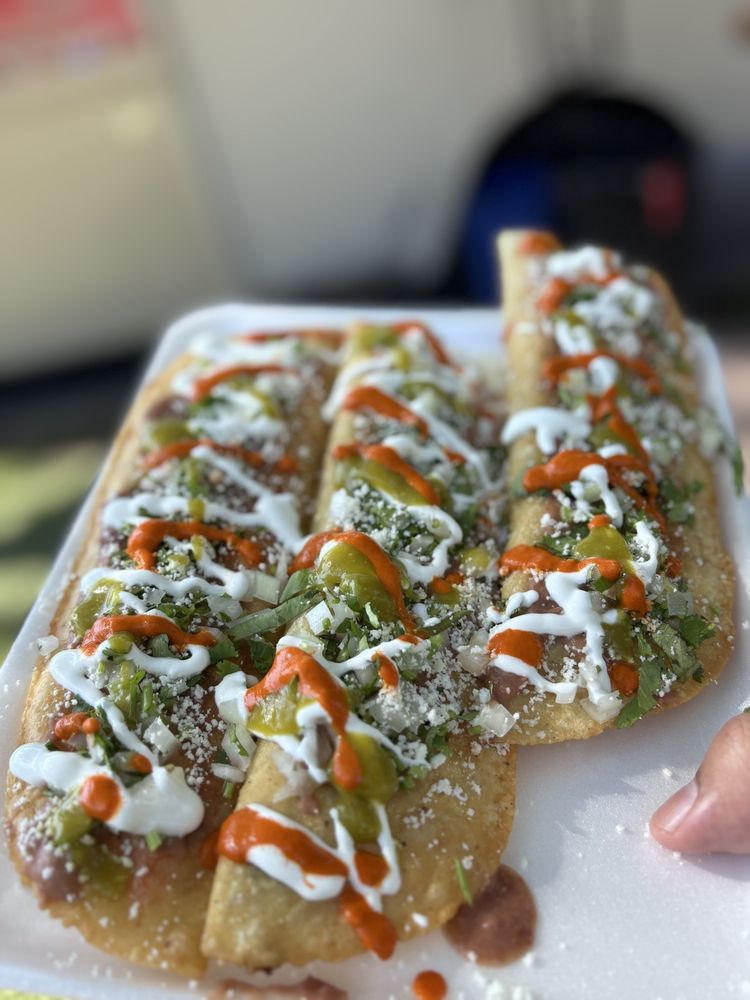
26th Street (Little Village): Mexican bakeries, taquerias, and street food vendors
Halsted and Maxwell (University Village / Greektown): Greek tavernas and the National Hellenic Museum
Chinatown (Armour Square): Dim sum halls, bakeries, hot pot restaurants, and bubble tea shops
Randolph Street (West Loop / Fulton Market): Restaurant Row — the densest concentration of acclaimed restaurants in the city
The numbers alone are impressive: 8,800+ acres of parkland, 580 parks, 25 beaches, and an 18.5-mile lakefront trail with separate lanes for bikes and pedestrians. But what matters most to homebuyers is proximity.
Lakefront neighborhoods (north to south): Rogers Park, Edgewater, Uptown, Lakeview, Lincoln Park, Streeterville, The Loop, South Loop, Bronzeville, Hyde Park, South Shore, and several far South Side communities.
Standout parks for homebuyers to know:
Lincoln Park (1,200 acres): Free zoo, nature museum, conservatory, harbors, beaches, and golf. One of the most visited parks in the country.
Jackson Park (500 acres): South Side gem. Site of the 1893 World's Fair, with a Japanese garden, lagoons, and the future Obama Presidential Center.
Humboldt Park (207 acres): A West Side anchor with a lagoon, paddleboats, and a historic boathouse. The heart of Chicago's Puerto Rican community.
The 606: A 2.7-mile elevated trail on a converted railway connecting Wicker Park, Bucktown, Logan Square, and Humboldt Park.
The Forest Preserves: Over 70,000 acres of protected land in Cook County, accessible from many city neighborhoods. Hiking, fishing, cross-country skiing, and camping within the metro area.
Chicago is not a city where people say "I'm from Chicago." They say "I'm from Bridgeport" or "I'm from Rogers Park" or "I'm from Beverly." That neighborhood-level identity is one of the strongest forces in Chicago life, and it's a major factor in real estate.
Block clubs, parish networks, aldermanic wards, and neighborhood business associations create a civic infrastructure that's unusually local for a city this size. Buying a home here isn't just a financial decision. It's a statement about which community you want to be part of.
Annual events that define neighborhood identity:
Bud Billiken Parade (Bronzeville): The largest African American parade in the U.S., running since 1929
Villapalooza (Little Village): Music, food, and arts celebrating the 26th Street corridor
Taste of Randolph (West Loop): A food festival showcasing Restaurant Row
Midsommarfest (Andersonville): Swedish heritage celebration on Clark Street
Fiesta del Sol (Pilsen): One of the largest Latino festivals in the Midwest
Beverly Art Walk (Beverly): Annual arts and culture tour through one of the South Side's most architecturally rich neighborhoods
Do Division Street Fest (Wicker Park): Music, local vendors, and neighborhood pride
Key Takeaway: Chicago's 77 neighborhoods aren't a marketing gimmick. They're functioning communities with their own commercial corridors, school networks, houses of worship, and annual traditions. The right home in Chicago isn't just a building. It's a membership in a neighborhood.
Yes — Chicago remains one of the best-value major-city housing markets in the country. As of June 2026, the Cook County median sale price of $398,875 is a fraction of comparable figures in New York, Los Angeles, or San Francisco, while appreciation (+6.4% year over year) is running roughly three times the national rate. Buyers get world-class amenities, transit, and architecture at a price a middle-income household can actually afford.
Less than most buyers assume. Conventional loans start at 3–5% down, and FHA loans allow as little as 3.5% down — including on two- to four-unit buildings if you live in one unit. On a $400,000 purchase, that can mean entering the market with under $20,000 down plus closing costs. Condos in many North Side and lakefront neighborhoods start well below the citywide median.
It depends on what you're buying. For affordable condos, look at the lakefront north of Lakeview — Uptown, Edgewater, and Rogers Park. For a house-hack two-flat, Avondale, Logan Square's western edge, Albany Park, and Humboldt Park offer the best combination of price and rental demand. For a first single-family home, the Bungalow Belt — Portage Park, Jefferson Park — still has houses under the citywide median.
The classic answers are Lincoln Park, Lakeview, Roscoe Village, North Center, and Lincoln Square on the North Side, where strong elementary schools, parks, and single-family stock cluster together. School attendance boundaries meaningfully affect home prices in these areas, so verify the assigned school for any specific address before you offer.
A two-flat is a two-unit building — one apartment per floor — and it's Chicago's signature path to affordable ownership. Owner-occupants can buy with an FHA loan at 3.5% down, live in one unit, and rent the other, with the rental income offsetting the mortgage. It's a century-old strategy that today's buyers call house hacking.
Cook County property taxes are higher than the national average and vary by assessed value, local levies, and exemptions — the homeowner exemption reduces the bill for owner-occupants. Properties are reassessed on a three-year cycle, so budget for movement in your tax bill over time. We walk every buyer through the actual tax history and exemption status of any property before they offer.
Spring brings the most inventory but also the most competition. Serious buyers often do best from late fall through winter, when motivated sellers remain but competing bidders thin out — a Chicago-specific advantage, since house-hunting in January filters out the casual competition.
2,707,650 people live in Chicago, where the median age is 35.7 and the average individual income is $48,148. Data provided by the U.S. Census Bureau.
Total Population
Median Age
Population Density Population Density This is the number of people per square mile in a neighborhood.
Average individual Income
There's plenty to do around Chicago, including shopping, dining, nightlife, parks, and more. Data provided by Walk Score and Yelp.
Explore popular things to do in the area, including L P I Distrubution, Poppie's Bakeshop, and Autlan Grocery.
| Name | Category | Distance | Reviews |
Ratings by
Yelp
|
|---|---|---|---|---|
| Dining | 0.5 miles | 0 reviews | 0/5 stars | |
| Dining · $$$ | 0.52 miles | 21 reviews | 2.8/5 stars | |
| Dining | 0.68 miles | 0 reviews | 0/5 stars | |
| Dining | 0.91 miles | 7 reviews | 5/5 stars | |
| Dining | 0.98 miles | 0 reviews | 0/5 stars | |
| Dining | 1.07 miles | 0 reviews | 0/5 stars | |
| Dining | 1.07 miles | 1 review | 5/5 stars | |
| Dining | 1.24 miles | 0 reviews | 0/5 stars | |
| Dining · $ | 1.25 miles | 24 reviews | 4/5 stars | |
| Dining · $ | 1.29 miles | 41 reviews | 4.8/5 stars | |
| Dining | 1.29 miles | 0 reviews | 0/5 stars | |
| Shopping | 1 miles | 0 reviews | 0/5 stars | |
| Shopping | 1 miles | 0 reviews | 0/5 stars | |
| Shopping | 1.01 miles | 0 reviews | 0/5 stars | |
| Shopping | 1.12 miles | 0 reviews | 0/5 stars | |
| Shopping | 1.28 miles | 0 reviews | 0/5 stars | |
| Active | 1.04 miles | 2 reviews | 3.5/5 stars | |
| Active | 1.07 miles | 0 reviews | 0/5 stars | |
| Active | 1.1 miles | 0 reviews | 0/5 stars | |
| Active | 1.2 miles | 0 reviews | 0/5 stars | |
| Nightlife | 1.19 miles | 2 reviews | 3/5 stars | |
| Beauty | 1.07 miles | 0 reviews | 0/5 stars | |
| Beauty | 1.1 miles | 0 reviews | 0/5 stars | |
| Beauty | 1.17 miles | 0 reviews | 0/5 stars | |
|
|
||||
|
|
||||
|
|
||||
|
|
||||
|
|
||||
|
|
Chicago has 1,146,550 households, with an average household size of 2.32. Data provided by the U.S. Census Bureau. Here’s what the people living in Chicago do for work — and how long it takes them to get there. Data provided by the U.S. Census Bureau. 2,707,650 people call Chicago home. The population density is 11,890 and the largest age group is Data provided by the U.S. Census Bureau.
Total Population
Population Density Population Density This is the number of people per square mile in a neighborhood.
Median Age
Men vs Women
Population by Age Group
0-9 Years
10-17 Years
18-24 Years
25-64 Years
65-74 Years
75+ Years
Education Level
Total Households
Average Household Size
Average individual Income
Households with Children
With Children:
Without Children:
Marital Status
Blue vs White Collar Workers
Blue Collar:
White Collar: