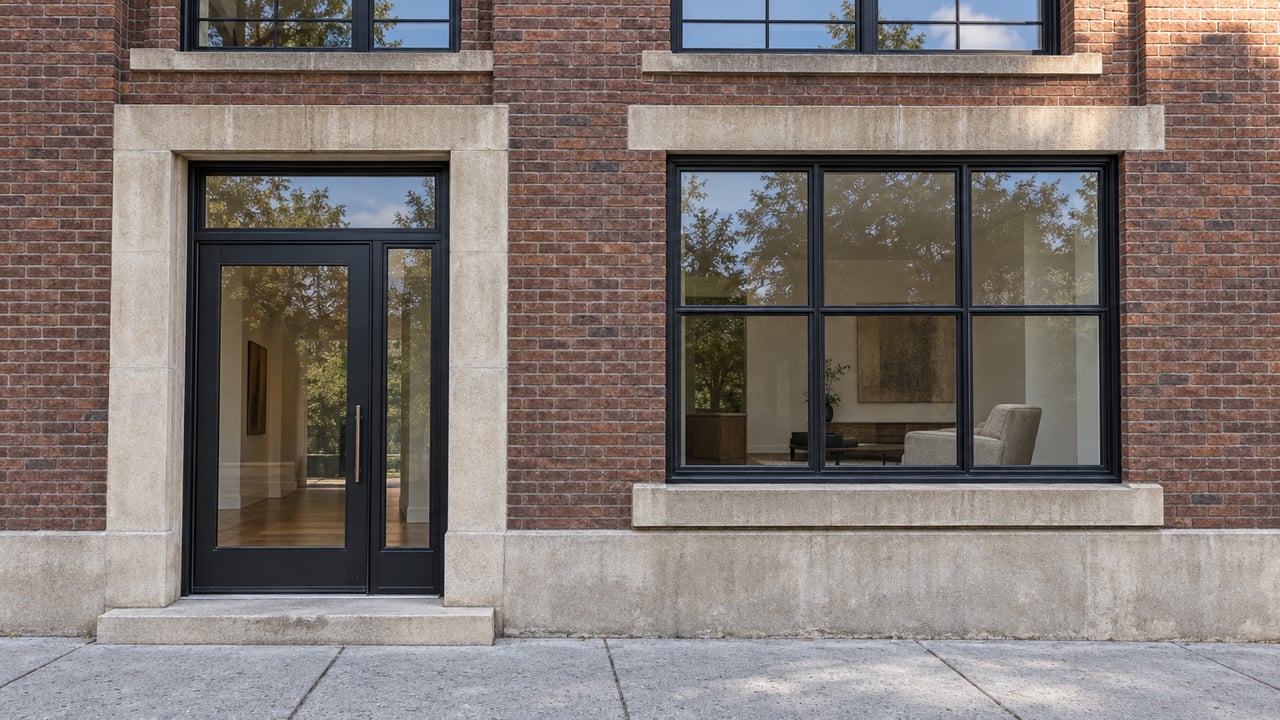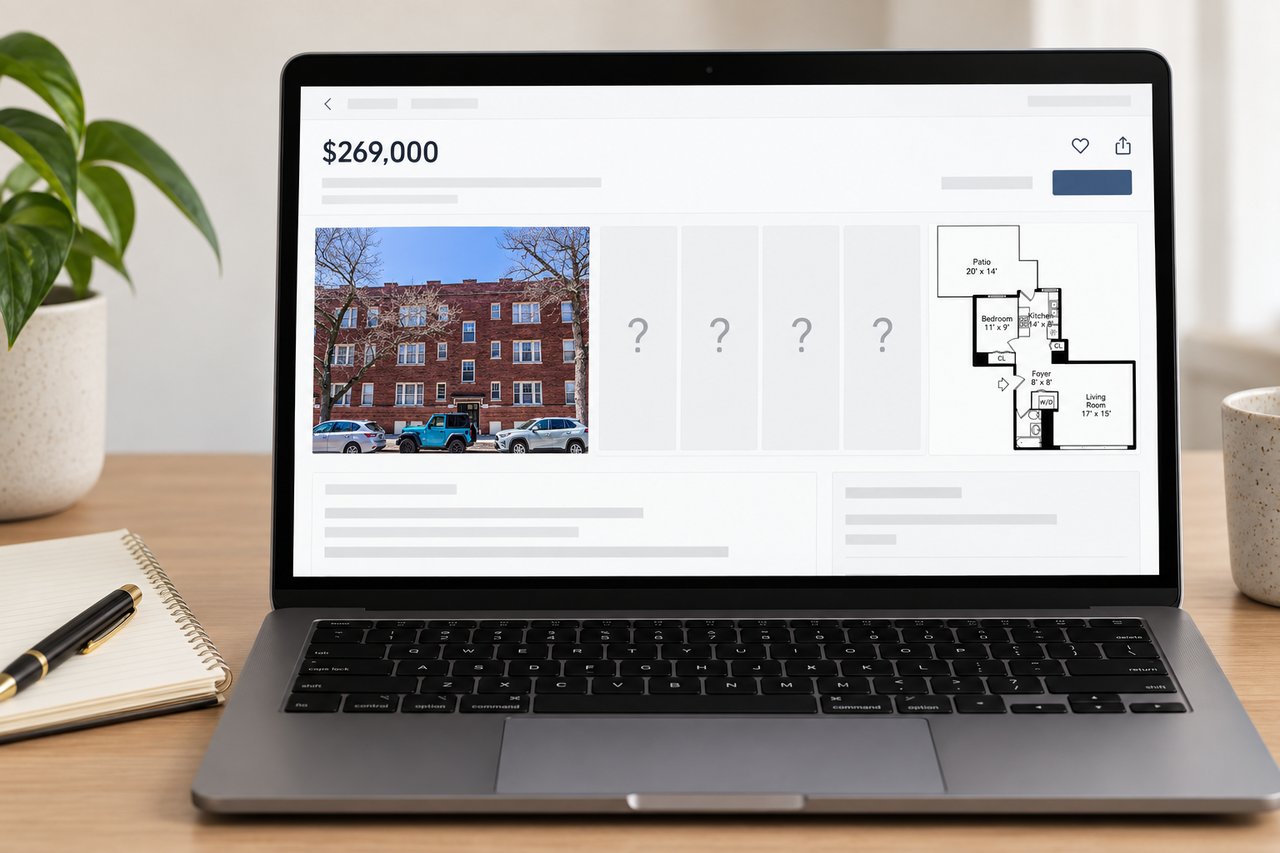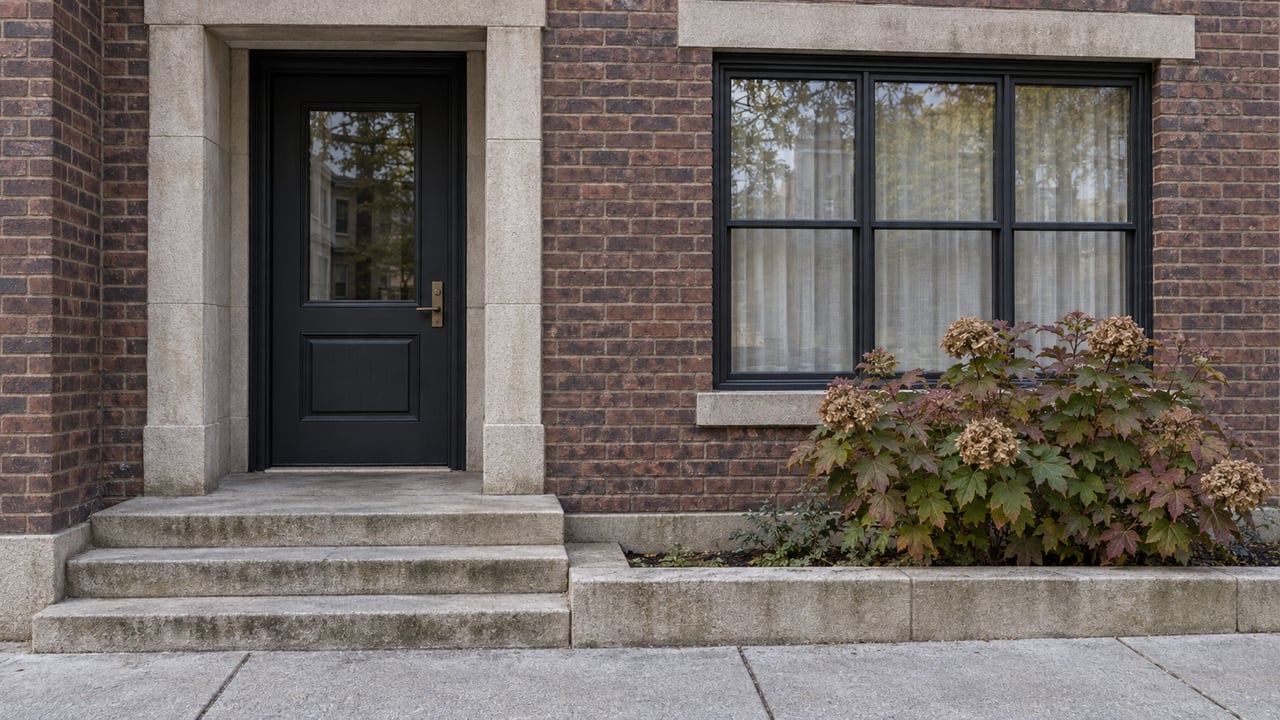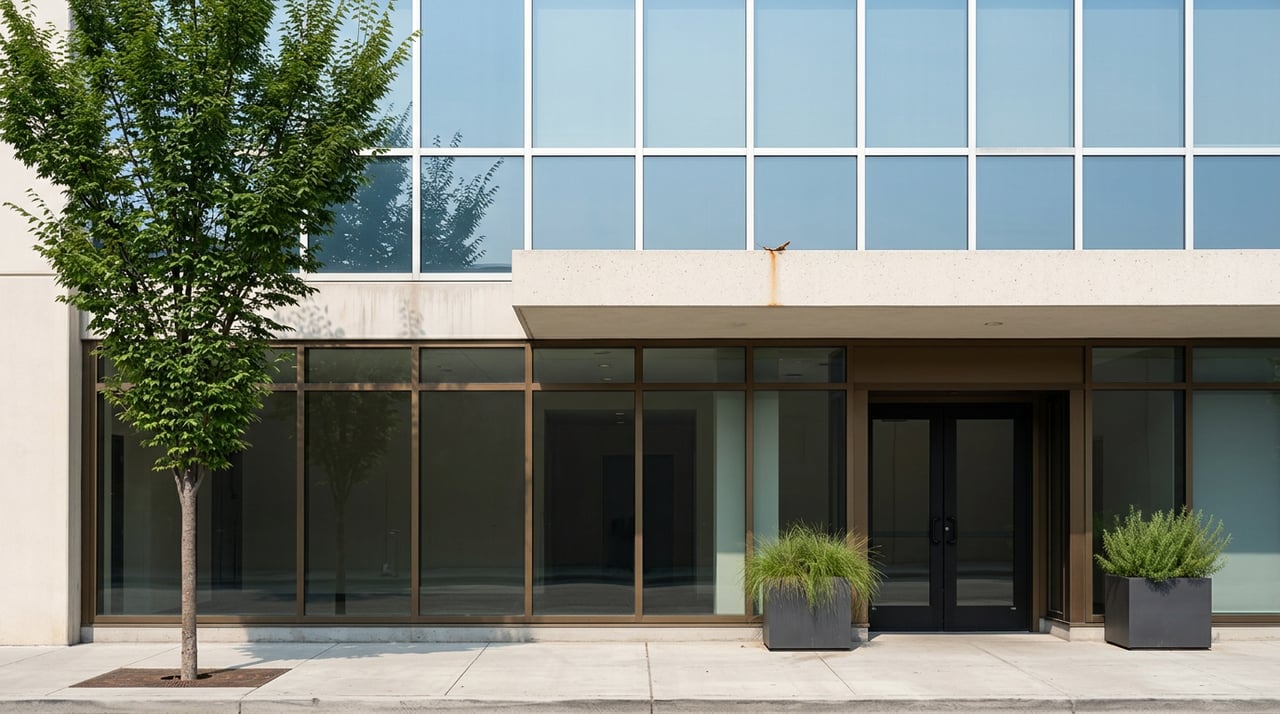
Two West Loop condos, both listed at $650,000 this summer. One sits in a new twelve-story building near Fulton Market with a low property-tax line. The other is a loft conversion off Washington Boulevard with exposed brick, timber beams, and a monthly assessment that seems reasonable next to the new build's amenity fee. A buyer comparing the two on price per square foot alone would call it close to a coin flip.
The two units have different cost considerations, and some relevant details may not appear in listing photos. For the new-construction unit, the tax bill shown at closing is a placeholder that Cook County hasn't finished calculating. For the conversion, relevant information is in a disclosure packet you don't legally get to request until you're already under contract. The same price range presents two different due-diligence considerations for West Loop housing.
Understanding the Tax Figure on a New Building
Cook County assesses property on its own calendar, and that calendar runs behind construction. The county's own guidance is explicit that a property can be individually reassessed outside the normal three-year township cycle whenever there's a permit application, division, or other special change to the property, which is exactly what happens when a vacant lot becomes a finished twelve-story building. JVM Lending says Chicago's last citywide reassessment cycle ran in 2024, and the next one covering the city won't arrive until 2027. A buyer might reasonably assume that gap protects them. It doesn't. New construction gets caught by the permit-triggered reassessment regardless of where the neighborhood sits in the citywide rotation.
In practice, that means the tax figure printed on a brand-new unit's listing sheet often reflects a mostly-vacant lot, not a finished condo. A corrected bill may arrive later, sometimes well after closing, and may be higher because the initial valuation predates completion.
This matters most at the edges of a buyer's approval. West Loop's entry tier still clusters in the upper $300s to mid $400s for one-bedrooms, and at that price point a monthly payment estimate built on a placeholder tax bill can understate the real number enough to change what a lender's debt-to-income math actually allows a year later. That gap lands hardest on exactly the buyers who can least absorb it.
The developer at 1282 W. Washington is currently pre-selling family-style condos, with sold units ranging from $1.75 million to $3.2 million and the four remaining units priced between $2 million and $3 million, backed by a 32-space climate-controlled garage for the building's 16 units. This project illustrates the tax-timing issue for new construction. The building isn't expected to deliver until the fall of 2027. Whatever tax figure the sales center quotes today is a projection built on incomplete construction, and Cook County will replace it with a real assessment once the building is finished and occupied.
Reviewing a Converted Building's Disclosure Packet
Older loft buildings, the kind West Loop has in genuine abundance, don't carry the same tax-lag problem. Their risk shows up differently: in the Illinois Condominium Property Act's Section 22.1 disclosure, a legally mandated packet that includes the reserve study, planned capital expenditures for the current and next two fiscal years, the most recent financial statement, and any pending litigation or unpaid assessments. Buyers have a right to this packet on resale. What almost nobody realizes is that the right to request it typically only becomes practical once there's a signed contract, which means the information that would most change your offer arrives after you've already written it.
The projects that trigger a special assessment in a converted building are consistent across the neighborhood's older stock: elevator modernization, roof replacement, masonry tuckpointing, and window or facade repair mandated by Chicago's facade inspection requirements for taller buildings. Special assessments tied to these projects commonly run $5,000 to $50,000 or more per unit, and the range depends entirely on how well the association funded its reserves before the bill came due.
Lenders have their own thresholds for this exposure, and they matter even if you're paying cash, because they determine whether the next buyer can finance a purchase from you. Fannie Mae's condo project standards generally expect a budget that allocates around 10 percent of annual assessment income to reserves. A conversion that fails Fannie Mae's reserve standard doesn't just cost the current owner more in special assessments. It shrinks the pool of financeable buyers for whoever sells next, in buildings like the ones scattered through the neighborhood's loft row, from 1000 W. Washington Lofts to Haberdasher Square Lofts to Green Street Lofts. A building’s reserve funding and assessment delinquencies may not be included in a listing description; review board minutes and the reserve study for those figures.
| Information visible before an offer | Other cost factors |
|---|---|
| New construction tax line on the listing sheet | Cook County's post-completion reassessment |
| Conversion's advertised monthly assessment | Reserve funding percentage and delinquency rate, disclosed only in the Section 22.1 packet |
| "Parking available" in the listing remarks | Whether the spot is deeded, leased, or nonexistent, confirmed against the PIN |
Parking Is a Separate Asset, Not a Feature
West Loop is dense enough, and old enough in its industrial core, that plenty of loft conversions were never built with on-site parking at all. A deeded spot in this neighborhood typically adds $25,000 to $50,000 to a unit's value, and that premium holds up at resale because the next buyer will have the same problem you did. "Parking available" in a listing description does not necessarily mean the spot is deeded. It can mean a leased space in a lot the building doesn't control
Some newer construction bundles parking into the purchase, which is part of why a project like 1282 W. Washington is built with a 32-space garage sized to its 16 units rather than leaving buyers to find parking separately. That convenience is real, but it's also a cost that's already baked into the higher price tag on new buildings, whereas a conversion buyer negotiating for a deeded spot is negotiating for a distinct asset that needs its own line in the contract, confirmed against the property's PIN rather than relying solely on the listing remarks.
What to Actually Do Before You Write the Offer
- Request the Section 22.1 disclosure packet as a contract contingency, not as a courtesy after signing. Read the reserve study and the delinquency figure before your attorney review window starts, not during it.
- On new construction, ask the developer or their accountant for a projected post-completion tax estimate in writing, and budget your payment using that number instead of the placeholder figure on the listing sheet.
- Confirm parking status against the property's Property Index Number, not the listing remarks. Deeded, leased, and unassigned are three different financial outcomes.
- Pull board meeting minutes from the past 12 to 18 months if you can get them before offer. Recurring mentions of a roof, boiler, or elevator problem are a preview of the next special assessment, not background noise.
A Couple of Questions Worth Asking Directly
Does Does attorney review catch all of this automatically? No. Your attorney can review the documents that are available, but those may not include the reserve study.
Is a lower monthly assessment always the better deal? Not on its own. A low assessment paired with a poorly funded reserve is a bill deferred, not a bill avoided. The number that matters more is the reserve funding percentage relative to the building's age and its major systems, which is exactly the figure that doesn't appear anywhere in a listing.
West Loop rewards buyers who treat the purchase price as the beginning of the underwriting, not the end of it. Comparable units may have different costs over time as tax bills are reassessed and associations issue special assessment notices. If you're comparing a new tower against a converted loft and want help reviewing the actual documents, Vesta Preferred Realty can walk the Section 22.1 packet and the building's reassessment history with you once those documents are available.
This article is general information, not legal, tax or financial advice. Consult a qualified professional about your situation.