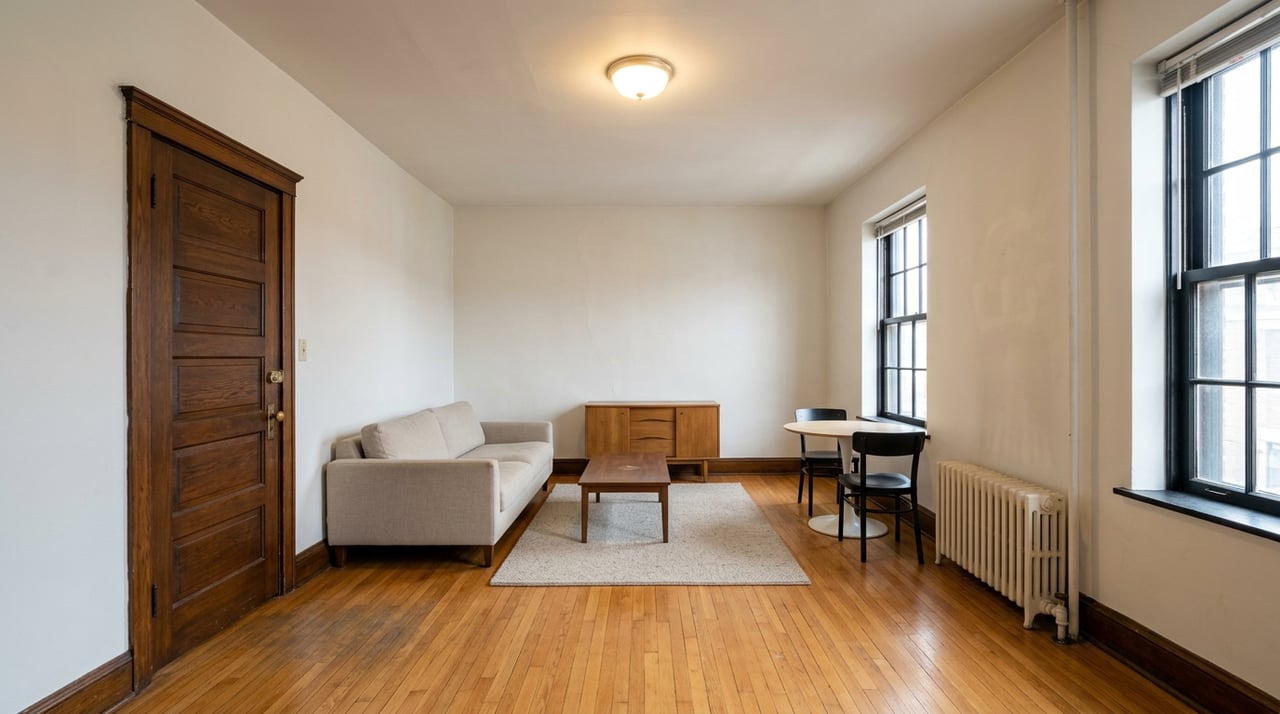
Wondering if a vintage condo in Ukrainian Village is a hidden gem or a hidden project? You are not alone. Older Chicago condos can offer character, solid masonry construction, and a location you love, but they also come with building history, association details, and maintenance questions that deserve a closer look. This guide will help you understand what to review before you buy, what to ask early, and how to move forward with more confidence. Let’s dive in.
Why Ukrainian Village draws vintage-condo buyers
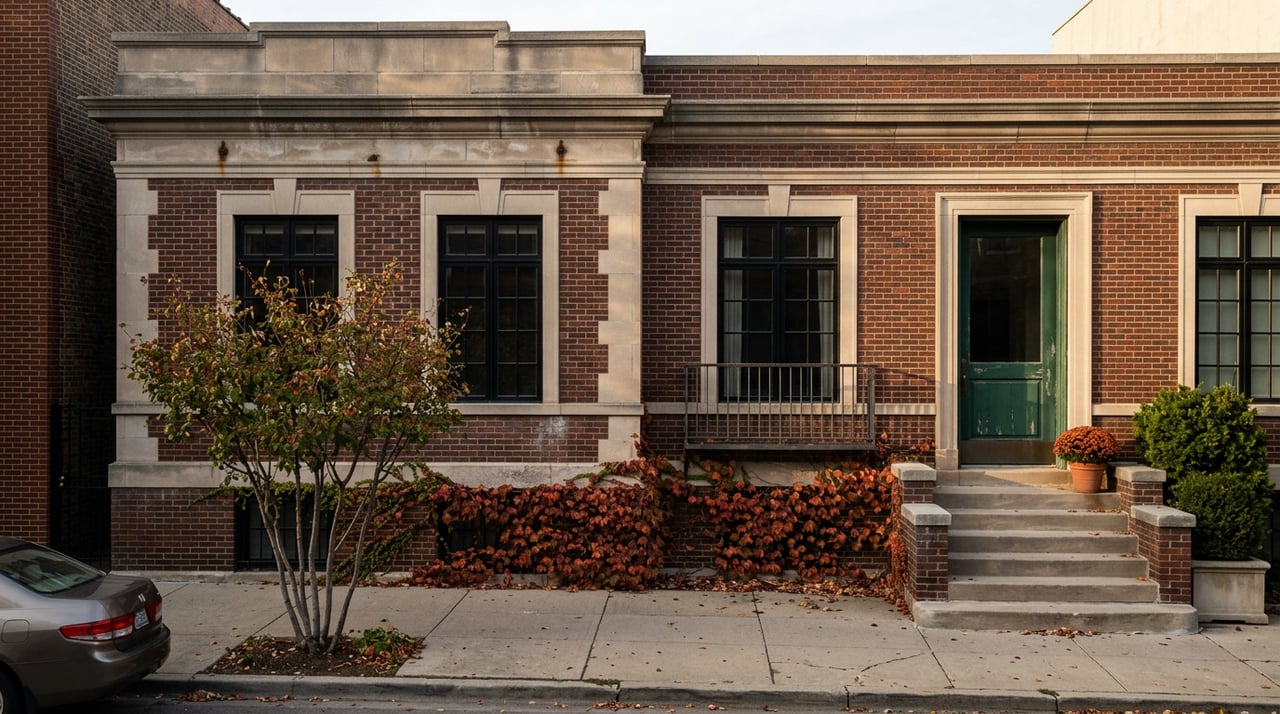
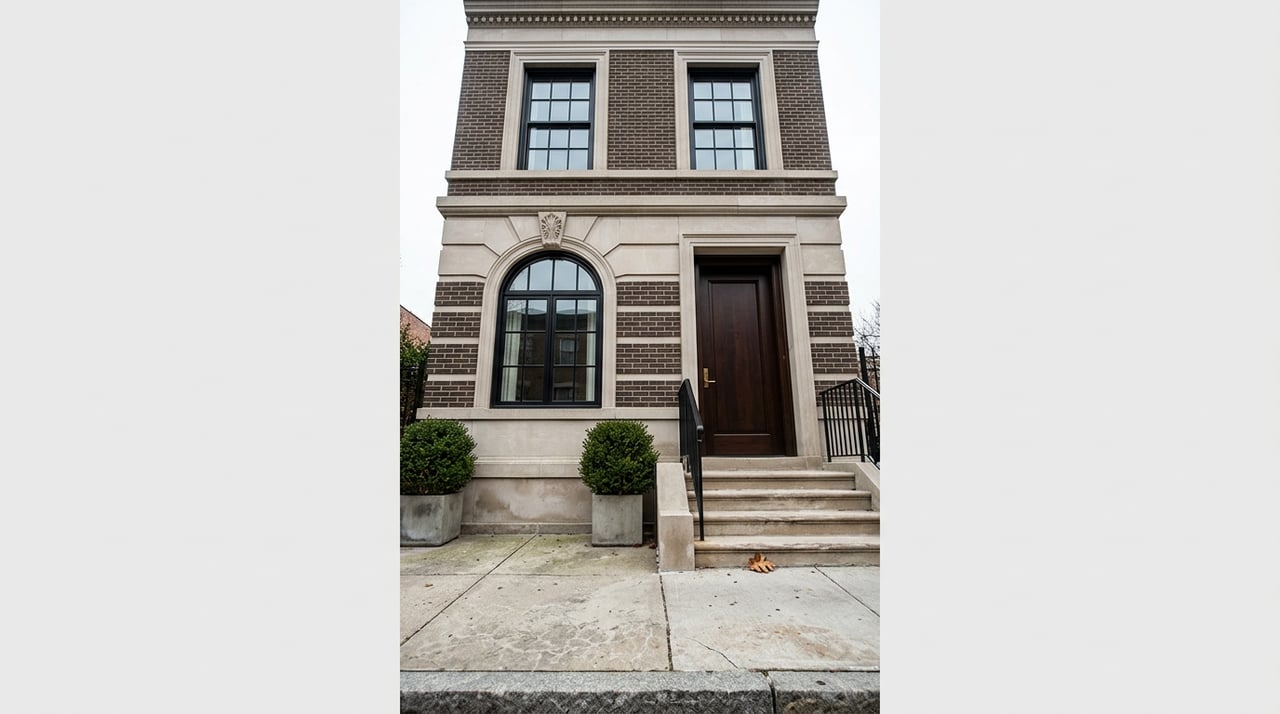
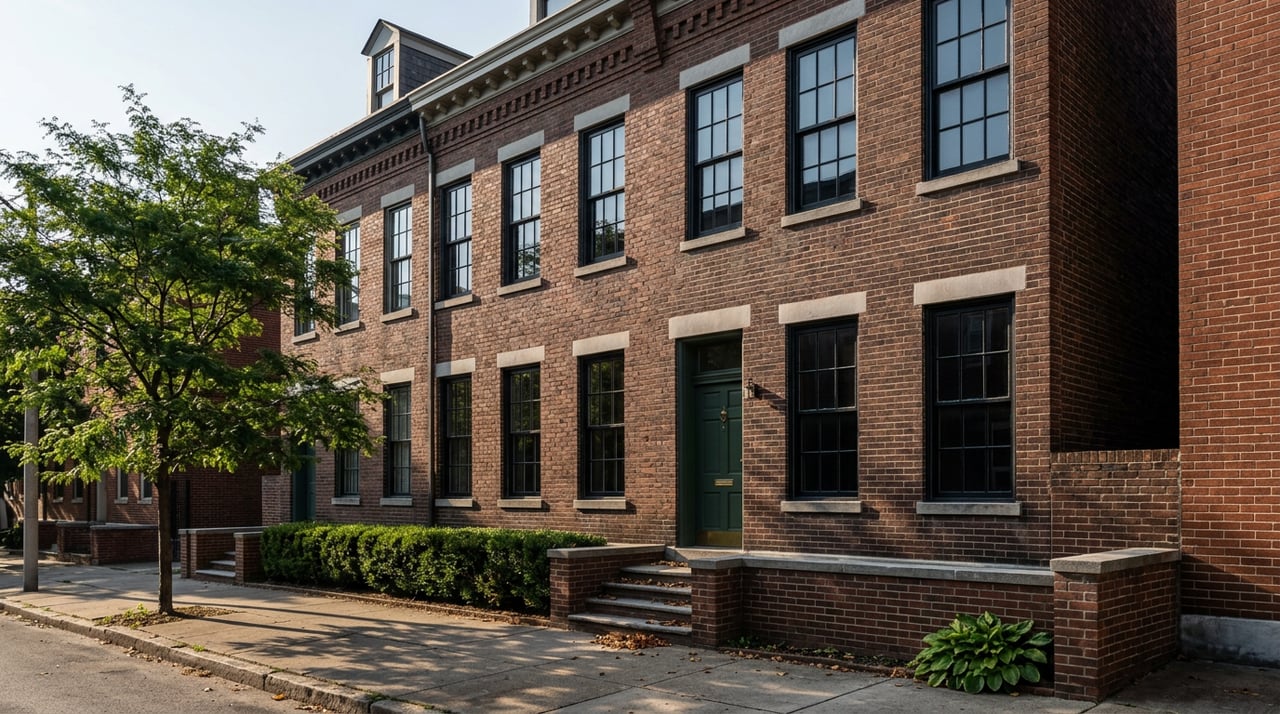
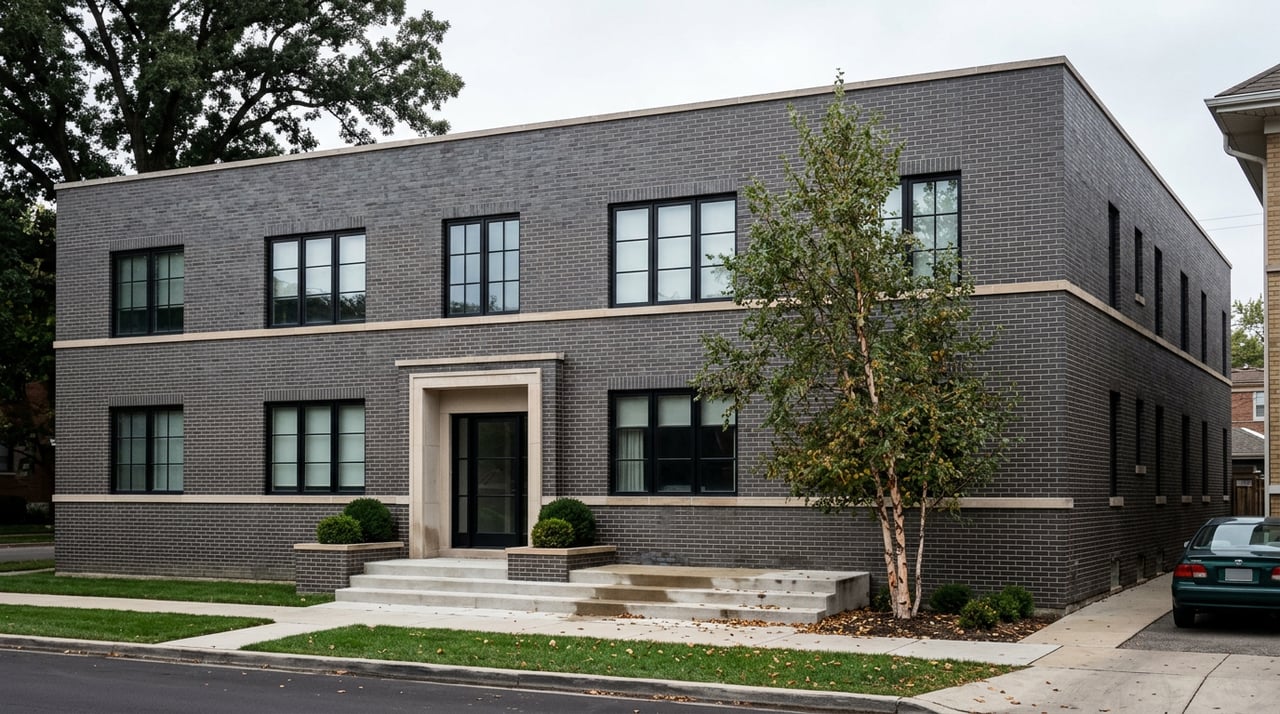
Ukrainian Village sits within West Town and is commonly described around Division, Damen, Chicago, and Western. The area is known for older low-rise masonry housing rather than newer high-rise inventory. That matters because if you are shopping here, you are often comparing vintage units in two-flats, three-flats, workers cottages, and larger older apartment buildings that were later converted or organized as condos.
That housing mix reflects the neighborhood’s long settlement history, including German, Polish, and Ukrainian roots. For buyers, the appeal is often the same: established streetscapes, classic brick exteriors, and layouts or details you may not find in newer construction. The tradeoff is that older buildings usually require more careful review of systems, upkeep, and association planning.
Know the building before the unit
When you buy a vintage condo, you are not just buying the unit. You are also buying into the building’s condition, financial health, and maintenance decisions. In older masonry buildings, the big-ticket issues are often shared building components, not just what you can see inside the condo.
That is why your review should start with the building itself. A beautiful kitchen update means less if the roof is near the end of its life, the masonry needs repair, or reserves are too thin to handle upcoming work.
Focus on key building systems
Older Chicago buildings deserve extra scrutiny in a few areas. Inspection guidance for older structures specifically flags roof deterioration, flashing and gutter failures, damp plaster that can point to roof or plumbing leaks, and older electrical systems that may not have been designed for modern appliance loads.
In practical terms, that means you should pay close attention to:
- Roof age and visible signs of leaks
- Masonry cracking or spalling
- Mortar deterioration and tuckpointing history
- Lintels, parapets, and roof-edge details
- Window and door condition
- Plumbing stacks and shutoff condition
- Electrical service and panel upgrades
- Boiler or other shared mechanical system age, if applicable
Brick buildings can also develop cracks from settlement, freeze-thaw cycles, lintel failure, and roof-related movement. If the building has had masonry work, ask when it was done and what scope was completed. Careful repairs matter in older buildings.
Ask better inspection questions
A standard home inspection is helpful, but in a vintage condo purchase, the quality of your questions matters just as much. You want to understand both current condition and whether the building has a pattern of deferred maintenance.
Here are smart questions to ask:
- How old is the roof?
- When was the last tuckpointing or facade repair completed?
- Is there any active moisture intrusion?
- What is the condition of the plumbing stacks?
- Have electrical panels or service been upgraded?
- Are the windows original or replaced?
- Were prior interior renovations permitted?
- Are there signs that systems are undersized for modern use?
These questions help you move beyond surface finishes and focus on the parts of the building that can affect your costs after closing.
Review condo documents early
In Illinois, condo resale buyers have the right to important association information. On demand, the seller must make available core documents and disclosures, including the declaration, bylaws, rules and regulations, unpaid assessments or other charges, anticipated capital expenditures for the current or next two fiscal years, reserve information, the latest financial statement, pending suits or judgments, insurance coverage, and a statement about whether prior unit alterations are believed to comply with the condo instruments.
The association’s principal officer must furnish this information within 10 business days of a written request. That timeline is a good reason to ask for documents early rather than waiting until the last minute.
What matters most in the resale package
Not every buyer knows what to look for once the documents arrive. In a vintage building, a few items deserve extra attention because they can directly affect your monthly costs and your risk of surprise expenses.
Review these closely:
- Reserves: How much is in the reserve fund?
- Reserve waiver: Was the reserve requirement waived?
- Capital projects: What is planned in the current or next two fiscal years?
- Special assessment risk: Is there a reserve shortfall or a debt plan?
- Financial statements: Do the numbers suggest stable operations?
- Pending suits or judgments: Could legal issues affect owners financially?
- Insurance coverage: Is the association carrying the coverage described in the disclosure?
Illinois law requires annual condo budgets to provide reasonable reserves for capital expenditures and deferred maintenance, unless reserves are waived under the rules allowed by the statute. If reserves were waived, that must be disclosed in bold to a prospective purchaser. For you, the takeaway is simple: ask whether the building has enough savings for expected work, or whether future owners may be asked to cover the gap.
Check permits, but do not stop there
Chicago offers public access to building permit and inspection history through its Building Permit and Inspection Records database. That can be very useful when you want to cross-check renovation claims, look for permit history, or see whether major work appears in the public record.
Still, the City is clear about the limits of that data. A permit does not prove the work was performed correctly, and the absence of violations does not mean the building is fully compliant. Use the record as one verification tool, not as final proof that everything is problem-free.
If you want another cross-check, the Cook County Assessor’s property details tool can help confirm the parcel, review property characteristics, and compare public information with what the seller or association is telling you. If details do not line up, that is a sign to ask more questions.
Landmark district rules can affect future plans
One detail many buyers miss is that the neighborhood boundary and the Chicago Landmark district boundary are not the same. If a property sits inside the Ukrainian Village landmark district, exterior alterations that affect significant historical and architectural features are reviewed through the City’s normal permit process.
In these cases, the features that usually matter most are exterior elevations visible from the public right-of-way. That can affect projects involving windows, facade work, porches, and roof-line changes. If you are buying with plans to update the exterior or if the association is discussing exterior work, verify whether the specific address falls within the landmark district.
Think carefully about pre-1978 renovations
Many vintage condos in Ukrainian Village were built before 1978. For homes from that era, lead-based paint should be assumed to be present unless testing shows otherwise.
Lead dust is commonly found on windows, doors, floors, porches, stairways, and cabinets. If you expect to remodel after closing, ask whether the work may require lead-safe certified contractors. This is especially important if your plans include sanding, opening walls, replacing windows, or disturbing painted trim and older surfaces.
A practical checklist for buyers
Before you commit to a vintage condo in Ukrainian Village, make sure you can answer these questions clearly:
- How old are the roof, boiler, electrical service, plumbing stacks, and windows?
- What capital projects were completed recently?
- What projects are planned in the next two fiscal years?
- How much does the association have in reserves?
- Was the reserve requirement waived?
- Are there any pending suits, open violations, or planned assessments?
- Were prior renovations permitted?
- If relevant, was exterior work subject to landmark review?
- Does the public record align with what you were told about the building?
A strong vintage-condo purchase is usually not about finding a perfect old building. It is about finding a building where the condition, documentation, financial planning, and your comfort level all line up.
Why guidance matters in this market
Buying a vintage condo in Ukrainian Village can be rewarding, but it is rarely a plug-and-play purchase. You need to evaluate the unit, the building, the association, and the public record together. When those pieces are reviewed carefully, you can make a smarter decision and avoid surprises that were visible from the start.
That is where local guidance can make the process smoother. A responsive team can help you ask the right questions early, spot red flags before you are too far in, and keep the transaction moving with fewer last-minute issues.
If you are considering a vintage condo in Ukrainian Village, Vesta Preferred Realty can help you navigate the details with a full-service, concierge approach built for Chicago buyers.
FAQs
What should you check before buying a vintage condo in Ukrainian Village?
- Review the building’s roof, masonry, windows, plumbing, electrical systems, reserves, planned capital projects, permit history, and any pending assessments or legal issues.
What condo documents should you request for an Illinois resale purchase?
- Ask for the declaration, bylaws, rules and regulations, unpaid assessment statement, anticipated capital expenditures, reserve information, latest financial statement, pending suits or judgments, insurance coverage, and alteration compliance statement.
What does a reserve waiver mean for an Illinois condo buyer?
- It means the association may not be funding reserves in the usual way, which can increase the chance of future assessments or added financial pressure if major repairs come up.
Why do masonry issues matter in Ukrainian Village vintage buildings?
- Older brick buildings can develop cracking, spalling, mortar deterioration, and lintel or parapet issues that may lead to larger repair costs if they are not addressed in time.
How should you use Chicago permit records when buying a vintage condo?
- Use them as a cross-check for renovation and repair history, but do not treat them as proof that all work was completed correctly or that the building has no compliance issues.
How can landmark district rules affect a Ukrainian Village condo purchase?
- If the property is within the Ukrainian Village landmark district, certain exterior changes visible from the public right-of-way may be reviewed as part of the City permit process.