If you want a Chicago neighborhood where daily life feels easy to build around, Lakeview usually ends up near the top of the list. You may be looking for walkability, quick transit, lakefront access, or a home that keeps you close to restaurants, entertainment, and everyday essentials. The good news is that Lakeview offers a mix of convenience, energy, and housing options that fit many city lifestyles. Let’s dive in.
Why Lakeview Feels So Lived-In
Lake View has about 101,163 residents across 56,766 households, and the area has a distinctly urban pattern. The average household size is 1.8, with 50.8% one-person households and 70.4% non-family households. That helps explain why the neighborhood often feels fast-moving, flexible, and built around convenience.
The community also trends young, with a median age of 32.2 and 45.6% of residents between 20 and 34. In practical terms, that means you will likely notice a strong rhythm of apartment living, shared households, remote work, and active social routines. At the same time, the neighborhood still supports a range of buyers, renters, and long-term residents.
Getting Around Lakeview
One of Lakeview’s biggest everyday advantages is mobility. This is one of Chicago’s more transit-rich neighborhoods, which can make your day feel less centered on driving and more centered on access. Whether you commute downtown, work from home, or move around the neighborhood often, the transit network is part of what makes Lakeview work.
CTA rail access
The CTA Brown Line serves Lakeview with stations at Addison, Paulina, Southport, Belmont, and Wellington. The Red Line also runs through the area with stations at Sheridan, Addison, and Belmont. Belmont station is especially useful because it connects the Red, Brown, and Purple lines along with bus service.
That setup gives you more than one way to move through the neighborhood and beyond it. Instead of relying on a single station or route, you often have options depending on where you live and where you need to go.
Bus routes that fill the gaps
Bus service adds another layer of convenience. Route #77 Belmont runs across a major east-west corridor, Route #22 Clark serves the Clark corridor, and Route #36 Broadway adds access along another active stretch of the neighborhood. For everyday errands, meetups, and short trips, that kind of coverage matters.
Can you live here without a car?
For many households, yes. In Lakeview, 40.4% of households have no vehicle available, 32.3% of commuters use transit, and 34.0% work from home. The mean commute time is 34.1 minutes, which supports the idea that many residents build routines around transit, walking, biking, and remote work.
That does not mean every household will want to be fully car-free. But compared with many other areas, Lakeview gives you a realistic chance to rely less on a car in daily life.
Lakefront Living as a Daily Perk
In some neighborhoods, outdoor access feels like a bonus. In Lakeview, it can be part of your normal routine. The nearby lakefront is one of the area’s defining features, and it shapes how many residents spend both weekdays and weekends.
Lakefront Trail access
The Chicago Park District’s Lakefront Trail runs from Ardmore Avenue on the north to 71st Street on the south. Since the trail separation project created distinct bike and pedestrian trails, the path works better for different types of users. That makes it useful for commuting, jogging, walking the dog, or simply getting outside without a long drive or major plan.
If your ideal neighborhood includes movement and fresh air built into the week, this is a real lifestyle benefit. It is not just a scenic feature. It is part of how people get around and unwind.
Belmont Harbor nearby
Belmont Harbor is another important part of the lakefront experience near Lakeview. As one of the city’s harbors along Lake Michigan, it reinforces the sense that the shoreline is part of the neighborhood’s everyday footprint. For many residents, the water is not a special-occasion destination. It is simply part of the area they live in.
The Parts of Lakeview Feel Different
One of the reasons Lakeview stays appealing is that it does not feel one-note. Choose Chicago breaks the area into East Lakeview, Central Lakeview, Northalsted, and Wrigleyville. That distinction matters because your day-to-day experience can shift depending on which part of the neighborhood you are in.
Southport Corridor
Southport Corridor is known for boutique shopping and restaurant patios. If you like a neighborhood feel with regular foot traffic, coffee runs, casual dining, and local errands that can happen on foot, this area often stands out. It tends to support the kind of routine where convenience and atmosphere meet.
Broadway and Clark
Broadway and Clark are two of the neighborhood’s most recognizable daily-life corridors. They help anchor dining, services, and movement through Lakeview. If you picture everyday city living as a mix of grabbing dinner, heading to transit, and checking off errands without a long trip, these streets help define that experience.
Wrigleyville energy
The Wrigley Field area brings one of the neighborhood’s most recognizable social scenes. For some residents, that means easy access to entertainment and an energetic evening-out district. For others, it is simply a well-known landmark area that adds to Lakeview’s identity and activity level.
Northalsted identity
Northalsted adds a distinct cultural layer to Lakeview. Choose Chicago describes it as the country’s oldest official LGBTQ+ neighborhood. That history contributes to the area’s broader social identity and helps show why Lakeview feels layered, active, and culturally specific rather than uniform.
Dining and Entertainment in Daily Life
Lakeview supports more than just a place to live. It supports a full routine around dining, entertainment, and convenience. That is a major reason why buyers and renters continue to consider the neighborhood.
Choose Chicago highlights destinations such as the Music Box Theatre, Schubas, Lincoln Hall, The Vic, and Metro. That gives you a wide range of ways to spend an average week, from movies to live music to casual dinners with friends. In a practical sense, Lakeview makes it easier to say yes to plans because many options are already close to home.
For a lot of people, that kind of built-in activity matters just as much as square footage. When you can easily meet friends, pick up dinner, or catch a show without turning it into a major trip, the neighborhood starts to support your lifestyle in a very real way.
What Homes Look Like in Lakeview
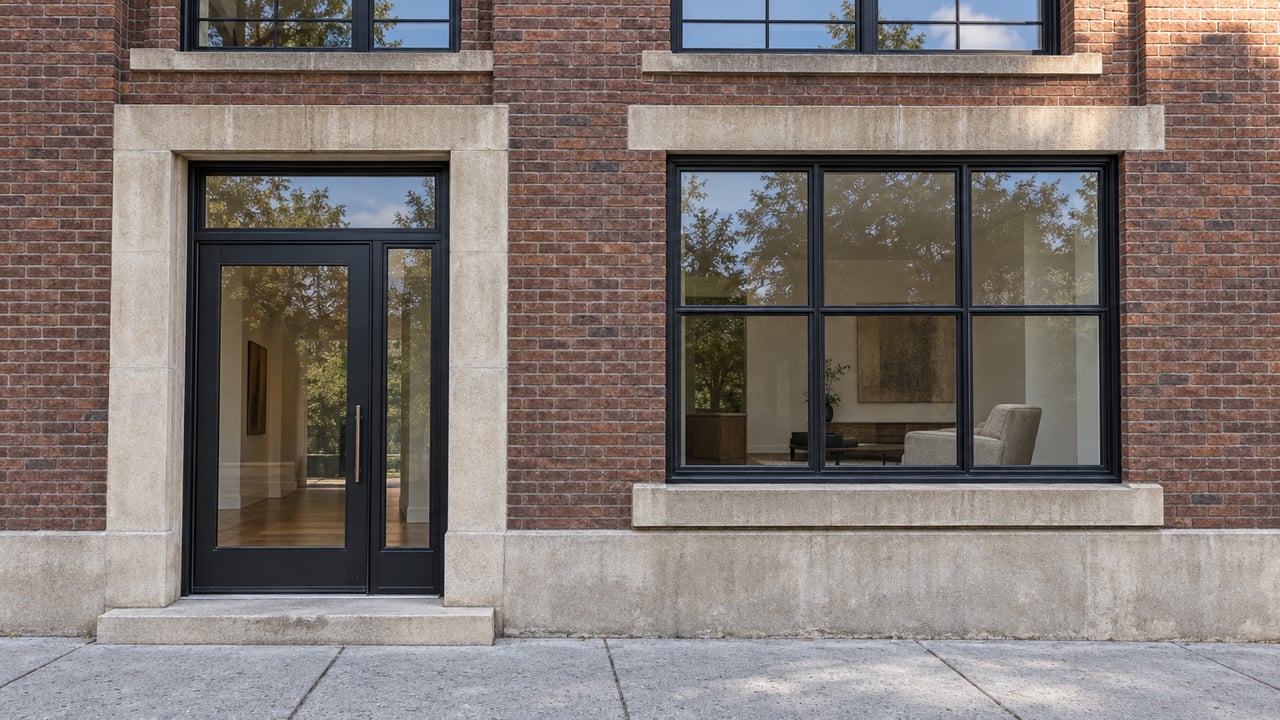
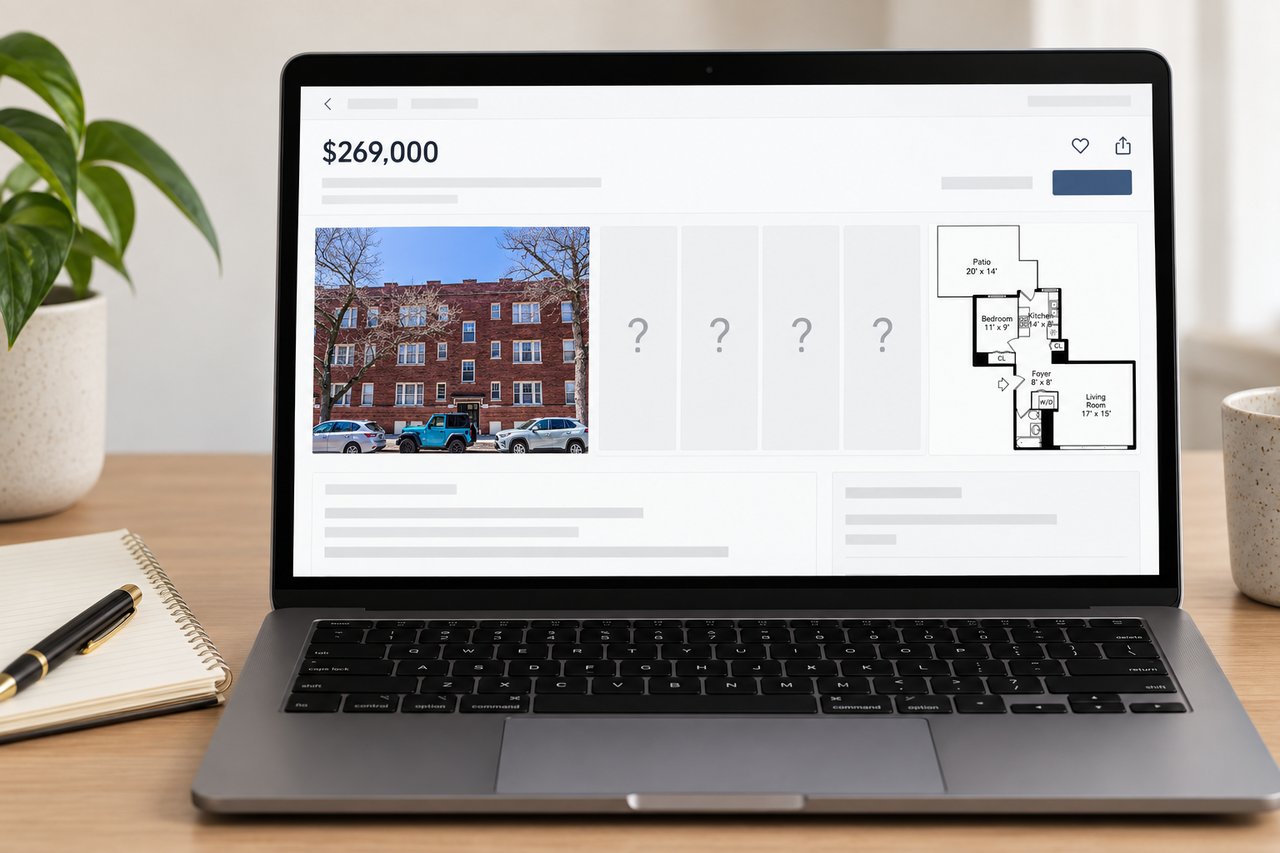
If you are considering a move here, it helps to know that Lakeview is primarily a multifamily housing market. This is not a neighborhood dominated by detached houses. Your most common options are likely to be condos, apartments, walk-ups, courtyard buildings, and larger apartment buildings.
Mostly condos and apartments
According to CMAP, 49.4% of housing units are in buildings with 20 or more units. Another 15.0% are in 5- to 9-unit buildings, and 14.8% are in 3- to 4-unit buildings. Detached single-family homes make up just 6.3% of the housing stock.
That matters because it shapes not only what you can buy or rent, but also how the neighborhood feels. If you are searching for maintenance-light living, shared building amenities, or a more urban housing style, Lakeview aligns well with that preference.
Smaller units are common
Nearly half of Lakeview’s housing stock is studios or one-bedrooms at 45.4%. Another 32.7% is made up of two-bedroom units. That mix fits the neighborhood’s household patterns and helps explain why Lakeview often appeals to solo residents, couples, roommates, and buyers looking for a city-friendly floor plan.
Older buildings shape the character
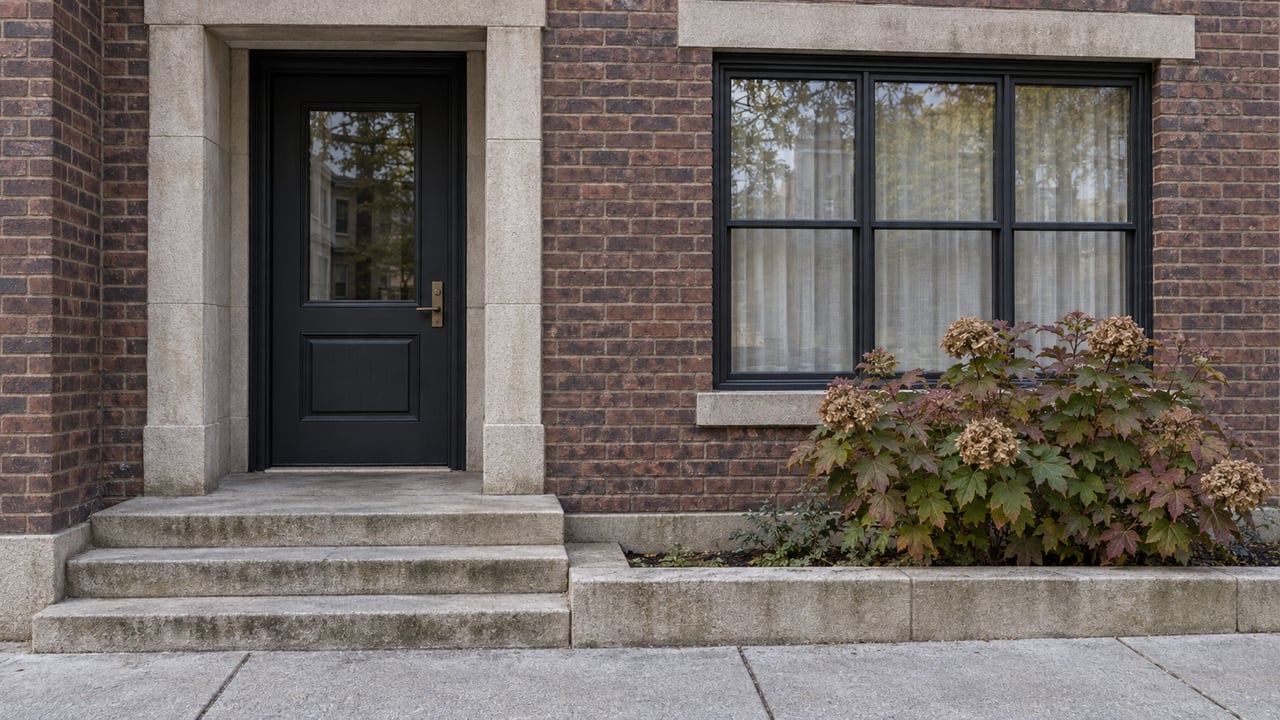
The median year built is 1962, and 35.3% of homes were built before 1940. That means the neighborhood includes a notable mix of older buildings, mid-century housing, and newer infill. As you explore available homes, you may find that building style and age are a meaningful part of the decision, especially if you care about layout, architectural details, or updated systems.
What Everyday Living Really Feels Like
On a practical level, Lakeview tends to work best for people who want their neighborhood to do more for them. You can build routines around transit, walk to restaurants and entertainment, spend time near the lakefront, and choose from a housing stock that is largely designed for city living. That combination is a big part of the neighborhood’s staying power.
It also helps that Lakeview is not locked into just one pace. Some parts feel more residential in rhythm, while others are more active and entertainment-driven. That variety gives you room to prioritize what matters most in your own day-to-day life.
If you are weighing Lakeview against other Chicago neighborhoods, this is where local guidance can save you time. The right block, building type, and transit access can shape your experience just as much as the neighborhood name itself. When you are ready to compare options, Vesta Preferred Realty can help you narrow in on the Lakeview fit that matches your goals.
FAQs
What is everyday life like in Chicago’s Lakeview neighborhood?
- Everyday life in Lakeview often centers on walkability, transit access, lakefront routines, dining, and entertainment, with a strong urban feel shaped by many renters, smaller households, and multifamily housing.
Can you live in Lakeview Chicago without a car?
- Often yes. CMAP data shows 40.4% of Lakeview households have no vehicle available, while many residents use transit, walk, bike, or work from home.
Is Lakeview Chicago mostly apartments or houses?
- Lakeview is mostly apartments and condos. Multifamily buildings dominate the housing stock, while detached single-family homes make up a small share of homes in the neighborhood.
What are the busiest parts of Lakeview Chicago?
- Some of the most active parts of Lakeview include Southport Corridor, the Wrigley Field area, the lakefront, Broadway, Clark, and Northalsted.
What kind of homes are common in Lakeview Chicago?
- Common home types in Lakeview include studios, one-bedroom and two-bedroom units, condos, apartments, walk-ups, courtyard buildings, and larger multifamily buildings.
Why do buyers and renters consider Lakeview Chicago?
- Many buyers and renters consider Lakeview for its transit access, lakefront proximity, varied activity areas, entertainment options, and housing that supports a convenient city lifestyle.