Thinking about buying a two-flat or three-flat in Logan Square? You are not alone. This part of Chicago has long been a draw for investors and owner-occupants who want rental income, neighborhood convenience, and a property type with deep local roots. If you are weighing your next move, this guide will help you understand why small multi-unit buildings matter here, what numbers to watch, and how to evaluate opportunities with more confidence. Let’s dive in.
Why Logan Square Stands Out
Logan Square is one of Chicago’s most notable neighborhoods for small multi-unit housing. In 2024, 39.2% of local housing units were in 2-4 unit buildings, making that the largest property-type share in the neighborhood. That matters because it means this is not a niche product here. It is a core part of the local housing stock.
The area also has strong renter demand. Logan Square has 72,010 residents, and 61.8% of households are renter-occupied. For investors, that points to a large renter base in a neighborhood where small multi-unit buildings are already a familiar and established housing option.
Accessibility is another big part of the appeal. Logan Square scores highly for walkability, transit, and biking, with Blue Line access often cited as a major draw for renters. When you invest in a building here, you are buying into a location that many tenants already value for day-to-day convenience.
Why 2-4 Units Matter
Small multi-unit buildings play an important role in Logan Square’s housing market. They offer a middle ground between a single-family home and a larger apartment building. For many buyers, that can mean a more manageable entry point into investment property ownership.
These properties also matter because affordability pressure has increased in the broader Logan Square and Avondale area. According to DePaul’s Institute for Housing Studies, the share of affordable rental units fell from 40.4% in 2012-2014 to 25% in 2019-2021. That decline shows why existing 2-4 unit buildings remain strategically important when you are thinking about rental demand and long-term neighborhood relevance.
Activity levels suggest there is real momentum in this segment. In 2024, Logan Square saw 240 sales and 348 mortgages for 2-4 unit buildings. That tells you the market is active, but still specialized enough that local knowledge and careful analysis can make a difference.
What These Buildings Usually Look Like
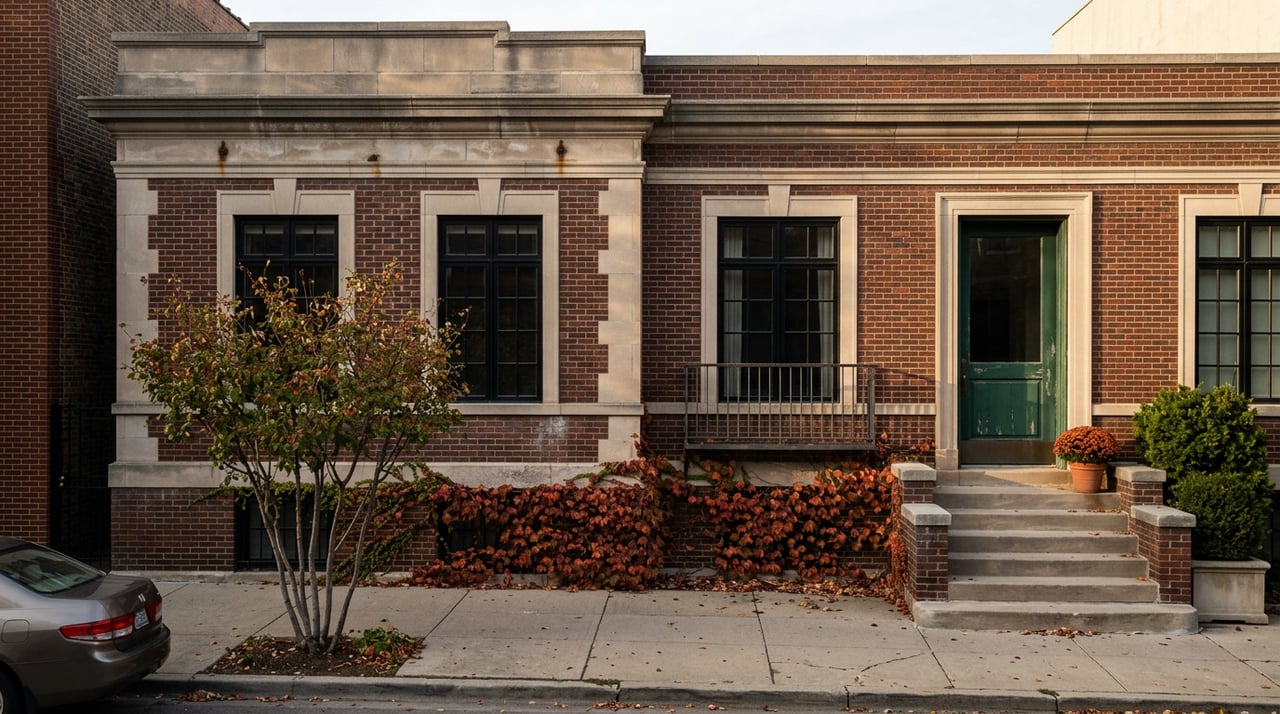
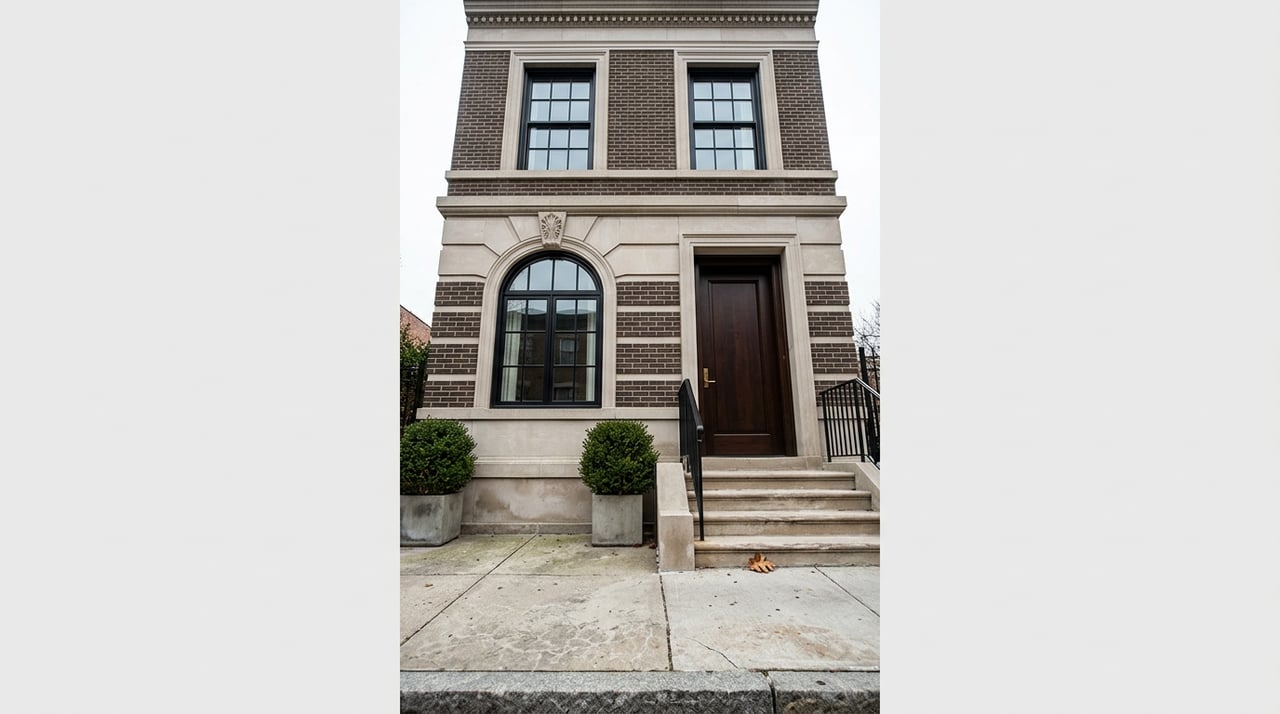
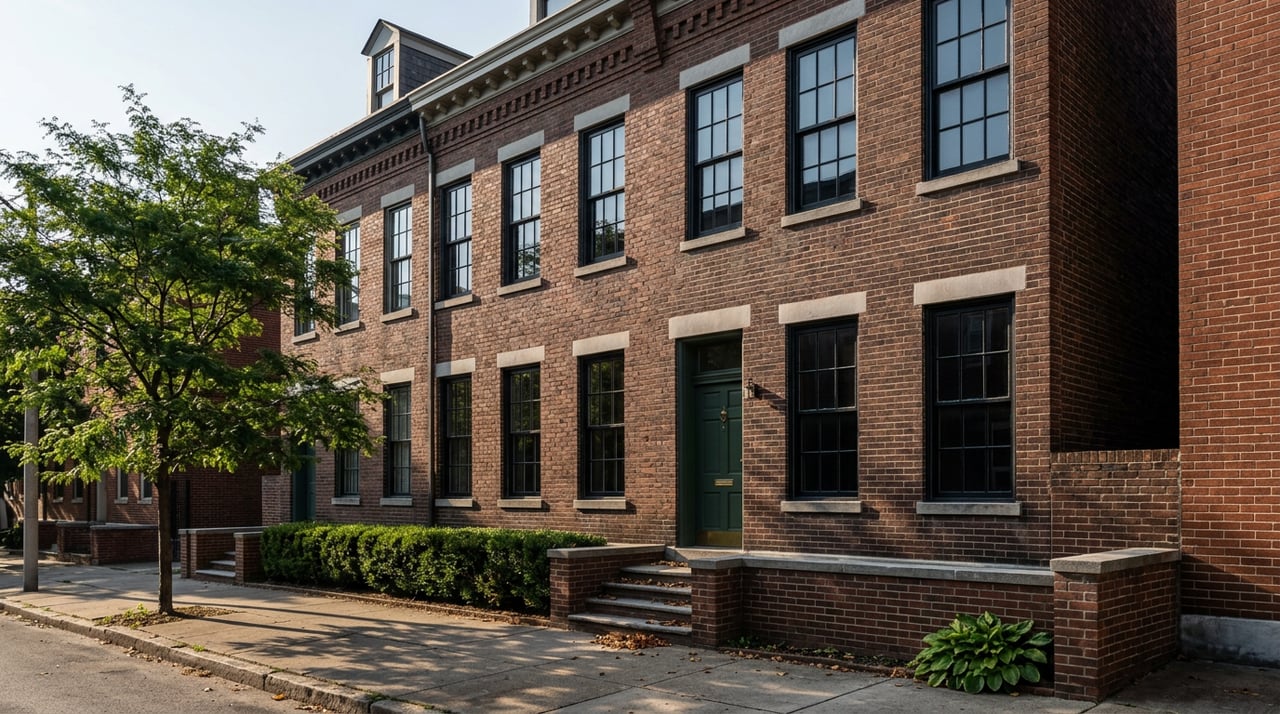
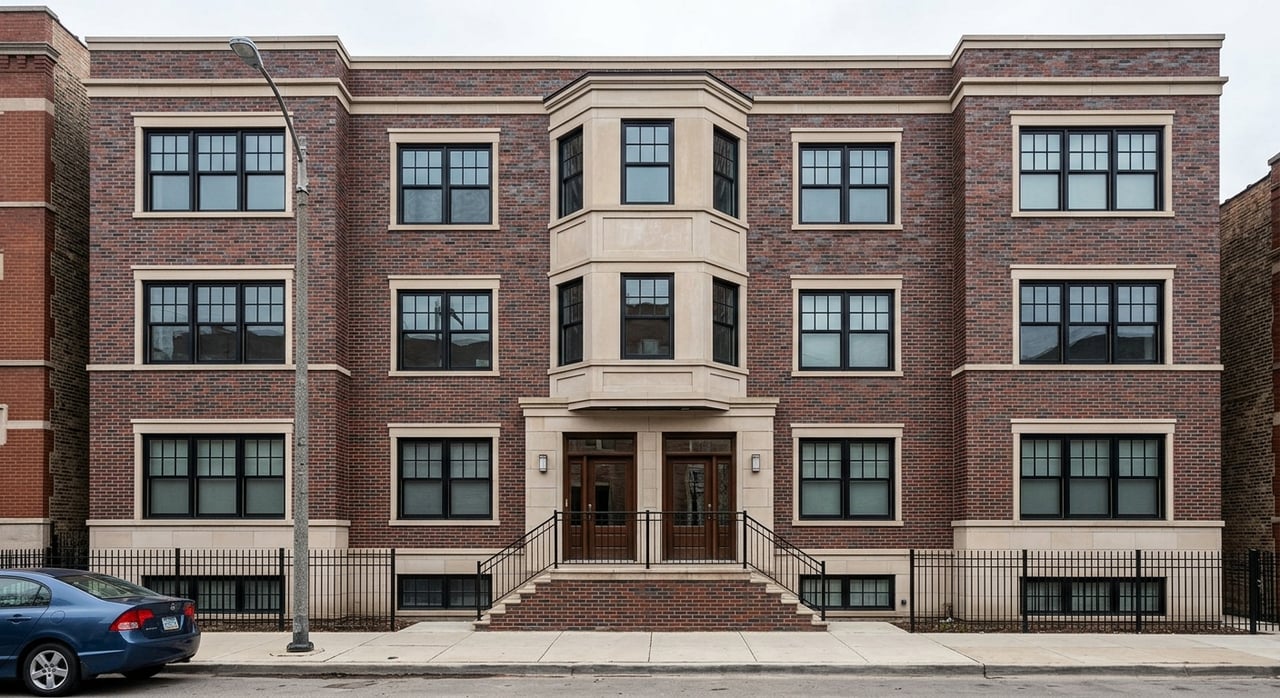
If you shop for small multi-unit properties in Logan Square, you will often see classic Chicago two-flats and three-flats. These are typically vintage brick or stone buildings with features like side entries, rear porches, and projecting bay windows. They were historically designed as income-producing homes, which is one reason they still appeal to investors today.
Inside, layouts often include full-floor units, shared basement space, and attic or lower-level areas that may be finished or partially finished. Some buildings blend living space, storage, and possible expansion potential, but that potential needs to be evaluated carefully. Not every extra space translates into legal or practical income-producing square footage.
Age is part of the package. Research on Chicago’s 2-4 unit stock shows that these are often among the oldest buildings in a community. That vintage character can be a major selling point, but it can also mean older systems, more deferred maintenance, and a longer due diligence checklist.
Rent Potential in Logan Square
For many buyers, the first question is simple: what could the building bring in? As of May 2026, average apartment rents in Logan Square were reported at:
- $1,766 for a 1-bedroom
- $2,236 for a 2-bedroom
- $2,547 for a 3-bedroom
Based on those averages, a classic two-flat with two 2-bedroom units could suggest about $4,472 per month in gross rent. A three-flat with two 2-bedroom units and one 3-bedroom unit could suggest about $7,019 per month in gross rent.
Those are useful starting points, but they are only gross-rent illustrations. They do not tell you what you will actually keep after expenses. Before you get too excited about top-line income, you need to understand what the property still looks like after vacancy, taxes, insurance, repairs, utilities, and capital improvements.
Purchase Prices and Deal Reality
Logan Square’s small multi-unit market can be attractive, but it is not cheap. Current market data shows 22 multi-family homes for sale in the neighborhood with a median listing price of $900,000. At the same time, listing examples in the current market include a 2-unit property at $450,000 and a 3-flat at $599,900, which shows there can be a wide range depending on condition, size, and location within the neighborhood.
That spread is important. A lower purchase price may come with higher repair costs, more operational issues, or less stable rent potential. A more polished building may look easier on day one, but the price may leave less room for upside.
This is why disciplined underwriting matters so much in Logan Square. The goal is not just to buy a building with income. The goal is to buy one where the numbers still make sense under realistic assumptions.
How to Underwrite Conservatively
When you evaluate a 2-4 unit building, start with achievable rents, not best-case rents. Verify the current rent roll, compare unit sizes and layouts to neighborhood norms, and make sure any projected increase has a clear basis. A deal can look strong on paper if you assume too much too fast.
You should also stress-test the building with a conservative expense model. Focus on core costs such as:
- Vacancy
- Property taxes
- Insurance
- Repairs and maintenance
- Utilities, especially if they are not separated
- Future capital spending for major systems
In an older building, capital costs can change the story quickly. A roof issue, masonry work, plumbing updates, or electrical improvements can reshape your return much faster than a cosmetic upgrade can improve it.
Financing for Small Multi-Units
If you plan to buy a 2-4 unit property as your primary residence, rental income from other units may help support your financing when it is properly documented. The key is documentation. Lenders generally review income, assets, employment, credit history, and monthly expenses as part of the repayment analysis.
For some buyers, this creates an appealing path into ownership. Living in one unit while renting out the others can help offset monthly costs. That said, you still want to make sure the property works for your budget even if rents come in lower than expected or repairs arrive earlier than planned.
A lender can help you understand what income may count and what paperwork will be required. Early financing clarity can save you time and help you target buildings that match your real buying power.
Value-Add Opportunities to Consider
The most common value-add plays in Logan Square small multi-unit buildings are usually practical, not flashy. In many cases, the best improvements are cosmetic or operational updates that make the property cleaner, more efficient, and easier to lease.
Common examples include:
- Paint and flooring updates
- New lighting
- Kitchen and bath refreshes
- Appliance replacements
- Laundry improvements
- Common-area cleanup
- Selective mechanical upgrades
Some owners also look at utility separation, layout changes, or finishing partially usable space. Those ideas can be worth exploring, but only if they line up with code requirements, permit needs, and realistic rent upside. In a vintage Chicago building, not every improvement produces a return that justifies the cost.
Why Permits and Inspections Matter Early
In Chicago, renovation and alteration work may require permits, and some projects may need plans prepared by an architect or engineer. That means your inspection process should do more than identify visible defects. It should also help you understand which repairs or upgrades may trigger additional city requirements.
This matters before closing, not after. If a project looks simple but actually involves permit review, code corrections, or a more specialized contractor scope, your budget and timeline can shift quickly. Knowing that up front helps you avoid buying into a surprise.
It is also smart to evaluate any finished attic, basement, or lower-level space carefully. These areas may add utility and appeal, but you want a clear understanding of how they are currently used and what would be required for any future changes.
A Smart Approach in Logan Square
The strongest small multi-unit investments in Logan Square are often built on discipline, not hype. This neighborhood has real demand, a deep supply of classic 2-4 unit buildings, and a housing stock that remains highly relevant. But it also has rising affordability pressure, older buildings, and pricing that leaves less room for mistakes.
If you are considering a purchase here, focus on the basics. Buy based on verified rents, realistic expenses, and a clear repair picture. When you combine local market knowledge with careful underwriting, you put yourself in a much better position to choose a building that supports your goals.
If you want help evaluating a Logan Square two-flat, three-flat, or 4-unit opportunity, Vesta Preferred Realty can help you navigate the numbers, the neighborhood, and the next steps with a full-service, Chicago real estate team.
FAQs
What makes Logan Square good for small multi-unit investing?
- Logan Square has a large share of 2-4 unit buildings, a renter-occupied rate of 61.8%, strong walkability and transit access, and an active market for small multi-unit sales and mortgages.
What rent levels should you expect in Logan Square multi-unit buildings?
- As of May 2026, average neighborhood rents were $1,766 for a 1-bedroom, $2,236 for a 2-bedroom, and $2,547 for a 3-bedroom, which can help you build rough gross-rent estimates.
What should you watch for in older Logan Square two-flats and three-flats?
- You should pay close attention to deferred maintenance, older mechanical systems, shared utilities, and any attic or basement space that may need closer review for condition and compliance.
What value-add improvements are common in Logan Square 2-4 unit properties?
- Common updates include paint, flooring, lighting, kitchens, baths, appliances, laundry, common-area improvements, and selective mechanical work.
What should you verify before buying a Logan Square small multi-unit building?
- You should verify current rents, review realistic market rent support, estimate expenses conservatively, inspect the building thoroughly, and understand whether planned renovations may require permits or professional plans.