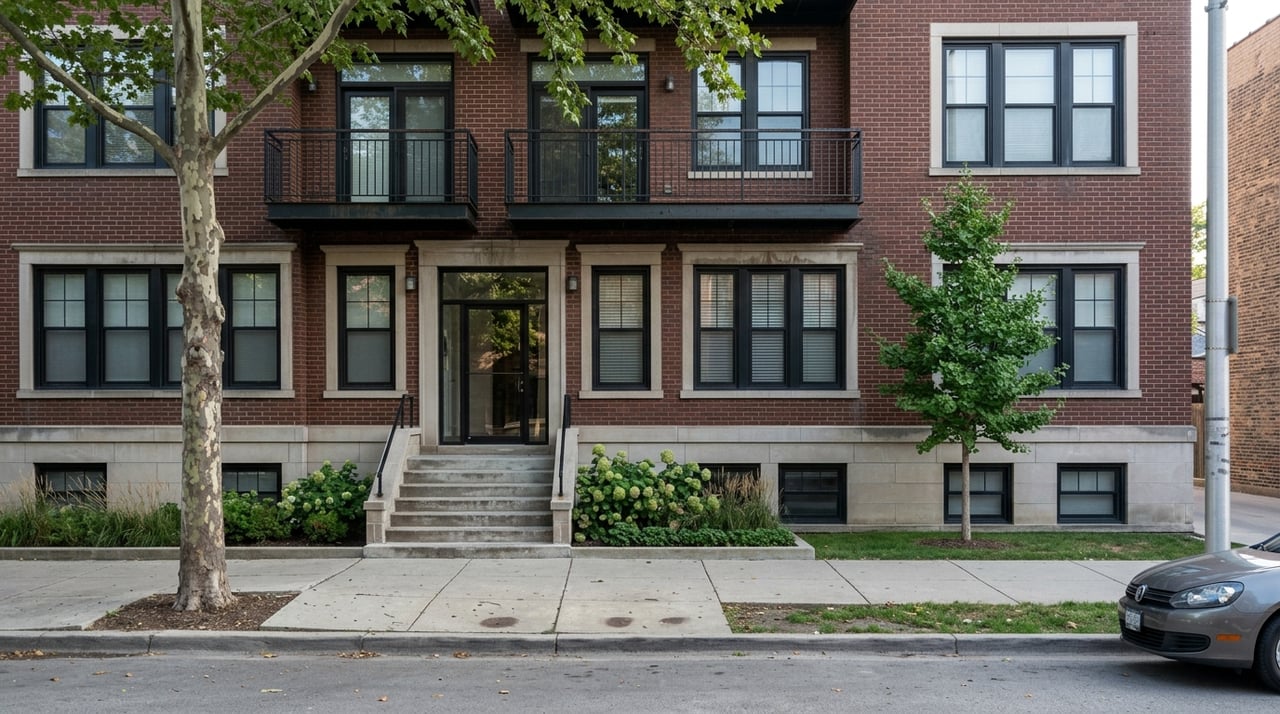
If you want Chicago lakefront access without giving up neighborhood convenience, Lincoln Park is one of the clearest places to look. You get beaches, trails, major park space, transit options, and busy commercial streets all in one area. For buyers and renters, that mix can be exciting, but it also means understanding how daily life, housing choices, and pricing shift closer to the water. Let’s dive in.
Why lakefront living stands out
Living near the lake in Lincoln Park is not just about a view. It is about being close to public spaces that shape how you spend your time before work, after dinner, and on weekends.
The Chicago Park District says Chicago’s shared Lake Michigan lakefront includes about 26 miles of shoreline, 18 miles of recreational trails, and 29 beaches. In Lincoln Park, that experience centers on places like North Avenue Beach, the Lakefront Trail, Lincoln Park Zoo, Lincoln Park Conservatory, Alfred Caldwell Lily Pool, and North Pond Nature Sanctuary.
That means your routine can feel more active and more connected to the outdoors. Morning runs, dog walks, bike rides, and evening walks with skyline views become realistic parts of daily life, not just occasional weekend plans.
What daily life looks like
Lincoln Park offers a rhythm that blends city living with outdoor access. You are close to commercial streets, restaurants, and errands, but the lakefront remains a major part of how the neighborhood functions.
North Avenue Beach is one of the area’s best-known public destinations. It is open from 6 a.m. to 11 p.m., and swimming is allowed only during beach season when lifeguards are on duty from 11 a.m. to 7 p.m., from the Friday before Memorial Day through Labor Day.
The lakefront also draws heavy use in warmer months. The Park District specifically notes that bikers, runners, walkers, and rollerbladers use the trail near North Avenue Beach, so you should expect a lively public setting rather than a quiet, tucked-away waterfront.
Lincoln Park amenities near the lake
One of the biggest draws of this part of Lincoln Park is how many public amenities sit close together. You are not choosing between green space and city convenience. In many cases, you get both within a short walk.
Choose Chicago describes Lincoln Park as home to Chicago’s largest public park, with year-round activities, culture, dining, and shopping just north of downtown. That broad mix helps explain why the neighborhood continues to attract both longtime Chicagoans and people relocating into the city.
Lincoln Park Zoo adds to that appeal. The Chicago Park District says the zoo is free and open every day of the year, which gives the neighborhood a unique public amenity that stays active across seasons.
Clark Street adds convenience
Clark Street helps balance the outdoor side of lakefront living with practical day-to-day needs. Choose Chicago says the corridor is steps from the lakefront and includes more than 100 restaurants, boutiques, cafes, and neighborhood businesses.
That matters if you want a walkable routine. You can enjoy the park and lakefront, then move easily into dining, errands, or coffee without needing to leave the neighborhood.
Housing near the lake
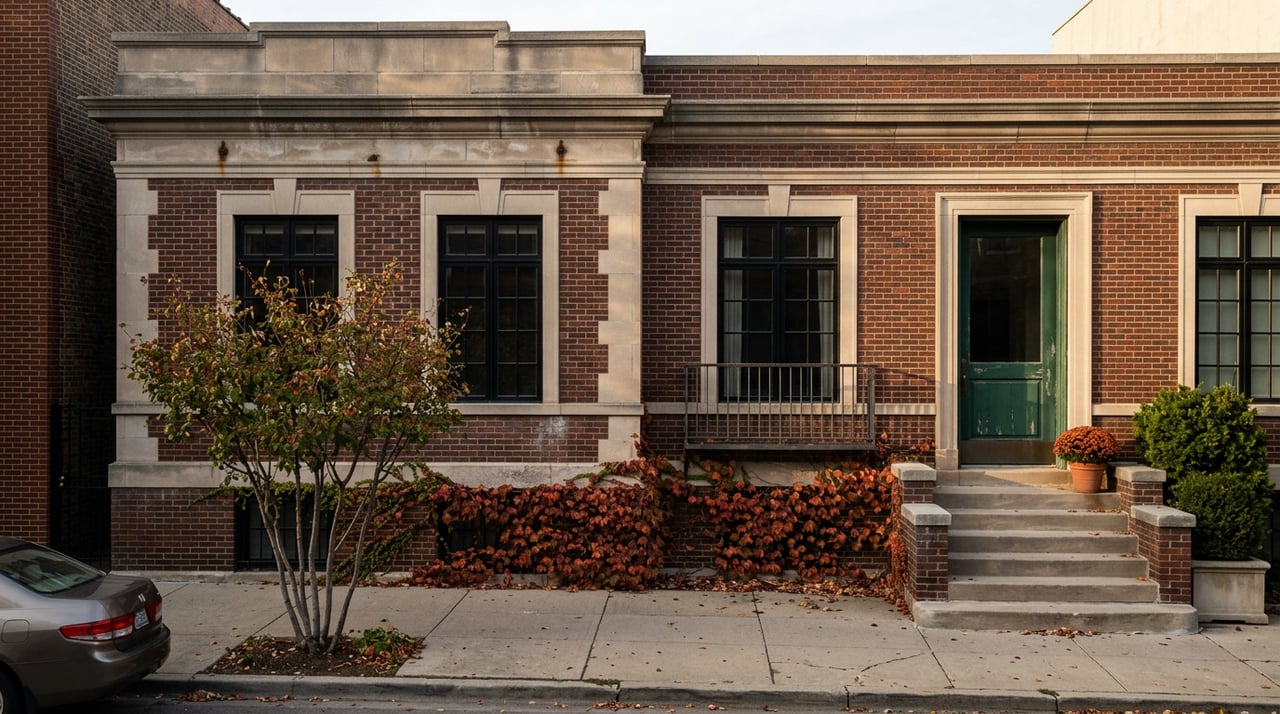
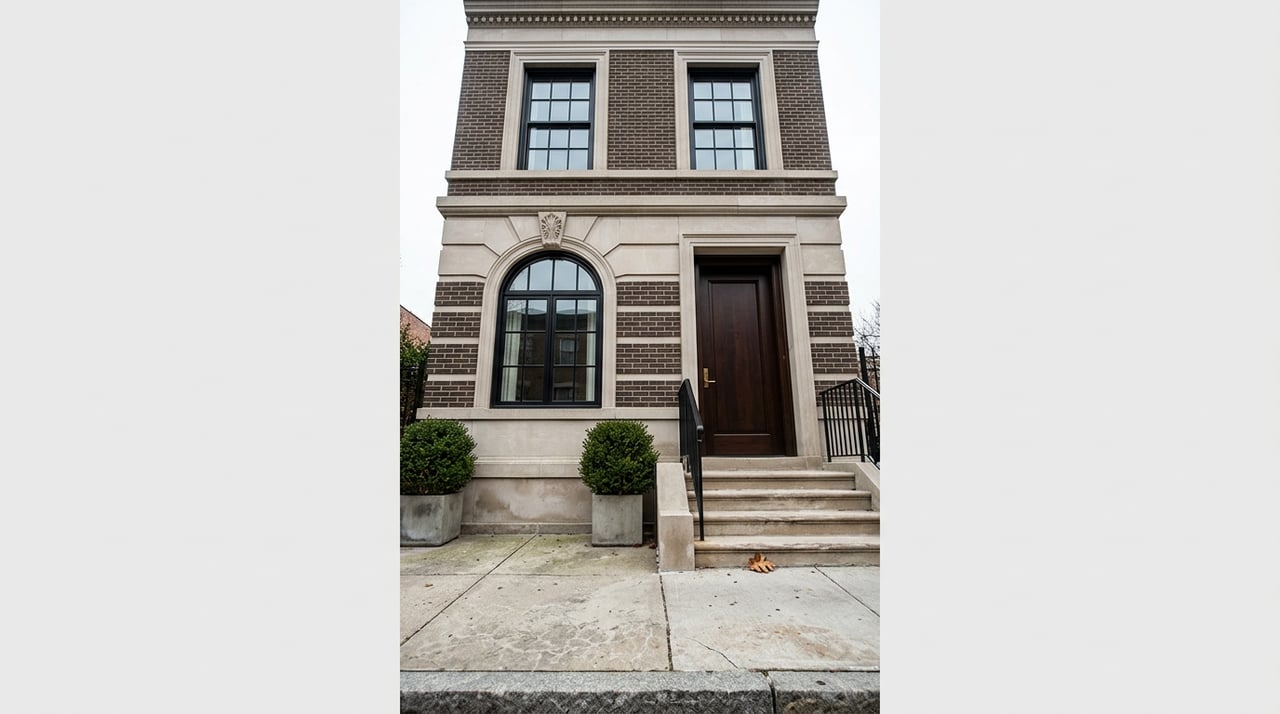
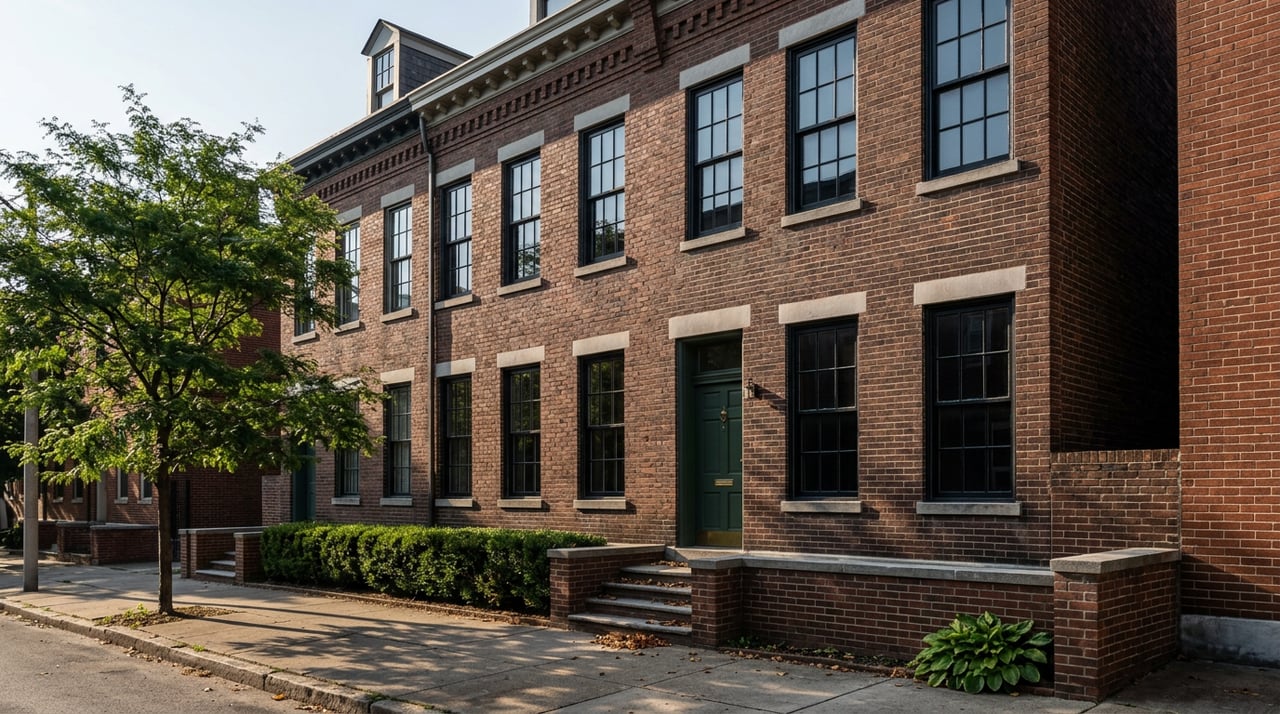
Housing near the lake in Lincoln Park tends to feel different from housing on interior blocks. The neighborhood’s development history includes older residential blocks, urban renewal, and later redevelopment near the park, which helps explain the mix you see today.
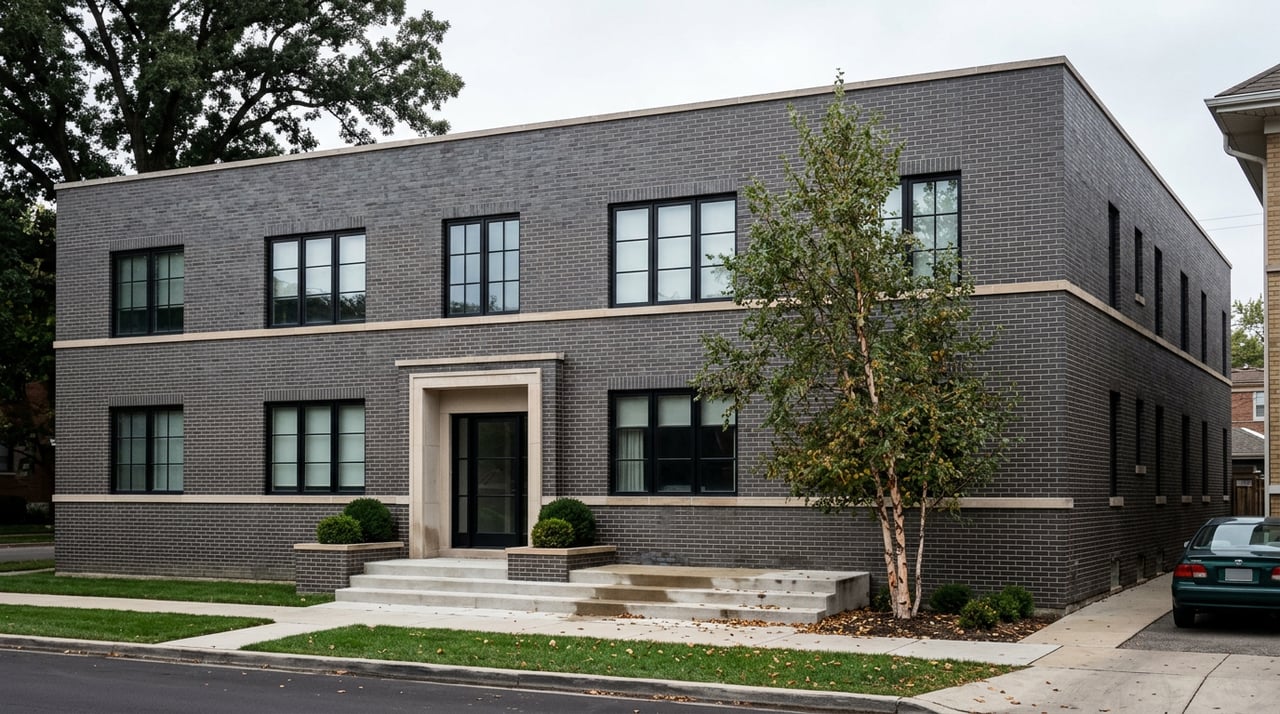
In practical terms, that often means older low-rise housing mixed with newer condo and apartment buildings. The lakefront side can feel more amenity-rich and more dense, while interior blocks may lean more toward vintage character and somewhat lighter foot traffic.
For buyers, that distinction matters. A home closer to the lake may compete on views, building amenities, and direct park access, while a property farther west may appeal more for its layout, building style, or block feel.
Buyers should expect block-by-block variation
Lincoln Park is not a one-price neighborhood. Exact pricing can change quickly depending on unit type, building condition, and whether the property sits closer to the park or lake.
Zillow’s Lincoln Park market snapshot, updated May 31, 2026, puts the typical home value at $668,994 and the median sale price at $777,333. Homes were going pending in about 6 days, and 56.9% of sales were above list price.
Redfin reported a three-month median sale price of $793,000 for the period ending April 2026. The figures are not identical, but together they point to a premium, fast-moving market where preparation matters.
Renting near the lake
Lincoln Park is also a major draw for renters who want walkability, transit, and outdoor access in one neighborhood. If you are comparing options, it helps to think in ranges instead of expecting one exact number to define the market.
Apartments.com reported that as of April 2026, average asking rent in Lincoln Park was about $1,661 for studios, $2,496 for one-bedrooms, $3,915 for two-bedrooms, and $4,850 for three-bedrooms. Since rental platforms use different inventories and methods, those numbers are best used as a broad guide.
For many renters, the tradeoff is straightforward. You may pay more for proximity to the lakefront, but you also gain easier access to beaches, trails, park space, and a more car-light daily routine.
Commuting from Lincoln Park
One reason Lincoln Park stands out among lakefront neighborhoods is that it offers strong access to transit and downtown. The neighborhood is close enough to support a flexible routine whether you commute daily or only a few times a week.
The Lincoln Park Chamber of Commerce says the neighborhood is about two miles from downtown hotels and tourist destinations. It also highlights access through several 'L' stations, bus routes, bike lanes, the Lakefront Trail, the Clybourn Metra station, and the Kennedy Expressway.
That variety matters. Instead of relying on one train line or one major road, you have multiple ways to move through the city depending on where you live and where you need to go.
Rail options support car-light living
CTA sources confirm rail access through Sedgwick, Armitage, and Diversey on the Brown and Purple Lines, Fullerton on the Brown Line, and North/Clybourn on the Red Line. For many residents, that makes Lincoln Park workable for Loop commutes and everyday errands without depending heavily on a car.
If your goal is a neighborhood where you can mix walking, transit, biking, and occasional driving, Lincoln Park checks a lot of boxes.
Tradeoffs to keep in mind
Living near the lake in Lincoln Park comes with real advantages, but it is smart to understand the tradeoffs too. Public lakefront access is a major benefit, yet it also means sharing those spaces with the rest of the city.
Warm-weather weekends can feel busy near North Avenue Beach and along the Lakefront Trail. Limited parking near the beach is another factor, and the Chicago Park District encourages public transportation.
For some people, that energy is exactly the point. For others, it may make sense to look a little farther from the busiest lakefront edges while still staying within easy reach of the park.
Who this lifestyle fits best
Lincoln Park lakefront living tends to work well if you value convenience, outdoor access, and a strong neighborhood feel in one package. It can be a great fit if you want your free time to start the moment you step outside.
You may want to focus here if you are looking for:
- Walkable access to restaurants, cafes, and everyday errands
- Frequent use of trails, park space, or the beach
- Multiple transit options for commuting
- Condo or apartment choices with a range of building styles
- A neighborhood with active public spaces and year-round amenities
If your priority is quieter streets or more distance from seasonal crowds, the exact block and building will matter just as much as the neighborhood name.
How to approach your search
When you search near the lake in Lincoln Park, it helps to compare homes by lifestyle fit, not just by price. Two homes with similar square footage can feel very different depending on lake proximity, building type, and daily foot traffic nearby.
A smart search usually starts with a few practical questions:
- How close do you want to be to North Avenue Beach or the Lakefront Trail?
- Do you prefer a newer building or vintage character?
- Is transit access a top priority?
- Are you comfortable with a busier summer atmosphere?
- Do you want more direct access to amenities, or a slightly quieter interior block?
The clearer your answers, the easier it becomes to narrow the right part of Lincoln Park for your goals.
If you are weighing a move to Lincoln Park or comparing lakefront options with other Chicago neighborhoods, working with a team that understands block-by-block differences can make the process more efficient. For expert guidance on buying, renting, or selling in Lincoln Park, connect with Vesta Preferred Realty.
FAQs
What is living near the lake in Lincoln Park like?
- Living near the lake in Lincoln Park usually means easy access to beaches, trails, major park space, and busy commercial corridors, with a more active public setting during warmer months.
How much do homes cost in Lincoln Park?
- Zillow reported a typical home value of $668,994 and a median sale price of $777,333 as of May 31, 2026, while Redfin reported a three-month median sale price of $793,000 ending April 2026.
How much is rent in Lincoln Park?
- As of April 2026, Apartments.com reported average asking rents of about $1,661 for studios, $2,496 for one-bedrooms, $3,915 for two-bedrooms, and $4,850 for three-bedrooms.
Is Lincoln Park good for commuting?
- Lincoln Park offers multiple commuting options, including several CTA rail stops, bus routes, bike lanes, the Lakefront Trail, access to Clybourn Metra, and proximity to the Kennedy Expressway.
What are the main advantages of living near North Avenue Beach?
- The main advantages include quick access to the beach, the Lakefront Trail, skyline views, and nearby park amenities, dining, and shopping.
What should buyers and renters compare in Lincoln Park?
- Buyers and renters should compare block-by-block differences such as building type, condition, lake proximity, transit access, amenities, and how busy the surrounding area feels seasonally.