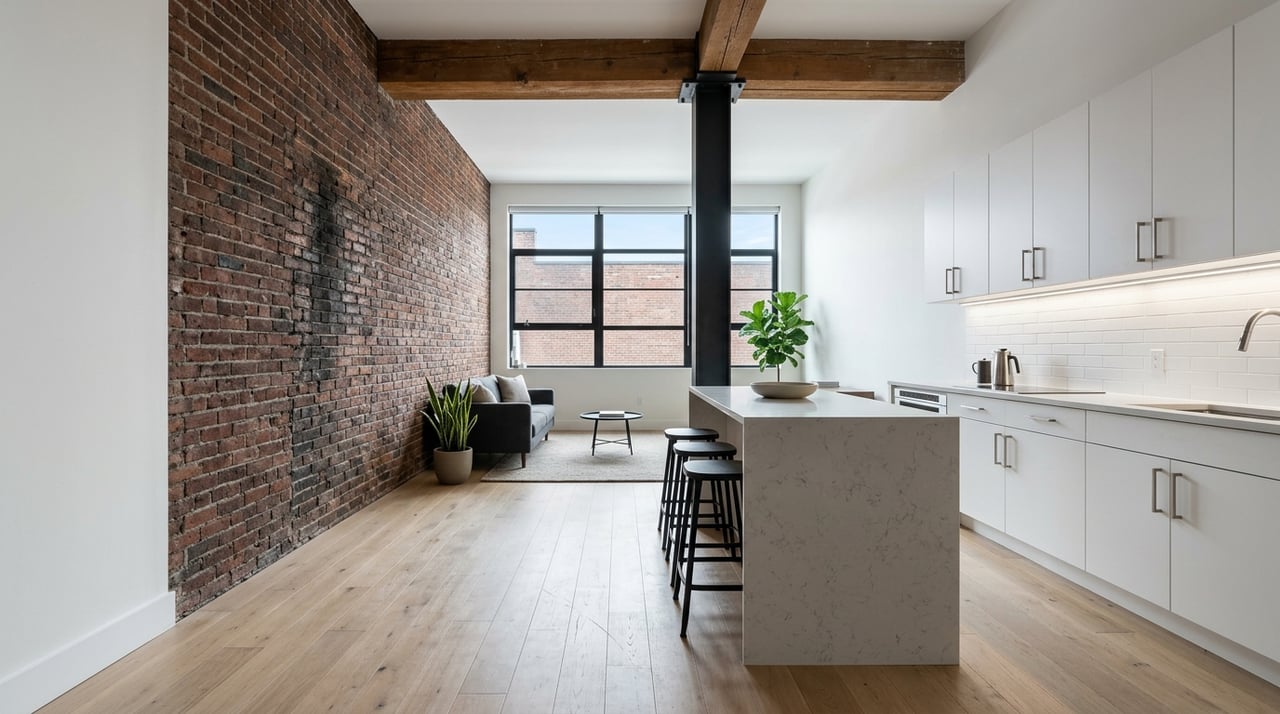
Wondering whether a sleek new condo or a character-filled loft is the better fit in West Loop? You are not alone. This is one of the most common decisions buyers face in a neighborhood where modern residential towers sit alongside converted industrial buildings. If you are weighing lifestyle, monthly costs, future resale, and building risk, this guide will help you compare both paths with more confidence. Let’s dive in.
Why This Choice Matters in West Loop
West Loop is not a one-note neighborhood. It grew from a former industrial and meat-packing district into one of Chicago’s most active condo markets, with a mix of Restaurant Row energy, Fulton Market warehouse reuse, and ongoing residential development.
That blend creates a very specific buying decision. In many neighborhoods, condos feel fairly similar from building to building. In West Loop, the contrast between new construction and conversions can be dramatic, both in style and in how the building operates over time.
The market also moves with purpose. As of June 14, 2026, there were 130 condos for sale in West Loop on Redfin, with a median listing price of $497K. Over the prior three months, the median sale price was $499K, median market time was 44 days, and the area posted a 96 Walk Score and 100 Transit Score.
That means you are often making this decision in a competitive setting. A clear framework can help you move faster without feeling rushed.
What New Construction Usually Offers
New construction condos in West Loop usually appeal to buyers who want a more turnkey experience. These homes often feature contemporary layouts, newer mechanical systems, and finishes that feel polished and consistent throughout the building.
They also tend to benefit from modern energy standards. Chicago’s energy code regulates efficiency in new and renovated residential buildings, and the U.S. Department of Energy describes efficient new homes as high-performance homes built to rigorous standards with third-party verification.
In practical terms, that can mean fewer near-term surprises. Newer systems, building envelopes, and equipment often reduce immediate maintenance uncertainty compared with older buildings that may have more variation in past upgrades.
There is also a lifestyle angle. Many new buildings are designed around convenience, with amenities, package handling, fitness spaces, or outdoor areas that support a lock-and-leave routine.
The Feel of New Construction
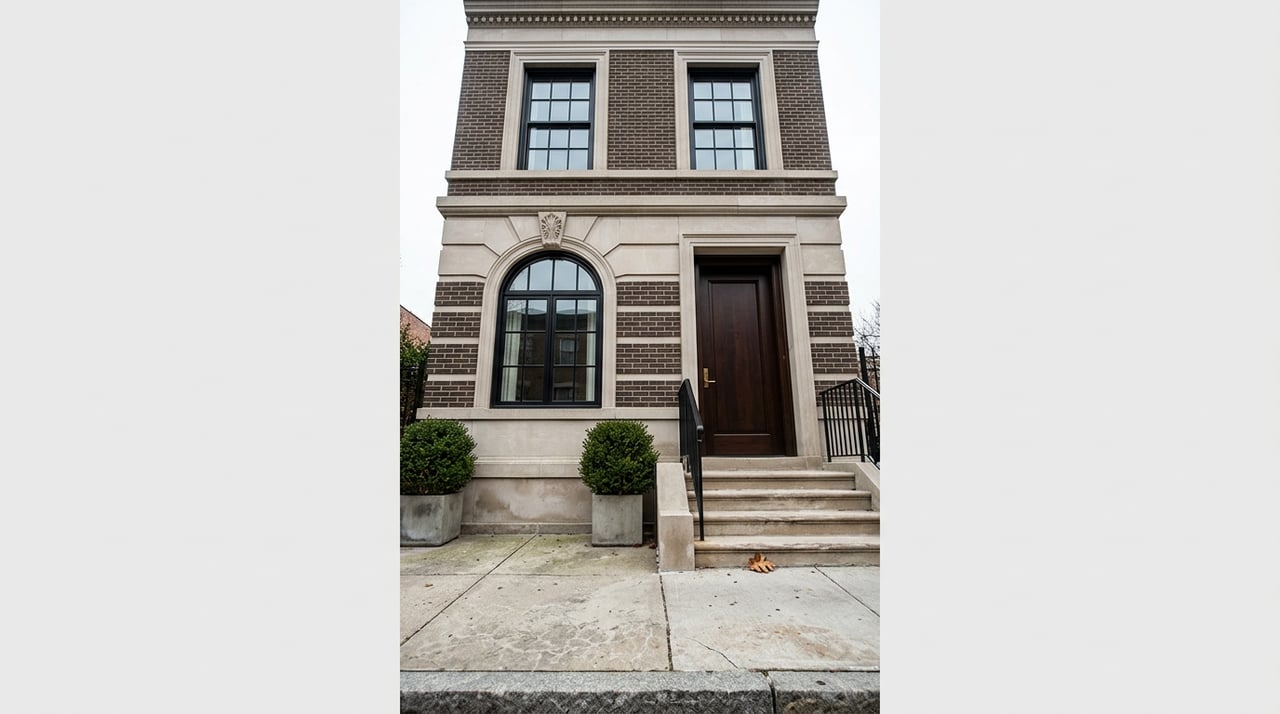
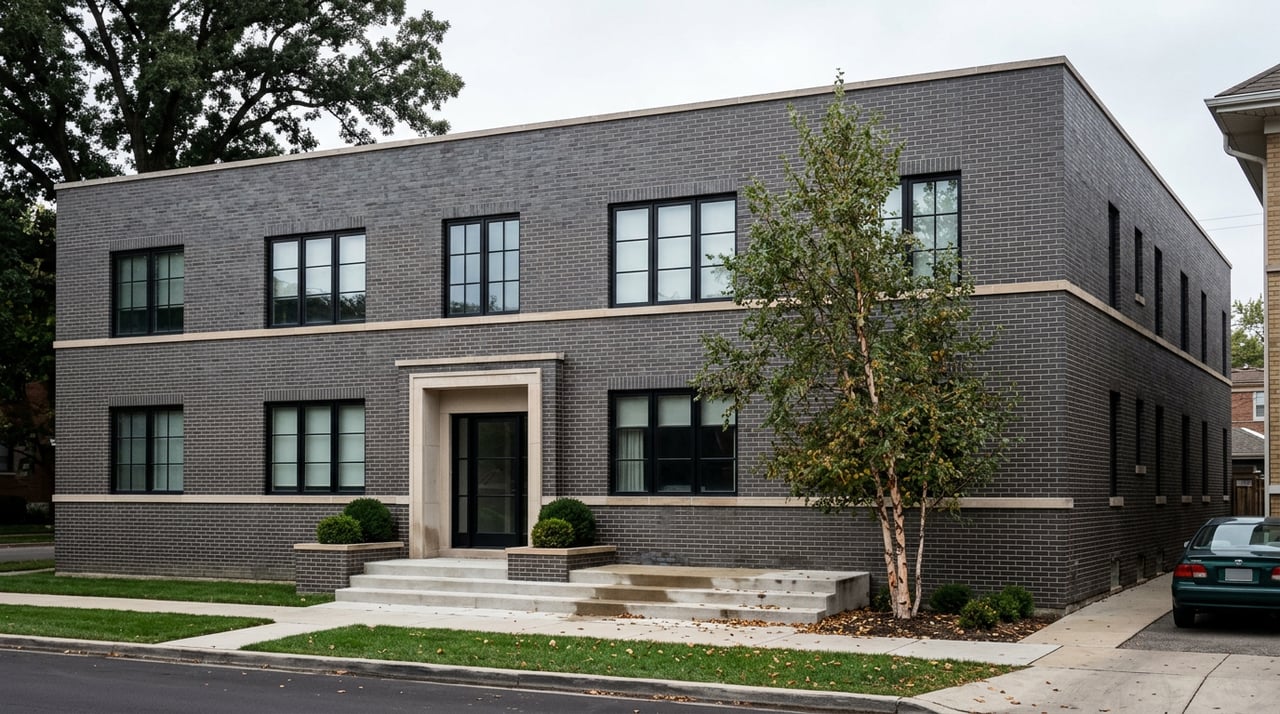
Most new construction in West Loop leans clean, modern, and uniform. You will often see open kitchens, current design trends, and a more standardized look from one unit to the next.
A recent example is Embry, a 16-story, 58-unit building in West Loop with design details like a dark bronze exterior, arched entryways, herringbone wood flooring, ventless fireplaces, hand-carved stone mantels, and multiple outdoor spaces. Axios reported launch pricing from $1.4 million to $7.5 million.
That does not mean every new building is ultra-luxury. It does show how West Loop new development often emphasizes refined finishes and a curated living experience.
What Conversions Usually Offer
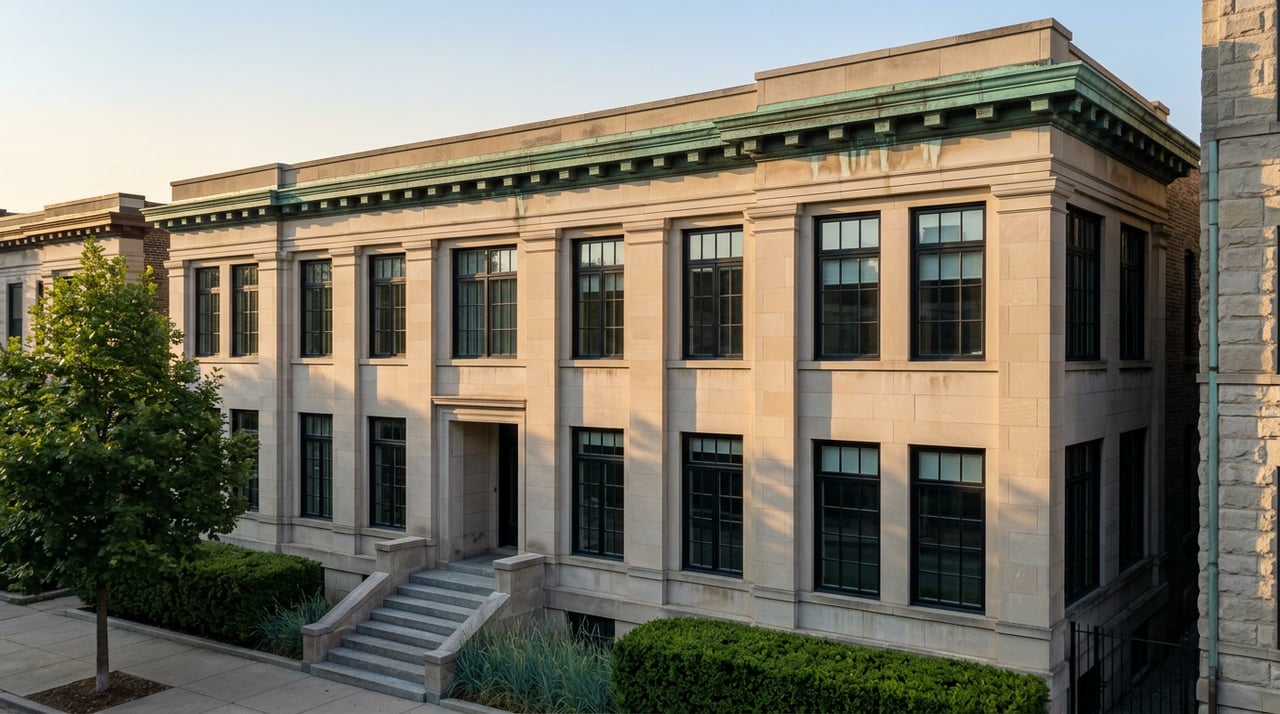
If new construction is about polish, conversions are often about personality. West Loop loft buildings are commonly former industrial or commercial structures converted to residential use, and they tend to deliver features that are hard to replicate in a brand-new building.
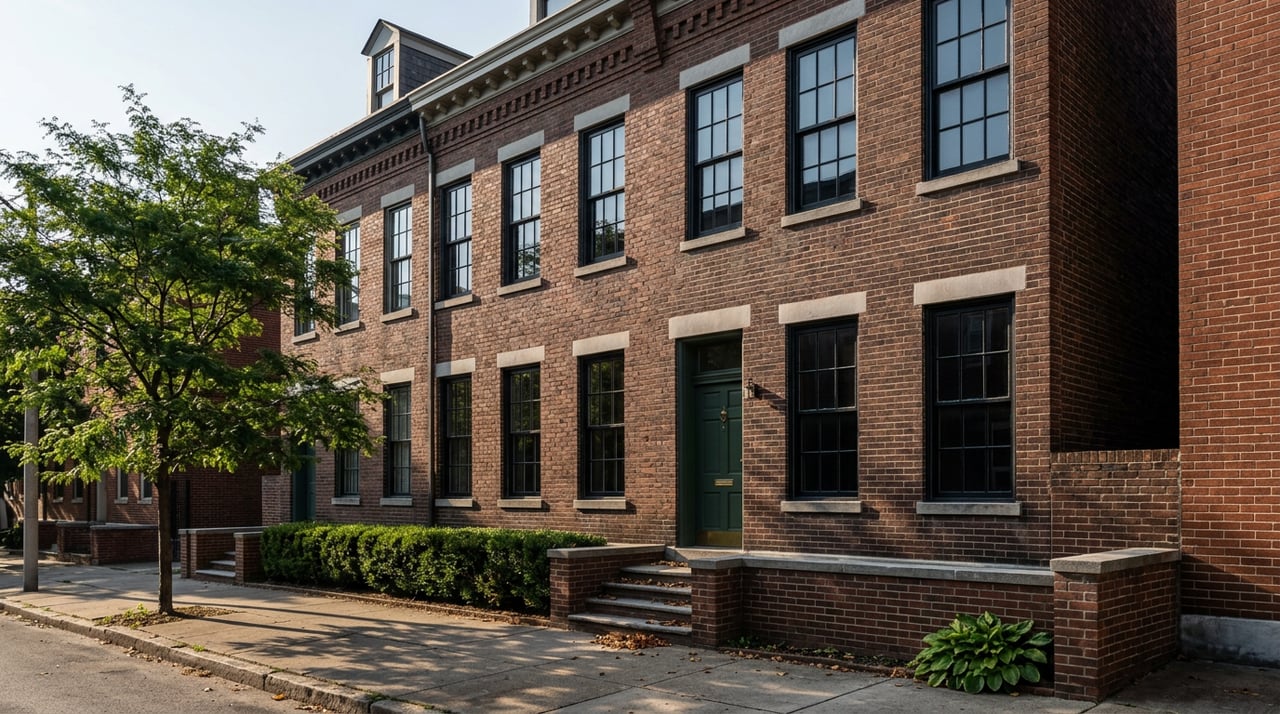
These homes may include exposed brick, timber beams, exposed pipes, tall ceilings, and oversized windows. Preservation Chicago describes many West Loop industrial loft buildings as masonry structures with heavy timber or concrete framing and expansive windows, all traits that once served industrial uses and now attract residential buyers.
That gives conversions a strong sense of place. In a neighborhood shaped by warehouse reuse and industrial architecture, loft living can feel especially tied to West Loop’s identity.
Another difference is variation. Converted buildings often have more unit-to-unit uniqueness, while new construction tends to feel more consistent across the project.
The Feel of Loft Conversions
Loft conversions usually suit buyers who want volume and character over a fully standardized finish package. The appeal is often emotional as much as practical.
You may walk into a loft and immediately notice the ceiling height, the natural light, or the texture of original materials. That industrial aesthetic is a major reason many buyers choose West Loop in the first place.
The tradeoff is that older buildings can vary more in how much of the shell, mechanical systems, and common elements have been updated. Two loft buildings can look similar on the surface but operate very differently behind the scenes.
Comparing Lifestyle Fit
For many buyers, the choice comes down to how you want your home to feel day to day. West Loop’s strong walkability and transit access support both building types, so this is usually less about location access and more about living style.
If you want a move-in-ready home with contemporary finishes and lower near-term maintenance uncertainty, new construction may feel like the easier fit. If you care more about historic texture, open volume, and a home that feels specific to West Loop, a conversion may be the better match.
Neither option is automatically better. The right answer depends on what you value most.
Quick Buyer-Fit Guide
- Choose new construction if you prioritize turnkey condition, contemporary design, and more predictable near-term upkeep.
- Choose a conversion loft if you prioritize industrial character, tall ceilings, oversized windows, and a less uniform feel.
- Compare building health, not just interior style, before making a final decision.
Assessments Matter More Than Many Buyers Expect
One of the biggest mistakes buyers make is judging a condo building by monthly dues alone. A lower assessment can look attractive at first glance, but it does not automatically mean the building is the better value.
HOA fees can reflect many factors, including location, age, condition, amenities, insurance, common-area maintenance, utilities, and reserve contributions. In a new full-amenity building, higher dues may simply reflect a more robust operating budget and reserve plan.
A leaner loft building may have lower monthly assessments, but that does not guarantee lower long-term cost. If major systems or common elements need work later, owners may face special assessments to cover repairs or supplement reserves.
Why Reserve Funds Matter
Illinois condo law requires budgets to provide reasonable reserves for capital expenditures and deferred maintenance. Boards are directed to consider structural and mechanical components, building surfaces, and energy systems and equipment when setting reserve funding.
Illinois law also allows some associations to waive reserve requirements by a two-thirds vote, but that waiver must be disclosed. That makes reserve review an important part of your due diligence.
In simple terms, a building with low dues and weak reserves may not be the bargain it first appears to be. You want to understand not only what you pay each month, but what that budget is actually supporting.
What to Review Before You Buy
In Illinois, resale condo transactions come with an important disclosure package. Under Section 22.1, the seller must provide key association documents and financial information.
This package can give you a much clearer picture of the building beyond the unit itself. It is one of the most useful tools for comparing a new construction condo with a loft conversion on more than looks alone.
Key Items in the 22.1 Package
- Declaration and bylaws
- Lien and unpaid assessment status
- Anticipated capital expenditures for the next two fiscal years
- Reserve fund status
- Prior-year financials
- Pending suits or judgments
- Insurance coverage
- Statement about unit alterations
These documents can help you spot signs of stability or warning flags. They can also show whether a building that seems affordable today could become more expensive later.
Financing and Resale Are Building-Level Issues Too
When buyers think about resale, they often focus on finishes, floor plans, and location. Those things matter, but condo resale strength is also tied to the health of the association.
Fannie Mae’s condo project standards place major emphasis on project-level litigation, critical repairs, deferred maintenance, hotel or motel characteristics, and adequate insurance. Projects with those issues can be ineligible for certain financing.
That matters to you now and later. If financing becomes harder for future buyers in a building with weak reserves or unresolved issues, resale can become more complicated regardless of whether the unit itself is beautiful.
Signs to Compare in Any West Loop Building
- Reserve fund strength
- Upcoming capital projects
- Insurance coverage
- Pending litigation or judgments
- Deferred maintenance issues
- Financing eligibility
This is why long-term value is not just about whether a building is labeled “new” or “loft.” In West Loop, value often comes from the combination of buyer demand and association health.
Energy Efficiency Can Tilt Toward New Construction
If utility performance and operating efficiency are high on your list, new construction often has the edge. The U.S. Energy Information Administration found that newer homes consumed 21% less energy for space heating than older homes on average, largely because of better building shells and heating equipment.
That does not mean every loft conversion is inefficient. It means older buildings vary more depending on how extensively the original structure and mechanical systems were upgraded during conversion or later renovations.
For some buyers, that difference is secondary to character. For others, especially those who want a more predictable ownership experience, it can be a deciding factor.
How to Make the Right Choice for You
The best West Loop condo is not always the newest or the most charming. It is the one that fits your lifestyle, your risk tolerance, and your long-term plans.
If you want modern design, likely stronger energy performance, and less near-term uncertainty, new construction may give you peace of mind. If you want a home with texture, scale, and an industrial feel that reflects West Loop’s roots, a conversion may offer something more distinctive.
The smartest move is to compare both the unit and the building. When you look closely at assessments, reserves, upcoming projects, insurance, and financing eligibility, the right option usually becomes much clearer.
If you are deciding between new construction and a loft conversion in West Loop, working with a team that understands the neighborhood block by block can save you time and help you avoid expensive surprises. Connect with Vesta Preferred Realty for concierge-level guidance as you compare buildings, evaluate disclosures, and find the right fit for your goals.
FAQs
What is the difference between new construction and conversions in West Loop?
- New construction condos usually offer contemporary layouts, newer systems, and a more polished, uniform feel, while conversions often feature exposed brick, timber beams, tall ceilings, and more individual character.
Are loft conversions in West Loop cheaper than new construction condos?
- Not always. A loft building may have lower monthly assessments, but your total cost depends on factors like reserves, special assessments, insurance, and future capital projects.
What should you review before buying a West Loop condo?
- You should review the Illinois Section 22.1 disclosure package, including reserves, financials, anticipated capital expenditures, insurance coverage, pending litigation, and any unpaid assessments.
Do new construction condos in West Loop have better energy efficiency?
- In many cases, yes. Newer homes often benefit from modern building standards, newer equipment, and stronger energy performance, though actual efficiency still depends on the specific building.
Which West Loop condo type is better for resale?
- Resale depends less on whether the building is new or converted and more on buyer demand, reserve strength, insurance, deferred maintenance, litigation, and financing eligibility.
Is West Loop a competitive condo market for buyers?
- Yes. As of June 14, 2026, Redfin reported 130 condos for sale in West Loop, a median listing price of $497K, a median sale price of $499K over the prior three months, and many homes receiving multiple offers.