Trying to choose between Southport Corridor and lakefront living in Lakeview? You are not alone. Both pockets offer the walkability, transit access, and city energy many buyers and renters want, but they feel very different once you picture your daily routine. This guide will help you compare housing, lifestyle, and tradeoffs so you can decide which side of Lakeview fits you best. Let’s dive in.
Lakeview Has Two Distinct Rhythms
Lakeview is Chicago’s largest community area, and it is better understood as a collection of smaller districts than one single, uniform neighborhood. In this comparison, Southport Corridor refers to the retail and residential area centered on Southport Avenue and the Brown Line. Lakefront living refers to the shoreline side of Lakeview East near Sheridan Road, Belmont Harbor, Lake Shore Drive, and the Lakefront Trail.
That distinction matters because your experience of Lakeview can shift a lot depending on which pocket you choose. One side is built around a commercial corridor and nearby residential streets. The other is shaped by the shoreline, parks, trail access, and a more condo and apartment oriented housing mix.
Southport Corridor at a Glance
Southport Corridor centers on Southport Avenue, with the Southport Brown Line station located on Southport between Belmont and Addison near Roscoe. Local chamber materials describe the area as a destination for boutiques, salons, restaurants, and family-oriented spots. It has a lively feel, but it also keeps a neighborhood scale that many people find appealing.
One reason Southport stands out is its small-strip rhythm. You can spend your day grabbing coffee, running errands, browsing shops, and meeting friends for brunch or dinner without leaving the area. The energy is active, but it is more corridor-focused than waterfront-focused.
What housing looks like in Southport
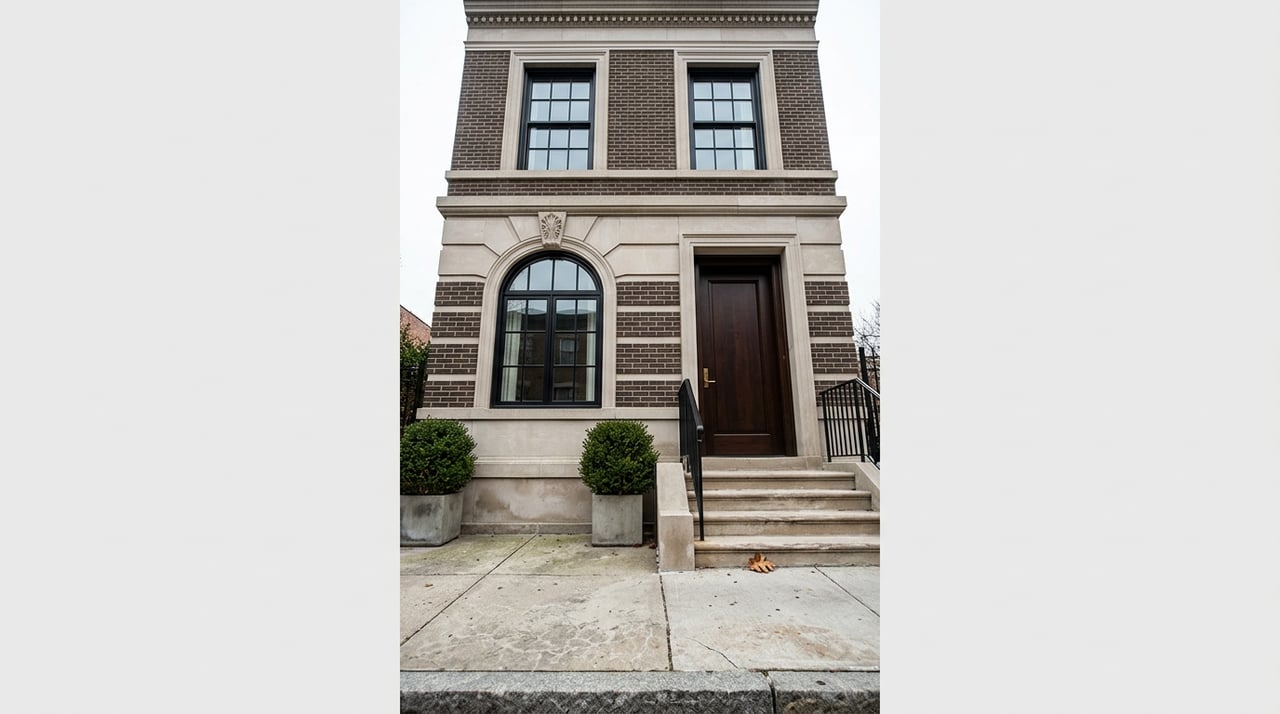
Southport’s housing stock tends to include historic Victorians and brownstones, brick low- and mid-rise condos, two-flats, three-flats, and a limited but meaningful number of single-family homes. Compared with other parts of Lakeview, neighborhood guides note that nearby residential streets may have more longtime residents and fewer rentals.
If you want lower-rise living, Southport often gives you more of that feel. You may have a better chance of finding a single-family home or a condo in a smaller building here than you would closer to the lake. That can be a strong fit if you want a residential block just off a lively main street.
Lakefront Living at a Glance
Lakefront living in Lakeview is oriented around Sheridan Road, Lake Shore Drive, Belmont Harbor, and the shoreline itself. Lakeview East materials describe the Sheridan Station Corridor as a mixed residential, restaurant, and retail pocket. The area is often defined by how close you are to Lake Michigan and the outdoor access that comes with it.
The day-to-day feel is different from Southport. Instead of a routine centered mainly on one shopping and dining strip, life here often revolves around the lakefront, the trail, the harbor, and nearby parks. For many people, that outdoor access is the main draw.
What housing looks like near the lakefront
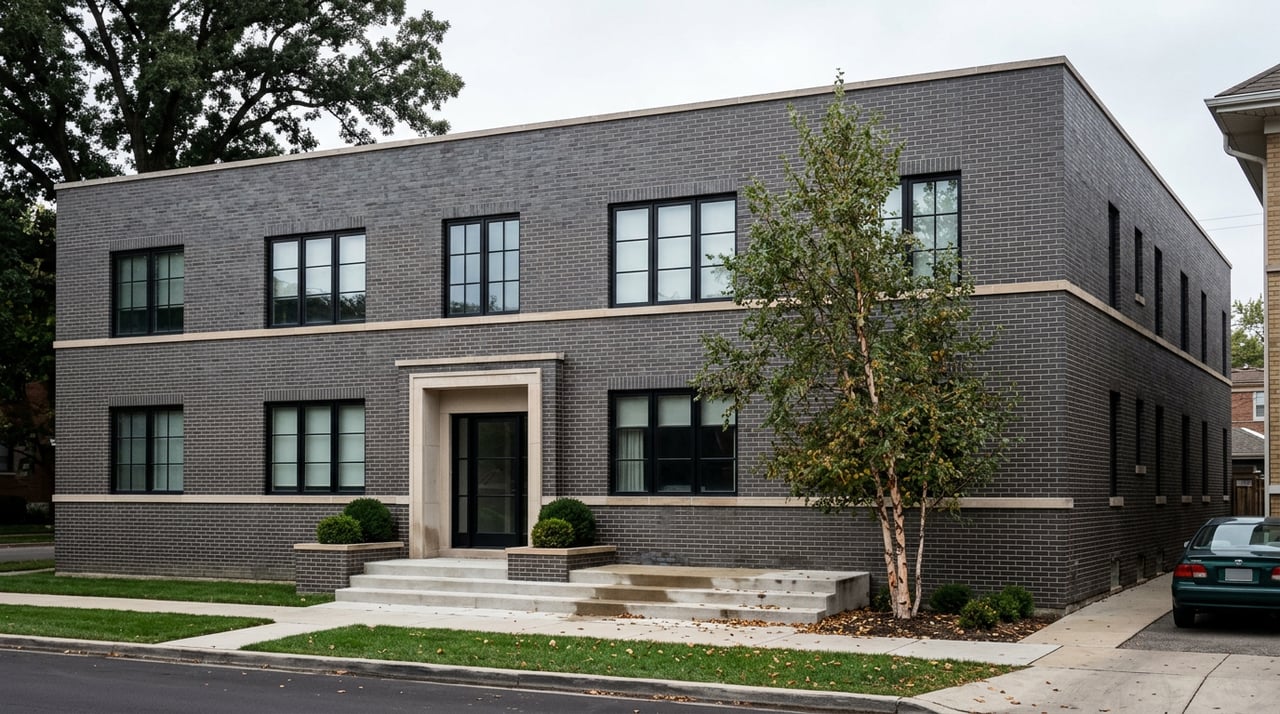
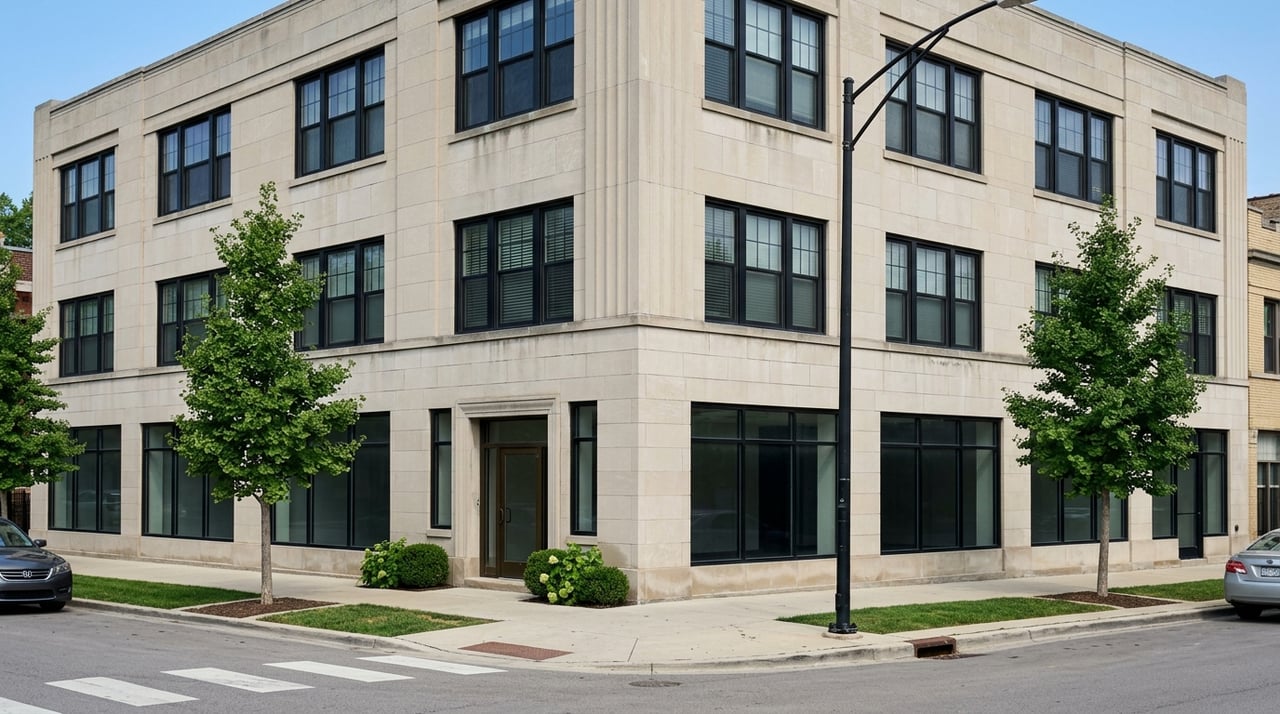
Lakefront inventory tends to lean more heavily toward apartments and condos. Area materials describe a mix of modern apartments and charming vintage buildings, while neighborhood guides characterize the shoreline housing stock as high-rises along the shore with a deep condo market.
If you picture yourself in a building with more shared amenities or want the possibility of water views, the lakefront side of Lakeview may feel like a better match. In general, it offers a more apartment- and condo-heavy environment than Southport. That difference alone can narrow your search quickly.
Walkability Is Strong in Both
Both Southport and the lakefront side of Lakeview are highly walkable. Representative addresses on Southport Avenue and Lake Shore Drive score in the mid-90s on Walk Score, which tells you that errands, dining, and daily needs are easy to reach on foot in either pocket.
The real difference is not whether you can walk. It is what you are walking to. In Southport, walkability centers on shops, restaurants, and daily errands along the corridor. Near the lakefront, walkability often means quick access to parks, the shoreline, beaches, and the trail.
Transit Access Depends on Your Routine
Neither pocket is truly car-dependent. Both areas support a car-light lifestyle, which is one reason Lakeview remains so popular with buyers and renters who want convenience.
Southport tends to lean on the Brown Line, with the Southport station serving as a key anchor for the area. The lakefront side leans more on the Red Line, buses, and trail access. If your daily commute, social life, or weekend plans depend on one style of movement over another, that can make your choice easier.
Daily Life Feels Very Different
Southport Corridor is often the better fit if you want a neighborhood-first routine. The commercial strip gives you boutiques, salons, and dining in a concentrated area, while nearby side streets can feel more residential. For some buyers and renters, that balance is the sweet spot.
Lakefront living has a shoreline-first routine. The Chicago Park District says the Lakefront Trail runs 18 miles and is used daily by commuters, walkers, cyclists, marathon trainers, tourists, and caregivers with strollers. The shoreline also includes about 26 miles of shoreline, 18 miles of recreational trails, and 29 beaches, which helps explain why outdoor access shapes life here so strongly.
Southport’s everyday appeal
Southport often appeals to people who want city living without feeling surrounded by high-rise density. It is lively, but the energy is tied to one main corridor and the surrounding residential streets. That setup can feel more grounded in the neighborhood itself.
If you enjoy a routine built around local dining, shopping, and transit access, Southport checks a lot of boxes. It is especially appealing if you want to be close to activity but not defined by the lakefront or visitor-heavy areas nearby.
The lakefront lifestyle in practice
On the lakefront side, outdoor time can become part of your normal week, not just a weekend event. Access to the trail, harbor, beaches, and open views changes how many people use the neighborhood. Even a quick walk can feel different when the shoreline is part of your route.
This area often works well for people who prioritize recreation and scenery as much as convenience. If you want your home search to focus on access to the lake, biking, walking, or condo-style living, this pocket deserves a close look.
Which Pocket Fits You Best?
The best choice usually comes down to one question: do you want corridor energy or shoreline energy? Southport and the lakefront both offer strong walkability and transit access, but they support different versions of daily life.
Southport may be the better fit if you want:
- A more residential feel one block off a lively commercial strip
- Lower-rise housing options
- A better chance of finding a single-family home or smaller condo building
- A routine built around shops, dining, and the Brown Line
Lakefront living may be the better fit if you want:
- Easy access to the Lakefront Trail, beaches, and Belmont Harbor
- A condo or apartment oriented housing search
- The possibility of water views or a higher-rise setting
- A routine shaped by outdoor recreation and shoreline access
How to Narrow Your Search
If you are still deciding, start by thinking beyond the listing photos. Ask yourself where you want to spend your weekday mornings, how you like to get around, and what kind of building feels most comfortable. In Lakeview, those lifestyle details can matter just as much as square footage.
It also helps to compare a few homes in each pocket side by side. A lower-rise condo near Southport may offer one kind of neighborhood experience, while a lakefront high-rise or vintage condo may offer a completely different one. Seeing both in person often makes the tradeoffs much clearer.
Whether you are buying, selling, renting, or relocating within Chicago, the right move starts with matching your home to the way you actually live. If you want local guidance on Lakeview’s micro-markets, connect with Vesta Preferred Realty for a concierge-style real estate experience built around your goals.
FAQs
What is the difference between Southport Corridor and lakefront living in Lakeview?
- Southport Corridor is centered on Southport Avenue and the Brown Line, with shops, dining, and nearby residential streets shaping the area. Lakefront living is centered on the shoreline side of Lakeview East near Sheridan Road, Belmont Harbor, Lake Shore Drive, and the Lakefront Trail.
Which Lakeview area has more condo and apartment options?
- The lakefront side of Lakeview tends to have more apartments, high-rises, and condos, while Southport generally offers more low- and mid-rise buildings plus a limited number of single-family homes.
Is Southport Corridor or the Lakeview lakefront more walkable?
- Both areas are highly walkable, with representative addresses scoring in the mid-90s on Walk Score. The main difference is whether you want walkability focused on shopping and dining or on parks, trail access, and the shoreline.
Which Lakeview pocket is better for transit access?
- Both are transit-friendly, but Southport tends to lean on the Brown Line, while the lakefront side leans more on the Red Line, buses, and trail access.
Who is Southport Corridor usually best for?
- Southport often fits buyers and renters who want a neighborhood-first routine, lower-rise living, and a more residential feel close to a lively commercial strip.
Who is lakefront living in Lakeview usually best for?
- Lakefront living usually fits people who prioritize access to the Lakefront Trail, beaches, Belmont Harbor, outdoor recreation, and apartment or condo style living.