Search "West Loop home prices" and you'll land on a number in the high $400,000s to low $500,000s. That number is accurate. It is also useless if what you're actually trying to figure out is whether you can raise a family here instead of moving to Naperville or Elmhurst.
The median exists because most West Loop transactions are one-bedroom condos bought by people without kids. The family-sized product this neighborhood is famous for barely shows up in that math, because there isn't much of it, and what does exist is priced nowhere near the median. Two things are happening in the West Loop right now that explain the gap: developers are building a small, specific tier of condos designed to look and function like houses, and they are pricing that tier to a single, publicly known line on a map. If you're comparing this neighborhood to the suburbs using the headline median, you're pricing a product that isn't the one you'd actually buy.
The Median Is Three Markets Wearing One Number
Redfin's three-month rolling data through mid-August 2026 put the West Loop's median sale price at $499,000, up 6.2 percent year over year, with a median price per square foot of $421, up 7.4 percent. For comparison, the city of Chicago's overall median sale price was $345,000 in January 2026, according to the Chicago Association of Realtors. That gap, roughly 36 percent, is the number every West Loop guide leads with.
What that framing skips is that the neighborhood's inventory splits into three products that don't compete with each other and don't sell to the same buyer:
| Segment | Typical price | Who's buying it | What it looks like |
|---|---|---|---|
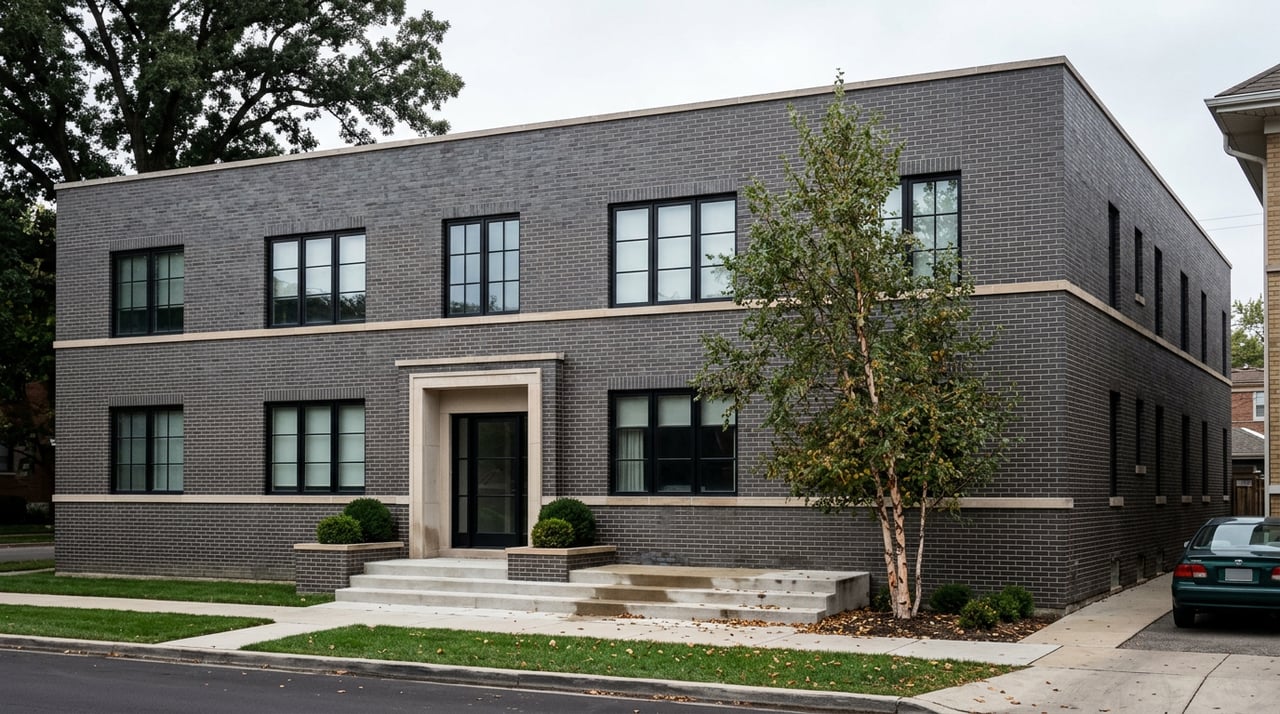
| Entry-level 1BR/2BR | High $300,000s to $650,000 | Young professionals, first-time buyers | Loft conversions, boutique elevator buildings |
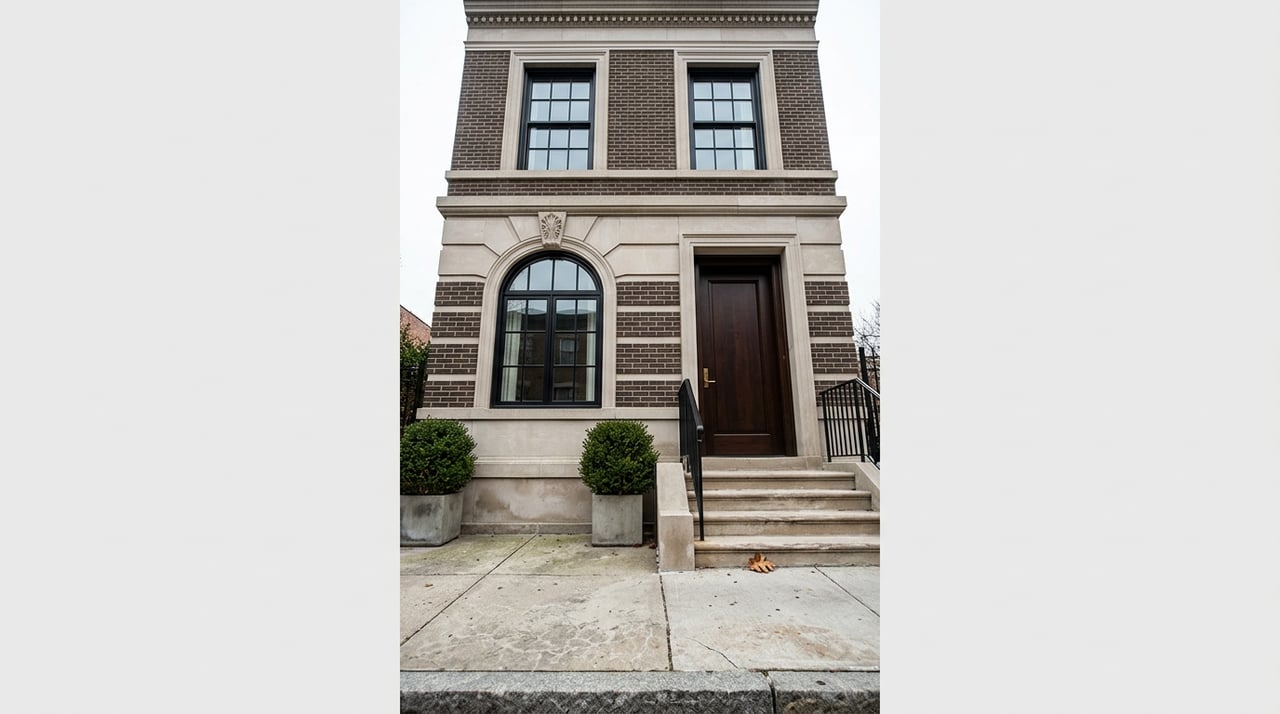
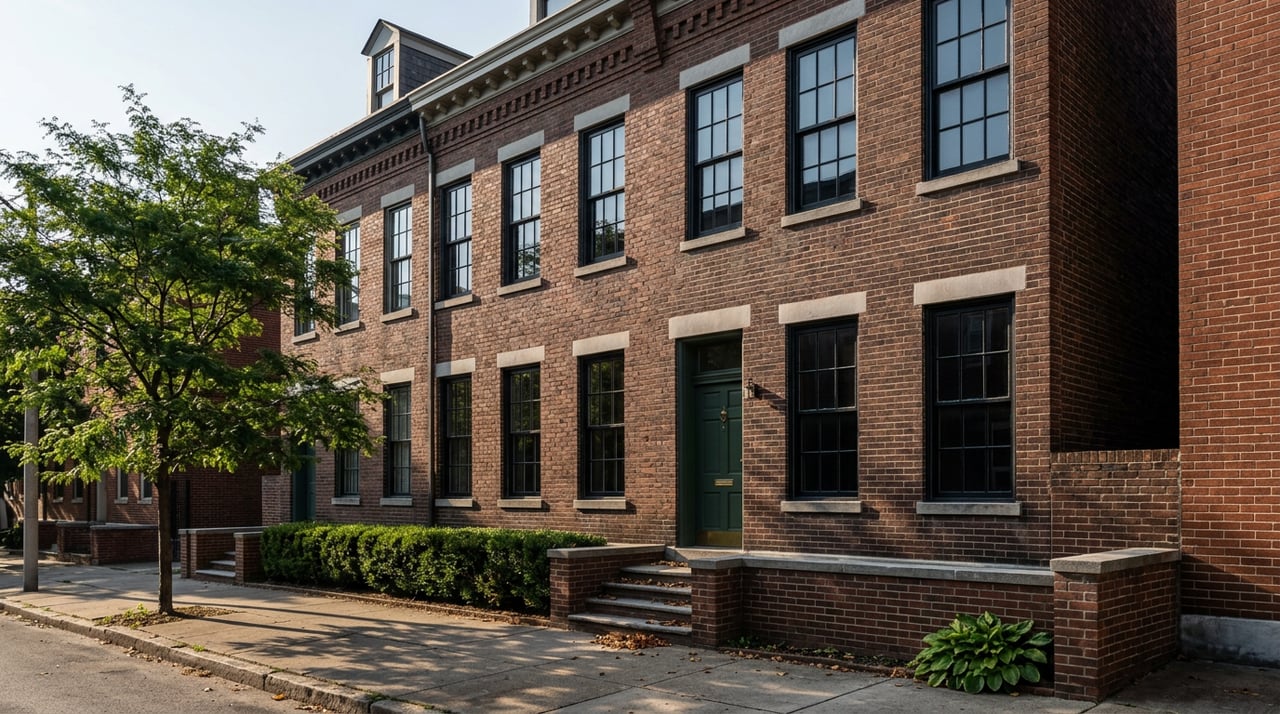
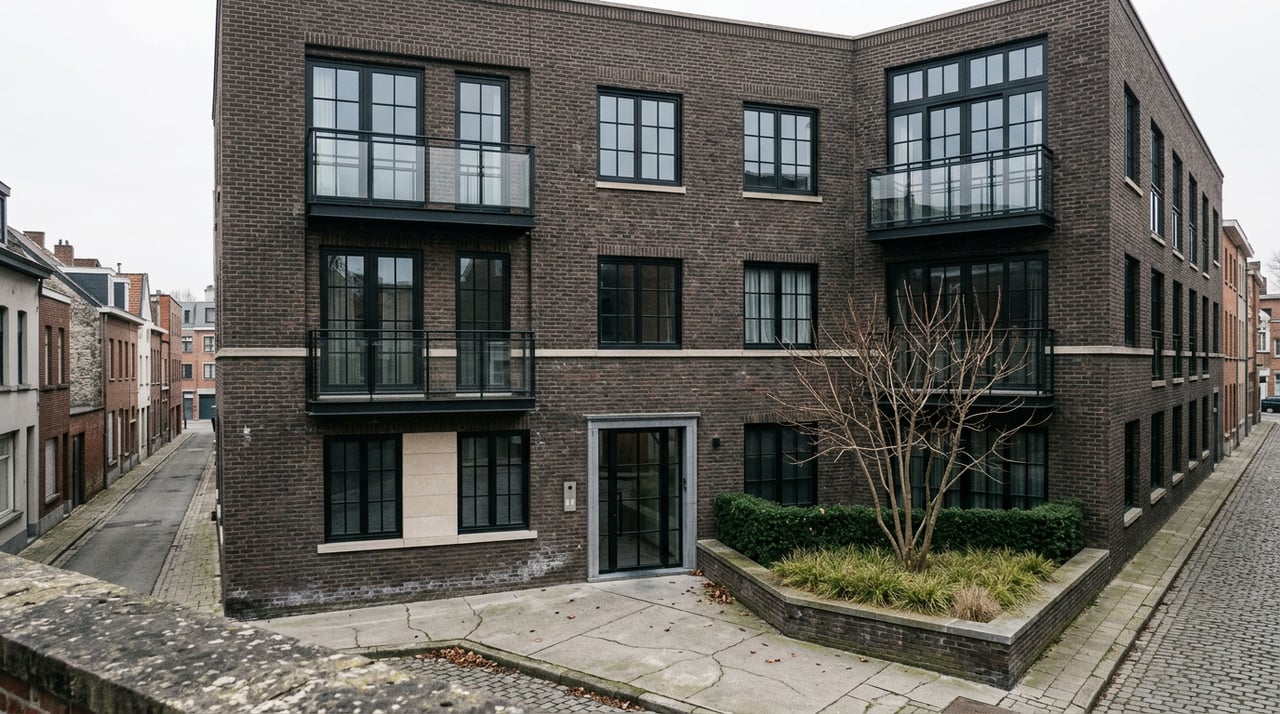
| Family-scaled new construction | $1.75 million to $4 million | Households with school-age kids, staying in the city by choice | 4-5BR "single-family style" condos with dedicated family rooms and outdoor space |
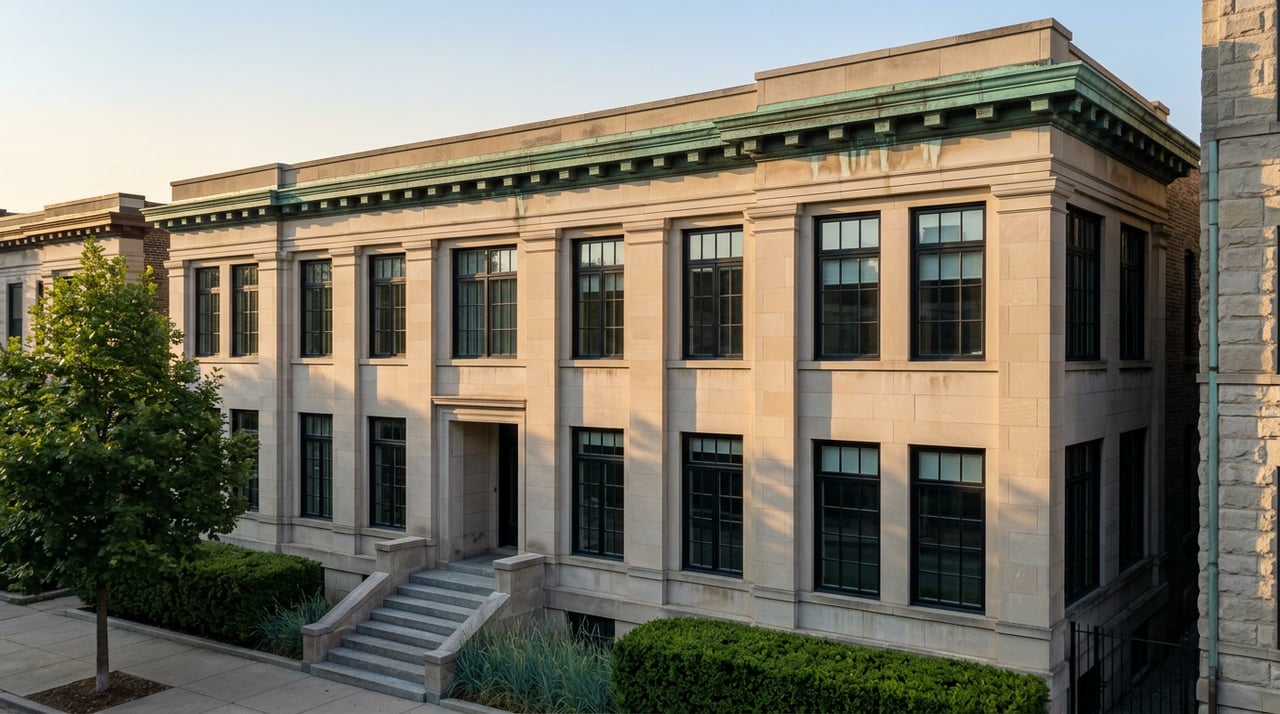
| Ultra-luxury towers | $2 million to $7.6 million+ | High-net-worth buyers, often investors | Full-amenity high-rises with penthouse tiers |
A buyer using the median as a stand-in for "what a family needs here" is comparing the wrong row of that table. The actual family product costs three to eight times the headline figure.
The Line on the Map That Set the Price
The middle tier isn't scattered randomly through the neighborhood. It's clustered around a single elementary school.
Chicago-based developer ZSD Corp paid $5 million in April 2026 for a site on Washington Boulevard, previously owned by a toy company, and is building 1282 Washington: a five-story building of family-style condos with a four-bedroom minimum, according to Crain's Chicago Business. The building has pre-sold 12 of its 16 units, with prices ranging from $1.75 million to $3.2 million and the remaining four units listed between $2 million and $3 million, The Real Deal reported. Every unit gets some outdoor space. Construction is expected to finish in the fall of 2027.
The pitch isn't finishes or square footage. It's proximity. Mark T. Skinner Elementary West sits about two blocks away, and Chicago YIMBY's coverage of a related project in the same corridor, marketed explicitly as "single-family" condominiums, described units in that $1.75 million to $4 million range as falling within Skinner West's attendance boundary. A CPS attendance boundary, which can shift block by block, is functioning here the way a lot line does in a suburb: it's the thing the price is actually attached to.
That's worth sitting with if you're the reader who's about to compare a West Loop purchase to a house in the suburbs. In the suburbs, you're often paying for square footage and land. Here, a meaningful share of that $1.75 million-plus price tag is paying for a school assignment, delivered through a residential address rather than a district boundary.
This Isn't the First Time West Loop Has Priced In This School
The pattern has a decade of runway behind it. Skinner West was rebuilt in 2009 with Tax Increment Financing dollars specifically to add a neighborhood attendance component to what had been a selective-enrollment-only school. A 2016 DNAinfo report on the school's overcrowding quoted a local advocate saying Skinner was one of the major reasons families had moved to the West Loop, and that before the rebuild, a lot of new parents left the neighborhood before their kids reached kindergarten. By 2016, hundreds of new family-sized condo units were already in the pipeline in response, and the school itself was already running at 120 percent capacity, a level CPS's own report at the time still labeled "efficient" rather than "overcrowded."
What's different now isn't the mechanism. It's the price point. A decade ago, "family-sized condo" in the West Loop meant a three-bedroom unit in a mid-rise building. Today it means a bespoke five-story building where every unit starts north of $1.75 million and comes with a name like "single-family condominium," a phrase developers are using because there's essentially no other way to describe a unit built to keep a family from ever needing a yard.
The Penthouse Tier Is Running a Separate Race
While the family tier is being built around a school, the top of the market is being built around a record. The Embry, at 19 N May Street, holds the current record for a Chicago condo sale west of the Kennedy Expressway at $7.6 million for its penthouse, according to The Real Deal. Fulton Bond, a two-tower project at 1325 W Fulton with 149 units and penthouses priced above $7.6 million each, opened its sales center in late February 2026 with the explicit goal of beating that number.
That tier has almost nothing in common with the family tier beyond sharing a zip code. It's driven by out-of-state and investor capital chasing trophy addresses, not by a school boundary or a decision to raise kids in the city rather than commute in from one. If you're the researcher comparing neighborhoods, the useful takeaway is that West Loop's "luxury" headlines and its "family" headlines are describing two different buyer pools who happen to be bidding in the same three or four zip codes.
What the Rate Environment Does to Each Tier Differently
As of the week of August 24, 2026, the 30-year fixed mortgage rate sat in the mid-6 percent range nationally, with Freddie Mac's Primary Mortgage Market Survey putting it at 6.65 percent and Bankrate's lender survey showing Illinois-specific rates around 6.76 to 6.81 percent.
That rate environment doesn't touch all three West Loop tiers the same way. A buyer financing a $450,000 one-bedroom feels every quarter-point move in their monthly payment. A buyer closing on a $2.5 million family condo is more likely paying a large down payment or buying in cash, which is part of why that tier keeps selling through a rate environment that's cooling the entry-level segment. If you're benchmarking "is now a good time to buy in West Loop" against national rate headlines, the answer depends heavily on which of the three tiers you're actually shopping.
If You're Comparing West Loop to a Suburb Right Now
The honest comparison isn't West Loop's median against a suburb's median. It's the specific unit type your family needs against the same unit type in the suburb you're considering, with the school boundary confirmed by address rather than assumed by neighborhood name. Chicago Public Schools' attendance boundaries can change block by block, so any West Loop address you're serious about should be checked against the CPS School Locator before it factors into your price comparison at all.
If the $1.75 million-plus tier is outside your budget, the entry-level and mid-range resale market still exists in two-bedroom units in the $650,000 to $1 million range, just without the guaranteed Skinner West assignment that the new construction tier is selling.
FAQ
Does every condo in the West Loop fall inside the Skinner West attendance boundary? No. The boundary is specific and can change from block to block. Confirm any address against the CPS School Locator rather than assuming based on neighborhood name or nearby developments.
Is there a family-sized option below $1.75 million? Resale two- and three-bedroom units in older buildings exist in the $650,000 to $1 million range. They typically don't come with a guaranteed Skinner West assignment, since that depends on the specific address, not the building's age or size.
How fast is the family-condo tier actually moving? 1282 Washington had pre-sold 12 of its 16 units, according to reporting from The Real Deal, ahead of a fall 2027 completion date, which suggests demand for this tier is running well ahead of the building's delivery.
If you're weighing a West Loop purchase against a move to the suburbs, the first step is figuring out which of these three markets you're actually shopping, not what the median says you should expect to pay. Vesta Preferred Realty can walk you through the current inventory in each tier and confirm exact school-boundary status before you write an offer. And if a West Loop move means selling first, start with a current home valuation so you know what you're working with before you shop the other side of the deal.