House Hacking Lakeview: Engineering Equity on the North Side
Your next home can be more than a place to sleep; it can be the next best product in your portfolio. In Lakeview, house hacking is a calculated move to offset a mortgage in one of Chicago’s most competitive markets. Whether you are eyeing a greystone near the Belmont Red Line or a three-flat toward the Southport Corridor, your strategy must be backed by Chicago-specific mechanics and boots-on-the-ground knowledge.
The Lakeview Inventory
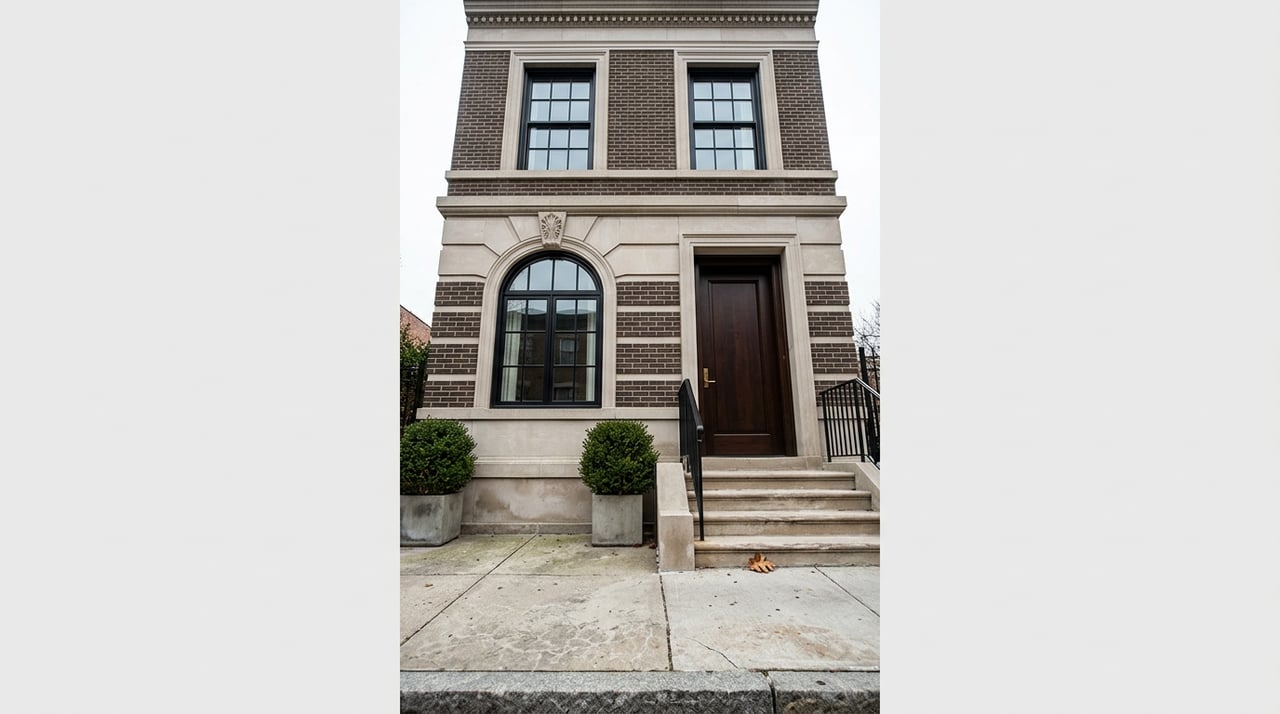
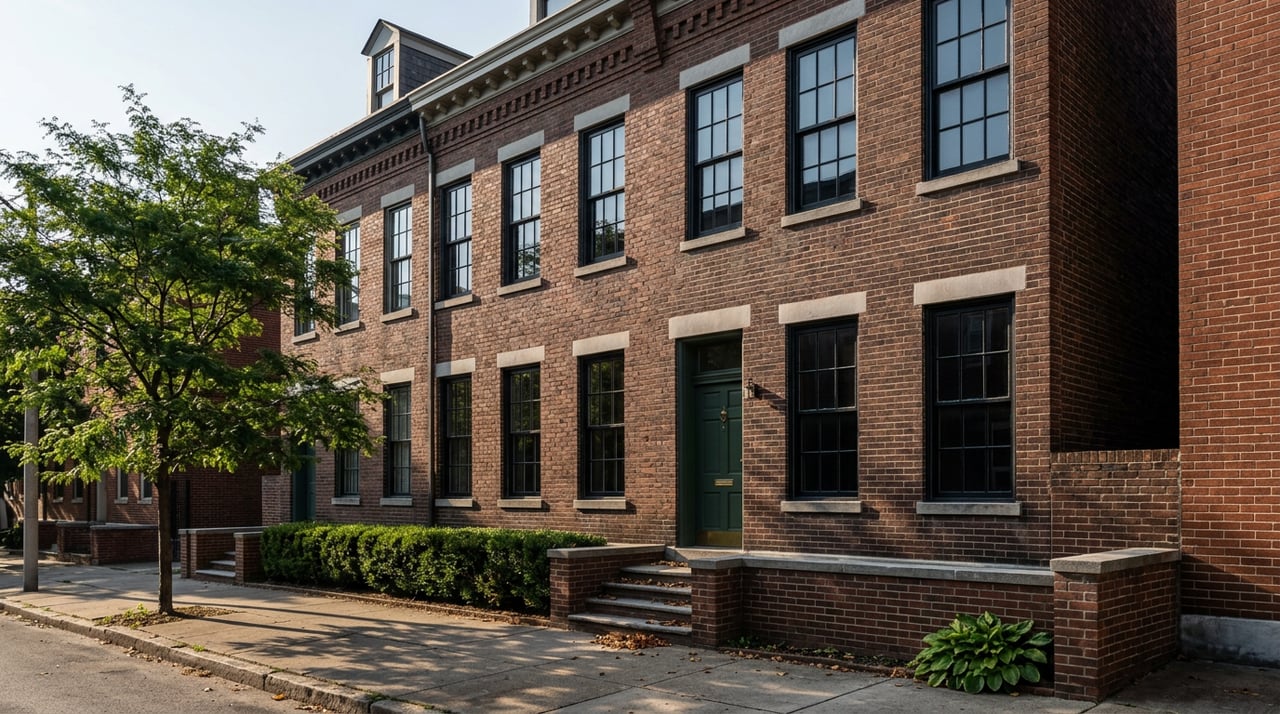
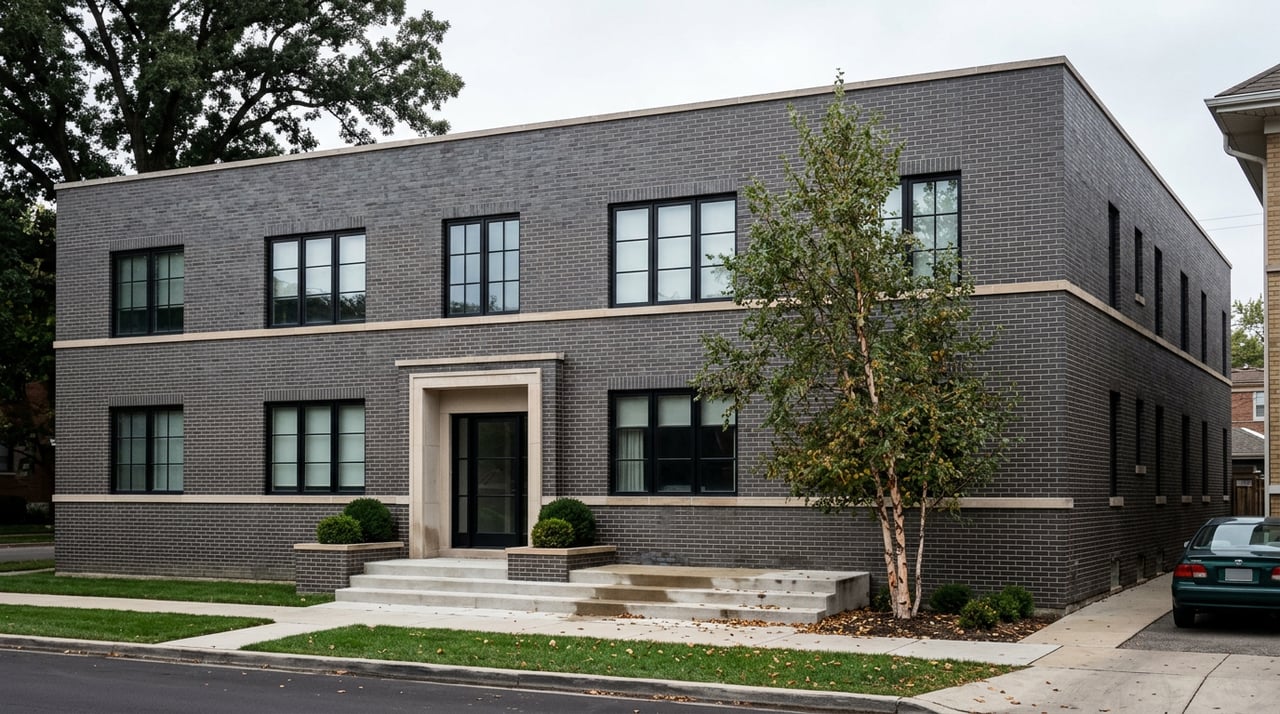
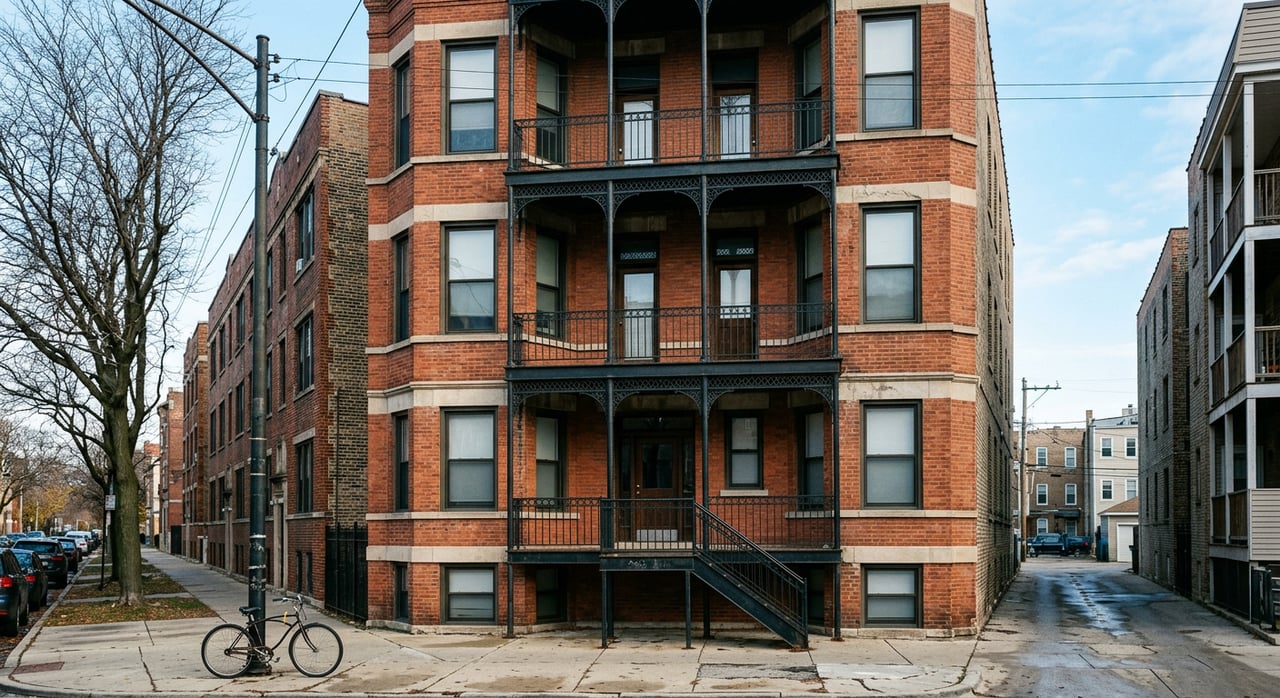
In Lakeview, we aren't looking at bungalows or suburban conversions. You are hunting for the classic Chicago two- and three-flat.
-
The Landscape: Expect high-density blocks with vintage brick construction, often featuring coach houses or garden units that offer significant value-add potential.
-
The Neighborhood Logic: Location dictates your ROI. Proximity to the lakefront, the CTA Brown, Red, or Purple lines, and specific school districts like Blaine or Burley directly influences your rental velocity and price premium.
The Mechanics of House Hacking
House hacking means you occupy one unit and lease the others.
-
The Advantage: Rental income from your tenants offsets your Principal, Interest, Taxes, and Insurance (PITI). In a high-demand area like Lakeview, a well-managed unit can significantly lower your net housing cost while you build equity in prime Chicago real estate.
-
The Partnership: You are the on-site operator. While our tech systems help you model the numbers, the "Human Frontier"—managing tenant relationships and maintaining a century-old building—is where you win through instinct and accountability.
Chicago Market Data and Pro Forma
Lakeview is a premium market. You are trading a higher entry price for stability and historical appreciation.
-
Market Snapshot: Unlike secondary markets, Lakeview rents are robust. A renovated two-bedroom unit can command anywhere from $2,400 to $3,500+ depending on the specific block and finishes.
-
Sample Underwriting: If you purchase a three-flat and live in the top floor, leasing the bottom two units for $2,800 each, you have $5,600 in gross monthly revenue.
-
The Haircut: Lenders typically count 75% of projected market rent toward your qualifying income. In this scenario, that is $4,200 added to your debt-to-income (DTI) calculation to help you qualify for a higher purchase price.
Financing Your Multi-Family Asset
Owner-occupied financing is the strategic path for small multi-family properties, but you must understand the specific lender hurdles.
FHA Loans
-
Down Payment: 3.5% down for qualifying 2–4 unit properties.
-
The Self-Sufficiency Test: For 3–4 unit buildings, FHA requires that 75% of the total projected rent exceeds the full mortgage payment. In high-priced Lakeview, this requires precise underwriting—we recommend running these numbers before you tour.
-
Reserves: Expect to show at least three months of PITI in cash reserves at closing.
Conventional (Fannie Mae)
-
Down Payment: Fannie Mae currently allows 5% down options for owner-occupied 2–4 unit properties. This is often a better fit for Lakeview buyers with strong credit who want to avoid the strict FHA self-sufficiency test.
The Chicago Landlord Reality: The RLTO
Operating a rental in Chicago requires strict adherence to local law. Most Lakeview properties fall under the Chicago Residential Landlord and Tenant Ordinance (RLTO).
-
Security Deposits: The RLTO is notoriously rigid. Mishandling a deposit—even by a few cents of interest—can result in penalties of two times the deposit plus attorney fees. Many Chicago owners opt for non-refundable move-in fees to mitigate this risk.
-
Required Disclosures: You must provide specific summaries of the RLTO, heating cost disclosures, and lead-paint pamphlets with every lease.
-
Right of Entry: You must provide a minimum of 48 hours' notice before entering a tenant’s unit, except in emergencies.
The Vesta Execution Checklist
-
Utility Audit: Confirm if the building has split utilities. In older Lakeview flats, you want to ensure tenants pay their own gas and electric to keep your overhead predictable.
-
Zoning and Legality: Verify the zoning certificate to ensure a garden unit is a legal residence and not a "bootleg" apartment that could create future liability.
-
Maintenance Reserve: Lakeview’s vintage charm comes with maintenance requirements. Budget for tuckpointing, masonry, and roof upkeep.
-
Insurance: Secure a landlord policy with rent loss coverage to protect your cash flow if a unit becomes uninhabitable due to a covered claim.
FAQs
What is house hacking in simple terms? You live in one unit of a small multi-family property and rent the others to reduce your net housing cost while building equity.
What rents should I expect in Lakeview? Lakeview is a high-demand Chicago neighborhood. Renovated two-bedroom units often range from $2,400 to over $3,500; we verify specific comps for every building we underwrite.
Can I use projected rent to qualify for the loan? Most FHA and conventional lenders allow you to use 75% of the projected market rent (determined by an appraiser) to help meet income requirements.
How much down payment do I need for a 2–4 unit? FHA requires as little as 3.5% down, while Fannie Mae offers 5% down options for qualifying owner-occupied purchases. VA-eligible buyers may qualify for 0% down.
Do I need cash reserves for 3–4 unit purchases? Yes. Lenders typically require at least three to six months of PITI (Principal, Interest, Taxes, and Insurance) held in reserve for buildings with three or more units.
How do Chicago security deposit rules work? In Chicago, the RLTO governs deposits. Because the penalties for minor clerical errors are so high, we often guide our clients toward using non-refundable move-in fees instead.
What are my lead-paint responsibilities on older buildings? For any property built before 1978, you must provide the EPA/HUD lead pamphlet, disclose any known hazards, and ensure any paint-disturbing work follows EPA RRP safety rules.
Real estate is a product launch, not just a transaction. At Vesta, we don't just find you a building; we help you engineer a lifestyle of equity through data-driven decisions and Chicago grit.