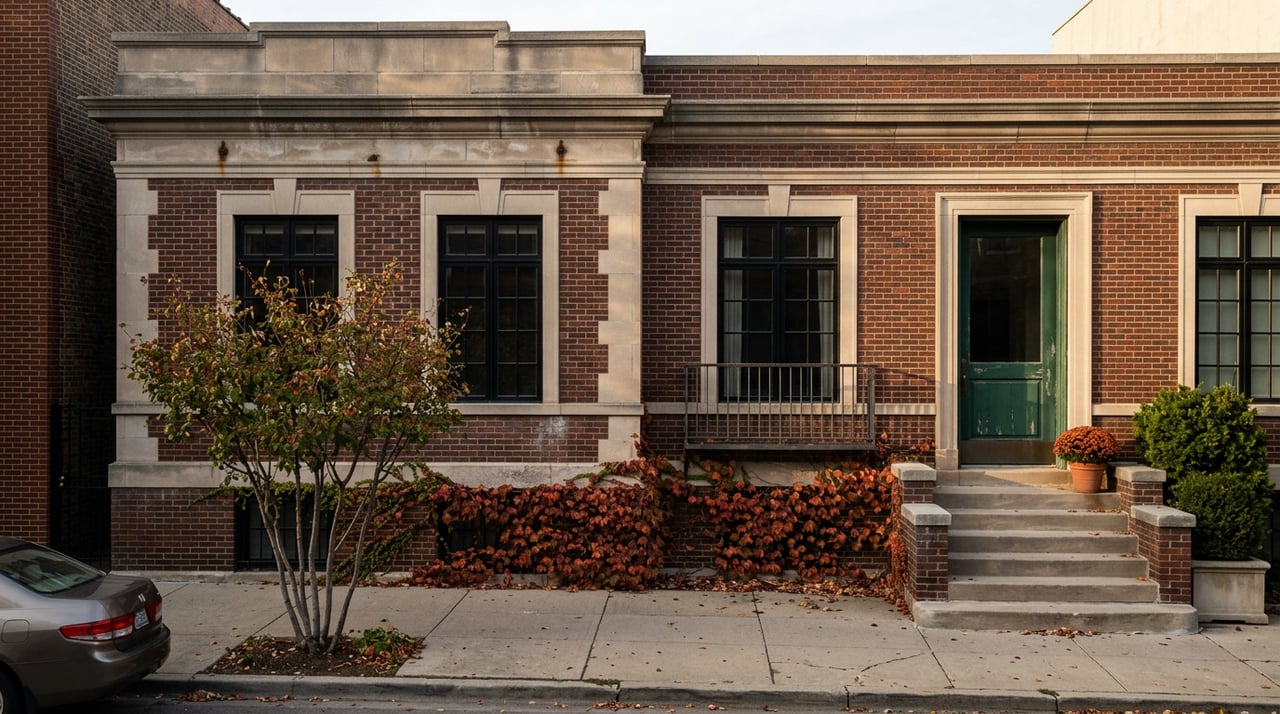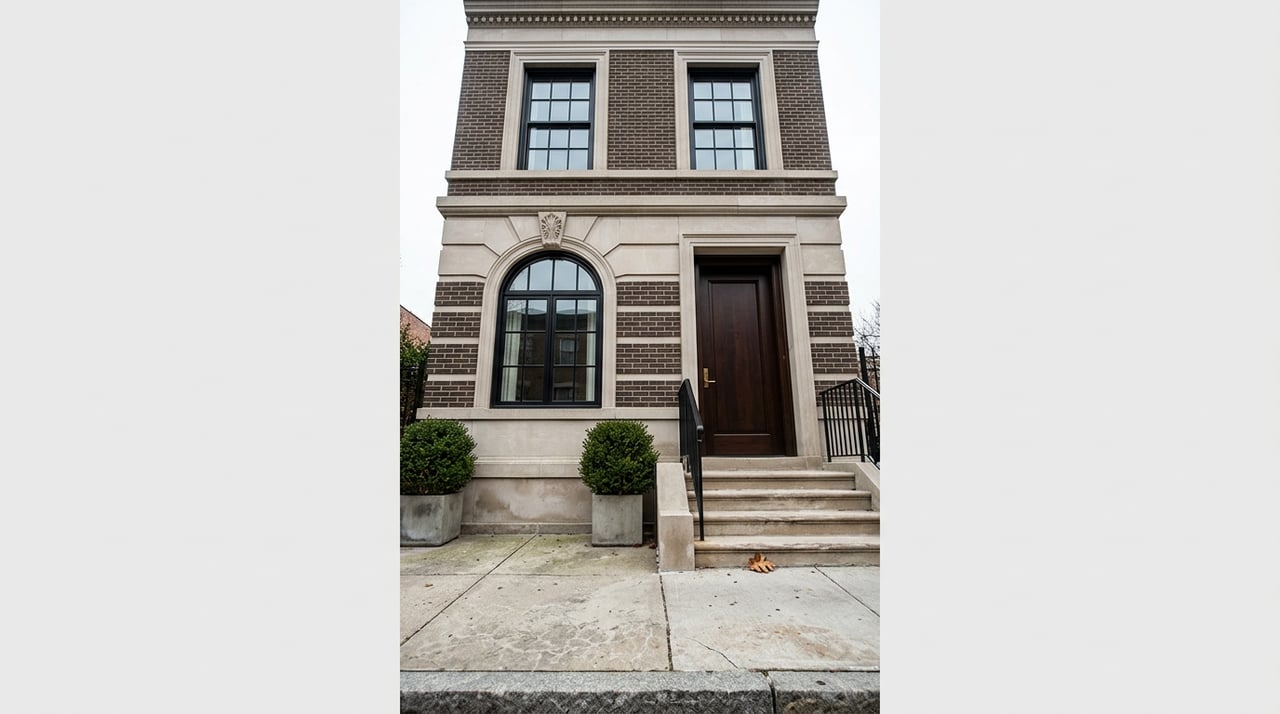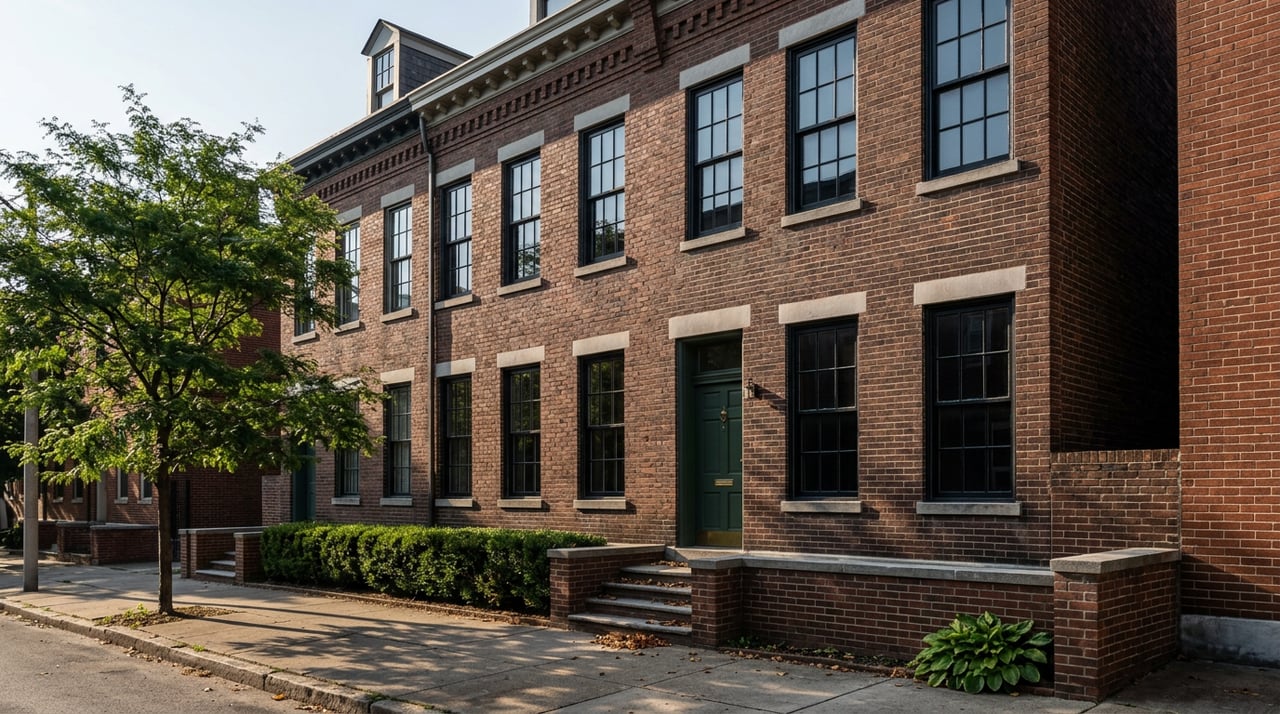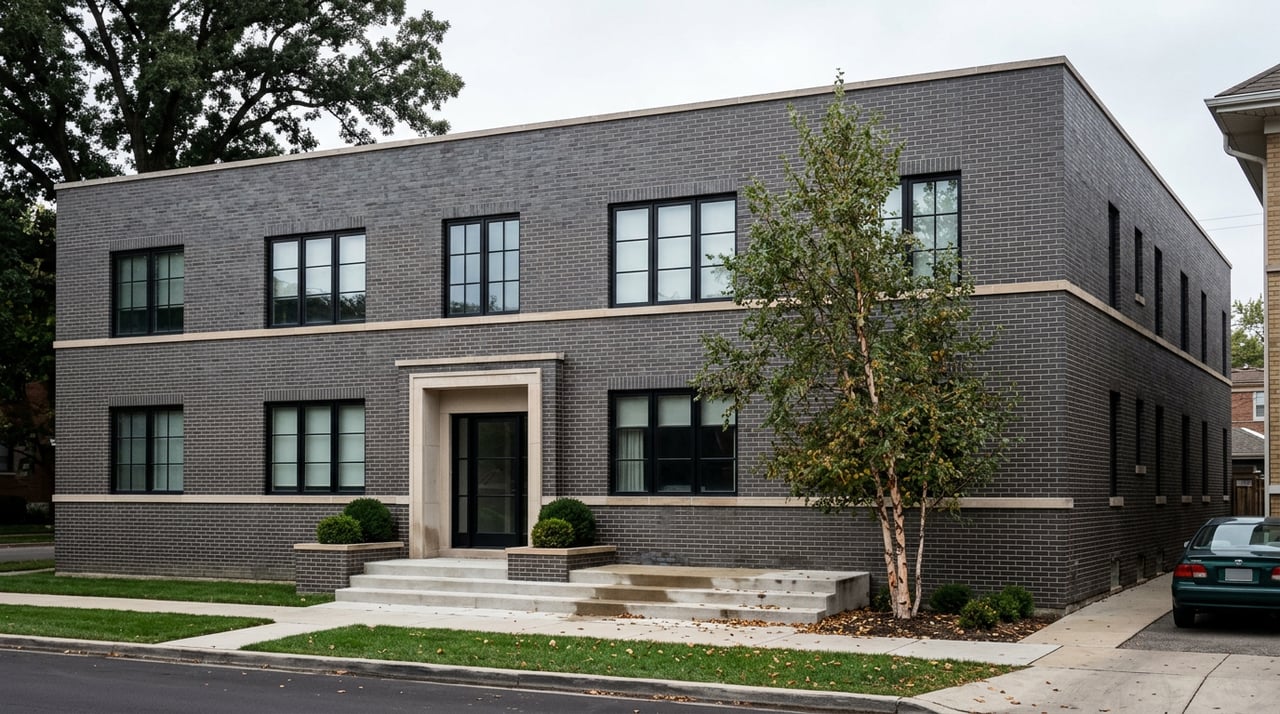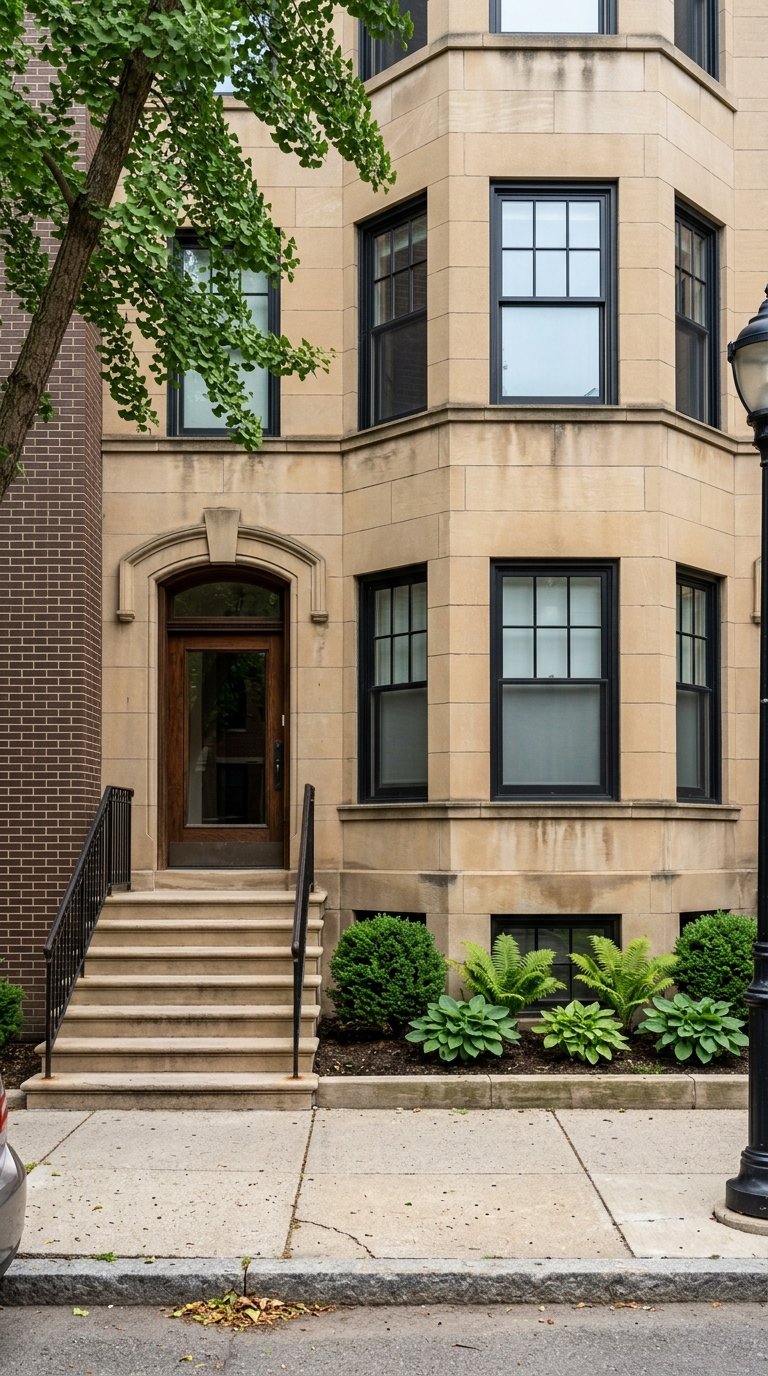
Looking for a home with real character in Logan Square? Vintage Chicago apartments and greystones often stand out right away, with brick and limestone facades, bay windows, and the kind of streetscape that feels distinctly Chicago. If you are thinking about buying or renting in this part of the city, it helps to know what makes these buildings special, what daily life can feel like, and what to inspect before you commit. Let's dive in.
Why Does Logan Square Stand Out?
Logan Square is one of Chicago's 77 community areas and sits about 5 miles northwest of the Loop. Its identity comes from a long history of growth tied to rail access, post-Fire development, and waves of settlement that shaped the neighborhood over time.
A big part of that identity is the Logan Square Boulevards Historic District. According to the City of Chicago, the district includes buildings largely constructed between about 1880 and 1930 and forms one of the city's most notable boulevard settings. That mix of mature trees, landscaped medians, and substantial masonry buildings gives the area a look that is hard to copy.
What Does "Vintage" Mean in Chicago?
In Logan Square, "vintage" usually refers less to one exact style and more to a group of classic Chicago housing types. You will commonly see two-flats, three-flats, courtyard buildings, and larger flat or apartment buildings woven together across the neighborhood.
The Chicago Architecture Center notes that two- and three-flats were often built between 1900 and 1920, usually with one unit per floor, bay windows, and brick or greystone facades. Courtyard buildings, many built from the 1890s through the Great Depression, were designed around a central garden space that brought in light, air, and added privacy.
That matters in Logan Square because the neighborhood is not defined by one building type alone. Instead, it feels layered. Stone-front flats, vintage apartment buildings, and period masonry homes often share the same blocks and read as one historic streetscape.
What Do Greystones Add to the Streetscape?
Greystones are a big part of the visual appeal many buyers and renters respond to first. Their stone-front presence, detailed facades, and traditional proportions fit naturally within Logan Square's older blocks and boulevard corridors.
In practical terms, greystones often signal solid masonry construction and period detail, but they also come with maintenance responsibilities. Preservation guidance from Landmarks Illinois points buyers and renters toward key areas like masonry, porches, roofs, cornices, windows, interiors, and mechanical systems because those are often where repair needs show up first.
What Do Vintage Chicago Apartments Feel Like Inside?
If you are used to newer open-concept condos, a vintage Chicago apartment in Logan Square may feel different right away. Older Chicago apartments were often designed with more separate rooms and a stronger focus on privacy, daylight, and practical use of space.
Bay windows are one of the clearest examples. The Chicago Architecture Center explains that they were used to add light, ventilation, views, and a greater sense of space. In many vintage units, those features still shape how the main living area feels today.
Some older apartments also include period details like pocket doors, Murphy beds, or milk-and-package receiver doors. Not every unit will have those features, but they reflect the era's design priorities and add to the personality that many people are searching for in Logan Square.
Why Do Buyers and Renters Love Logan Square?
Character matters, but so does daily life. Logan Square offers a walkable, urban setting with a rhythm that feels connected to local businesses, dining, music venues, and neighborhood landmarks.
Choose Chicago describes Logan Square as a multicultural area known for locally owned shops, a strong dining scene, and neighborhood destinations like Logan Boulevard, the Logan Square Farmers Market, and the historic Logan Theatre. For many people, that blend of housing character and active street life is a big part of the draw.
Transit and mobility also play a major role. The CTA's Logan Square Blue Line station at 2620 N. Milwaukee Ave. is accessible, includes indoor and sheltered bike parking, and connects with CTA bus routes #56 and #76. The 606 adds another option with a 2.7-mile elevated trail and park system that includes 12 access points and 17 ramps.
What Should You Check in Older Chicago Buildings Before You Buy?
Older buildings can offer charm, location, and lasting appeal, but they reward careful due diligence. If you are buying a vintage Chicago apartment, greystone, or multi-unit building in Logan Square, make sure your decision is based on both style and condition.
Start with the basics that tend to matter most in older masonry housing:
- Masonry and exterior condition
- Front porches and stairs
- Roof condition
- Windows and signs of replacement or repair needs
- Cornices and decorative exterior details
- Interior wear and signs of past water intrusion
- Mechanical systems, including heating and plumbing
Landmarks Illinois specifically highlights these areas in greystone preservation guidance because they often reveal deferred maintenance or future capital needs. A beautiful facade does not always tell you what is happening behind the walls or above the ceiling.
The Consumer Financial Protection Bureau also recommends scheduling an independent home inspection as soon as possible after choosing a home. A satisfactory inspection contingency can help protect you if major issues are uncovered.
What Should You Ask About Safety and Renovation?
When a building is older, safety questions should be part of your process. This is especially true if you plan to renovate after closing or if you are evaluating a unit in a pre-1978 building.
The EPA says the older a home is, the more likely it is to contain lead-based paint, and it estimates that 87% of homes built before 1940 contain some lead-based paint. The EPA also warns that renovation or painting work in pre-1978 buildings can create hazardous lead dust, so lead-safe practices matter.
Asbestos is another issue that should be handled carefully. The EPA states that asbestos-containing material cannot be identified by appearance alone, and if a material may contain asbestos and could be damaged or disturbed during renovation, sampling by a trained asbestos professional is recommended.
Should You Buy or Rent a Vintage Building?
Whether you plan to buy or rent, your checklist should match your goals. Buyers usually need to think about long-term maintenance, inspection findings, and future repair costs. Renters often benefit from asking about building upkeep, unit updates, and how maintenance is handled.
Here is a simple way to think about it:
If you are buying | If you are renting |
|---|---|
Focus on inspection results and building systems | Focus on current condition and maintenance responsiveness |
Ask about masonry, roof, windows, and mechanicals | Ask how repairs are requested and how quickly they are handled |
Review possible renovation needs before closing | Check for signs of water issues, drafts, or worn finishes |
Factor in long-term ownership costs | Make sure the layout and storage work for daily life |
In both cases, the goal is the same. You want the charm of a vintage Chicago apartment in Logan Square, but you also want a clear picture of what comes with it. If you are weighing both paths, our guide on renting vs. buying in Chicago breaks down the key considerations.
How Do You Shop Smart in Logan Square?
The best approach is to balance emotion with process. It is easy to fall for bay windows, stone details, or a great boulevard block, but a smart decision comes from understanding how the building lives day to day.
When you tour homes or apartments, pay attention to both the feel of the space and the condition of the property. Look at natural light, room separation, and original details, but also notice window condition, common areas, exterior maintenance, and signs of recent repair work.
If you are comparing several options, it can help to group them by building type. A courtyard building may offer a different layout and shared-living experience than a two-flat or multi-unit. Knowing those differences can help you choose a home that fits your lifestyle, budget, and comfort level with maintenance.
Why Does Local Guidance Matter?
In a neighborhood like Logan Square, small block-by-block and building-by-building differences can have a big impact on value and fit. Two homes may both be called "vintage," but they can differ a lot in layout, upkeep, and long-term ownership needs.
That is where strong local guidance makes a real difference. Whether you are buying your first place, moving within the city, looking for a rental, or evaluating a multi-unit opportunity, clear advice can help you move faster and with more confidence.
If you are exploring vintage Chicago apartments and greystones in Logan Square, working with a team that understands Chicago's older housing stock can make the process much smoother. To talk through your options with a local team that knows the neighborhood, connect with Vesta Preferred Realty.
FAQs
What Makes Logan Square Vintage Apartments Different From Newer Homes?
Vintage Chicago apartments in Logan Square often have separate rooms, bay windows, masonry exteriors, and period details that reflect older Chicago design rather than newer open-concept layouts.
What Should You Inspect in a Logan Square Greystone Before Buying?
Pay close attention to masonry, porches, windows, roofs, cornices, interiors, and mechanical systems, since these areas often reveal deferred maintenance or future repair needs.
Are Older Logan Square Buildings More Likely to Have Lead-Based Paint?
Yes. The EPA says older homes are more likely to contain lead-based paint, and homes built before 1940 have a particularly high likelihood.
What Is Daily Life Like Near Vintage Apartments in Logan Square?
Many residents are drawn to the neighborhood's walkability, local shops, dining, music venues, the Logan Square Farmers Market, the Logan Theatre, Blue Line access, and connections to The 606.
Should You Get an Inspection When Buying a Vintage Apartment in Logan Square?
Yes. An independent home inspection can help identify major issues early, and an inspection contingency may provide protection if serious problems are found.
What Housing Types Are Common Around Logan Square?
Common housing types include two-flats, three-flats, courtyard buildings, and larger vintage apartment buildings, often with brick, limestone, or greystone facades.