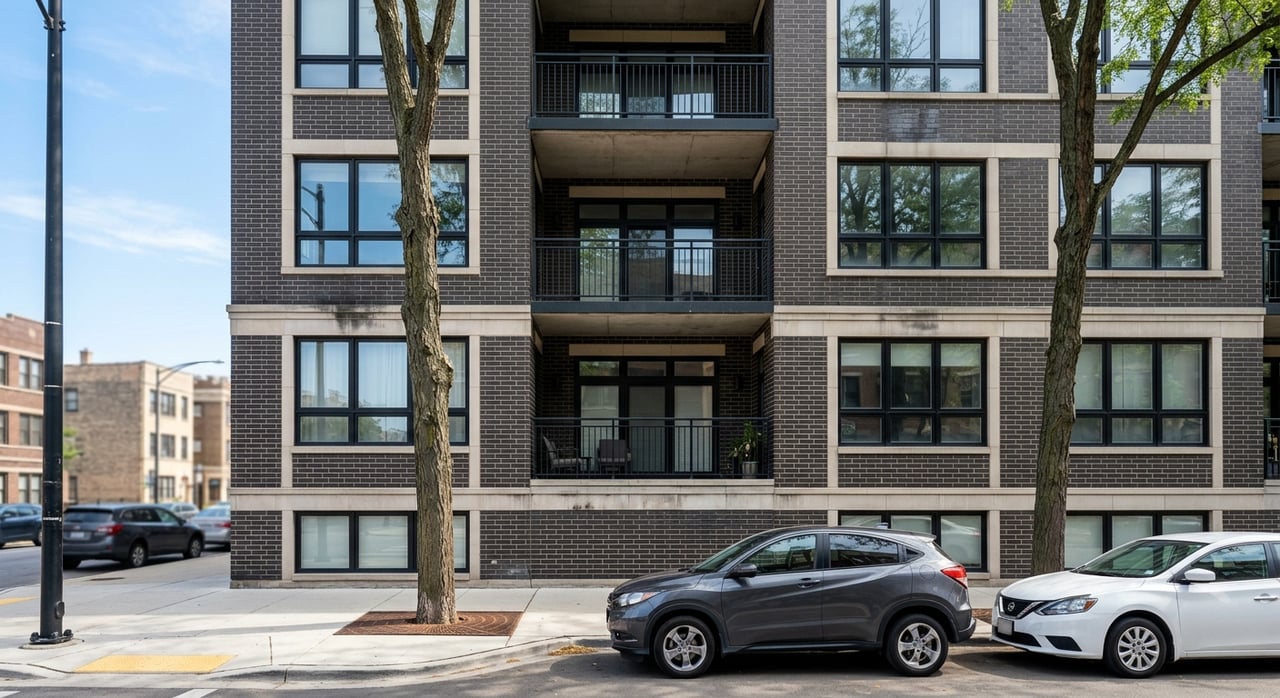
If you have been searching for a condo in West Loop, you already know the challenge: the right unit can attract serious attention fast. That can make it easy to feel like you need to rush, overbid, or give up important protections just to compete. The good news is that buyers usually win here with preparation, not panic. If you understand the market, tighten up your financing, and review the right condo details early, you can move quickly and make smarter decisions. Let’s dive in.
Understand the West Loop pace
West Loop remains a competitive condo market, even if the exact numbers vary by source. According to Zillow’s February 2026 data for the 60607 area, typical home values sit around $397,206, with homes going to pending in a median of 37 days. In neighboring 60661, the median list price hits $474,667, reflecting the premium for the area's high-rise inventory.
The numbers are not identical because each platform uses different methods and time frames. Still, both point to the same takeaway: well-priced West Loop condos can move fast, and buyers need to be ready before the right listing appears.
Part of that demand comes from the neighborhood itself. West Loop has a Walk Score of 96, Transit Score of 100, and Bike Score of 86, which helps explain why condos here stay on so many buyers’ short lists. The area’s urban convenience, housing style, and limited supply in certain buildings all add pressure when a desirable unit hits the market.
Get pre-approved before you shop seriously
One of the strongest ways to improve your position is to get financing lined up early. The Consumer Financial Protection Bureau recommends getting a preapproval letter before shopping seriously because it helps show sellers you are a serious buyer.
That said, pre-approval is not the same as final loan approval. Lenders may still ask for additional documents later, and rates can change daily. CFPB also recommends comparing official Loan Estimates carefully, looking at the loan amount, interest rate, monthly payment, upfront costs, lender credits, and cash to close before choosing a lender.
In a competitive West Loop search, that work matters because it helps you move faster with more confidence. When you already know your financing range and cash-to-close number, you can react quickly without guessing.
Compare your full monthly cost
For condo buyers, the budget should go beyond principal and interest. HOA fees vary by building, can rise over time, and should be part of your true monthly housing payment along with mortgage, property taxes, insurance, and HOA dues.
This matters a lot in West Loop because two condos at a similar purchase price can have very different monthly carrying costs. A building with higher dues may still be a good fit, but you want that decision to be intentional and affordable from day one.
Build your team before the perfect condo appears
Speed becomes much easier when your team is already in place. According to the CFPB home search guidance, buyers should start researching settlement agents and title services early because the closing process involves multiple third-party services.
For a West Loop condo purchase, that often means having your agent, lender, attorney, and closing professionals ready before you write. When your team is coordinated early, you are better positioned to submit a clean offer and keep the transaction moving once it is accepted.
That kind of preparation is especially helpful in a market where timing matters. It lets you focus on evaluating the condo instead of scrambling to assemble support after the fact.
Decide your offer strategy in advance
A competitive offer is not always the highest number on paper. Sellers may also care about timing, certainty, and how easy the deal looks from their side. That is why it helps to decide your strategy before you are under pressure.
Start by setting a firm top number based on your budget and recent comparable sales. Research shows there is no universal rule for how far above asking you should offer. Some homes trade close to list, while hot homes can go above list, so your number should depend on the unit, the building, and current demand.
Know which contingencies matter to you
Make your offer contingent on obtaining financing and on a satisfactory inspection for financed purchases. That gives you protection if your loan falls through or the inspection uncovers serious problems.
For mortgaged purchases, an appraisal can also matter. NAR’s appraisal guidance, as summarized in the research report, notes that buyers can negotiate an appraisal contingency if they want protection when an appraisal comes in below the contract price.
In other words, waiving contingencies may make an offer more appealing, but it also increases your risk. The smartest move is to decide in advance what protections you want to keep and what risks you are actually comfortable taking.
Use earnest money strategically
Earnest money can help show commitment. Earnest money is not required, but it is commonly used and often equals 1% to 5% of the purchase price, held in escrow after an offer is accepted.
In a competitive setting, stronger earnest money may help signal that you are serious. Just make sure the amount fits comfortably within your overall cash position and contract terms.
Be careful with escalation clauses
An escalation clause can sound appealing when you expect multiple offers. The clause automatically raises your offer above a competing bid up to a set maximum, usually with proof of a bona fide competing offer, a defined escalation amount, and a price cap.
But this tool has limits. Some sellers do not accept escalation clauses, and Chicago Association of REALTORS® also points out that sellers may care about terms beyond price, such as possession date. In practice, an escalation clause can help in the right situation, but it should be used thoughtfully, not automatically.
Review the building, not just the unit
This is one of the biggest differences between buying a condo and buying a single-family home. You are not only evaluating the finishes, floor plan, and view. You are also buying into the building’s rules, finances, and maintenance picture.
Review HOA or condo association documents, including CC&Rs, bylaws, financial statements, reserve information, insurance responsibilities, and any special assessments. Those details can affect your monthly cost, your ownership experience, and your ability to finance the purchase.
Focus on reserves and special assessments
Reserve funds matter because they can indicate how prepared an association is for major repairs. A portion of HOA dues should go into reserves, and special assessments may be used for major one-time expenses.
That means a lower HOA fee is not always better if the association is underfunded. You want to understand whether the building appears financially prepared for future work or whether owners may face added costs later.
Watch for financing red flags
Building-level issues can affect whether a condo is financeable. Lenders may need items like board minutes, reserve studies, inspection reports, repair lists, and special-assessment information, and it flags unresolved litigation, critical repairs, and certain special assessments as issues that can make a project harder to finance.
This is why condo due diligence should happen early. A beautiful unit can still become a problem if the building has unresolved issues that slow or derail lending.
Move fast without skipping evaluation
In West Loop, speed matters, but reckless speed does not help. The goal is to make quick decisions because you are prepared, not because you are ignoring important details.
A strong game plan usually includes:
- A current preapproval letter
- Loan Estimates compared in advance
- A budget that includes HOA dues, taxes, insurance, and mortgage costs
- A clear top offer number
- A decision on which contingencies you want to keep
- Earnest money funds ready
- Early review of condo documents when available
- A coordinated team prepared to move quickly
That approach gives you a better chance to compete while still protecting your long-term financial picture.
What this means for your West Loop search
If you want to secure a West Loop condo in a competitive market, the biggest advantage is not just offering more. It is showing up prepared, informed, and ready to act.
When you know your financing, understand the building, and plan your offer terms ahead of time, you can make faster decisions with less stress. In a neighborhood where desirable condos can move quickly, that kind of clarity can make a real difference.
If you are planning a move in West Loop and want a clear, step-by-step strategy, Vesta Preferred Realty can help you build a smart plan, move quickly when the right condo appears, and navigate the process with confidence.
FAQs
How competitive is the West Loop condo market right now?
- West Loop remains competitive, with market trackers showing that well-priced condos can move quickly and some hot homes may sell above list, even though exact price and timing figures vary by source.
What should a West Loop condo buyer do before touring homes?
- A West Loop condo buyer should get preapproved, compare Loan Estimates, set a full monthly budget that includes HOA dues, and line up key professionals before shopping seriously.
What costs should a West Loop condo budget include?
- A West Loop condo budget should include mortgage costs, property taxes, insurance, HOA dues, and enough cash for closing costs and earnest money.
What condo documents matter most in a West Loop purchase?
- The most important West Loop condo documents typically include CC&Rs, bylaws, HOA financial statements, reserve information, insurance responsibilities, and any pending special assessments or major repair details.
Should a West Loop condo buyer waive contingencies to win?
- A West Loop condo buyer should be careful here because financing, inspection, and appraisal protections can reduce risk, and waiving them may strengthen an offer but also increases exposure if problems come up.
How much earnest money is common for a West Loop condo offer?
- Earnest money for a West Loop condo offer commonly falls in the 1% to 5% range of the purchase price, although the right amount depends on your contract terms and cash position.