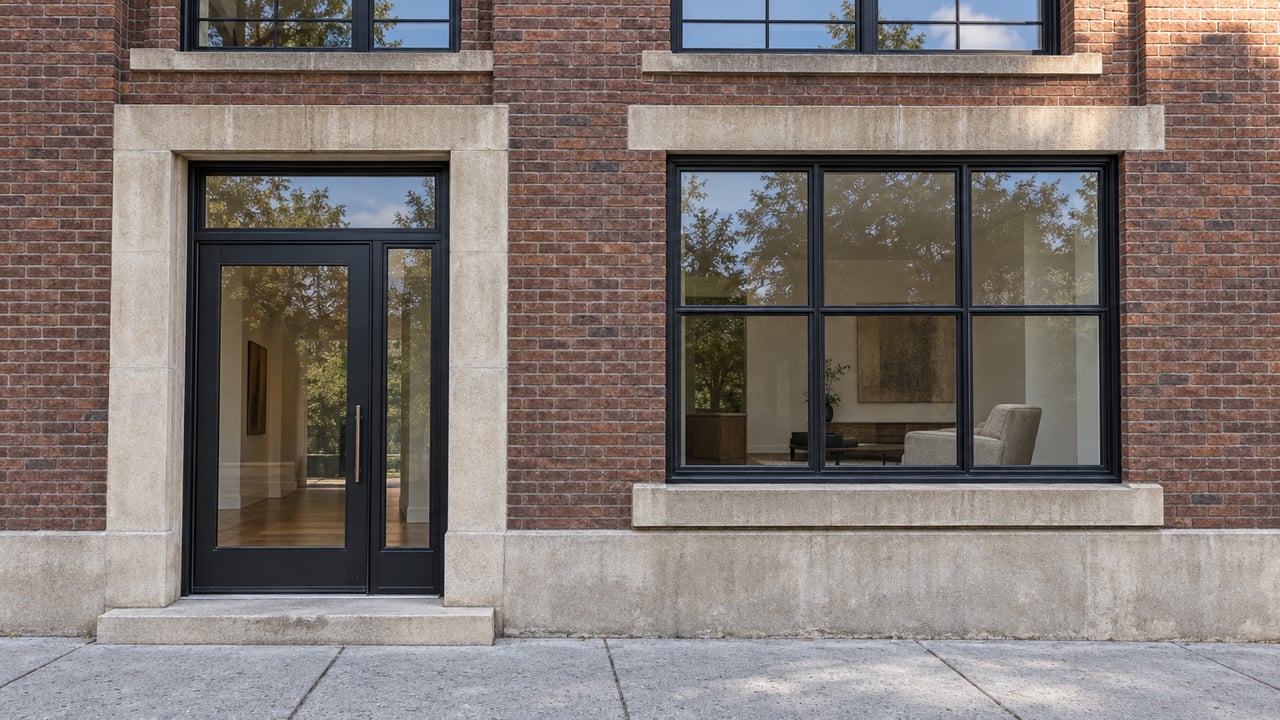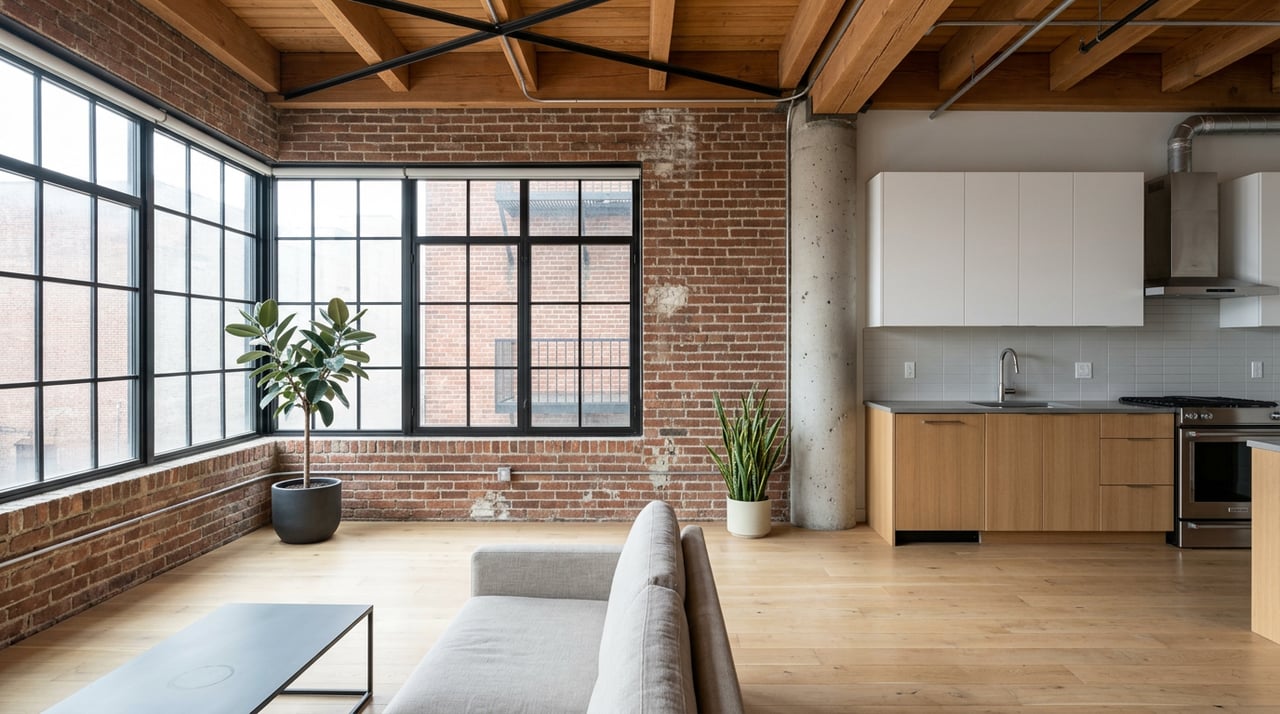
Picture floor‑to‑ceiling windows, brick walls, and the buzz of world‑class restaurants right outside your door. If that sounds like your kind of Chicago life, the West Loop’s loft scene might be a perfect fit. Whether you’re buying or renting, you’ll face real tradeoffs: authentic character vs. modern convenience, nightlife energy vs. quiet, and storage vs. open space. In this guide, you’ll learn how hard and soft lofts compare, where lofts cluster, what day‑to‑day living really feels like, and what prices and rents look like right now. Let’s dive in.
What “loft living” means in the West Loop
The West Loop offers two main loft experiences: hard lofts converted from factories and warehouses, and soft lofts built more recently to mimic the industrial look with modern systems. Hard lofts deliver original brick, heavy timber or concrete columns, oversized factory windows, and soaring ceilings. Soft lofts offer many of the same visual cues but add better insulation, upgraded glazing, and amenities like gyms and package rooms. If you want a quick primer on how soft lofts are designed, take a look at this overview of what a soft loft is.
Lifestyle is a major draw. The neighborhood is highly walkable and packed with dining and nightlife, especially along Randolph Street and Fulton Market. Events like Taste of Randolph keep the streets lively, which is part of the area’s appeal and something to plan around when it comes to evening noise.
Where lofts cluster
If you want a single mental map, many locals describe the West Loop as roughly bounded by the Chicago River on the east, Grand Avenue on the north, Ashland Avenue on the west, and the Eisenhower/I‑290 on the south. Fulton Market, at the neighborhood’s core, is the pocket most associated with authentic warehouse conversions. Boundaries shift a bit by source and subarea, which is normal in city neighborhoods. For a sense of how locals frame downtown and nearby districts, see this neighborhood‑mapping story from Block Club Chicago.
The area’s rich warehouse stock is protected and celebrated in parts of the Fulton‑Randolph Market District, which has seen City landmarking and preservation activity. That history explains why so many conversions retain brick, timber, and heavy post‑and‑beam elements even as redevelopment continues. If you’re curious about the preservation context, review the City’s background materials on the Fulton‑Randolph Market District.
Hard vs. soft lofts: choose your vibe
Hard lofts: vintage character
Hard lofts are true warehouse or factory conversions. You’ll often see original brick, thick timber or concrete columns, industrial doors, exposed beams, and very high ceilings that can run 10 to 18 feet or more. Expect wide open layouts that feel larger than the square footage suggests. You may get fewer built‑in closets and more open storage, along with original or retrofitted windows. The payoff is authenticity and one‑of‑a‑kind character.
What to love:
- Unique historic details and large factory windows
- Open, flexible floor plates that feel expansive
- A strong sense of place in the Fulton Market core and nearby blocks
What to weigh:
- Older windows or single‑pane glazing in some buildings
- Limited on‑site amenities in boutique conversions
- Potential for more sound transmission within the building
Soft lofts: modern convenience
Soft lofts replicate the industrial look with tall ceilings, big windows, and exposed ductwork, but they’re built with modern systems. You’ll typically find double‑pane or insulated glazing, energy‑efficient mechanicals, and more conventional floor plans with defined bedrooms and closets. Many soft‑loft buildings add amenities like fitness rooms, package areas, bike storage, and garage parking. For a quick explainer of how developers design these, see this guide to soft lofts.
What to love:
- Better insulation and glazing for comfort and noise control
- Defined bedrooms and more storage
- On‑site amenities and structured parking options
What to weigh:
- Less original industrial fabric than a true conversion
- HOA dues or amenity premiums
Floor plans and finishes you’ll see
Across both types, you’ll find studios and convertibles, 1‑beds, 2‑beds, and the occasional duplex or penthouse with a lofted level. Many one‑bedroom lofts feel larger than standard condos of similar size because of the high ceilings and open layouts. Finishes commonly include exposed brick, timber or concrete columns, polished concrete or wide‑plank wood floors, and open kitchens with stainless appliances and stone or quartz counters. Older buildings may keep original radiators or retrofitted systems, while newer soft lofts typically include central heat and air with better sound‑insulated walls.
Day‑to‑day livability: what to know
Noise and privacy
Noise is the number one question about loft life. There are two sources to think about:
- Exterior noise: street traffic, delivery trucks, crowds, and patio scenes along Restaurant Row and Fulton Market. Events like Taste of Randolph keep evenings and weekends lively.
- Interior noise: because many lofts have open plans and thinner floors, sound can travel between rooms and units.
If quiet is a priority, learn a bit of the basics. Architects use STC for room‑to‑room sound and OITC for how much exterior noise windows and walls block. Window construction, seals, and flanking paths matter more than ceiling height. For technical context, this overview of STC and OITC ratings is helpful.
Practical tips to manage noise:
- Pick upper floors to reduce street sounds.
- Ask about window upgrades, glazing type, and seal condition.
- Favor newer soft‑loft buildings if acoustic comfort is a must.
- Add rugs, drapery, and soft furnishings to cut echo.
- Check building rules for deliveries, rooftop events, and quiet hours.
- Tour during evenings and weekends to hear the true noise profile.
Light and orientation
Lofts shine when it comes to daylight. Large factory windows and high ceilings flood spaces with sun, especially in units with south or west exposure. That said, interior units that face courtyards or narrow alleys can be dimmer. Always visit at different times of day to confirm light levels and check for heat gain in summer.
Storage, parking, and amenities
Storage varies by building. Many hard‑loft conversions offer fewer built‑ins, while soft‑loft and newer buildings often include better closets, storage lockers, and bike rooms. Parking is mixed. Older conversions may not include dedicated parking, and newer developments more commonly offer garage spaces, often at an added monthly cost. Soft‑loft condos and modern rentals typically package amenities like a fitness center, roof deck, package room, and secure bike storage. Those conveniences can justify higher HOA fees or rent for busy professionals.
Maintenance, heating, and utilities
Older buildings can come with quirks like patch brick repairs, older plumbing stacks, or legacy heating systems. Many have been updated, but you’ll want to ask sellers or landlords about recent capital projects like roof, window, and boiler or HVAC replacements. Newer soft‑loft properties usually have modern mechanicals and insulation that can help control utility costs and reduce maintenance surprises.
Getting around: transit and walkability
The West Loop offers excellent transit access. The Morgan CTA station on the Green and Pink lines is a short walk from many addresses, which is a big plus for commuters. You can read more about the station’s connectivity in the CTA’s Morgan Station release. The neighborhood also sits close to Ogilvie and Union Station, making Metra and Amtrak commutes practical.
Market snapshot: prices, rents, and demand
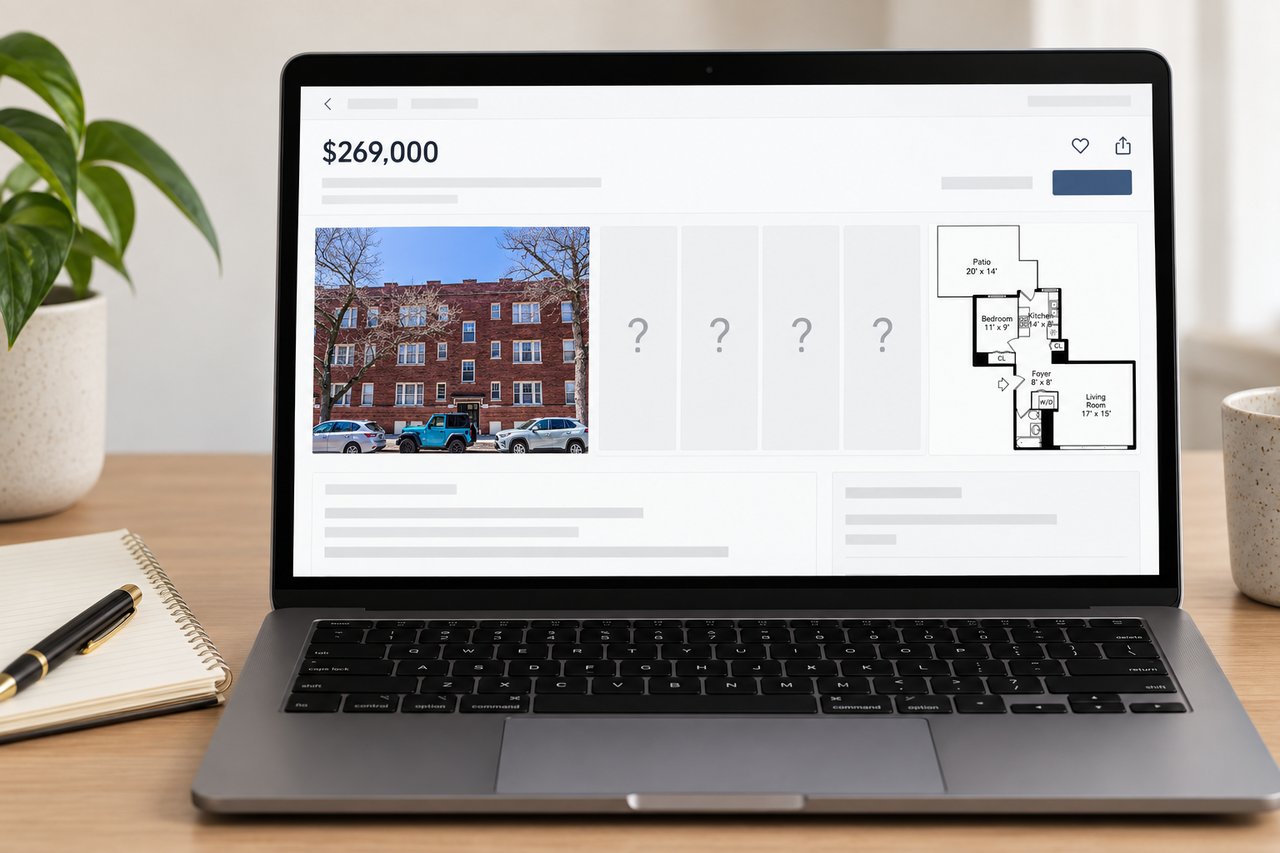
As of Mar 15, 2026, neighborhood listing pages show a median West Loop listing price near $489,000. Use that as a broad reference point rather than a building‑specific value, since unit finishes, parking, and amenity packages can shift pricing. On the rental side, neighborhood rent aggregators place average rents in the low‑to‑mid $2,000s per month, with one recent snapshot at about $2,294 for all bedrooms combined. Actual rents vary by building, layout, finishes, and whether parking or amenities are included.
Supply remains dynamic. Adaptive reuse and new construction continue in and around Fulton Market, and ongoing transactions suggest steady redevelopment interest. For context on how historic properties and new projects continue to change hands, see this market overview from CoStar.
Numbers move quickly, so if you are close to a decision, refresh the latest listings and rental data to get a current read.
How to pick the right loft
Use your day‑to‑day needs to drive the choice between a hard and soft loft:
- You want deep character, original brick, and a one‑of‑a‑kind feel. Prioritize hard‑loft conversions near Fulton Market. Be ready to evaluate windows, storage workarounds, and in‑building amenities.
- You want the loft look with quiet, storage, and amenities. Focus on soft lofts with upgraded glazing, central HVAC, fitness rooms, and garage parking.
- You work from home or record content. Check OITC/STC info, tour during busy times, and confirm building rules for noise and deliveries.
- You entertain or need flexible space. Look for open floor plates, kitchen islands, and roof decks or courtyards.
- You commute by train. Target addresses within a short walk of the Morgan CTA station and near Ogilvie or Union Station.
Showing checklist: what to inspect or ask
- Layout and purpose
- Does the floor plan support how you live and work? If you need separation, look for defined bedrooms or a mezzanine/lofted area.
- Ceiling height and windows
- Measure ceiling height and note window size and orientation. Revisit at different times to test daylight and heat gain.
- Windows and noise
- Ask about single vs double‑pane, laminated or insulated glazing, and seal condition. If exterior noise is a concern, ask about OITC/STC data and test the unit at night.
- Building noise and rules
- Visit on a weekend and evening. Ask about rooftop events, delivery schedules, and quiet hours.
- Heating, cooling, and mechanicals
- Note system type and age, filter locations, and service history. Ask about recent roof, window, boiler, or HVAC projects.
- Storage and parking
- Confirm closet space, storage lockers, bike rooms, and how parking is handled. Is a space included, available for rent, or on a waitlist?
- HOA and policies
- Review HOA dues and what they cover, pet policies, rental rules, and any renovation guidelines.
- Water and insurance
- For ground‑floor or river‑proximate buildings, ask about past water intrusion and insurance needs.
Ready to tour West Loop lofts?
If you want a clear plan and fast, expert guidance, our team is here to help you compare buildings, line up tours, and negotiate with confidence. From first showings to keys in hand, you get a concierge experience backed by neighborhood expertise and a systemized process that keeps everything moving. Start your search or request a pricing strategy with Vesta Preferred Realty.
FAQs
What is the difference between hard and soft lofts in the West Loop?
- Hard lofts are true warehouse conversions with original brick, timber, and factory windows; soft lofts are newer builds that mimic the look with better insulation, glazing, and modern amenities, as outlined in this soft loft explainer.
Are West Loop lofts noisy, and how can I assess noise before leasing or buying?
- Tour during evenings and weekends, ask about window upgrades and OITC/STC ratings, and review building rules for deliveries or rooftop events; this technical primer explains how sound ratings work.
Where exactly are West Loop lofts located?
- Many cluster between the Chicago River, Grand, Ashland, and the Eisenhower, with Fulton Market known for authentic conversions; landmarking in the Fulton‑Randolph Market District helps preserve historic character.
How walkable is the area and what is transit access like near loft buildings?
- The neighborhood is very walkable, packed with dining and events like Taste of Randolph, and near CTA’s Morgan station on the Green and Pink lines per the CTA release.
What are typical prices and rents for West Loop lofts right now?
- As of Mar 15, 2026, neighborhood pages show a median listing price near $489,000, and recent rent snapshots average around $2,294, though building, finishes, and parking can push numbers higher.
Are West Loop loft buildings adding new supply?
- Yes. Adaptive reuse and new construction continue in and around Fulton Market, with ongoing transactions and redevelopments highlighted in recent market coverage.