Chicago summers don't ease in. One week you're still wearing a jacket on the porch, the next you're running the AC at 2 AM with a thunderstorm rolling off the lake. The homeowners who breeze through July are the ones who put in two hours of prep in May.
Here's the full checklist we send our clients. It's the same one we run on our own homes. Tackle it across two weekends and you'll save yourself the panic call in mid-summer, when every service tech in the city is booked two weeks out.
The Top Three: Do These First
1. Schedule Your AC Tune-Up. This Week.
A pre-season tune-up runs $100 to $200 and catches the small stuff before it becomes a $3,000 condenser replacement on the hottest weekend of the year. Reputable HVAC techs book up fast in Chicago. By mid-June, you're often looking at a two-week wait.
While you're waiting on the appointment:
-
Replace your filter (a $15 task most homeowners forget)
-
Clear leaves, branches, and debris from around the outdoor unit. Give it at least 2 feet of clearance on all sides.
-
Check that the condensate drain line isn't clogged
-
Listen for unusual sounds when the system kicks on, and note them for the tech
For window units, pull them out, clean the filters, vacuum the coils, and check the seals before reinstalling.
2. Walk Your Deck or Patio
Chicago winters are brutal on outdoor wood. Walk every board with intention.
Look for:
-
Soft or spongy spots (water damage)
-
Popped or rusted nails and screws
-
Loose or wobbly railings. Push hard on them. If they move, fix them now.
-
Splintering, graying, or peeling stain
-
Gaps between boards larger than the width of a quarter
The timing matters. Stain and seal jobs need 60 to 70 degree days with low humidity to cure properly. May and early June are ideal. Wait until July and you're rolling stain onto wood that's already taken three months of UV abuse.
For concrete patios and pavers, pressure-wash and then check for shifting, cracks, or weeds growing between joints. Re-sand polymeric joints if needed.
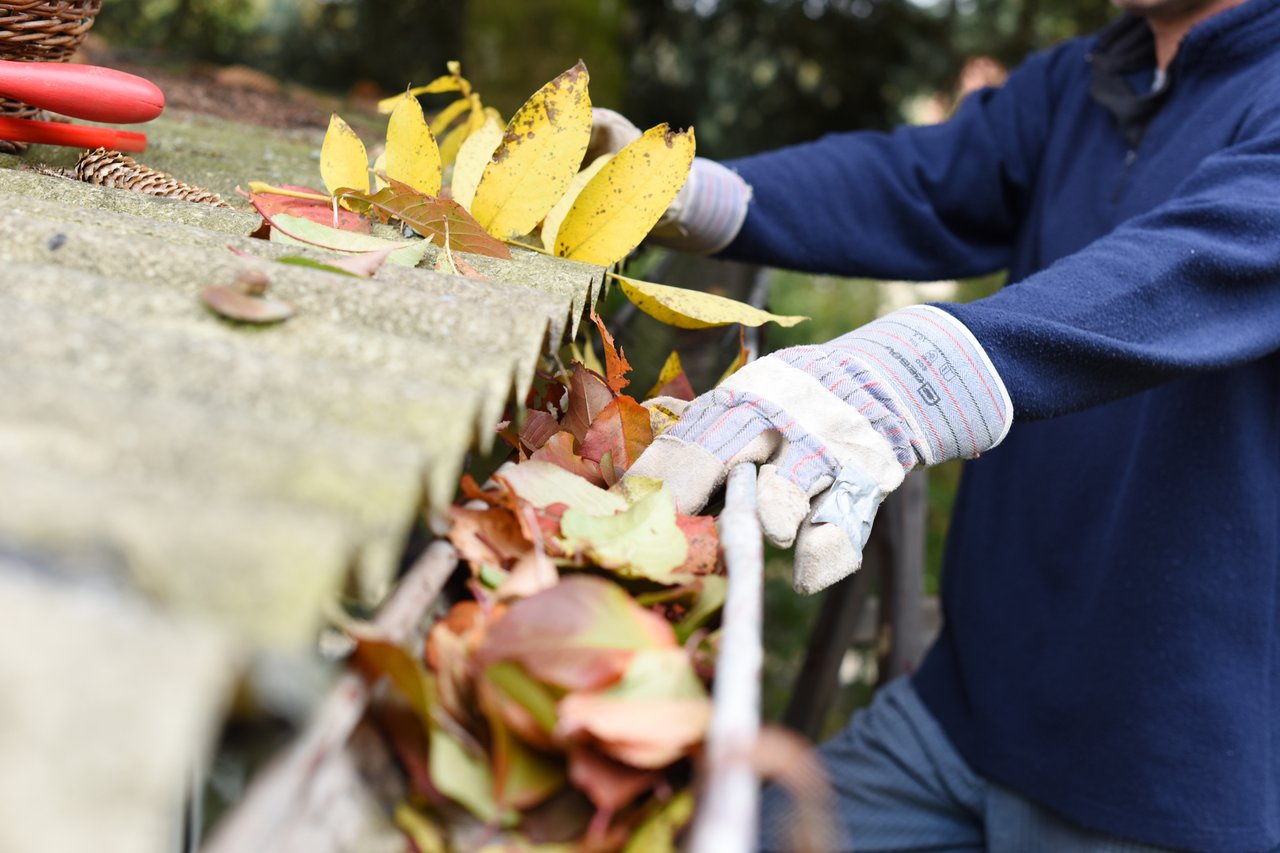
3. Clear Your Gutters and Test Downspouts
Chicago's heaviest storms are still ahead. Clogged gutters are the most common cause of basement flooding we see.
The full check:
-
Clear all leaves, twigs, and shingle grit from gutters
-
Flush them with a hose to confirm flow
-
Confirm downspouts drain at least 4 feet from the foundation (extensions are $15 at any hardware store)
-
Look for sagging sections. Gutters should slope slightly toward the downspout.
-
Check the seams and corners for separation or rust
If you've never had your gutters professionally cleaned, this is the year to start. $150 and you can stop thinking about it.
The Rest of the List
Outdoor Plumbing
-
Turn on outdoor hose bibs slowly and watch for leaks inside the house. If a pipe froze and split over winter, you'll know within 30 seconds.
-
Inspect garden hoses for cracks. Replace washers in spray nozzles.
-
Test irrigation systems zone by zone. Look for broken heads, leaks, or zones that aren't pressurizing.
-
Sump pump test: pour a bucket of water into the pit and confirm it kicks on, pumps out cleanly, and shuts off. Storm season is no time to find out it's failed.
Exterior Walk-Around
-
Foundation: look for new cracks, especially horizontal ones (those need professional eyes). Hairline vertical cracks are usually cosmetic.
-
Caulk and seals around windows, doors, and where siding meets trim. Re-caulk anywhere it's pulled away.
-
Paint touch-ups on trim, doors, and any wood that's exposed to weather. Bare wood will rot faster than you think.
-
Roof: from the ground or a ladder, look for missing shingles, lifted edges, or anything around chimneys and vents that looks off.
-
Driveway and walkways: seal small cracks now before water freezes in them next winter and turns them into trip hazards.
Yard and Landscaping
-
Trim trees and shrubs at least 3 feet from the house, including over the roof. Branches scraping siding cause damage and give pests a highway in.
-
Mulch beds for moisture retention and curb appeal. Two to three inches, kept a few inches off tree trunks.
-
Aerate and overseed any thin lawn patches before summer heat sets in.
-
Lawn equipment: sharpen the mower blade, change the oil, fill the gas can. A dull blade tears grass instead of cutting it and stresses your lawn through the worst of summer.
Inside the House (The Quick Stuff)
-
Reverse ceiling fan direction to counterclockwise, which pushes cool air down
-
Clean dryer vent ducts. Lint buildup is a real fire hazard, and clogged vents kill efficiency.
-
Vacuum refrigerator coils (back or bottom of the fridge). Dirty coils make your fridge work harder and run hotter.
-
Test smoke and CO detectors and replace batteries
-
Check window screens for tears. Patch or replace before mosquito season.
Pest Prevention
-
Walk the perimeter looking for entry points: gaps around utility penetrations, foundation cracks, dryer vent flaps that don't close properly
-
Seal gaps with steel wool plus caulk for anything mouse-sized or larger
-
Standing water audit: any saucer, bucket, gutter pool, or birdbath is a mosquito breeding ground. Empty and refresh weekly.
-
If you're seeing ants already, treat the perimeter now. It's much easier to prevent a colony than to evict one in July.
Safety and Storm Prep
-
Grill safety: clean the grates, check propane connections with soapy water (bubbles mean a leak), and confirm the grill sits at least 10 feet from the house
-
Test your sump pump backup battery if you have one. They typically last 3 to 5 years.
-
Know where your main water shutoff is. If a pipe bursts during a storm, you don't want to be Googling it.
-
Storm kit refresh: flashlights, batteries, a few gallons of water. Chicago will absolutely throw a multi-hour outage at you in July.
High-ROI Moves If You're Thinking About Selling
If a move is on the horizon, even a year out, these are the upgrades that pay back the most when you list:
-
Power-wash everything. Siding, deck, fence, walkways, garage door. A $200 rental delivers a $3,000 visual upgrade.
-
Refresh the front door with paint and new hardware. Buyers' first impression starts at the curb.
-
Mulch, edge, and plant. Fresh mulch and a few healthy planters at the entry signal that this home is cared for.
-
Stage the patio or deck with one good outdoor seating arrangement. Buyers walking through in June and July are imagining summer in your home. Show them.
-
Touch up exterior paint on trim, doors, and any visible wood. Peeling paint is the first thing inspectors flag and the first thing buyers see.
One Last Thing
Two hours a weekend across the next three weekends, and you've handled the list. Chicago summers are too short to spend any of them on hold with an HVAC company.
If you'd like our preferred vendor list (HVAC, gutter pros, deck contractors, painters), just reach out.
Your Broker for Life, The Vesta Preferred Team