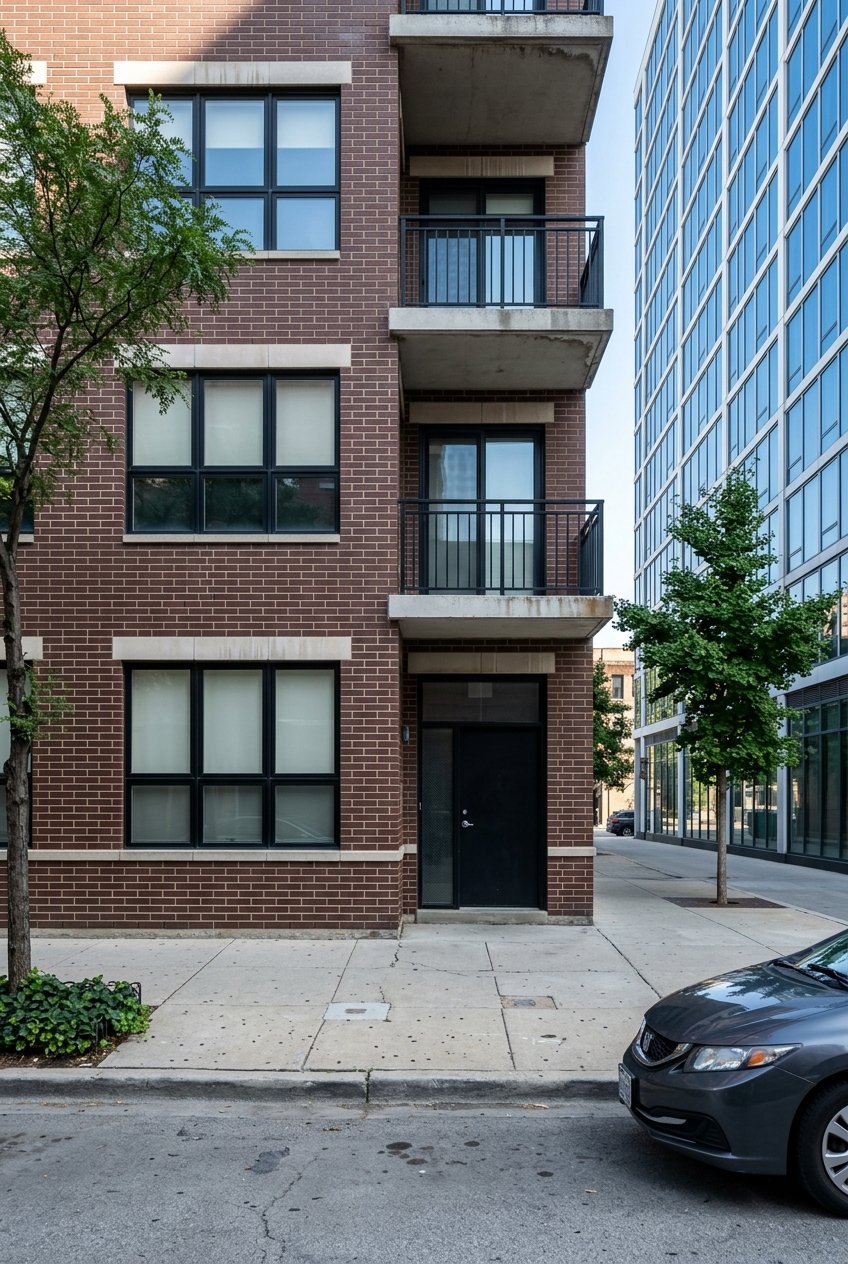
Choosing between a high-rise and a walk-up condo in Lincoln Park is not just about price. It is about how you want your day to feel when you leave for work, carry in groceries, host friends, or head out to the lakefront. If you are trying to decide which option fits your lifestyle, budget, and long-term goals, this guide will help you compare the tradeoffs clearly. Let’s dive in.
Lincoln Park offers both options
Lincoln Park gives you a real choice between building styles, which is part of what makes the neighborhood so appealing to condo buyers. According to CMAP’s Lincoln Park community snapshot, 43.4% of housing units are in buildings with 20 or more units, while 14.1% are in 3 to 4 unit buildings and 12.8% are in 5 to 9 unit buildings.
That mix means you can find everything from vintage walk-ups to larger elevator buildings without leaving the neighborhood. Lincoln Park also has a large share of older housing stock, with 33.9% of homes built before 1940, which helps explain why so many buyers are drawn to classic low-rise condo buildings here.
Pricing can vary widely depending on the building, unit size, and location. Redfin’s Lincoln Park condo page shows condos listed around a median price of $675K, while its neighborhood market snapshot reports a median sale price of $757K in February 2026 and about 56 days on market. For a deeper look at how inventory and days on market shape buyer leverage, see our Lincoln Park condo market breakdown.
High-rise condos in Lincoln Park
A high-rise condo usually means elevator access, more shared amenities, and a more full-service building setup. In Lincoln Park, these buildings often appeal to buyers who want convenience and a smoother daily routine.
High-rise benefits
One of the biggest advantages is ease. As Redfin notes in its overview of high-rise living, elevator buildings can make everyday tasks simpler, especially when you are moving furniture, carrying packages, or coming home with groceries.
High-rises may also offer features like front-desk service, on-site maintenance, added security features, or parking. For some buyers, the value is not just the unit itself but the predictability and convenience of the building experience.
Views can also be a major draw. With Lincoln Park’s 1,188.62-acre lakefront park system, some buyers are willing to pay more for a higher floor that offers open sightlines or easier access to the lakefront lifestyle.
High-rise tradeoffs
Those conveniences usually come with higher monthly carrying costs. According to Fannie Mae’s HOA guidance, association fees often reflect a building’s location, age, condition, amenities, and reserve funding needs.
In practical terms, Lincoln Park high-rises often have higher dues because elevators, staff, parking, security, and other shared systems cost money to maintain. That does not automatically make them a worse value, but it does mean you need to look closely at what your monthly assessment actually includes.
High-rises can also mean more neighbors, more shared systems, and more dependence on elevators. If building operations matter to your peace of mind, review that side of the purchase as carefully as you review the unit itself.
Walk-up condos in Lincoln Park
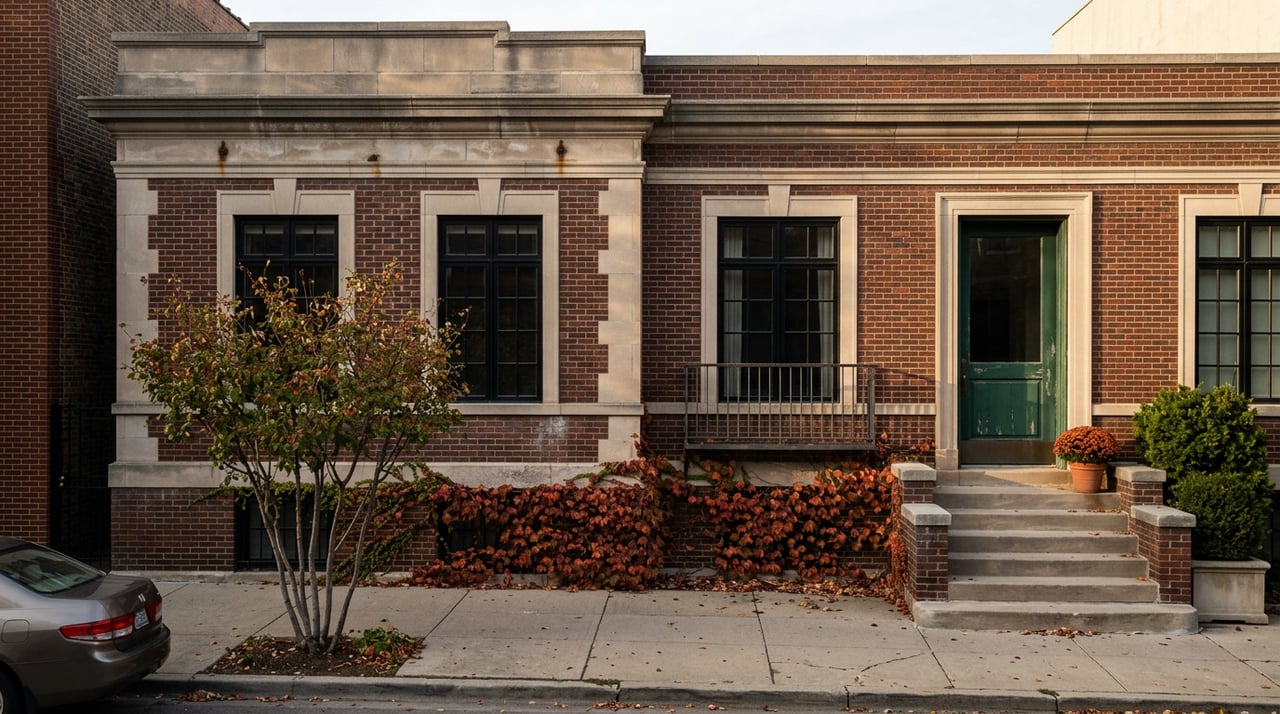
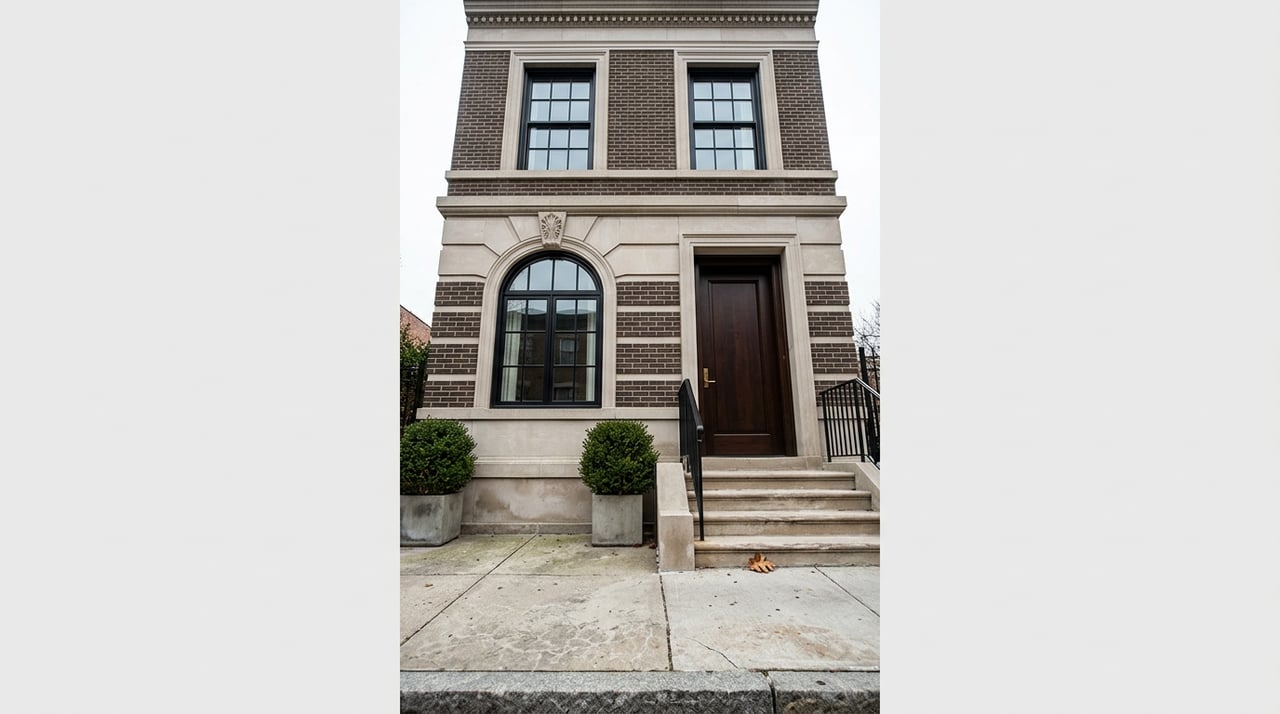
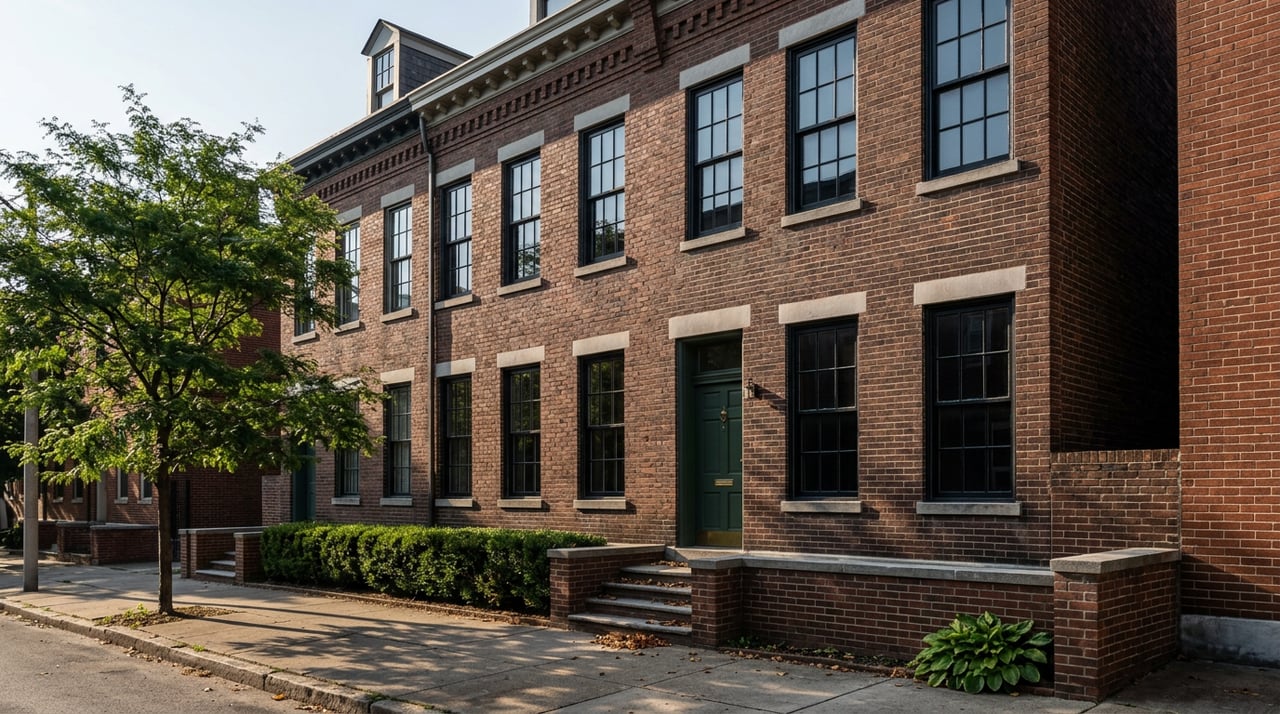
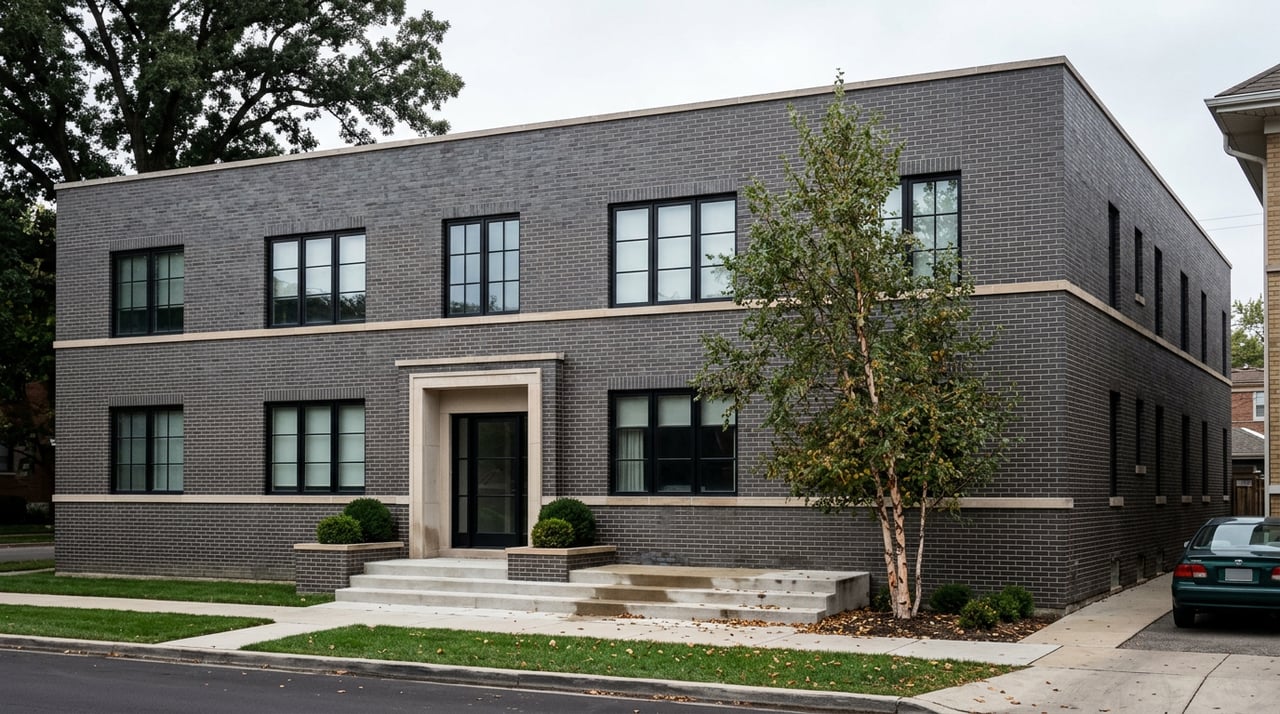
Walk-up condos offer a different kind of appeal. In Lincoln Park, they often give you a more intimate building feel, vintage architecture, and a lower-density living experience.
Walk-up benefits
According to Apartments.com, walk-ups are typically two- to six-story buildings without elevators and often have fewer units and fewer amenities. In Lincoln Park, that often translates to more architectural character and a more classic Chicago condo feel.
Many buyers like the scale of a smaller building. Fewer shared systems can mean a simpler ownership structure, and in some cases lower monthly dues than a high-rise with more amenities.
Walk-ups can also offer a sense of privacy because there are fewer neighbors. If you want a home that feels more residential and less like a managed building environment, a walk-up may line up better with your preferences.
Walk-up tradeoffs
The obvious tradeoff is stairs. If you expect to carry groceries, move strollers, bring in deliveries, or simply want a lower-friction daily routine, that can become a bigger issue than it seems during a quick showing.
Older buildings can also come with quirks. Apartments.com notes that walk-ups may have creaky floors, thinner walls, or smaller layouts compared with newer or larger buildings.
Lower dues are common, but they are not guaranteed. An older building with deferred maintenance or weak reserves can still lead to costly repairs or special assessments, so you should not assume a smaller building is automatically cheaper in the long run.
Daily life matters more than labels
The high-rise versus walk-up decision usually becomes clearer when you think about your day-to-day routine. Instead of asking which type is better, ask which type feels easier for the way you live.
Consider noise and privacy
Noise works differently in each type of building. Redfin explains that high-rises can be quieter above street level, but they also place you around more neighbors and shared systems.
Walk-ups may feel more private because they have fewer units, but older construction can allow sound to travel through floors and walls more easily. The real question is whether you prefer height from the street or fewer neighbors in a smaller building.
Think about outdoor access
Outdoor space also looks different in each option. High-rises tend to rely more on balconies or rooftop decks, while low-rise buildings may offer easier access to smaller shared yard areas or simpler entry to the street.
In Lincoln Park, public outdoor access changes this equation a bit. With the lakefront and major park space close by, some buyers are comfortable trading private green space for location and convenience.
Check your comfort with stairs
Accessibility can be a deciding factor. Redfin notes that elevator access is a major convenience for movers, groceries, strollers, and aging in place.
That does not mean a walk-up is the wrong choice. It simply means you should be honest about whether stairs will still feel fine after the excitement of the purchase wears off.
Lincoln Park location can outweigh building type
One reason this decision is so personal in Lincoln Park is that the neighborhood already supports a convenient, car-light lifestyle. CMAP reports that 32.6% of households have no vehicle, and 29.7% of workers commute by transit.
Redfin also gives Lincoln Park a Walk Score of 94. That level of walkability means some buyers are happy to accept a walk-up if it gives them a better location, lower carrying cost, or more space.
In other words, if both buildings place you close to the parks, transit, and everyday destinations you use most, the right answer may come down to building operations and monthly costs rather than style alone. Nearby neighborhoods like Old Town and Lakeview offer similar walkability with their own building mix if you want to widen the search.
Resale depends on the building
If you are thinking ahead to resale, Lincoln Park remains a strong condo market. Redfin describes the neighborhood market as somewhat competitive, and the Cook County Assessor’s 2024 data cited in the research shows condo prices in Lincoln Park rose 11% from 2020 to 2024.
Still, resale appeal is usually more building-specific than style-specific. A well-run walk-up can outperform a poorly managed high-rise, and the reverse is also true. If you plan to sell down the road, understanding how to price a Lincoln Park condo starts with your building's comp set, not a neighborhood average.
What buyers should review before making an offer
Before you move forward on any condo, review the building as carefully as the unit. Start with these items:
- HOA budget
- Reserve balance or reserve study
- Recent meeting minutes
- Master insurance coverage
- Past or pending special assessments
- Monthly assessment amount and what it covers
- Parking setup, if relevant to your needs
Fannie Mae’s HOA overview makes it clear that fees, reserves, and association responsibilities can differ a lot from one building to another. In Lincoln Park, that often matters more than whether the building is tall or small.
Which condo style may fit you best
If you want a simple way to frame the choice, start with your priorities rather than the listing photos.
A high-rise may fit better if you want:
- Elevator convenience
- Views or higher-floor privacy from the street
- On-site management or maintenance support
- A more full-service building experience
- Amenities that make daily life easier
A walk-up may fit better if you want:
- Vintage character
- Fewer shared systems
- A smaller building feel
- Potentially lower monthly dues
- A more classic Lincoln Park condo experience
The right fit comes down to how you want to live, what monthly payment feels comfortable, and how much building complexity you are willing to take on.
If you are weighing condo options in Lincoln Park, the best next step is to compare specific buildings side by side, not just broad categories. The team of top Chicago real estate agents at Vesta Preferred Realty can help you narrow the options, review building details, and find a condo that fits both your lifestyle and your numbers.
FAQs
Are high-rise condos in Lincoln Park always more expensive?
- Not always. High-rises often have higher monthly assessments because they may include more amenities, staff, and shared systems, but pricing still depends on the unit, building condition, and location.
Do walk-up condos in Lincoln Park always have lower HOA fees?
- Often, but not always. Older buildings with underfunded reserves or deferred maintenance can still have high costs or special assessments.
Which has better resale in Lincoln Park: a high-rise or a walk-up?
- Resale usually depends more on the specific building’s reserves, condition, layout, location, and management than on building type alone.
Is a walk-up condo in Lincoln Park a good fit for car-free living?
- It can be. Lincoln Park’s strong walkability and transit access make car-light living realistic for many buyers, even in smaller buildings without elevators.
What should you review before buying a Lincoln Park condo?
- You should review the HOA budget, reserve balance, meeting minutes, insurance coverage, monthly assessments, and any history of special assessments before making an offer.