NEIGHBORHOOD GUIDE
A Lakefront Park, Landmark Row Houses, and the Old Town Art Fairs on Chicago's North Side
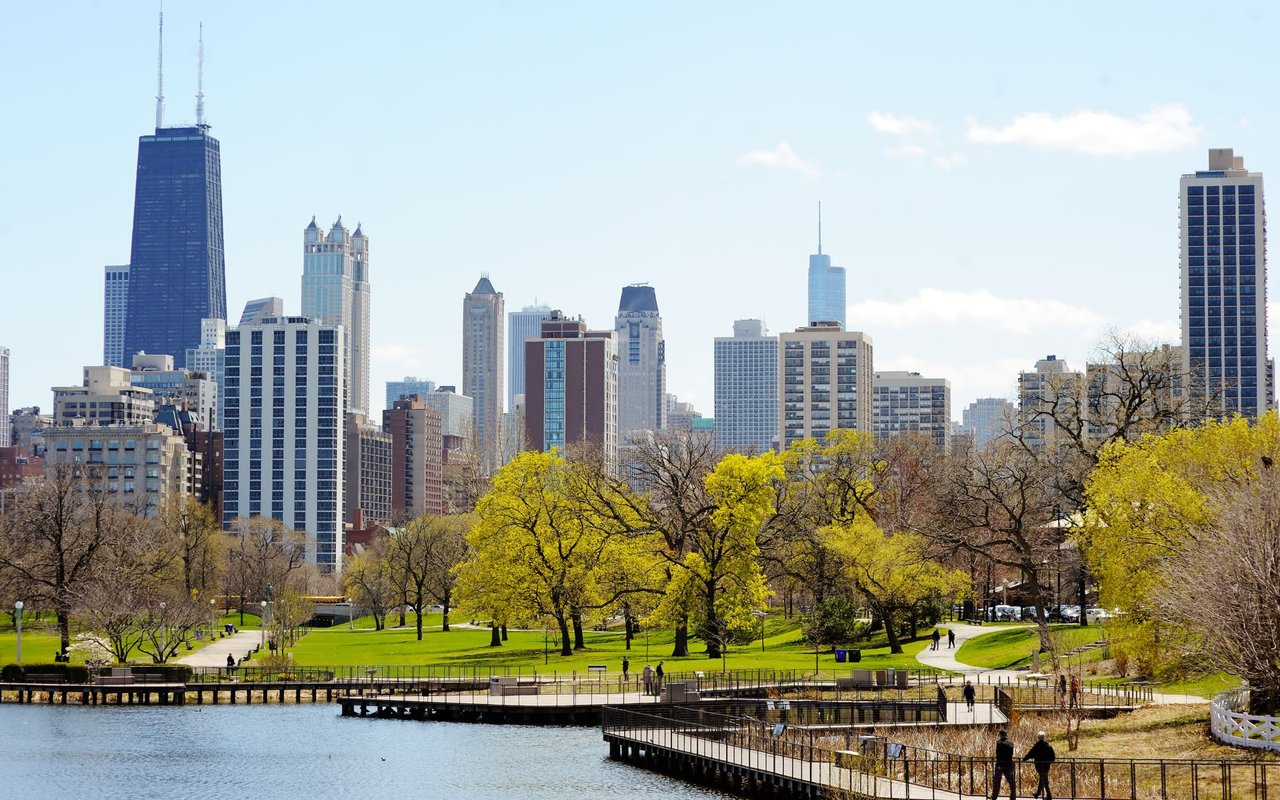
In 1865 the city took a strip of lakefront it had been calling Lake Park and renamed it for Abraham Lincoln, who had been assassinated that spring. Part of that land was still the city cemetery. Burials stopped in 1866 and the graves were moved out over the following years, but one building was left behind: the Couch Tomb, a small stone vault from 1858 that still sits in the bend of LaSalle Drive behind the Chicago History Museum. Nobody has established why it was spared. The neighborhood that took the park's name grew up around it, and it holds a little of everything Chicago built on the North Side after the 1871 fire: brick row houses from the 1870s, a few wood workers' cottages that predate the fire, a university, and a zoo that opened in 1868 and is still free.
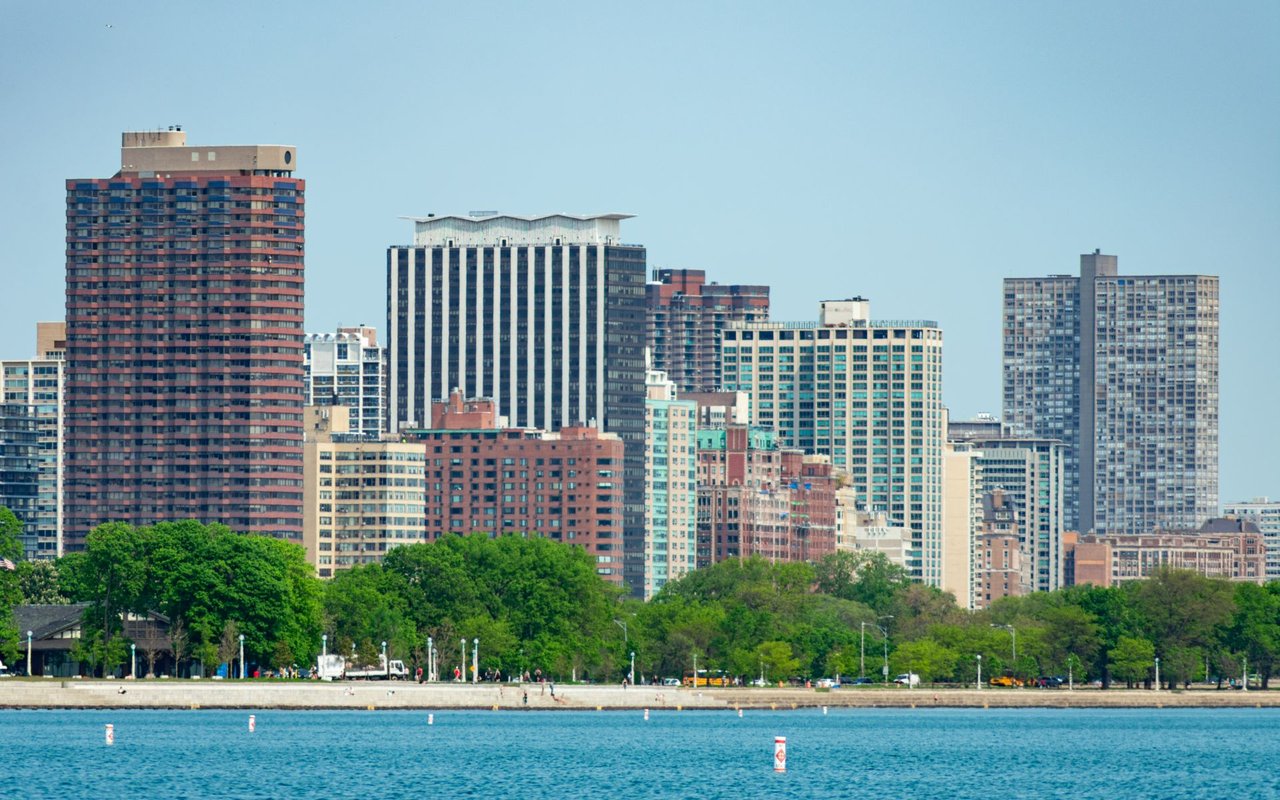
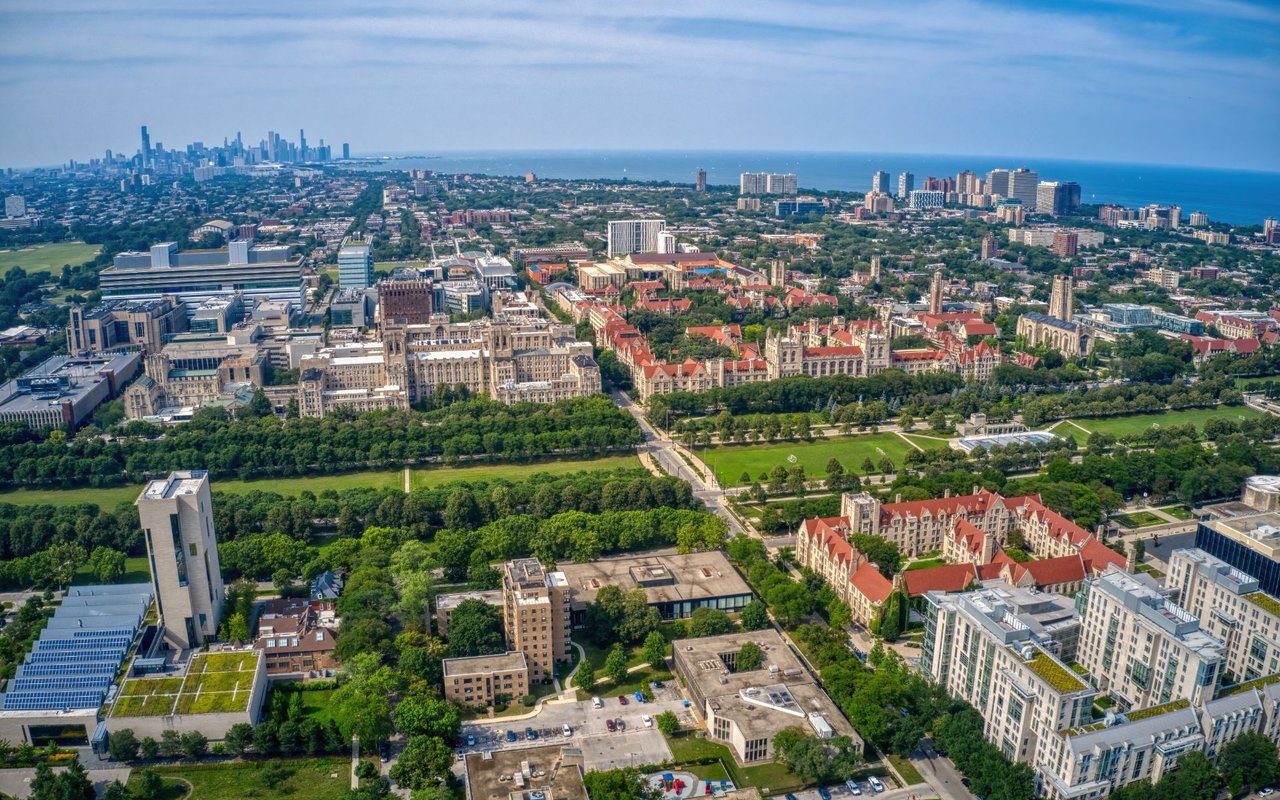
Lincoln Park is two things with one name: a lakefront park that runs for miles, and a Chicago community area. The community area is generally bounded by North Avenue on the south, Diversey Parkway on the north, the Chicago River on the west, and Lake Michigan on the east. Inside it, residents tend to place themselves in smaller pockets, each with its own neighborhood association: Mid-North, Sheffield, Old Town Triangle, Lincoln Central, Wrightwood, Park West, and RANCH Triangle. Those groups set their own boundaries, and the lines don't always match a map, so it's worth asking which one a given block belongs to.
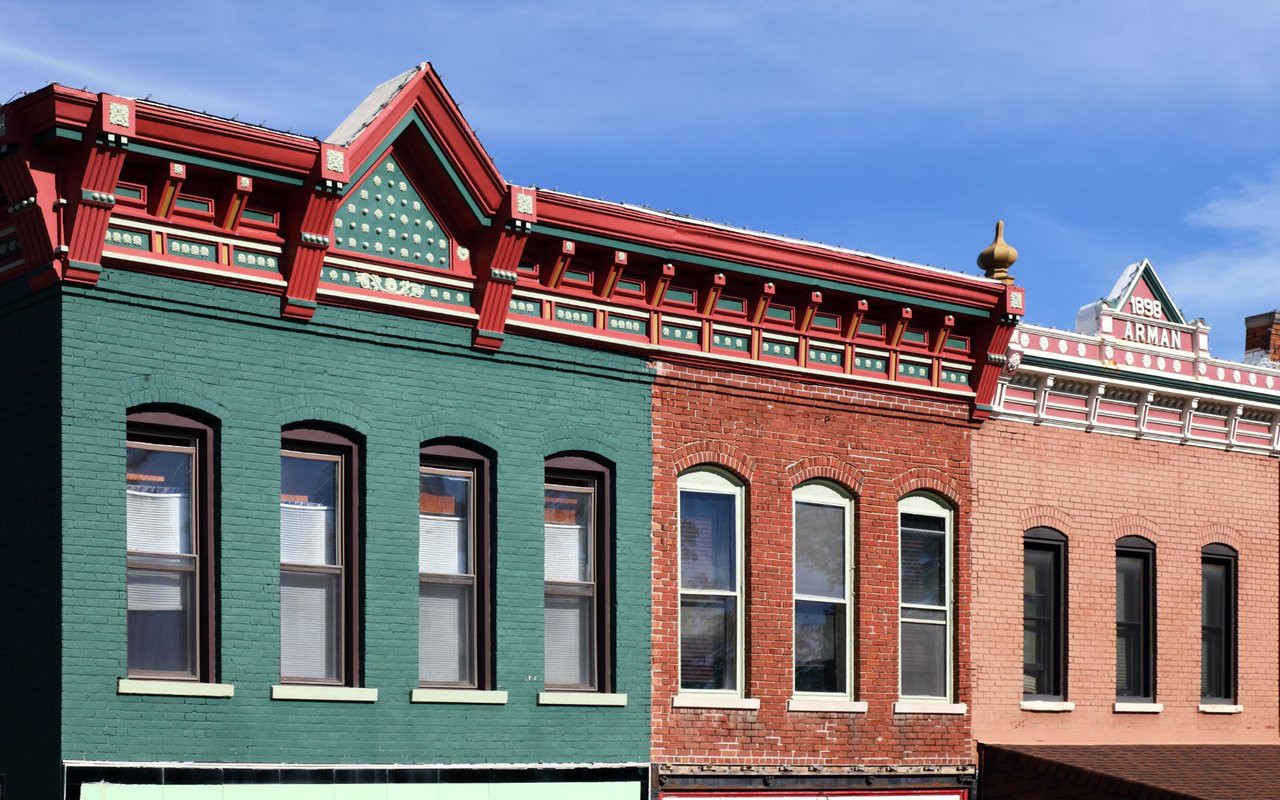
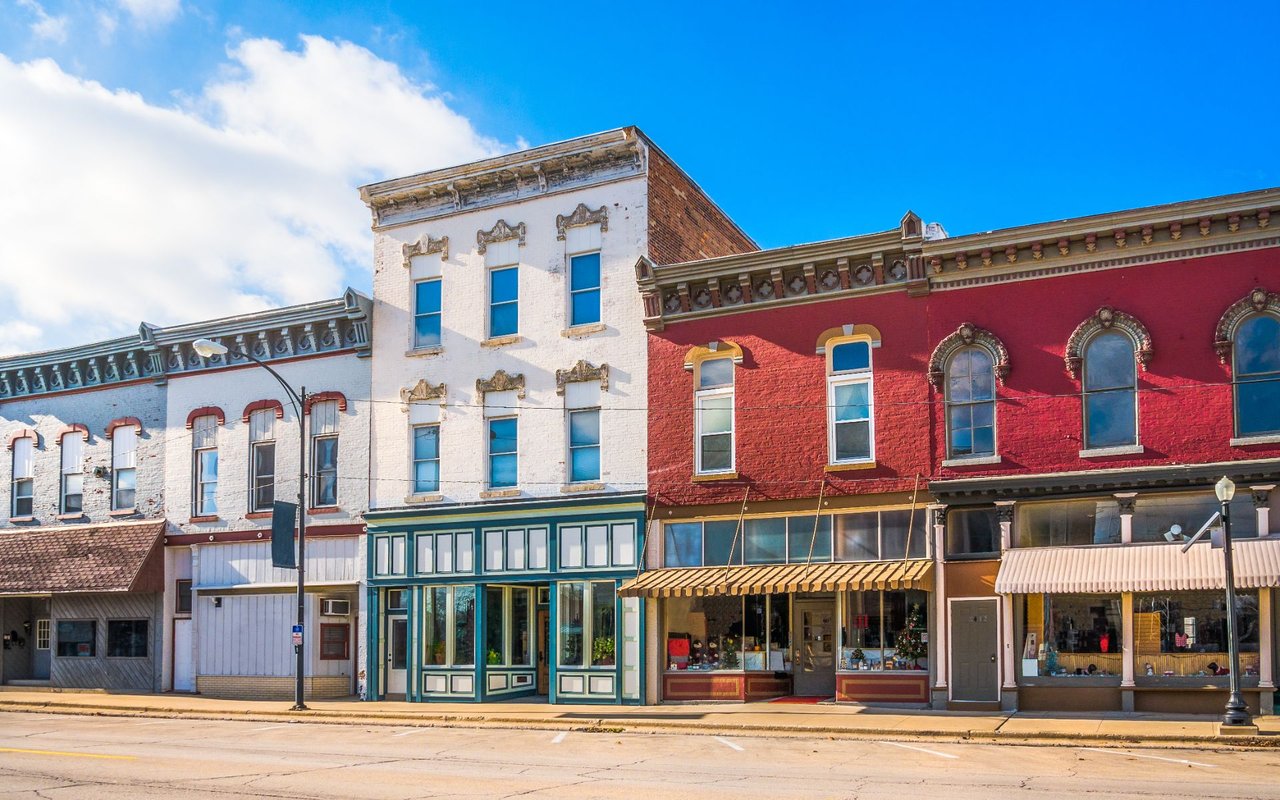
The commercial streets are Clark, Halsted, Lincoln Avenue, Armitage, and Wells. Armitage Avenue between Halsted and Racine, along with Halsted from Armitage to Webster, is a landmarked streetscape of brick storefronts with pressed-metal bays, cornices, and corner turrets. Old Town, which has its own Chicago Landmark district, sits along the southern edge of the neighborhood and reaches into the Near North Side.
The city set aside 60 acres of lakefront as Lake Park in 1860 and renamed it Lincoln Park five years later. The Lincoln Park Commission, created by the state in 1869, took over the park's growth, and the zoo had already opened in 1868 with two swans donated by Central Park in New York. Lake Shore Drive went through the park in 1875, and the conservatory was built in stages between 1890 and 1895. The Chicago Historical Society, founded in 1856, lost its first building in the 1871 fire and moved to its current Georgian-style home at Clark and North in 1932. It became the Chicago History Museum in 2006.
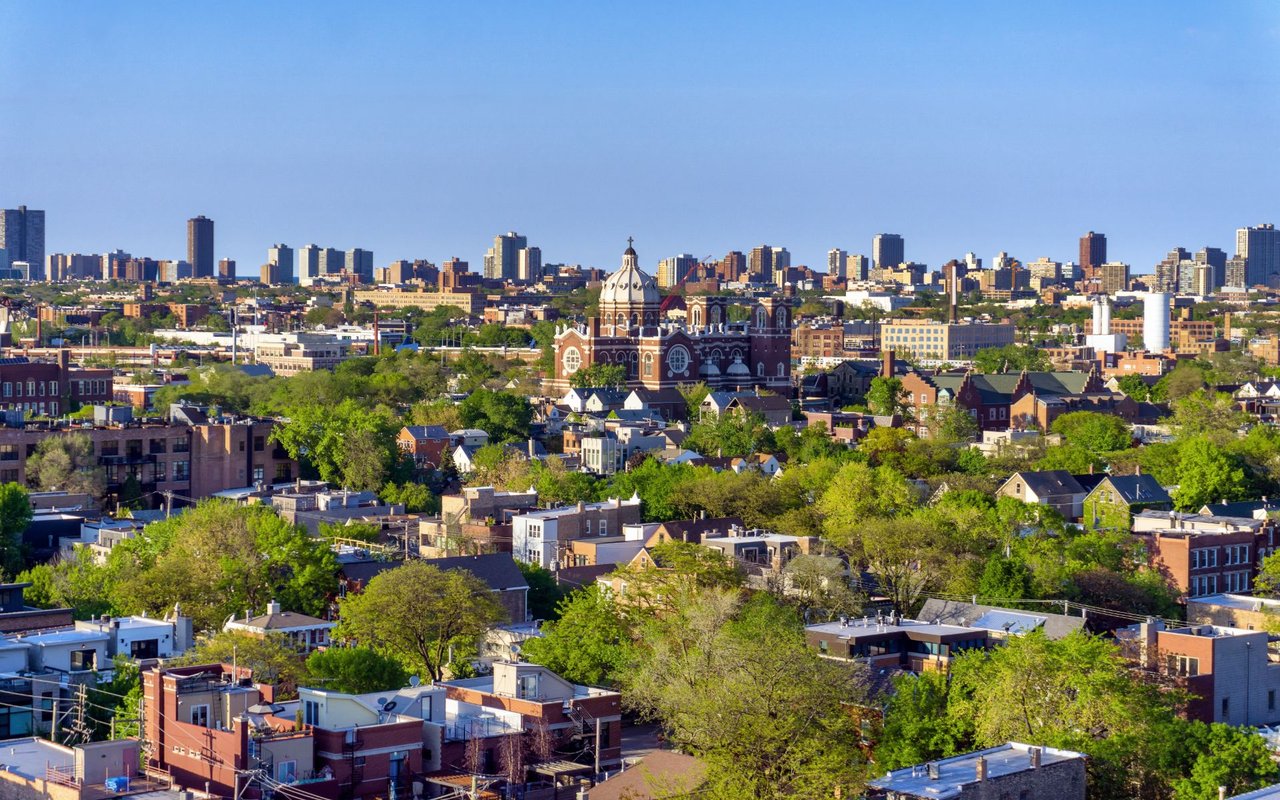
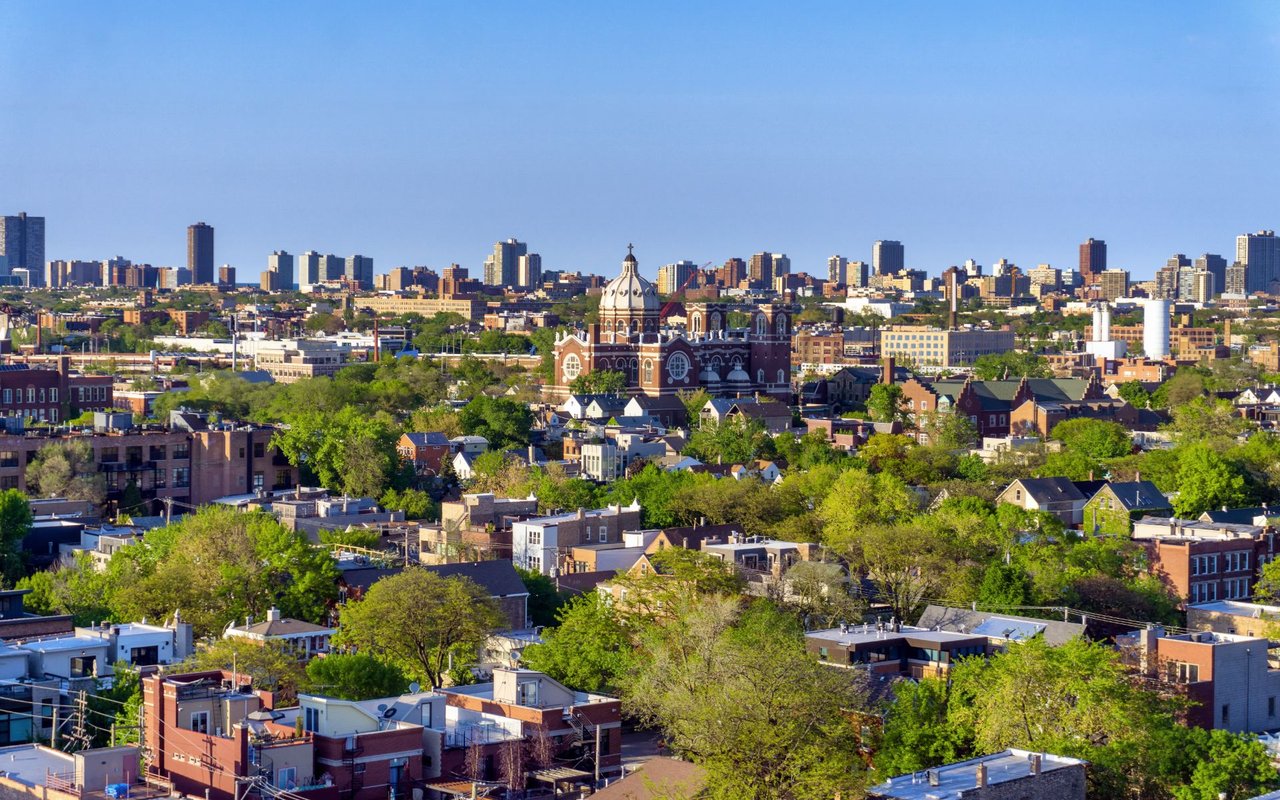
The neighborhoods around the park have older roots. German immigrants settled Old Town in the 1850s around St. Michael's Church. The fire destroyed most of their houses, and the first things rebuilt were small wood cottages, until the city banned wood construction and builders switched to brick and stone. Sheffield was built out mostly between the 1860s and the early 1900s, slid into decline between the 1920s and the 1950s, and was revived in the 1960s. Organizing came early: the Mid-North Association formed in 1950, the Lincoln Park Conservation Association in 1954, and the city named Lincoln Park a conservation area in 1956.
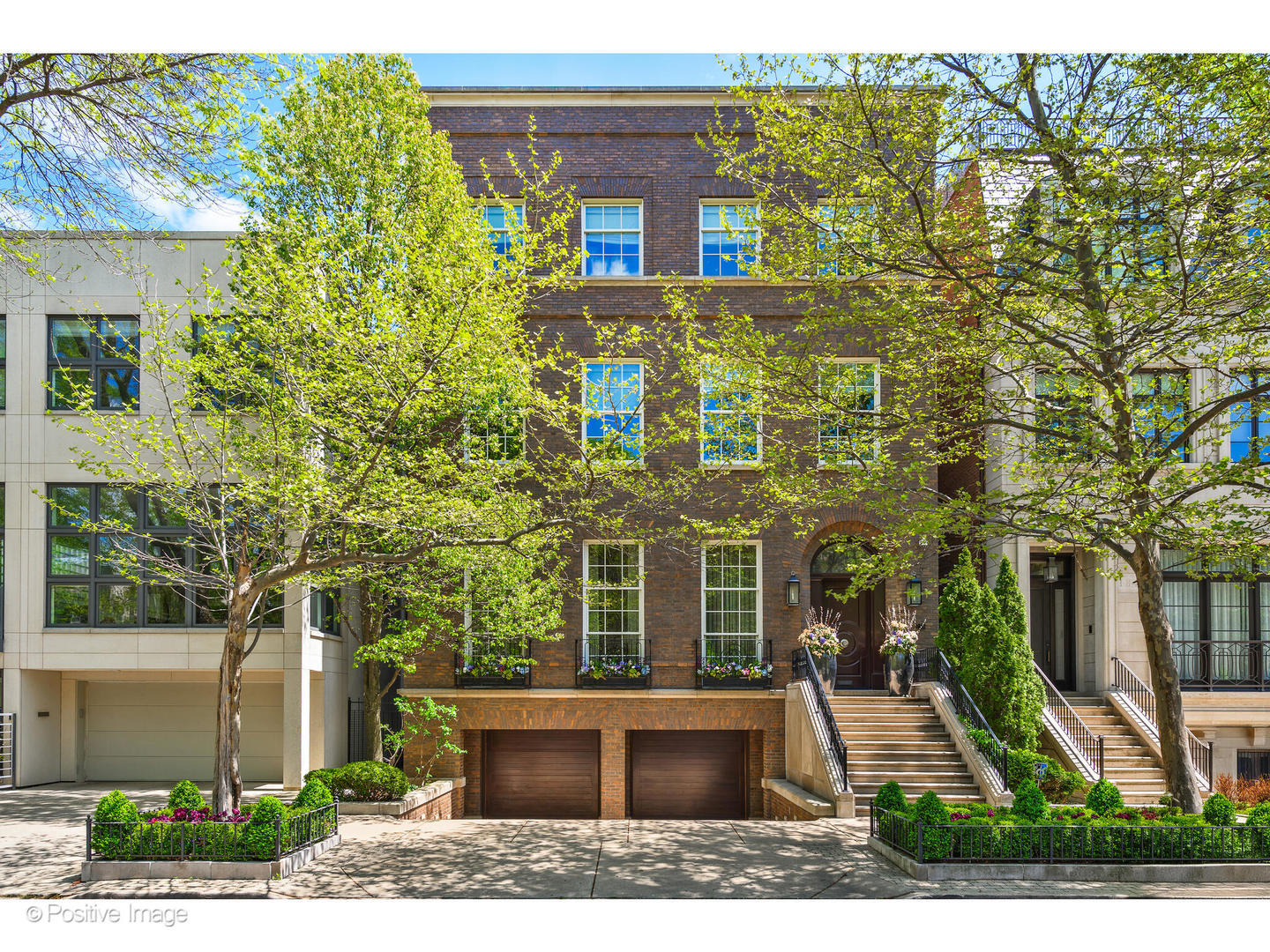
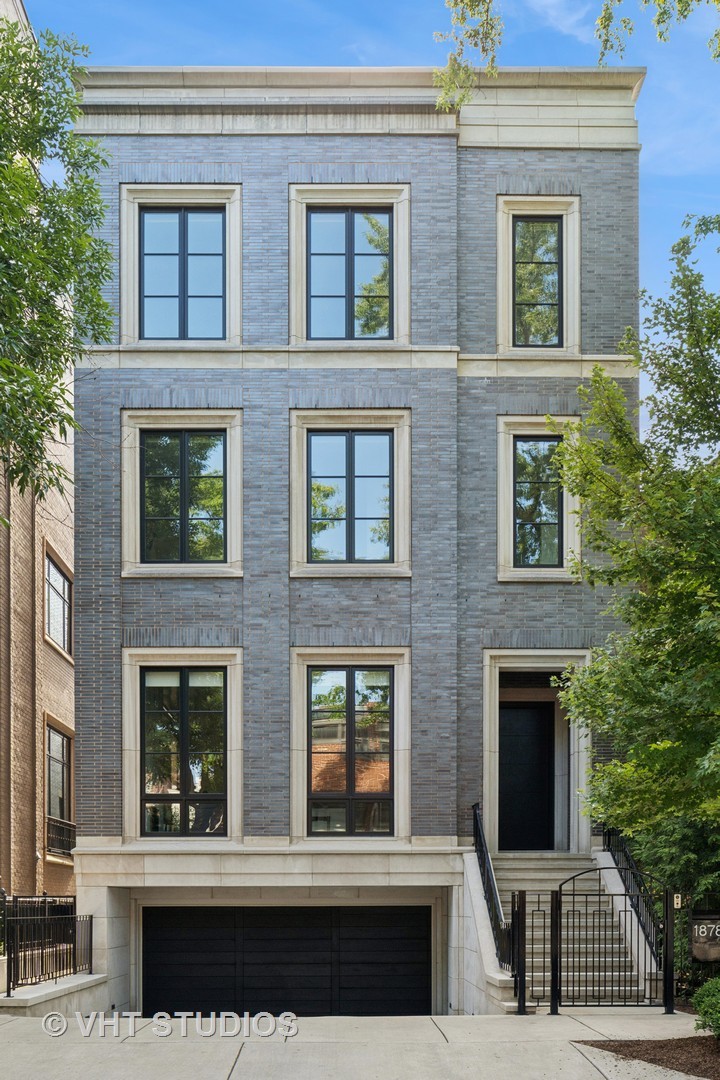
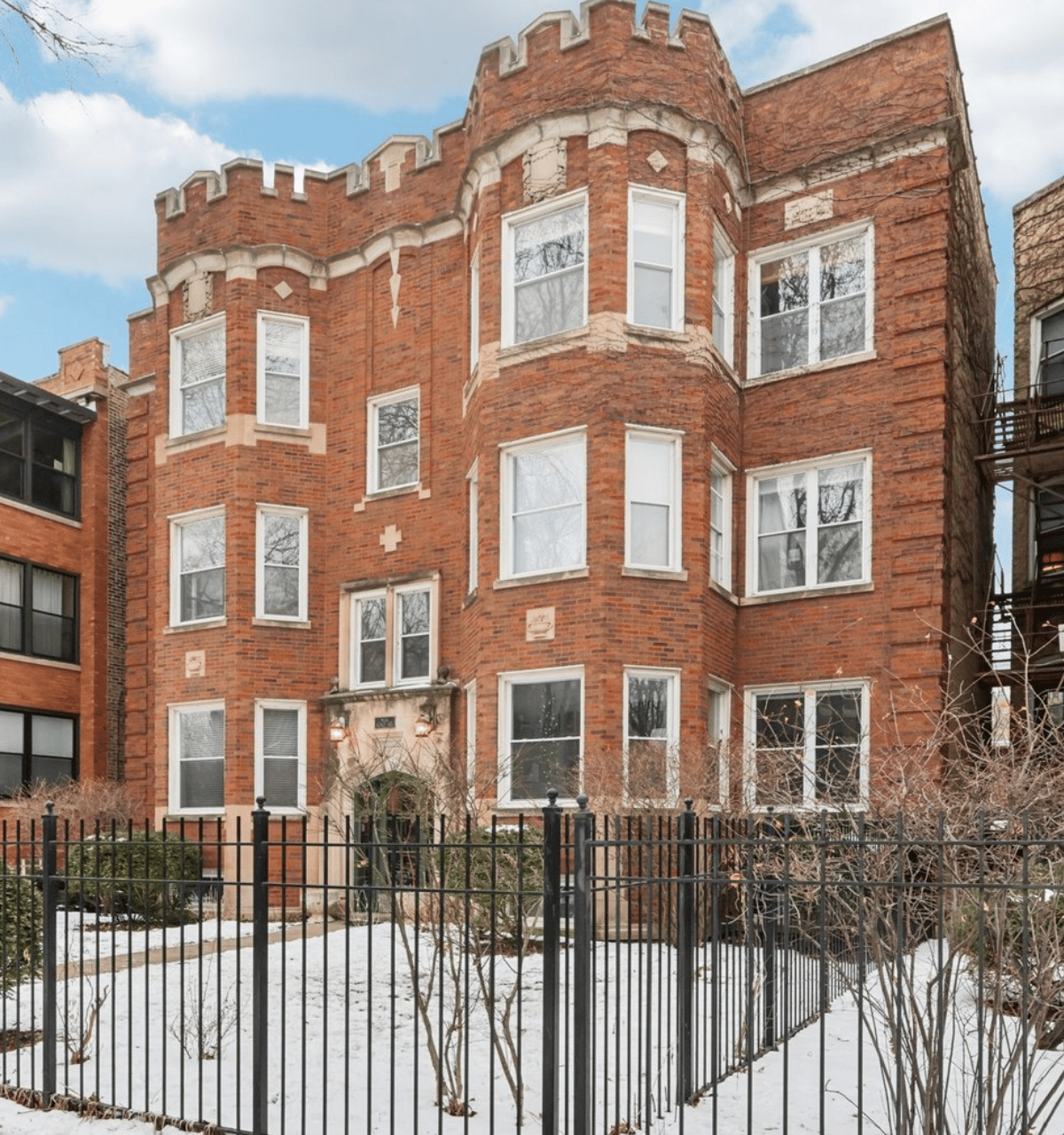
The housing changes by pocket. Mid-North is mostly brick row houses from the last three decades of the 19th century, with Italianate fronts from the 1870s, Queen Anne and Romanesque Revival homes from the 1880s, and a handful of wood cottages that were built before the fire. The Burling Row House District has ten brick row houses from 1875, and the Fremont Row House District has twenty Italianate row houses from the same year. Both are described by the city as unified compositions with a shared wood cornice, and both are among the earliest surviving groups of masonry houses built after the wood-frame ban.
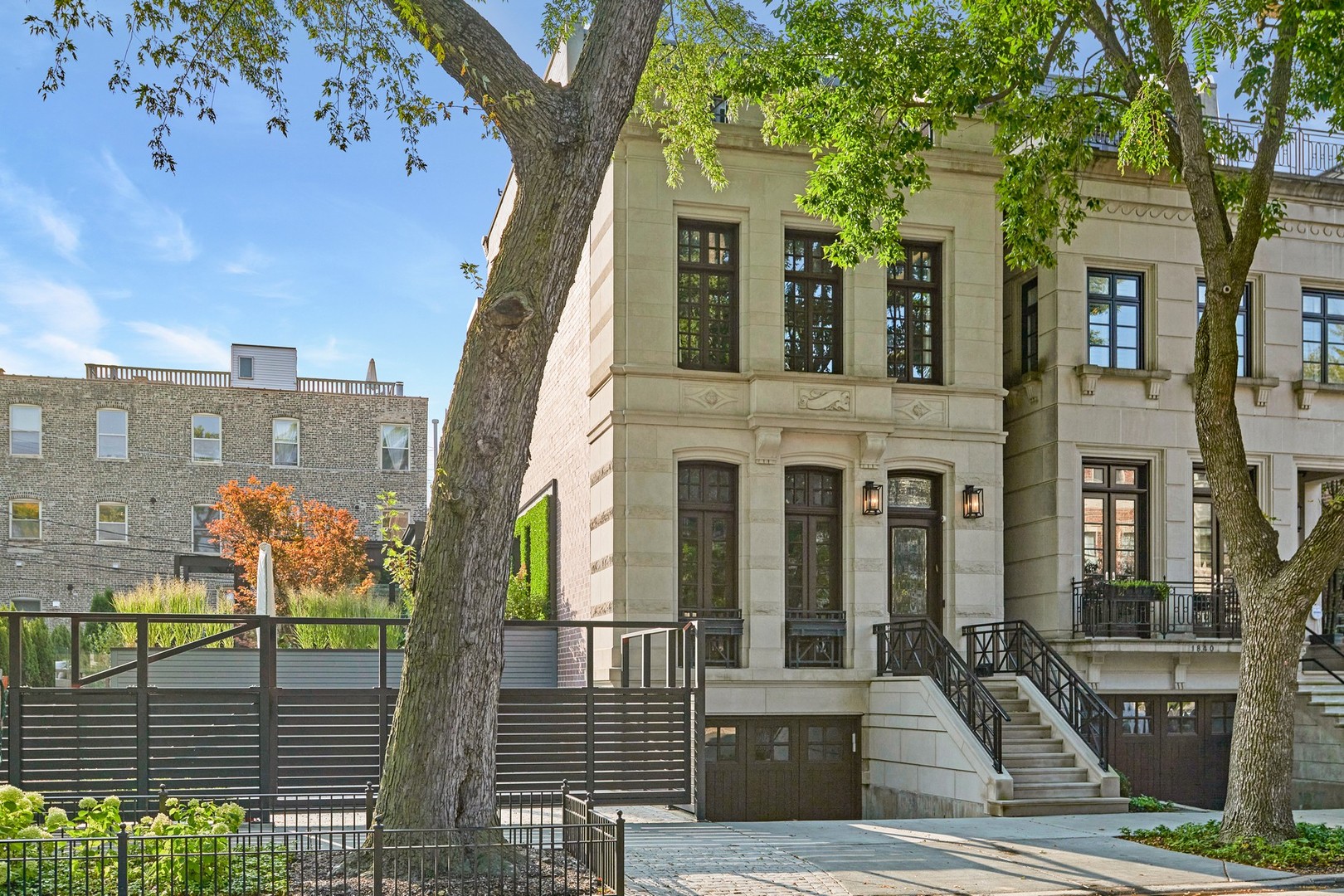
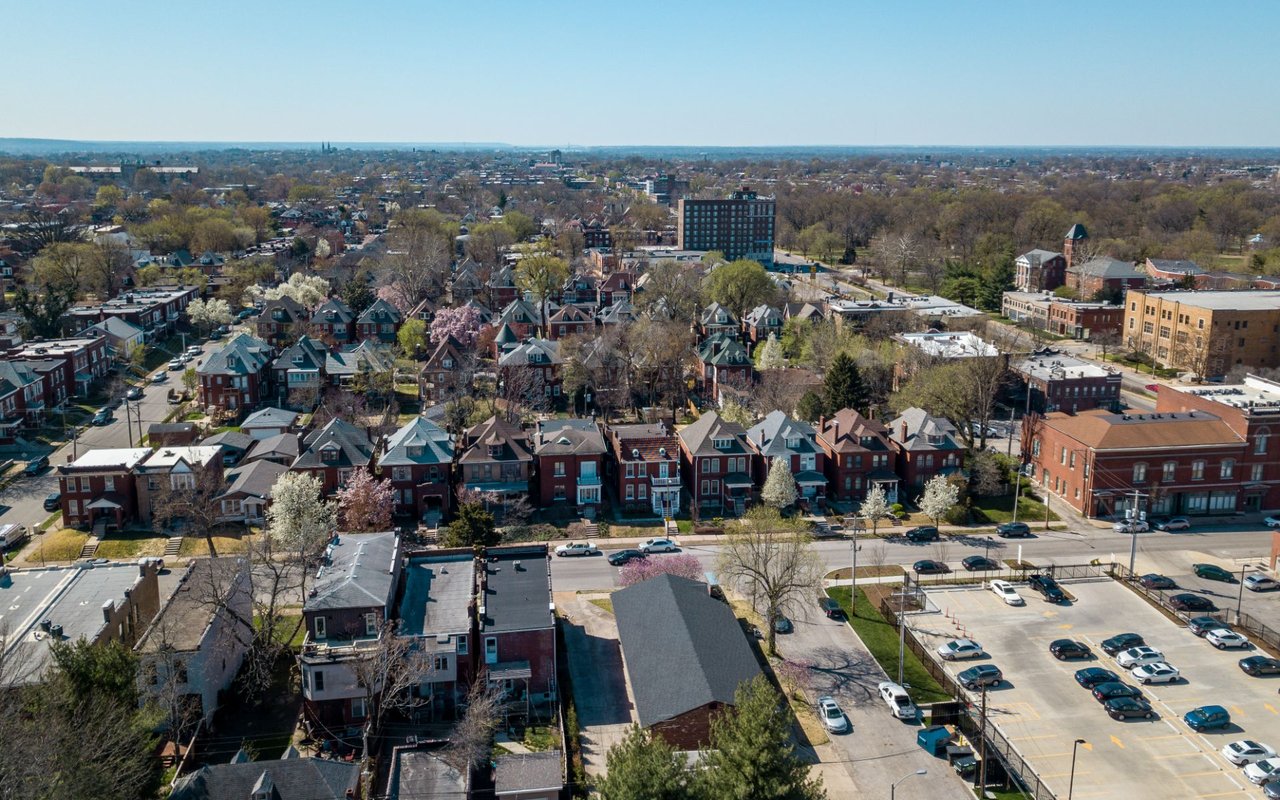
Sheffield mixes wood Italianate cottages, brick row houses, and larger Queen Anne and Romanesque homes. Its National Register listing from 1976 doesn't carry protection on its own, and Chicago Landmark districts cover only part of the neighborhood, so the status of a given block varies. Closer to the park, developers put up high-rise apartment buildings after the war while older houses elsewhere were renovated.
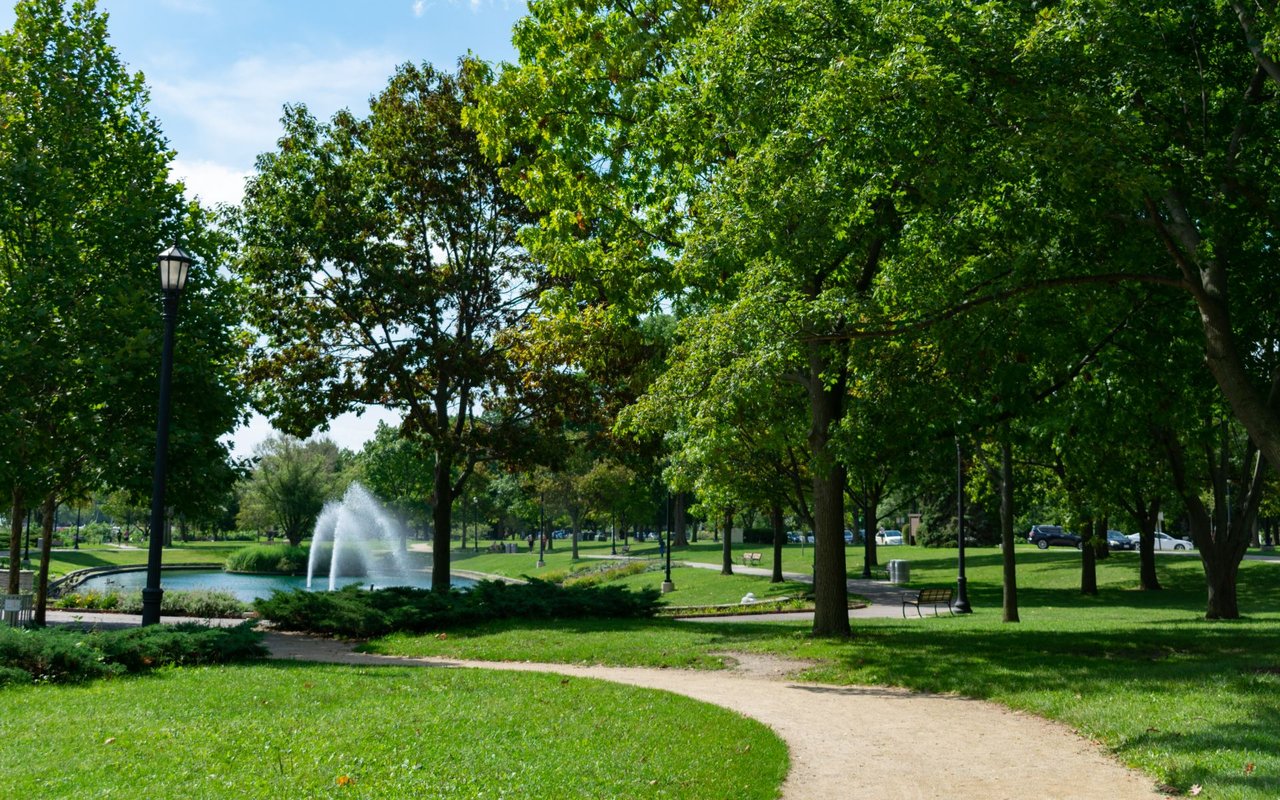
Lincoln Park (the park) runs for miles along the lake, and most of the neighborhood's best-known institutions sit inside it. Lincoln Park Zoo, free every day, began as a pair of swans. The Lincoln Park Conservatory is also free, with palm, orchid, and fern rooms, the Eli Bates Fountain from 1887, and about 14 acres of surrounding gardens. The Alfred Caldwell Lily Pool, a three-acre landscape from the 1930s, was named a National Historic Landmark in 2006. Cafe Brauer, from 1908, and the Kovler Lion House, from 1912, were both designed by Dwight Perkins. Studio Gang's Nature Boardwalk restored the South Pond with a wetland, outdoor classrooms, and a boardwalk, and the Peggy Notebaert Nature Museum, in a building from 1999, has a butterfly haven.
Chicago Public Schools in the area include Lincoln Elementary on Kemper Place (K–8, a neighborhood school), LaSalle Language Academy (K–8, a magnet school focused on world languages), Oscar Mayer Magnet (PreK–8, with Montessori through grade 3 and the IB Middle Years Programme in grades 6 to 8), and Lincoln Park High School on Orchard Street (grades 9 to 12, an IB school with magnet programs in visual arts, performing arts, and advanced college prep). Francis W. Parker School, founded in 1901, is a private option. DePaul University's Lincoln Park campus is also here, and its Byrne Hall, built in 1907, is described as the university's first building. Attendance boundaries and admission rules change, so confirm any address directly with CPS.
Armitage and Halsted, Wells Street, Clark Street, and Lincoln Avenue are the main commercial corridors, each with its own mix of storefronts. Steppenwolf Theatre, founded in 1975, is at 1650 N. Halsted. The Second City opened in 1959 on North Wells and has been at 1616 N. Wells since 1967. The Biograph Theater on Lincoln Avenue, a Chicago Landmark since 2001, opened in 1914 and is where John Dillinger was shot outside in 1934. Green City Market, at 1817 N. Clark, runs April through November, with its core season on Wednesday and Saturday mornings.
In June, the Old Town Art Fair takes over the Old Town Triangle district, with its main gate at Lincoln and Wisconsin, and the Wells Street Art Festival runs the same weekend. The Sheffield Garden Walk, which has been going for more than fifty years, opens private gardens to visitors in the summer.
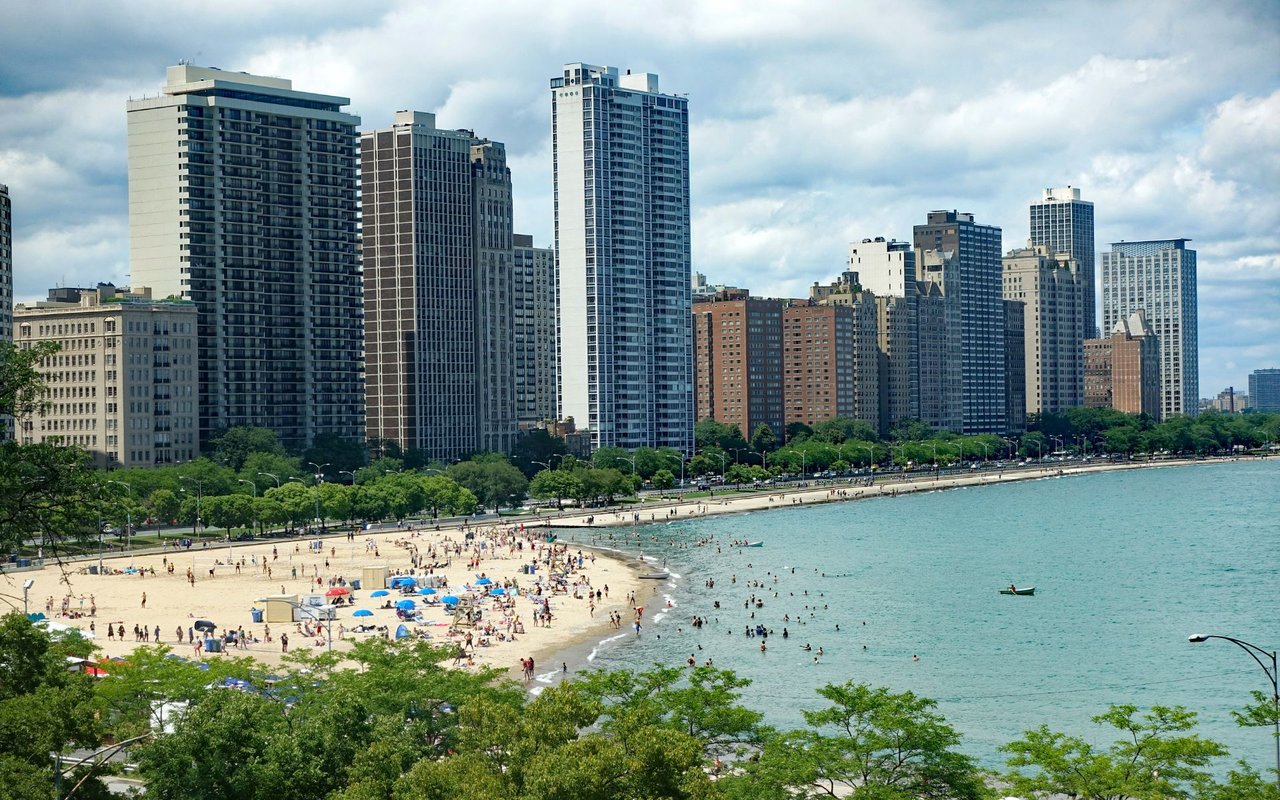
The park is open from 6 a.m. to 11 p.m. Along its length are Theater on the Lake, the Lincoln Park Cultural Center, the nine-hole Sydney R. Marovitz golf course, a driving range, an archery range, a skate park, a rowing canal, and the Belmont, Diversey, and Montrose harbors. North Avenue Beach, at the neighborhood's southern edge, has a beach house from 1999 designed by Wheeler Kearns Architects, a 22,000-square-foot building that borrows its look from an ocean liner. The Lakefront Trail, about 18 miles from Ardmore Avenue to 71st Street, passes North Avenue Beach and Belmont Harbor. The Park District repairs it in sections, so expect occasional closures.
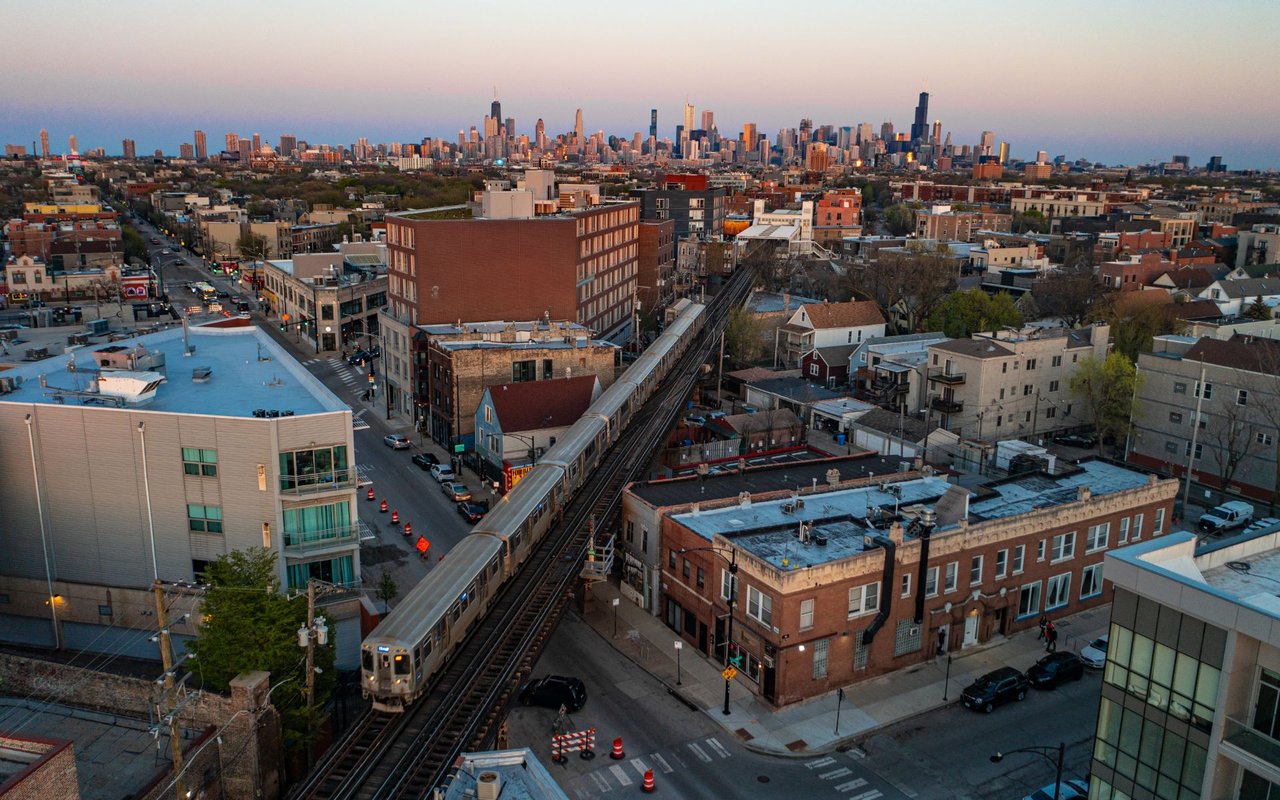
Fullerton is served by the Red, Brown, and Purple lines, with buses 37 and 74. Armitage has the Brown and Purple lines and bus 73, and Sedgwick has the Brown and Purple lines and buses 37 and 72. Metra's Clybourn station, on the UP North and UP Northwest lines, is just across the river. Lake Shore Drive, officially DuSable Lake Shore Drive since 2021, runs along the lake through the park.
Neighborhood associations do a lot of the organizing here, and several of them run the events the area is known for. The Lincoln Park Chamber of Commerce lists seven: Lincoln Central, Mid-North, Old Town Triangle, Park West, RANCH Triangle, Sheffield, and Wrightwood. The postwar revival that brought investment back also displaced lower-income residents, among them Puerto Rican and African American families, and that history is part of the neighborhood's story too.
The neighborhoods around Lincoln Park share a lake, a river, or a boundary street with it, but they differ in building types and landmark status. The table below is a general character comparison, not a market analysis.
Q. What is Lincoln Park known for?
A. The lakefront park and its free zoo and conservatory, Chicago Landmark row-house districts, Old Town, Armitage-Halsted, DePaul University, and Steppenwolf Theatre.
Q. Why is it called Lincoln Park?
A. The city renamed its lakefront Lake Park in 1865, after Abraham Lincoln's assassination. The neighborhood took the park's name.
Q. Is Lincoln Park a neighborhood or a park?
A. Both. Lincoln Park is a lakefront park of more than 1,100 acres, and it's also the name of the surrounding Chicago community area, which is bounded by North Avenue, Diversey Parkway, the Chicago River, and the lake.
Q. Is Lincoln Park Zoo free?
A. Yes. The zoo opened in 1868 and doesn't charge admission.
Q. Are there historic districts in Lincoln Park?
A. Yes. Mid-North, Old Town Triangle, Armitage-Halsted, Burling Row House, and Fremont Row House are Chicago Landmark districts, and Sheffield is on the National Register of Historic Places.
Q. What kind of homes are in Lincoln Park?
A. Brick row houses, wood cottages, Queen Anne and Romanesque Revival homes, vintage apartment buildings, and high-rises near the park.
Q. Which CTA lines serve Lincoln Park?
A. The Red, Brown, and Purple lines stop at Fullerton, and the Brown and Purple lines stop at Armitage and Sedgwick.
Q. What is the Couch Tomb?
A. A stone vault built in 1858 for Ira Couch, who died in 1857. It's the only structure left from the old City Cemetery and sits behind the Chicago History Museum.
Q. Is Old Town part of Lincoln Park?
A. Partly. The Old Town Triangle District sits at the southern edge of the community area, and Old Town as a whole extends into the Near North Side.
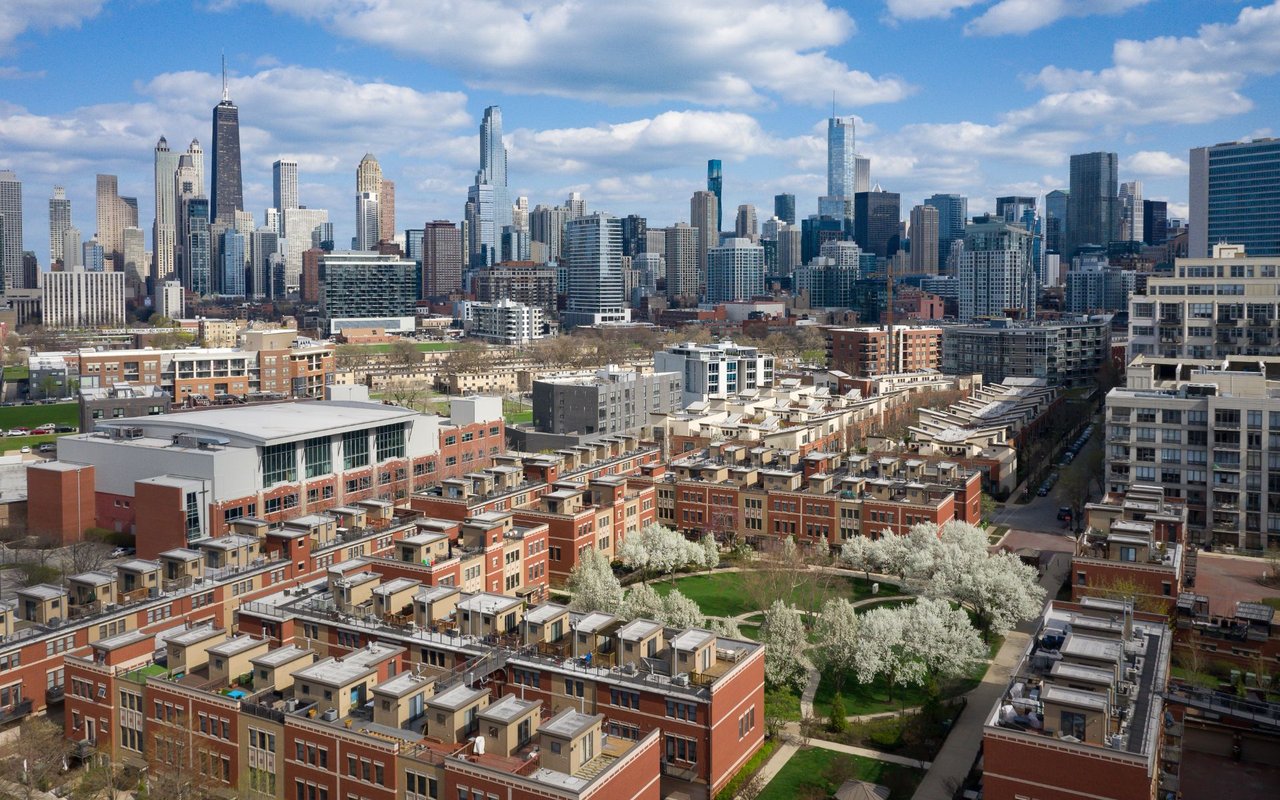
Lincoln Park sits close to several other Chicago neighborhoods worth touring, including Gold Coast, Bucktown, and Lakeview.
67,831 people live in Lincoln Park, where the median age is 33 and the average individual income is $113,478. Data provided by the U.S. Census Bureau.
Total Population
Median Age
Population Density Population Density This is the number of people per square mile in a neighborhood.
Average individual Income
There's plenty to do around Lincoln Park, including shopping, dining, nightlife, parks, and more. Data provided by Walk Score and Yelp.
Explore popular things to do in the area, including Windy City Wings, Local Option, and J Warner.
| Name | Category | Distance | Reviews |
Ratings by
Yelp
|
|---|---|---|---|---|
| Dining | 0.14 miles | 0 reviews | 0/5 stars | |
| Dining · $$ | 0.39 miles | 397 reviews | 3.7/5 stars | |
| Dining | 0.46 miles | 0 reviews | 0/5 stars | |
| Shopping | 0.15 miles | 2 reviews | 5/5 stars | |
| Shopping | 0.59 miles | 6 reviews | 5/5 stars | |
| Shopping | 0.63 miles | 1 review | 5/5 stars | |
| Active | 0.84 miles | 2 reviews | 1.5/5 stars | |
| Active | 0.85 miles | 0 reviews | 0/5 stars | |
| Beauty | 0.14 miles | 0 reviews | 0/5 stars | |
| Beauty | 0.3 miles | 1 review | 5/5 stars | |
| Beauty | 0.32 miles | 0 reviews | 0/5 stars | |
| Beauty | 0.38 miles | 3 reviews | 3.7/5 stars | |
| Beauty | 0.39 miles | 1 review | 5/5 stars | |
| Beauty | 0.49 miles | 0 reviews | 0/5 stars | |
| Beauty | 0.5 miles | 1 review | 5/5 stars | |
| Beauty | 0.65 miles | 11 reviews | 5/5 stars | |
| Beauty | 0.7 miles | 3 reviews | 3.7/5 stars | |
| Beauty | 0.71 miles | 9 reviews | 5/5 stars | |
| Beauty | 0.71 miles | 39 reviews | 4.8/5 stars | |
| Beauty | 0.84 miles | 5 reviews | 4.2/5 stars | |
|
|
||||
|
|
||||
|
|
||||
|
|
||||
|
|
||||
|
|
Lincoln Park has 33,145 households, with an average household size of 2. Data provided by the U.S. Census Bureau. Here’s what the people living in Lincoln Park do for work — and how long it takes them to get there. Data provided by the U.S. Census Bureau. 67,831 people call Lincoln Park home. The population density is 36,660 and the largest age group is Data provided by the U.S. Census Bureau.
Total Population
Population Density Population Density This is the number of people per square mile in a neighborhood.
Median Age
Men vs Women
Population by Age Group
0-9 Years
10-17 Years
18-24 Years
25-64 Years
65-74 Years
75+ Years
Education Level
Total Households
Average Household Size
Average individual Income
Households with Children
With Children:
Without Children:
Marital Status
Blue vs White Collar Workers
Blue Collar:
White Collar: