NEIGHBORHOOD GUIDE
Logan Square
Grand Boulevards, Historic Greystones, and a Northwest Side Arts Scene Built Around a 24-Hour Blue Line
A 70-foot column of Tennessee marble stands at the intersection where three of Chicago's grand boulevards meet, marking the spot that gives Logan Square its name. Henry Bacon, the same architect behind the Lincoln Memorial, designed the Illinois Centennial Monument in 1918, and it's stood there ever since as a reminder of how deliberately this neighborhood was planned. Wide, tree-lined boulevards, stately greystones, and bungalow-style homes built along them in the years after Chicago's 1889 annexation still define the neighborhood's core today, even as galleries, coffee shops, and a wave of newer residents have reshaped what happens inside those old buildings.
Logan Square at a Glance
The neighborhood radiates out from its namesake boulevard intersection, generally bounded by the Milwaukee District North rail line to the west, the North Branch of the Chicago River to the east, Diversey Parkway to the north, and the Bloomingdale Trail — better known as The 606 — to the south. Over time, the commonly understood footprint of "Logan Square" has grown well beyond its original community-area lines, now stretching past Pulaski Road and past Diversey and Fullerton Avenues as real estate listings and residents alike have expanded the name to cover a wider swath of the Northwest Side.
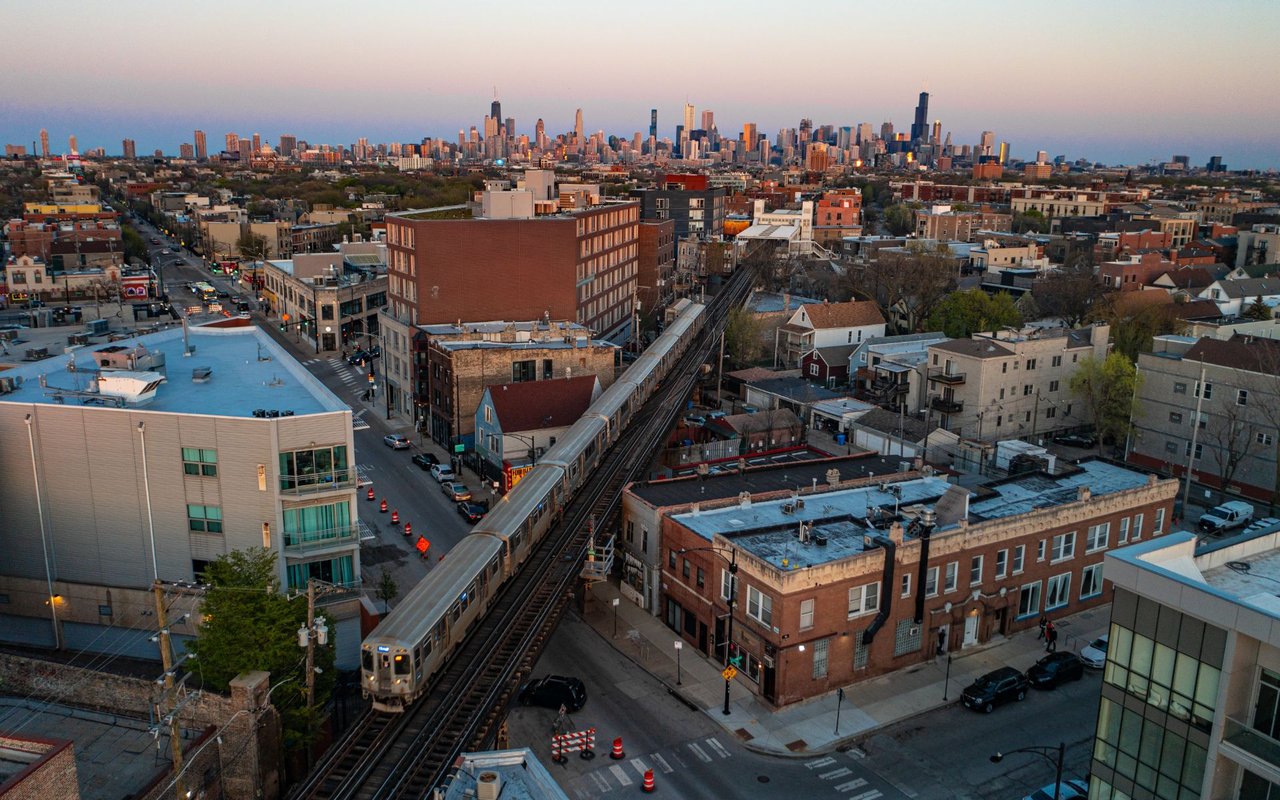
Milwaukee Avenue runs through the middle of it all, a route that predates 1830 as a Native American trail and now serves as the neighborhood's commercial and cultural spine, lined with restaurants, bars, and independent shops.
QUICK FACTS
Community area | Logan Square |
Primary zip code | 60647 |
Known for | The Chicago Boulevard System, the Illinois Centennial Monument, greystones and bungalows, Milwaukee Avenue's dining and retail corridor |
Historic district | Logan Square Boulevards District — National Register of Historic Places (1985) and Chicago Landmark (2005) |
Housing mix | Greystones and boulevard-facing mansions, bungalows, courtyard buildings, converted lofts, and newer infill construction |
Transit | CTA Blue Line — Western, California, and Logan Square stations, with 24-hour service to downtown and O'Hare |
Trails & parks | The 606 (Bloomingdale Trail), Palmer Square Park, Kosciuszko Park |
School district | Chicago Public Schools — options include Funston, Avondale-Logandale, and Darwin Elementary; Roberto Clemente Community Academy nearby |
Landmark | Illinois Centennial Monument (1918), designed by Henry Bacon, architect of the Lincoln Memorial |
Population | 57,368 |
WHY BUYERS CHOOSE LOGAN SQUARE Some of the best-preserved boulevard architecture anywhere in Chicago, including greystones and bungalow-style homes. 24-hour Blue Line access to both downtown and O'Hare from three stations inside the neighborhood. Direct access to The 606, an elevated trail connecting Logan Square to several neighboring communities. A dining and retail corridor along Milwaukee Avenue that draws visitors from across the city. A historically diverse population that continues to support a genuinely mixed, art-forward community. Housing variety spanning landmark boulevard mansions to newer infill construction, at a range of scales.
|
History
Long before Logan Square existed as a named place, the land belonged to small settler communities known as Jefferson, Maplewood, and Avondale, dating back to the 1830s. Annexation into the city of Chicago came in 1889, the same wave that brought in Lakeview and several other North Side communities, and the timing lined up with the city's preparations for the 1893 World's Columbian Exposition — a moment of civic ambition that shaped how the neighborhood's boulevards and parks were laid out. The name itself honors General John A. Logan, a Civil War veteran and U.S. senator.
Waves of immigration defined the neighborhood's early character: English and Scandinavian settlers first, followed by significant Polish and Jewish communities. Milwaukee Avenue, already a well-worn thoroughfare by the time it was paved in 1911, got an elevated rail line in 1895 — the same infrastructure that eventually became today's Blue Line — and that connection to downtown spurred real estate development up and down the corridor. Latino families, particularly from Puerto Rico, Cuba, and Mexico, arrived in large numbers between the 1960s and 1980s, and their influence remains visible throughout the neighborhood's institutions and culture today. Since the 1990s, an influx of artists and young professionals has driven another significant wave of change, pushing up demand for the neighborhood's historic housing stock and, in some cases, prompting teardowns in favor of new luxury construction.
Real Estate and Homes
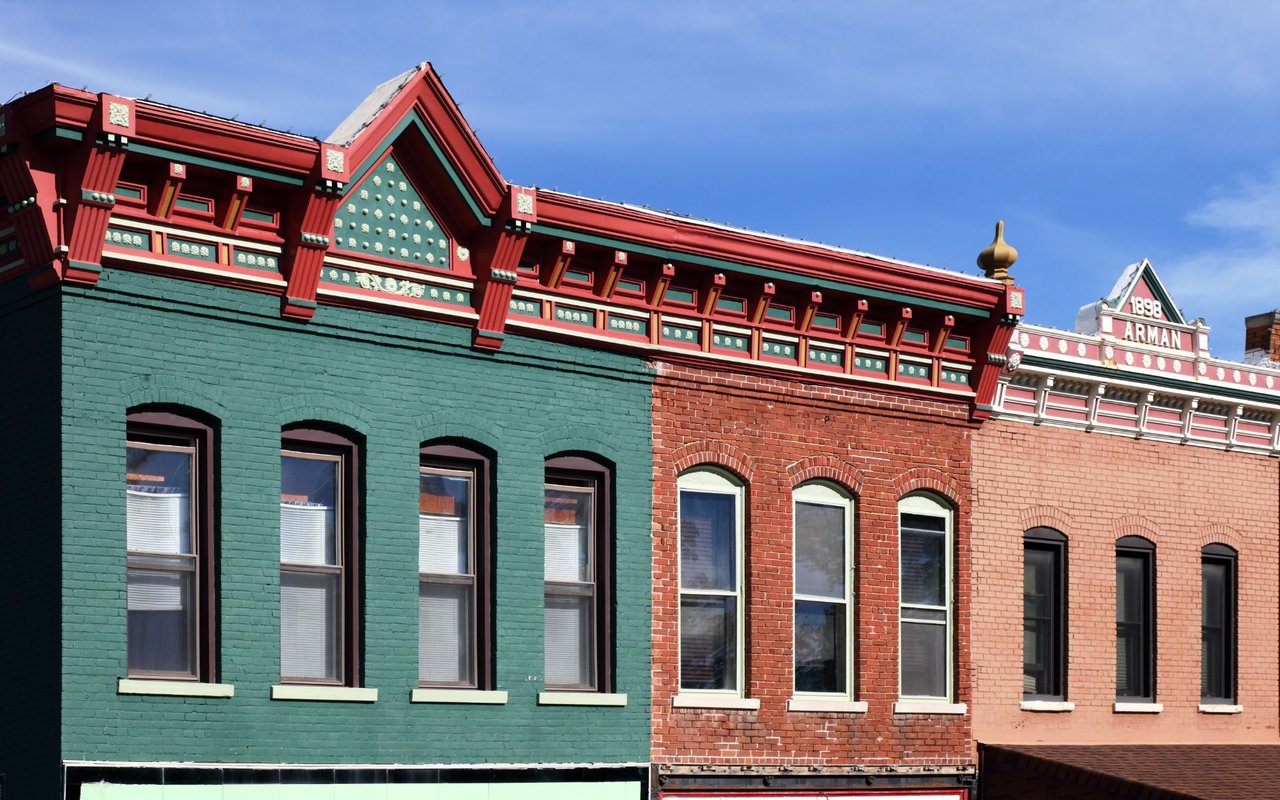
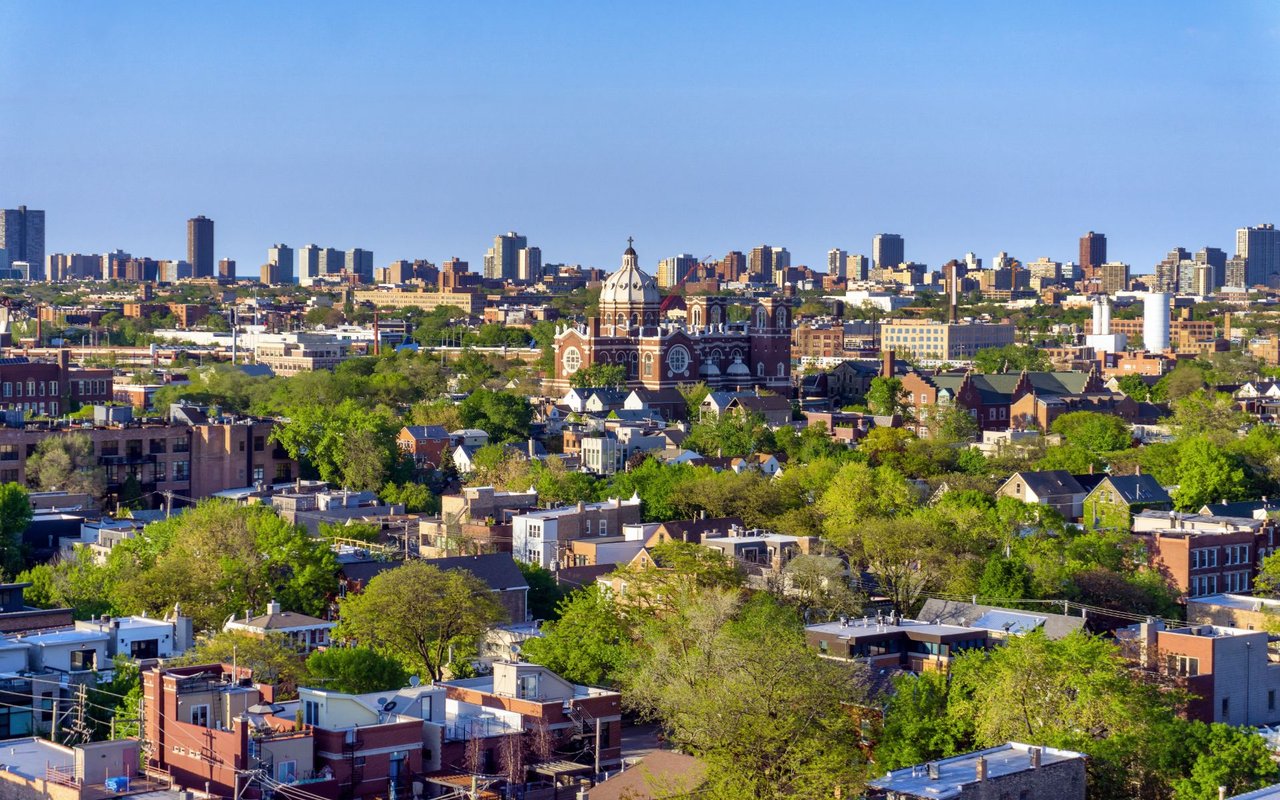
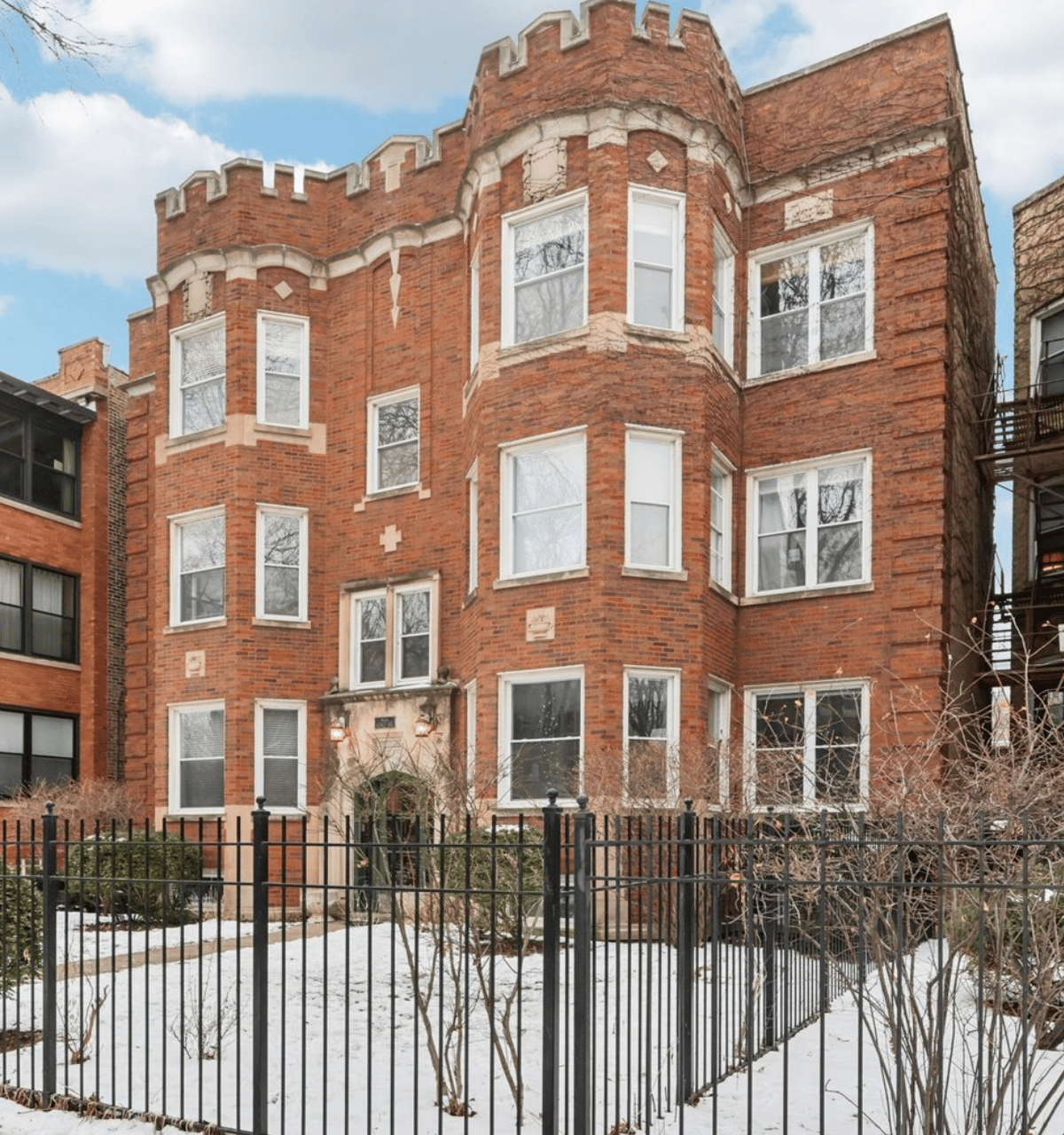
Architecture does a lot of the talking in Logan Square. Along the boulevards themselves, restored greystones and large bungalow-style homes command attention and, often, a premium — the Logan Square Boulevards District's landmark status protects much of this stretch from significant alteration. Move a few blocks off the boulevards and the housing stock diversifies quickly: courtyard apartment buildings, worker cottages, two- and three-flats, and a growing number of converted industrial lofts sit alongside newer infill construction built on lots where older homes were torn down.
That mix means buyers can choose their era and style within a fairly small radius — a century-old greystone with original woodwork, a mid-century courtyard building, or a brand-new single-family home, often within a few blocks of each other. It also means the neighborhood's character varies block by block more than some of its more architecturally uniform neighbors.
The Boulevard System & Illinois Centennial Monument
Logan Square anchors the northwest terminus of the Chicago Boulevard System, a network of wide, landscaped roadways designed to connect the city's major parks. The Illinois Centennial Monument, a 70-foot Doric column carved from Tennessee marble, sits at the neighborhood's namesake intersection, designed by Henry Bacon — the same architect who designed the Lincoln Memorial in Washington, D.C. — and completed in 1918. The monument, the boulevards themselves, and the greystones and mansions that line them together earned the Logan Square Boulevards District a spot on the National Register of Historic Places in 1985 and formal Chicago Landmark status in 2005.
Schools & Education
Families in Logan Square have several Chicago Public Schools options to research, including Funston, Avondale-Logandale, and Darwin Elementary Schools, along with Roberto Clemente Community Academy nearby for high school. As with most Chicago neighborhoods, specific attendance boundaries and any selective-enrollment or magnet options worth considering are worth confirming directly with Chicago Public Schools based on a given address.
Dining, Shopping & the Milwaukee Avenue Corridor
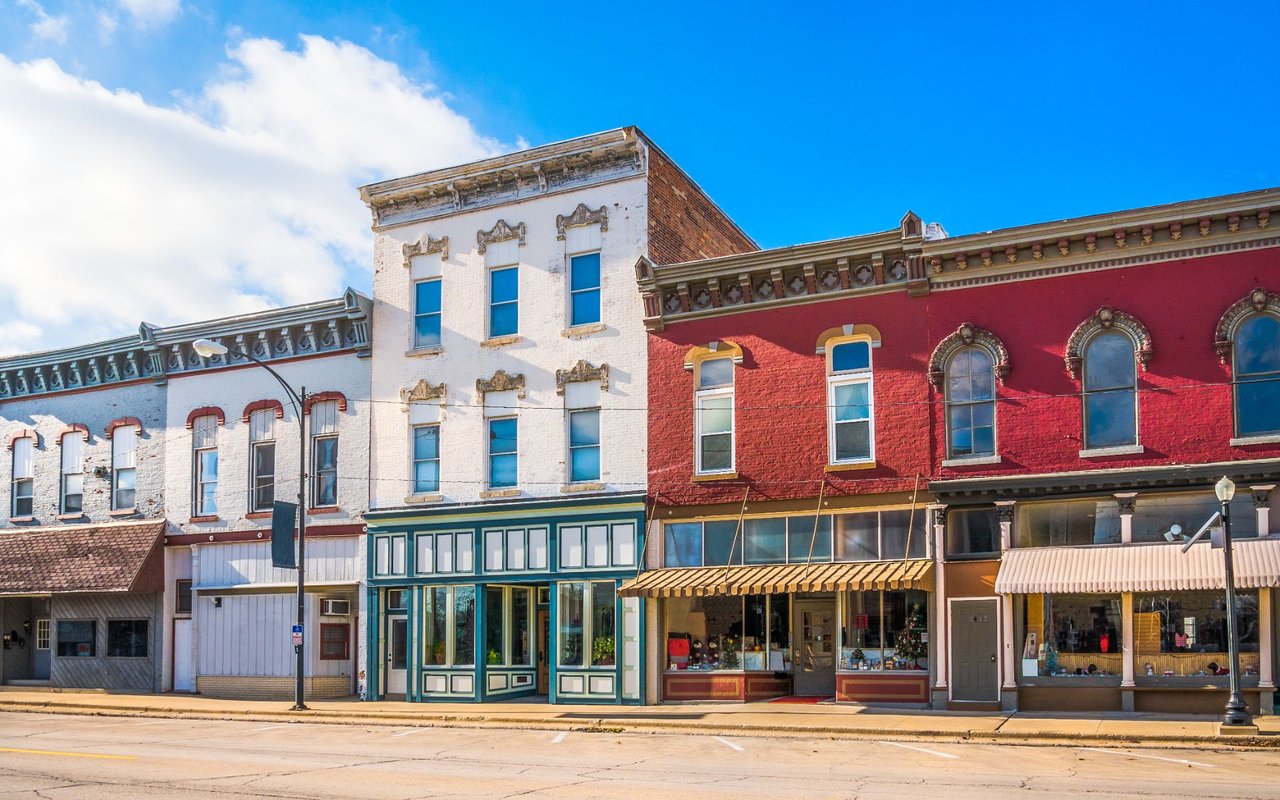
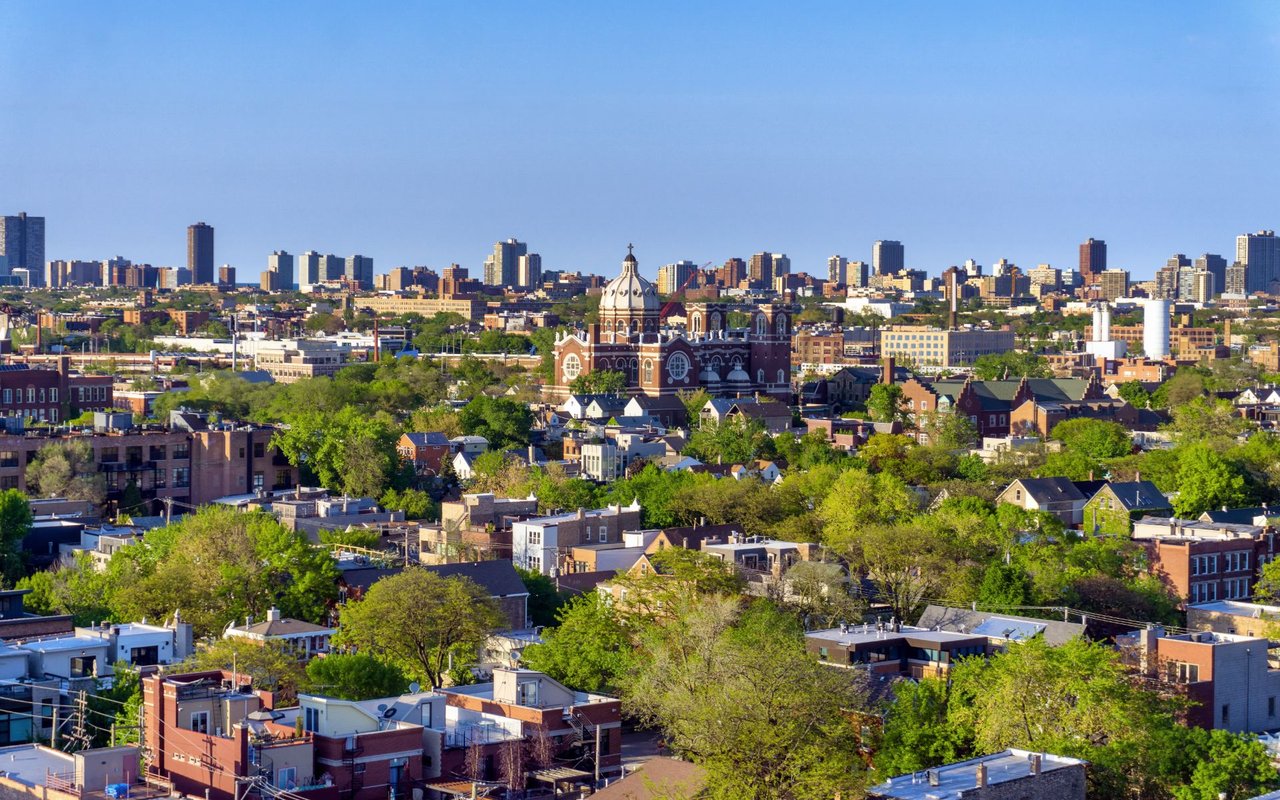
Milwaukee Avenue is where Logan Square's identity as a food and culture destination really shows up — an evolving run of restaurants, bars, coffee shops, and independent retail that draws visitors well beyond the neighborhood's own residents. Longtime anchors sit alongside newer openings, and the corridor has become one of the more talked-about restaurant streets on the city's Northwest Side. St. Hedwig's Church, Minnekirken, and St. Mary of the Angels add architectural and cultural landmarks to the mix, and a growing gallery and performance-space scene continues to build on the neighborhood's reputation as an arts destination.
Local Tip: Because much of the boulevard-facing housing stock sits inside a protected historic district, buyers planning any exterior renovation should check landmark district guidelines early — approval requirements can affect timelines and costs. |
Parks & Recreation
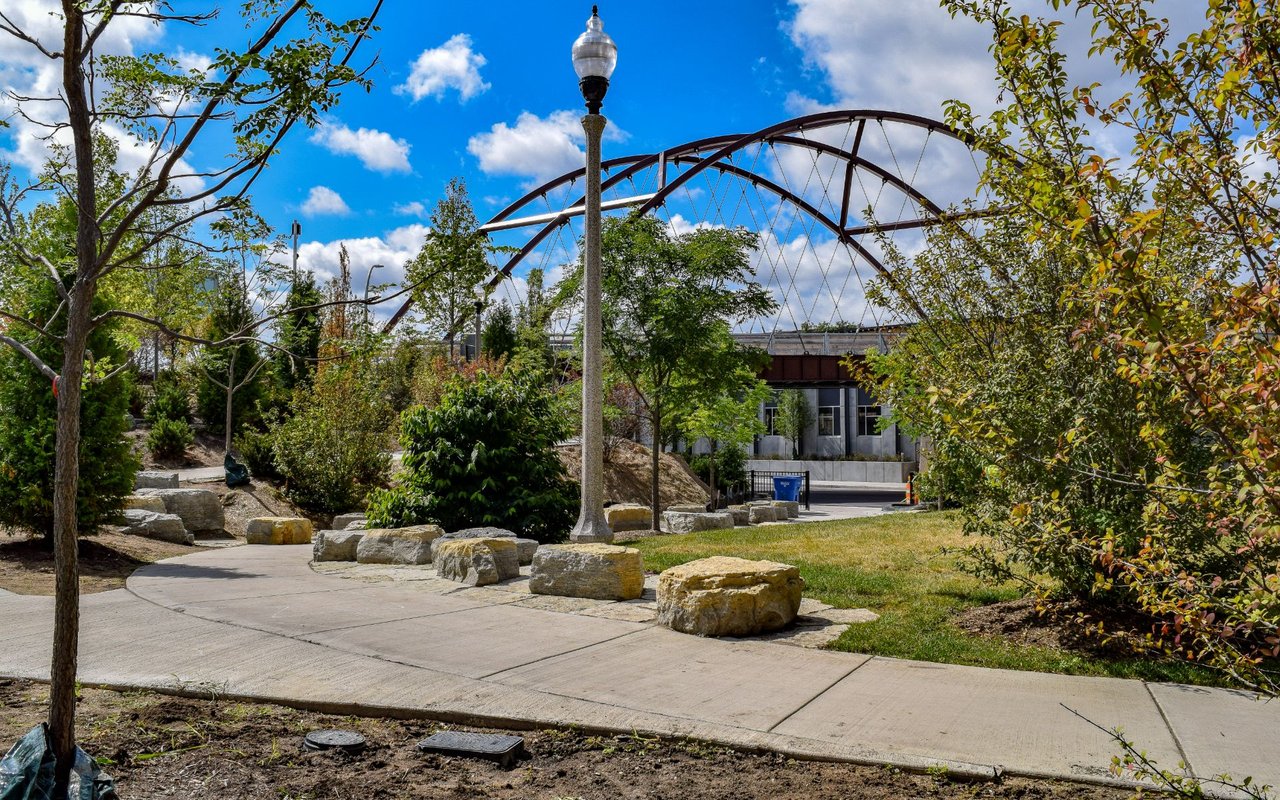
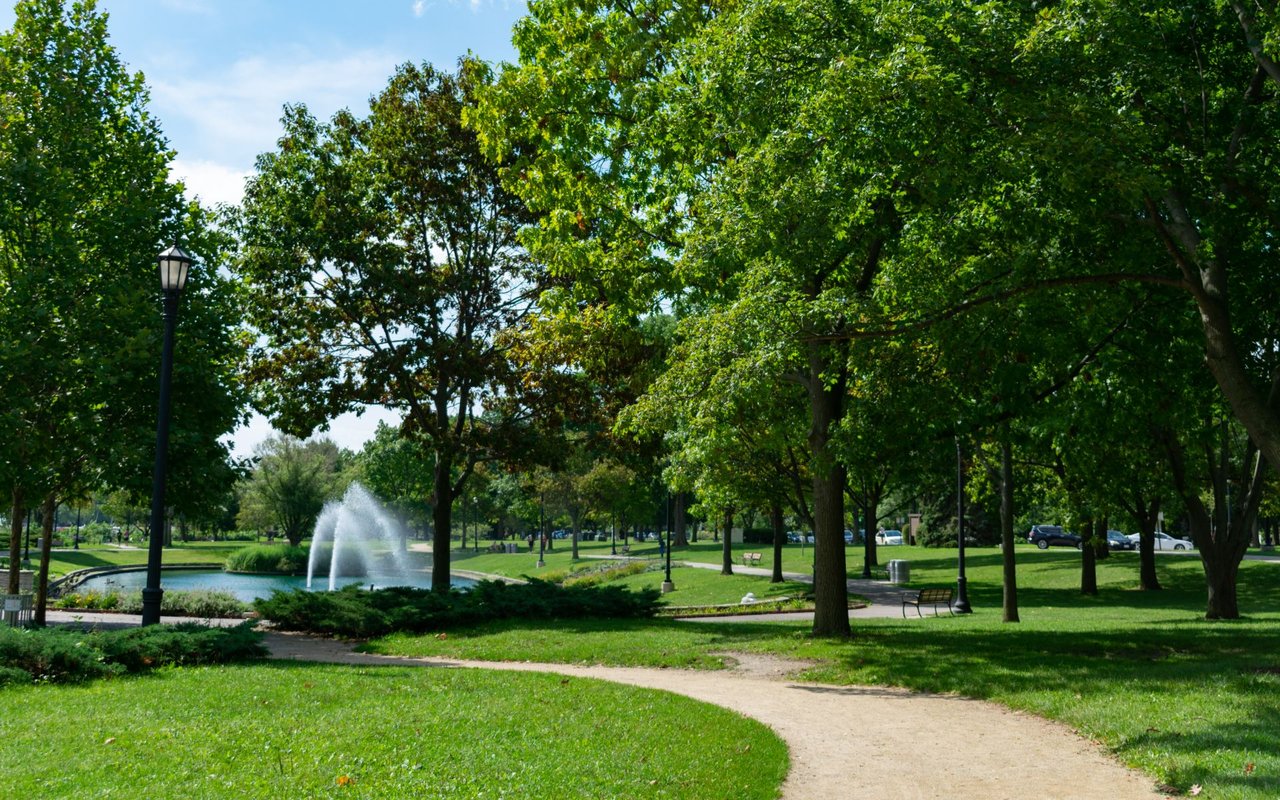
Palmer Square Park, at just under eight acres, sits right along the boulevard system and gives the neighborhood a formal, landscaped green space in its historic core. Kosciuszko Park spans the border with neighboring Avondale, and Belmont Gardens adds another pocket of green space nearby. The 606, an elevated trail built on a former rail line, runs along Logan Square's southern edge and connects the neighborhood by foot or bike to Wicker Park, Bucktown, and several other communities to the east.
Getting Around: Location & Access
Three Blue Line stations — Western, California, and Logan Square — sit inside the neighborhood, offering 24-hour service to both downtown and O'Hare International Airport, a rare combination among Chicago's rapid transit stops. The 606 adds a car-free option for getting to and from several nearby neighborhoods on foot or by bike, and Milwaukee Avenue itself functions as a heavily used bus corridor in addition to its retail role.
Community Life
Few Chicago neighborhoods have absorbed as many distinct waves of newcomers as Logan Square has, from its early English and Scandinavian settlers through Polish and Jewish immigration, the Latino community that took root from the 1960s through the 1980s, and the artists and young professionals who have arrived more recently. That layered history is still visible in the neighborhood's churches, restaurants, and cultural institutions, even as gentrification has changed parts of the housing market and, in some pockets, displaced longtime residents. The result is a neighborhood that still reads as genuinely mixed — blue-collar roots, an active arts and gallery scene, and a steady stream of new investment, all coexisting on the same blocks.
How Logan Square Compares to Nearby Neighborhoods
Several Northwest Side neighborhoods share a similar arc — working-class or immigrant roots, followed by an arts-driven wave of investment — but each has landed in a slightly different place. The table below is a general character comparison, not a market analysis.
NEIGHBORHOOD | CHARACTER | BEST FIT FOR |
|---|
Logan Square | Historic boulevard architecture, a 24-hour Blue Line, and a strong Milwaukee Avenue dining scene. | Buyers who want landmark architecture with genuine neighborhood diversity. |
Wicker Park | Denser commercial core along Milwaukee Avenue with an established indie-retail and nightlife identity. | Buyers who want to be at the center of the Northwest Side's retail and bar scene. |
Bucktown | More residential offshoot of Wicker Park, with renovated cottages and family-friendly streets. | Buyers who want walkable retail with a quieter residential feel. |
Avondale | More affordable, still-transitioning enclave with a mix of bungalows and two-flats. | Buyers looking for more space or value just outside Logan Square's core. |
Ukrainian Village | Historic immigrant enclave with ornate churches and well-preserved greystones. | Buyers who want dense architectural character on a smaller, quieter scale. |
Who Logan Square Is Right For
GOOD FIT IF YOU WANT Historic boulevard architecture, including greystones and bungalow-style homes. 24-hour rapid transit access to both downtown and O'Hare. A walkable dining and retail corridor with a genuine local following. A neighborhood with layered, visible history rather than a single uniform character.
| CONSIDER ELSEWHERE IF YOU WANT A newly built community with no historic district review process. Guaranteed architectural uniformity from block to block. A quieter, lower-density residential feel throughout. Zoned attendance-boundary certainty without researching options directly with CPS.
|
Frequently Asked Questions
Q. What is Logan Square known for?
A. Its historic boulevard system, the Illinois Centennial Monument, greystone and bungalow architecture, and the restaurant and retail corridor along Milwaukee Avenue.
Q. Why is it called Logan Square?
A. The neighborhood is named for General John A. Logan, a Civil War veteran and U.S. senator, and centers on the boulevard intersection that bears his name.
Q. Is Logan Square a historic district?
A. The Logan Square Boulevards District is listed on the National Register of Historic Places and holds Chicago Landmark status, which protects much of the boulevard-facing architecture.
Q. What kind of homes are in Logan Square?
A. A mix of greystones and bungalow-style homes along the boulevards, plus courtyard buildings, two-flats, converted lofts, and newer infill construction throughout the rest of the neighborhood.
Q. How do you get downtown from Logan Square?
A. The Blue Line runs 24 hours a day from three stations inside the neighborhood — Western, California, and Logan Square — with direct service to both downtown and O'Hare.
Q. What is The 606?
A. An elevated trail built on a former rail line that runs along Logan Square's southern edge, connecting the neighborhood by foot or bike to Wicker Park, Bucktown, and other nearby communities.
Q. What schools serve Logan Square?
A. Chicago Public Schools options in the area include Funston, Avondale-Logandale, and Darwin Elementary Schools, with Roberto Clemente Community Academy nearby for high school.
Q. Has Logan Square gentrified?
A. Yes, significantly since the 1990s, as an influx of artists and young professionals raised demand for the neighborhood's historic housing stock, though the area retains a genuinely mixed population and character.
Q. What's the Illinois Centennial Monument?
A. A 70-foot Tennessee marble column at the neighborhood's namesake intersection, designed by Henry Bacon — the architect of the Lincoln Memorial — and completed in 1918.
Explore Nearby Neighborhoods & Next Steps
Logan Square sits close to several other Chicago neighborhoods worth touring, including Wicker Park, Bucktown, and Avondale.