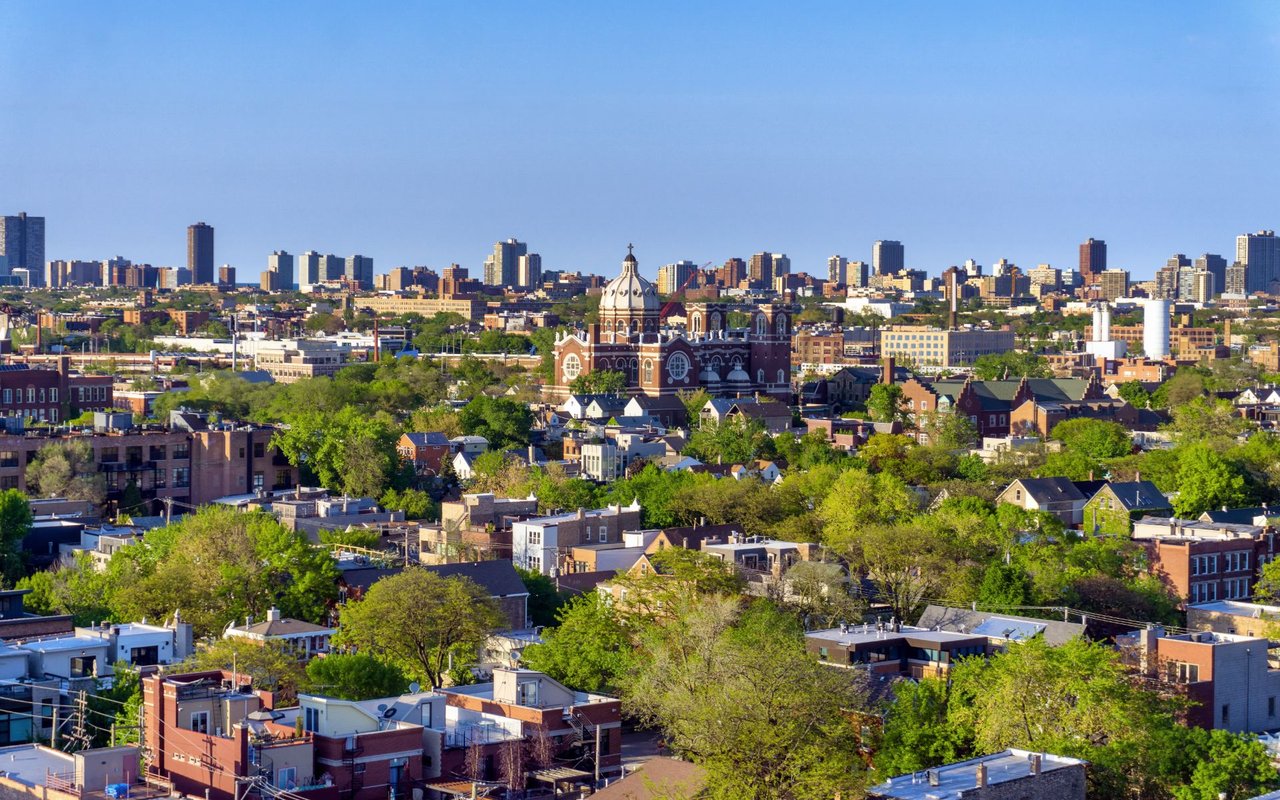
NEIGHBORHOOD GUIDE
Lakeview
Wrigley Field, Historic Greystones, and Six 'L' Stops Along Chicago's North Side
A Swiss farmer named Conrad Sulzer settled this stretch of lakefront land in 1837, growing celery on what was then open prairie north of the city. Lakeview stayed a farming township for decades, only to explode into a full-fledged Chicago neighborhood after a hotel by the lake sparked a wave of resort development in the 1850s and German, Luxembourgish, and Swedish immigrants arrived by the thousands. By the time it was annexed into the city in 1889, Lakeview's population had grown more than twentyfold in less than two decades, and the real estate boom that followed left a mark that's still visible today — more than four in ten of the neighborhood's buildings date to that same construction wave.
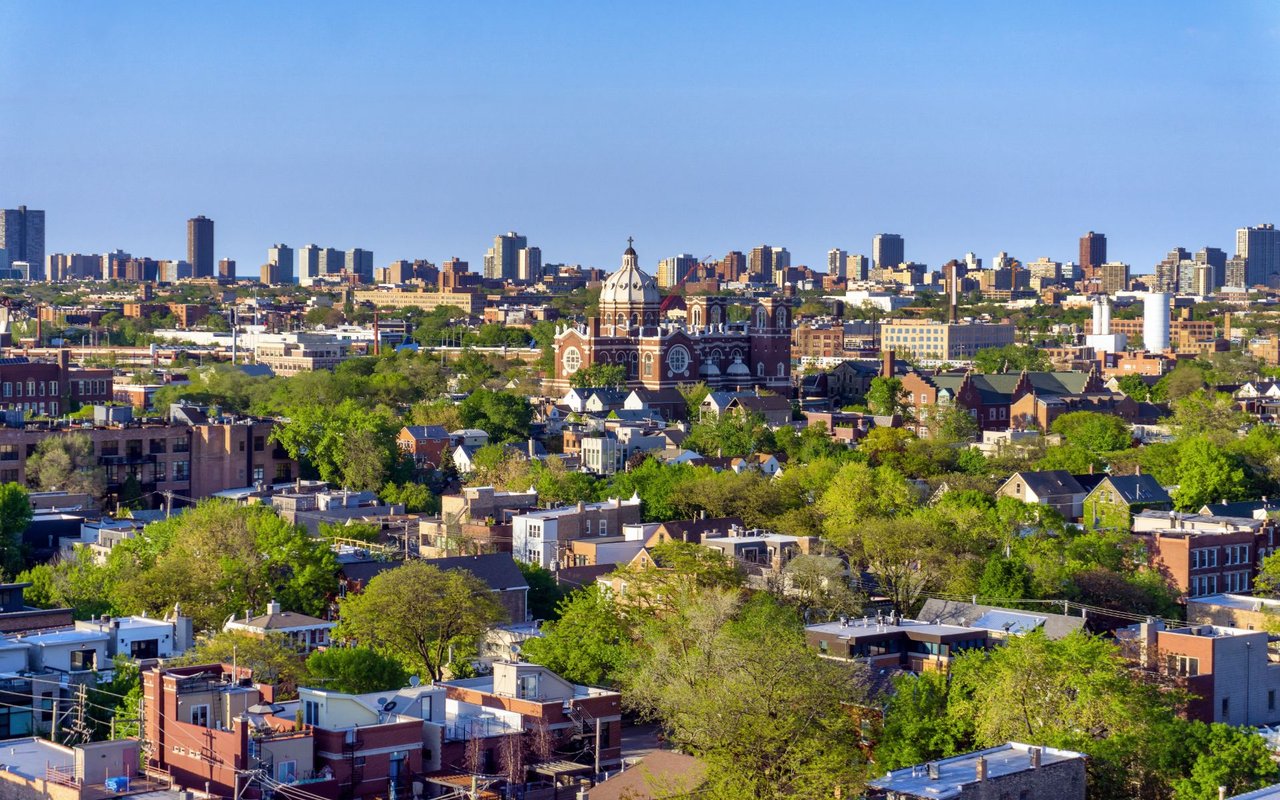
Bounded roughly by Diversey Parkway to the south, Irving Park Road to the north, Ravenswood Avenue to the west, and Lake Michigan to the east, Lakeview is Chicago's second-largest community area by population. Inside those boundaries sit several distinct pockets, each with its own personality: Wrigleyville around the ballpark, Boystown (officially Northalsted, though the older name still sticks) along North Halsted Street, the Southport Corridor's boutique-lined blocks to the west, and quieter residential streets in between.
Few Chicago neighborhoods pack this much into one community area. A baseball stadium, a nationally recognized LGBT cultural district, a historic movie palace, a yacht-club harbor, and a 20-plus-venue theater district all sit within a few miles of each other here.
Before it was a Chicago neighborhood, Lakeview was farmland — Conrad Sulzer's 1837 homestead is generally credited as the area's first permanent European settlement, and celery farming was enough of a local specialty that it shaped the area's early economy. The Hotel Lakeview, built in 1853, changed the neighborhood's trajectory by drawing wealthy Chicagoans north for lakeside leisure, and the German, Luxembourgish, and Swedish immigrants who followed turned Lakeview into an incorporated township by 1857. Growth from there was fast: the population went from roughly 2,000 in 1870 to 45,000 by 1887, and annexation into the city of Chicago followed two years later, in 1889, driven largely by the township's need for big-city infrastructure and services.
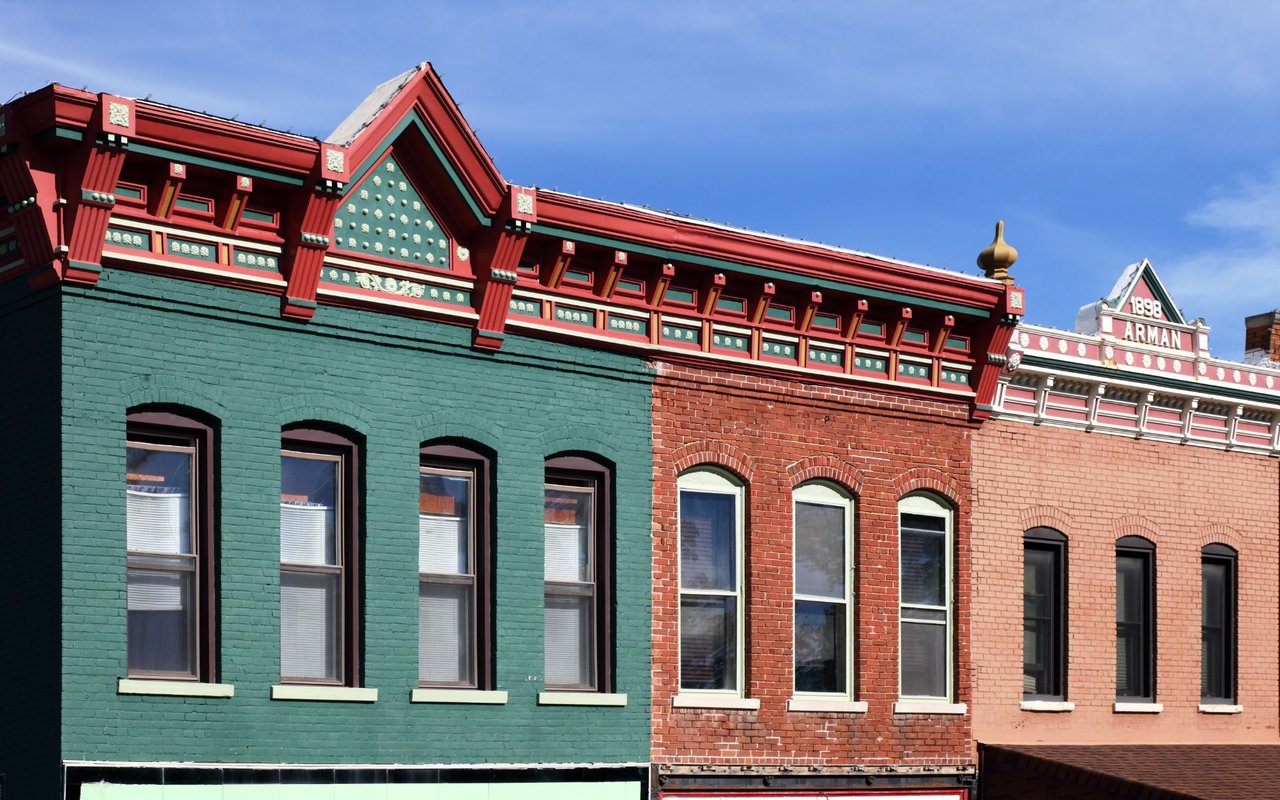
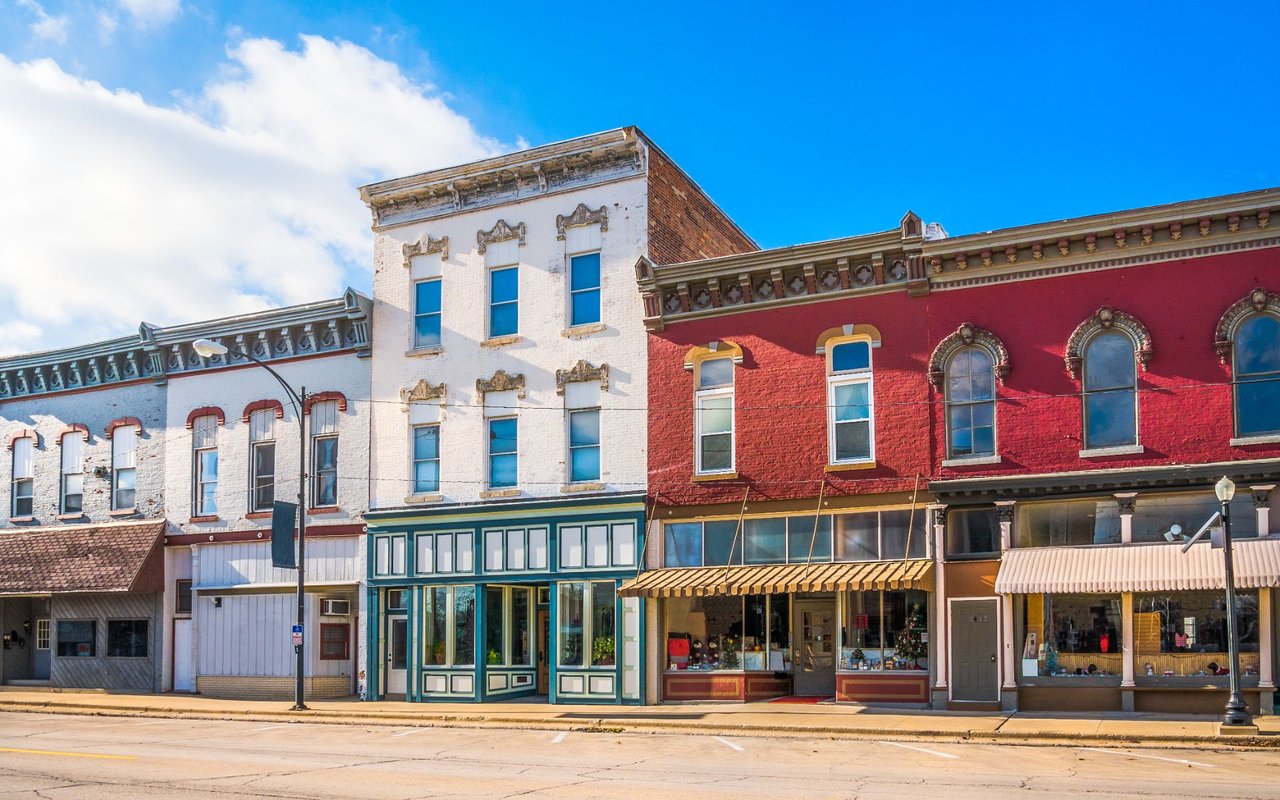
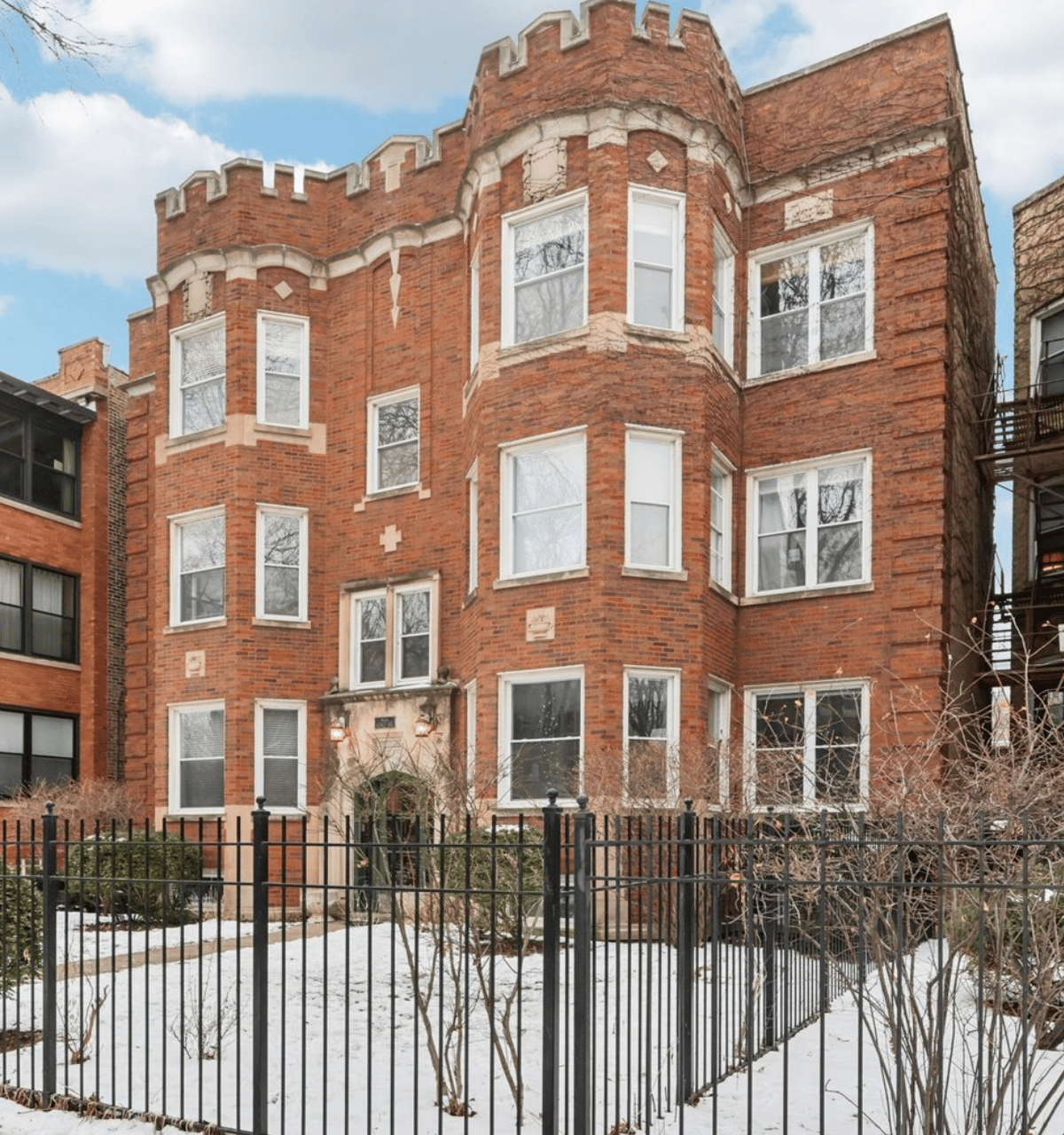
That late-1880s boom left its fingerprint on the neighborhood's architecture — over 40 percent of Lakeview's current buildings date to construction that followed the 1889 annexation, which is part of why the area reads as such a cohesive collection of vintage courtyard buildings and greystones today. Both the Lakeview Historic District and the Newport Avenue District, home to the Vautravers Building, carry National Register of Historic Places status, formal recognition of just how much of that original building stock has survived.
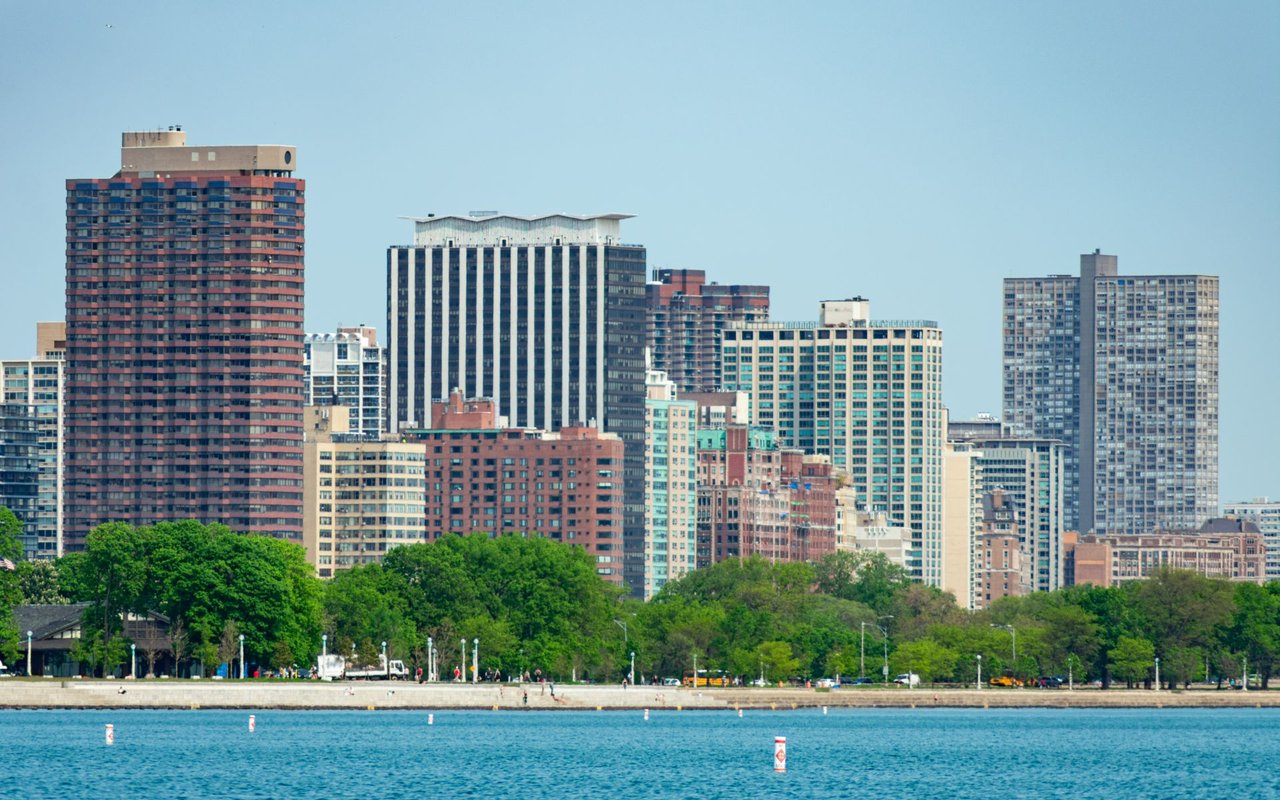
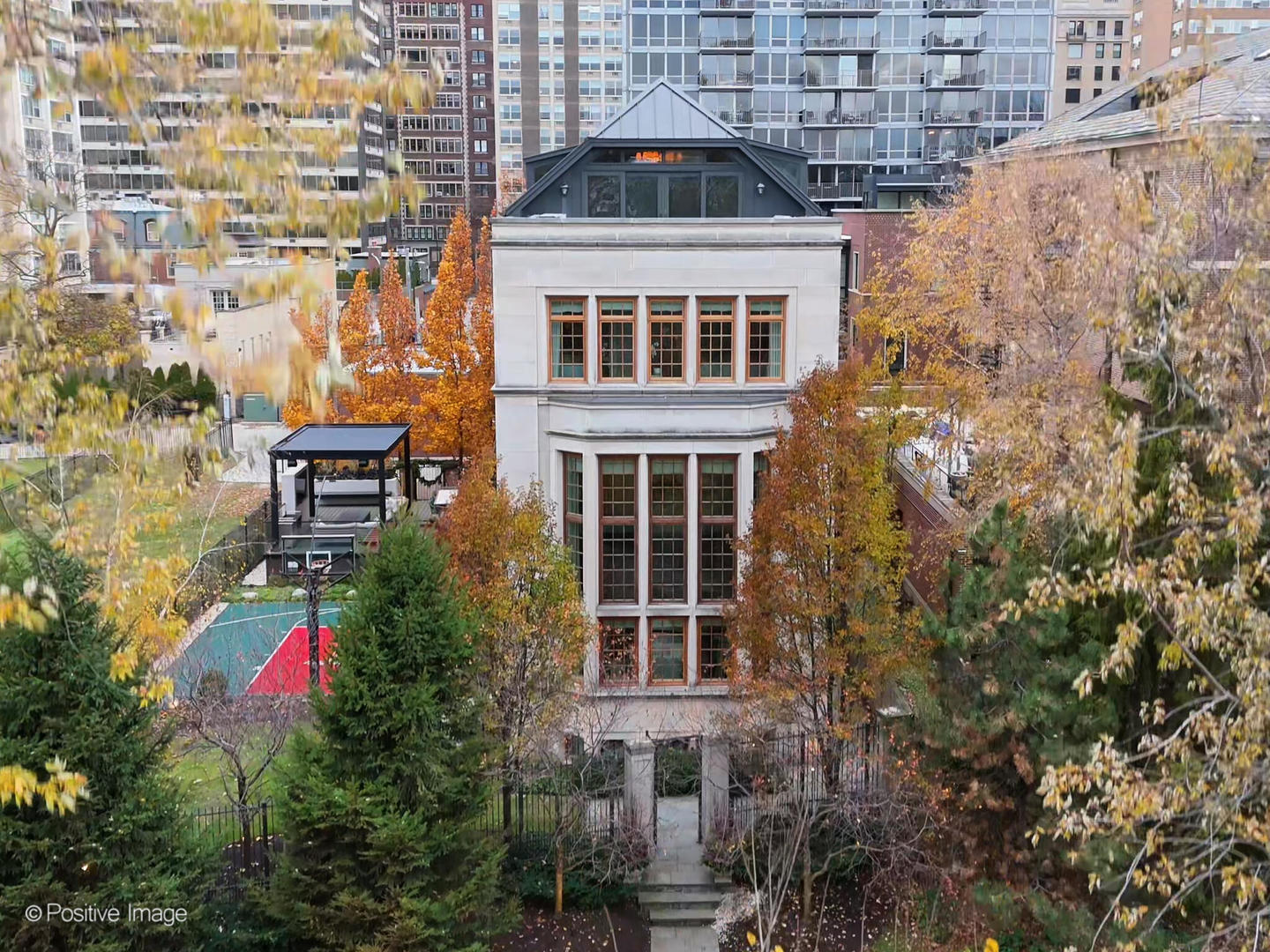
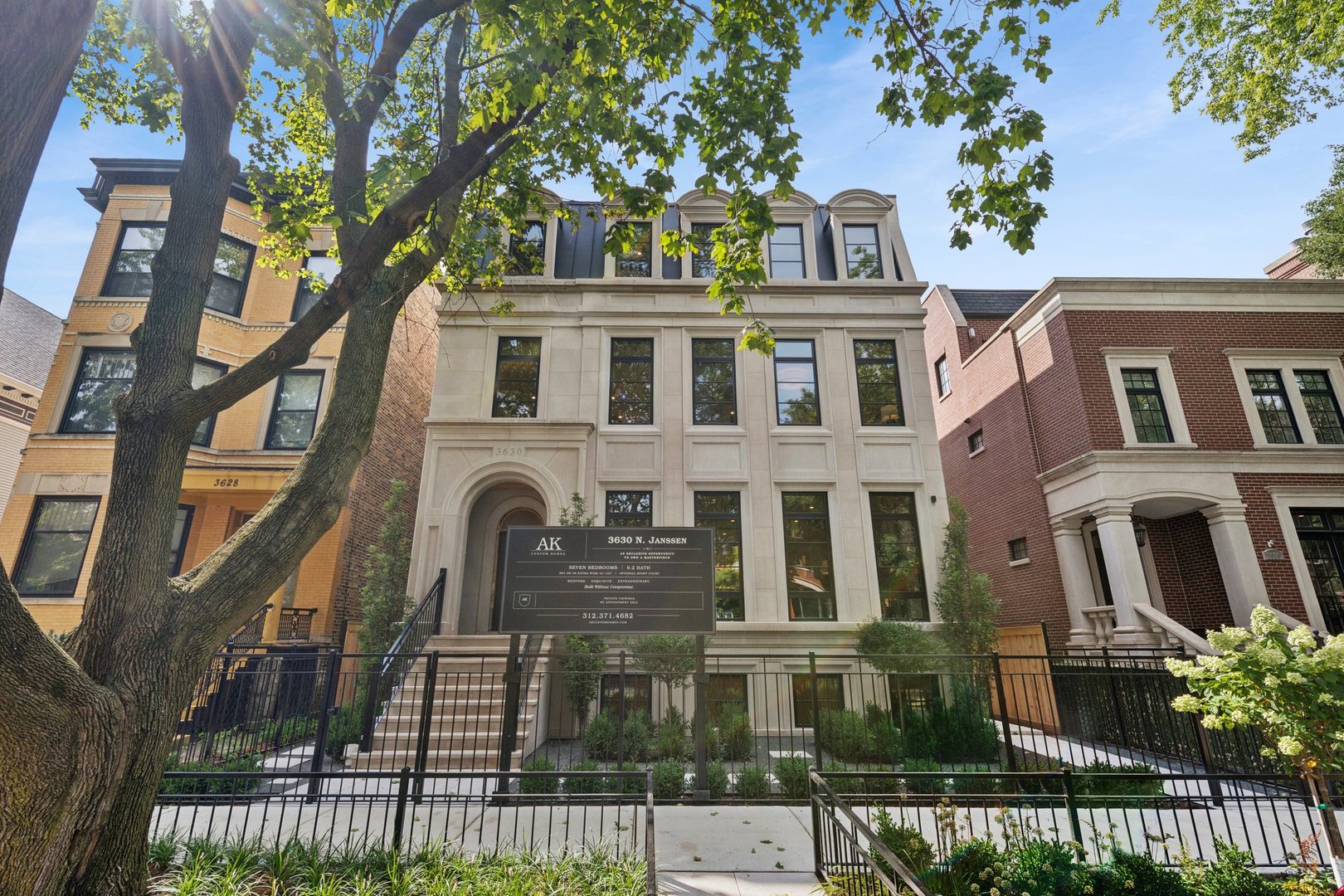
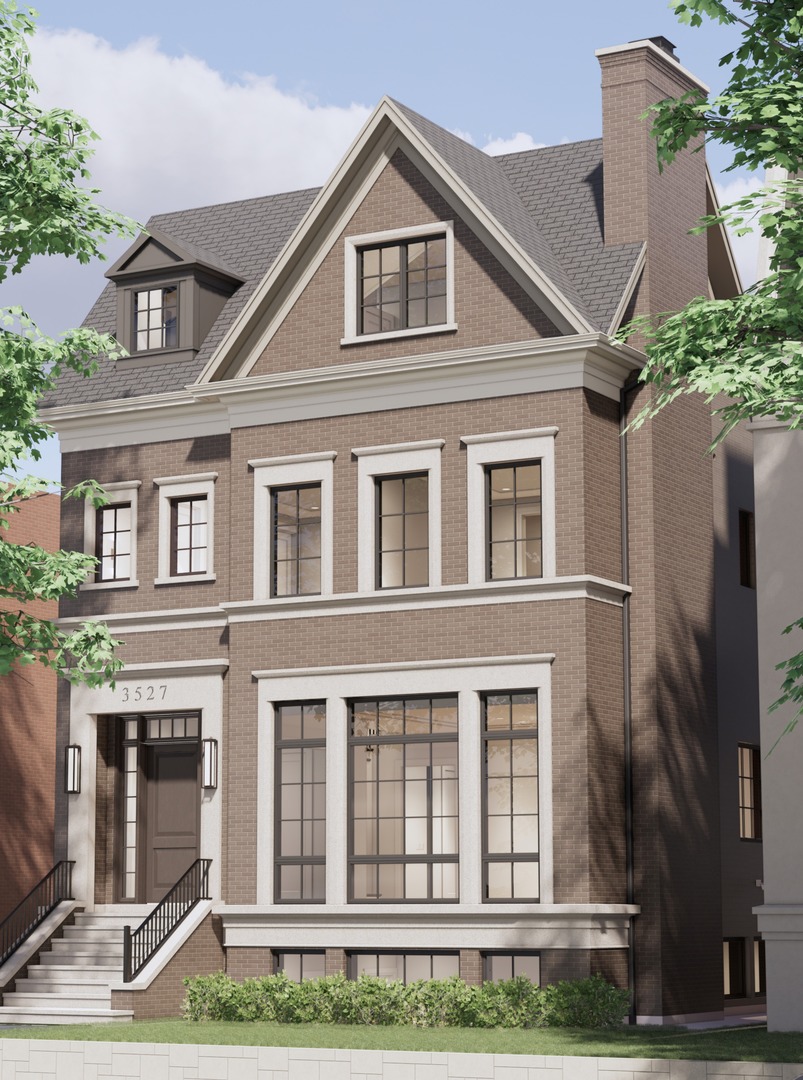
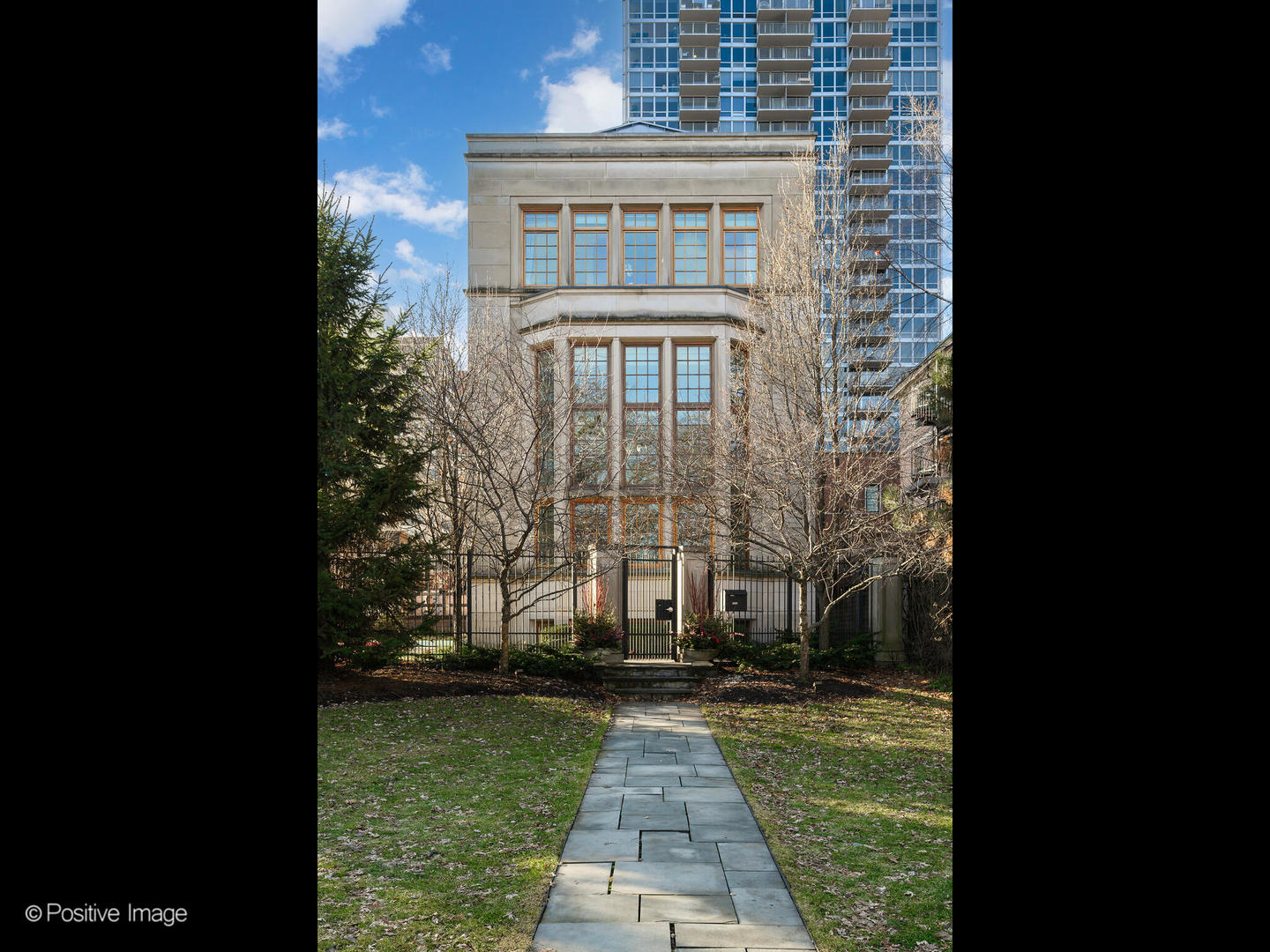
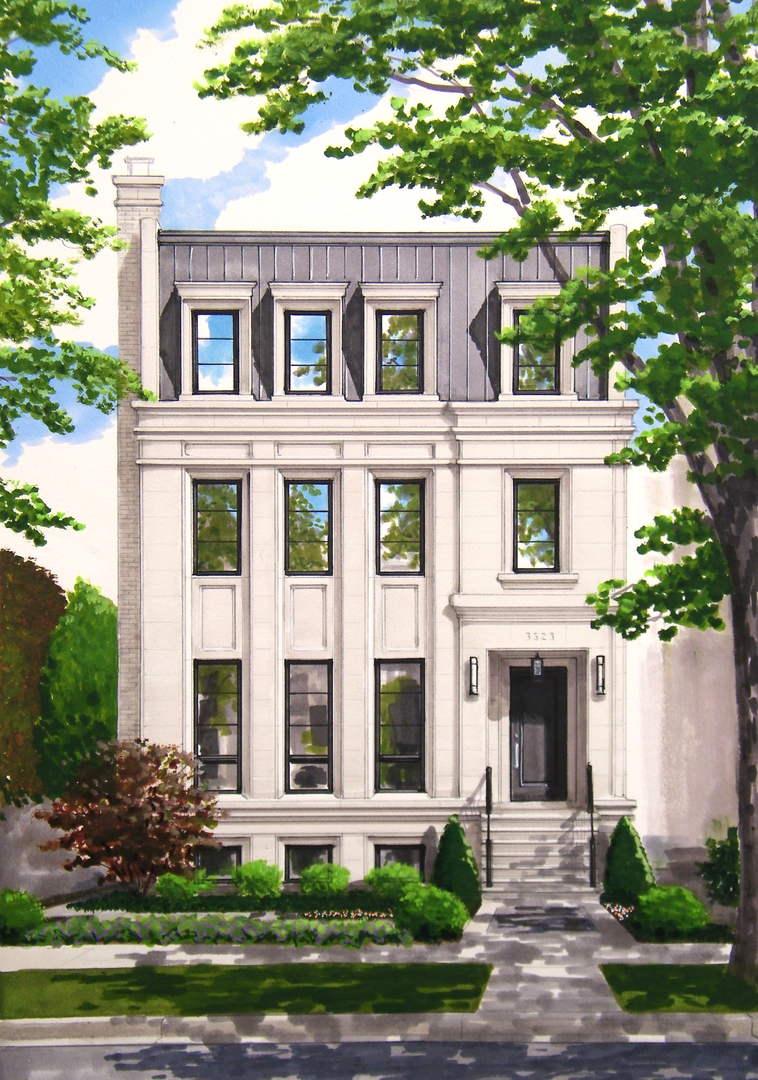
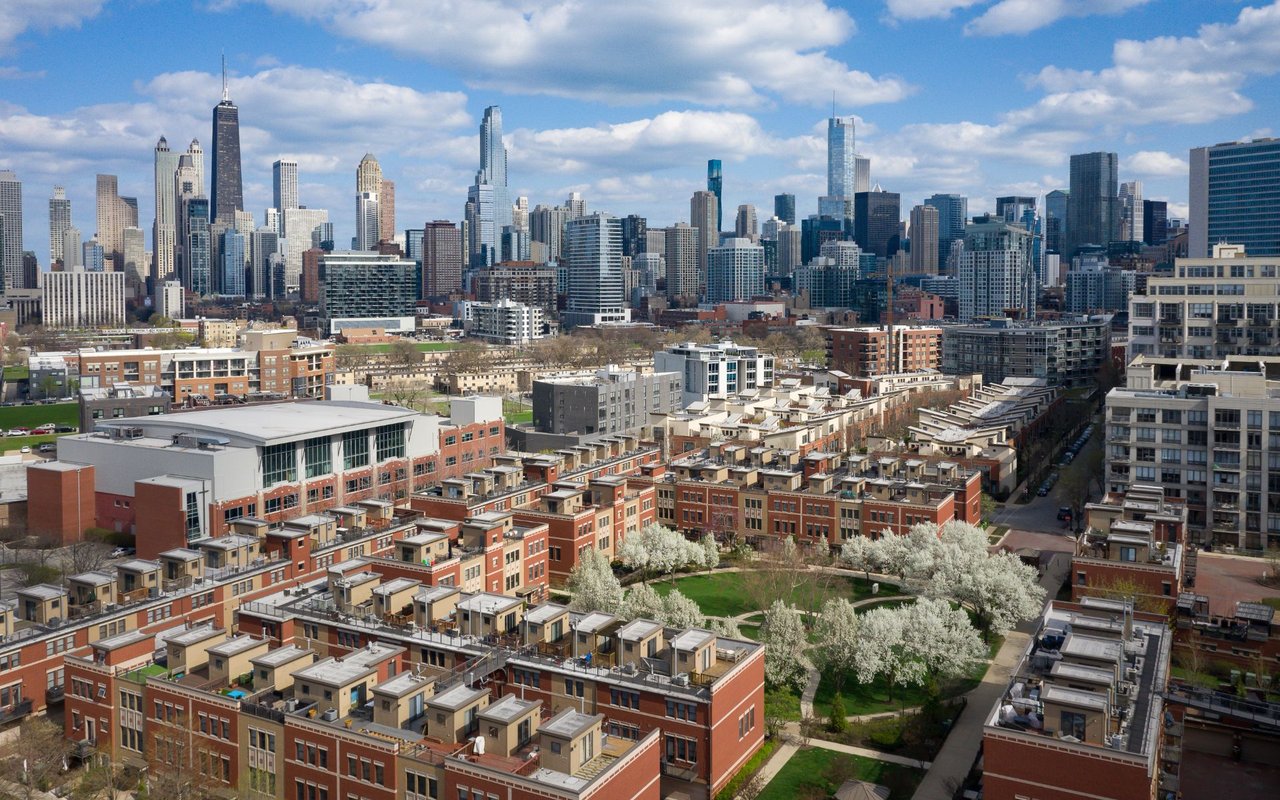
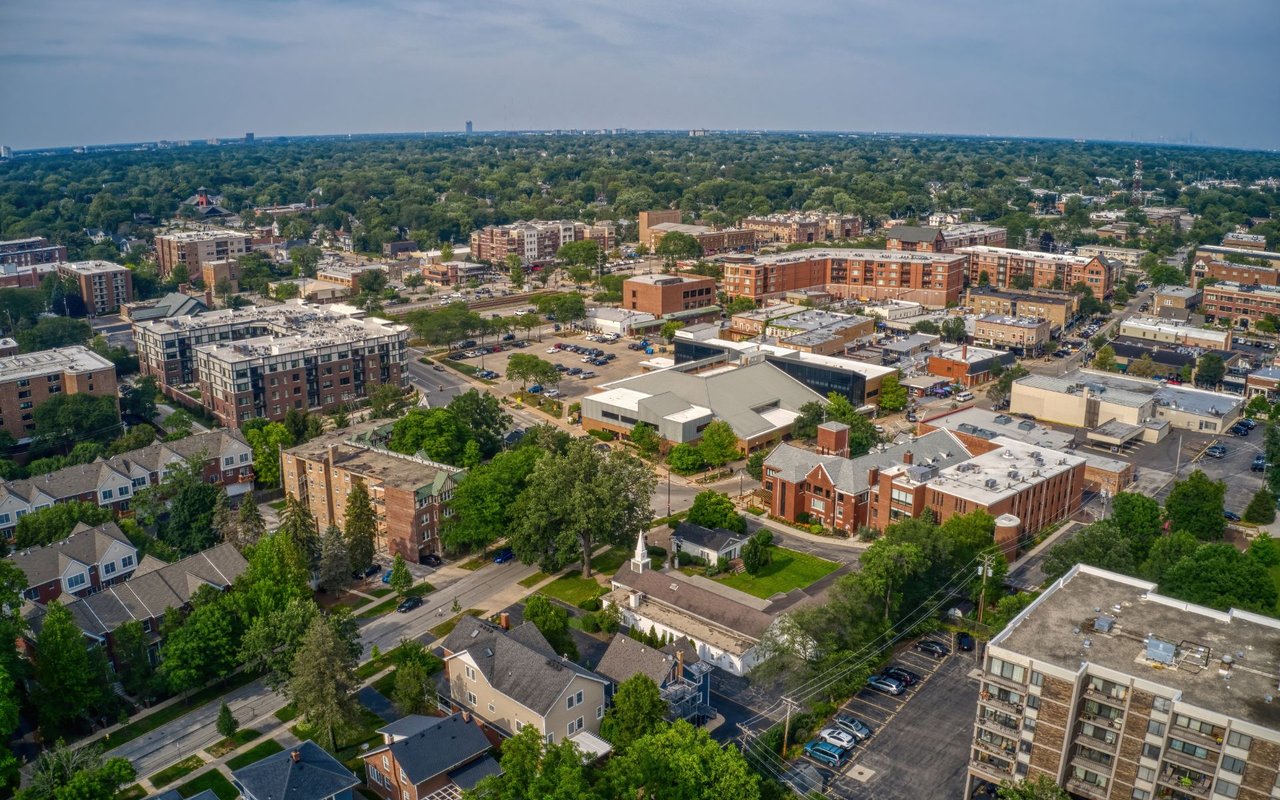
Housing variety is one of Lakeview's defining traits. Vintage courtyard apartment buildings and greystone walk-ups, many dating to the neighborhood's 1889-era boom, remain common throughout, particularly in the Boystown and central Lakeview areas. Along Lake Shore Drive and Broadway, that older stock gives way to upscale condominium towers and higher-rent mid-rise buildings, many with lake or skyline views. West Lakeview and the Southport Corridor lean more toward historic Victorians, brownstones, and single-family homes, a noticeably lower-density feel than the blocks closer to the lake.
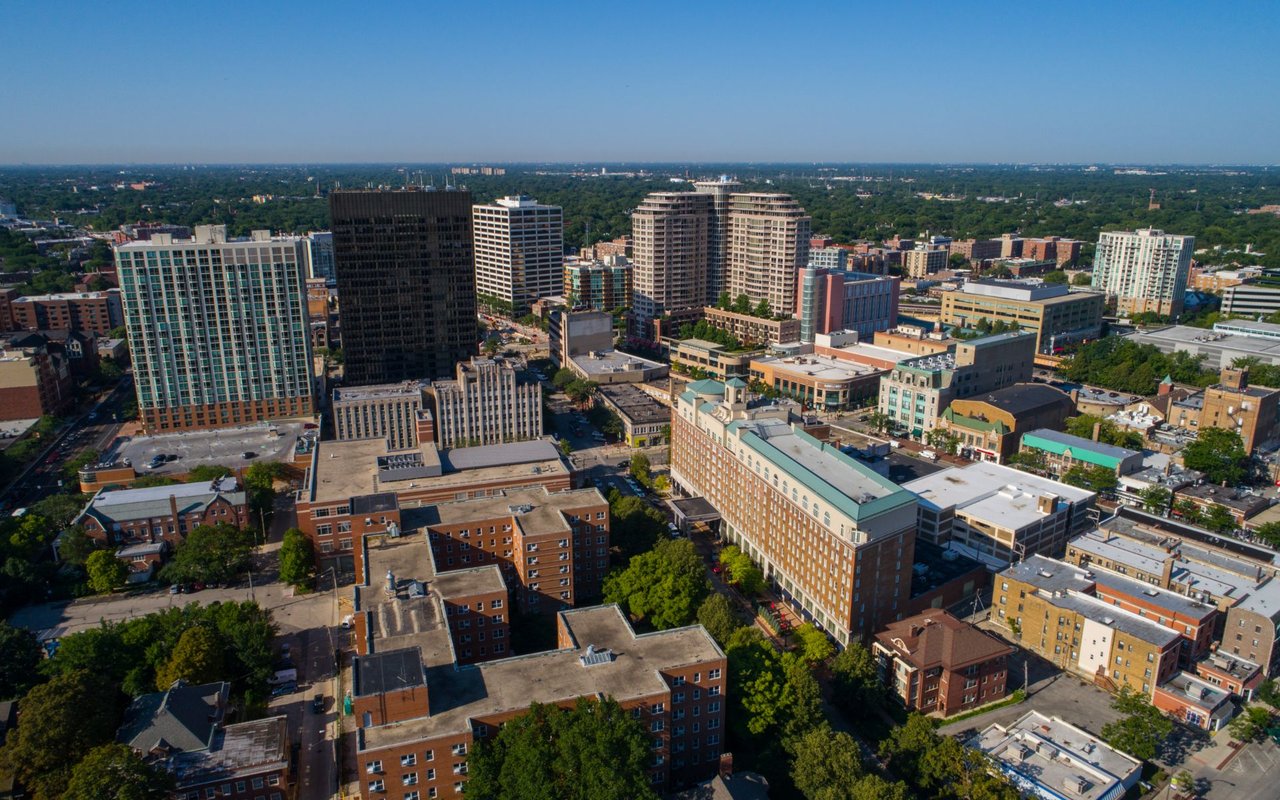
Gentrification has reshaped parts of the neighborhood over the past two decades, bringing in larger retailers like Mariano's and Target alongside the area's existing independent boutiques, and pushing renovation activity across much of the older housing stock. Buyers looking here should expect real variety within a few blocks of each other — a landmark greystone, a 1920s courtyard building, and a glass-clad new-construction tower can all sit on the same street.
Wrigley Field sits at the center of Wrigleyville's identity, and the neighborhood around it has built an entire micro-economy on game days — sports bars, rooftop clubs with formal viewing agreements with the Cubs, and a concentration of restaurants along Clark and Addison Streets that fills up whenever there's a home game.
A few blocks south, North Halsted Street carries a different kind of history. Chicago officially recognized the corridor as the nation's first government-designated gay village, and it's still home to more than sixty LGBT-oriented bars, restaurants, and clubs, along with the Center on Halsted, a major community resource, and the Legacy Project's historical markers honoring LGBT figures. The area is still widely called Boystown despite a 2020 push to formalize the Northalsted name.
West of the ballpark, the Southport Corridor trades nightlife for a quieter, more residential retail strip — independent boutiques mixed with national names like J. Crew, a run of well-regarded restaurants, and the Music Box Theatre, an independent cinema operating continuously since 1929.
Chicago Public Schools operates seven K-8 schools within Lakeview's boundaries, including Nettelhorst, a neighborhood elementary school known for a community-driven turnaround, and magnet options like Hawthorne Scholastic Academy and the Inter-American Magnet School, which teaches a dual-language Spanish-English curriculum. At the high school level, Lakeview's boundaries feed into both Lake View High School and Lincoln Park High School depending on the specific address.
Between Wrigleyville's sports bars, Boystown's nightlife, and the Southport Corridor's restaurant row — home to spots like Little Goat Diner, Tuco and Blondie, and Coda di Volpe — Lakeview covers a lot of ground for a single community area. The Belmont Theater District adds more than twenty performance venues near the Belmont 'L' stop, and Schubas Tavern and the Athenaeum Center round out the neighborhood's live music and theater options.
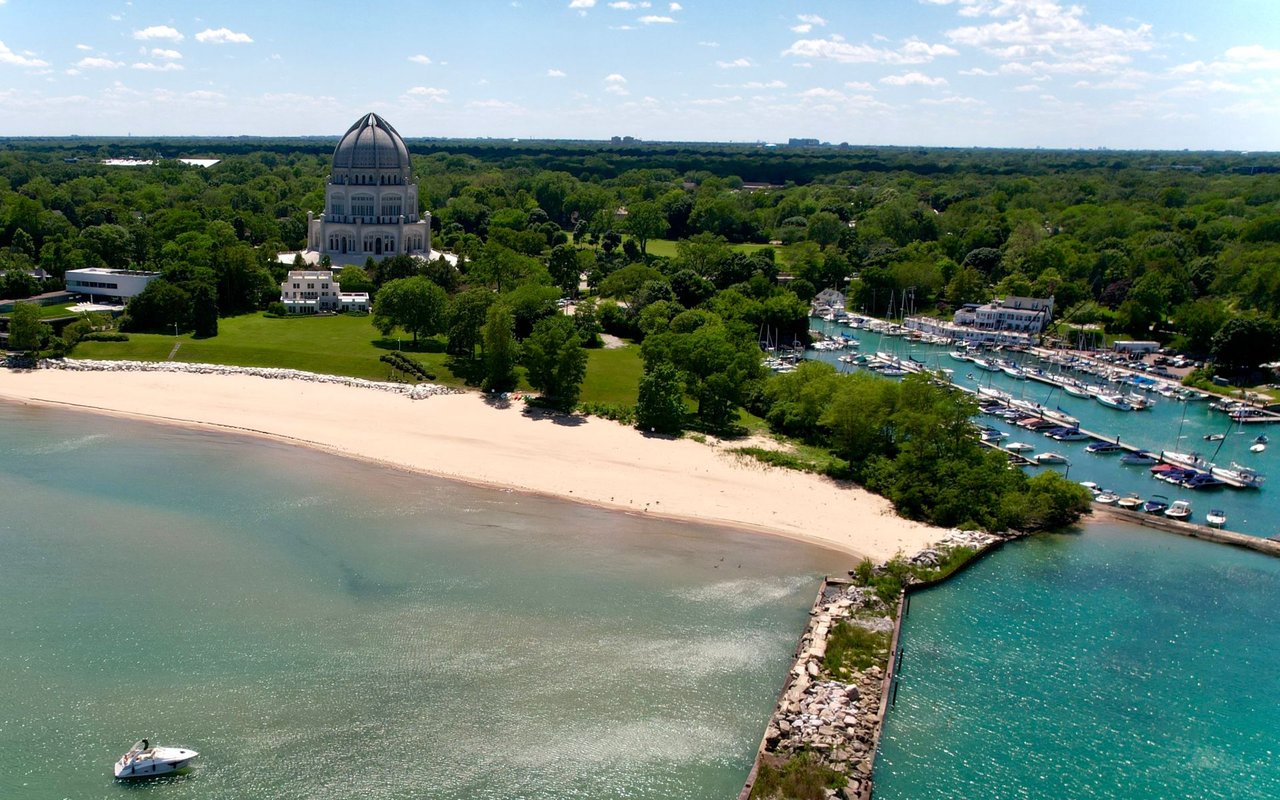
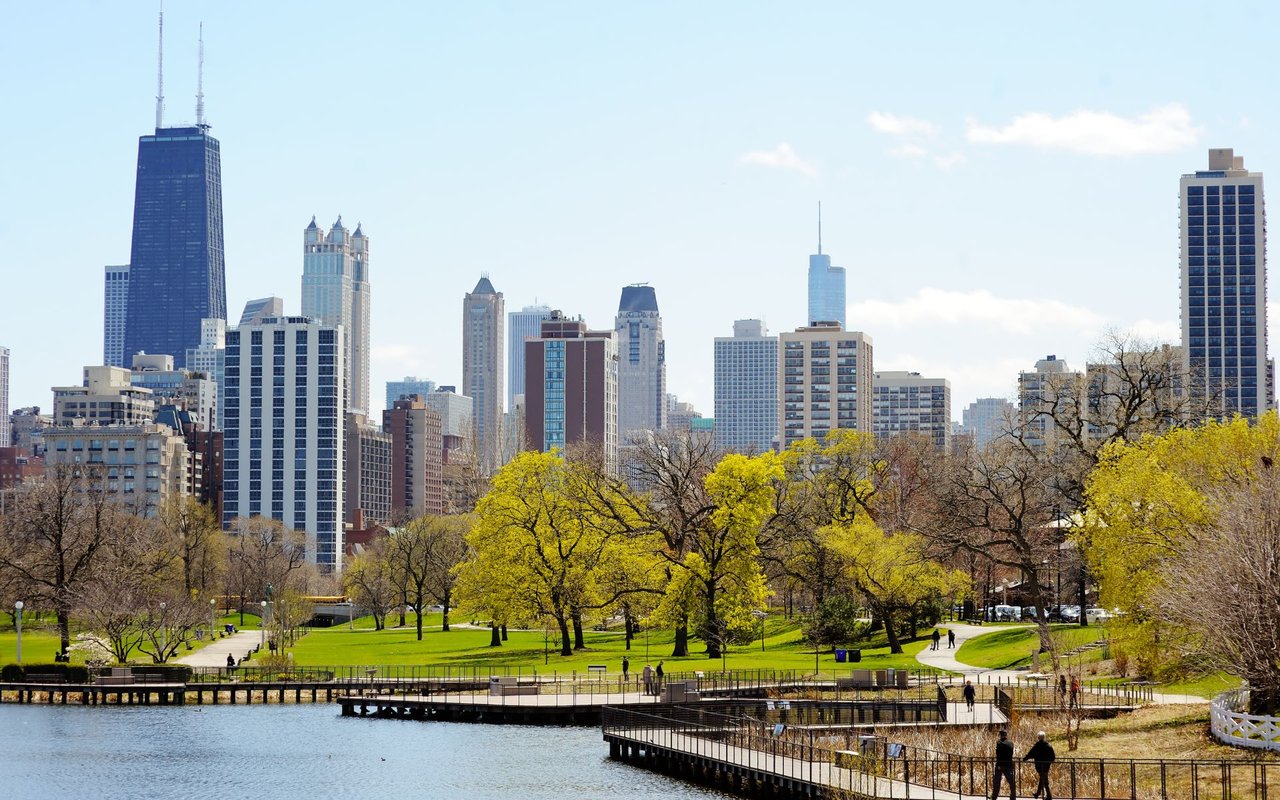
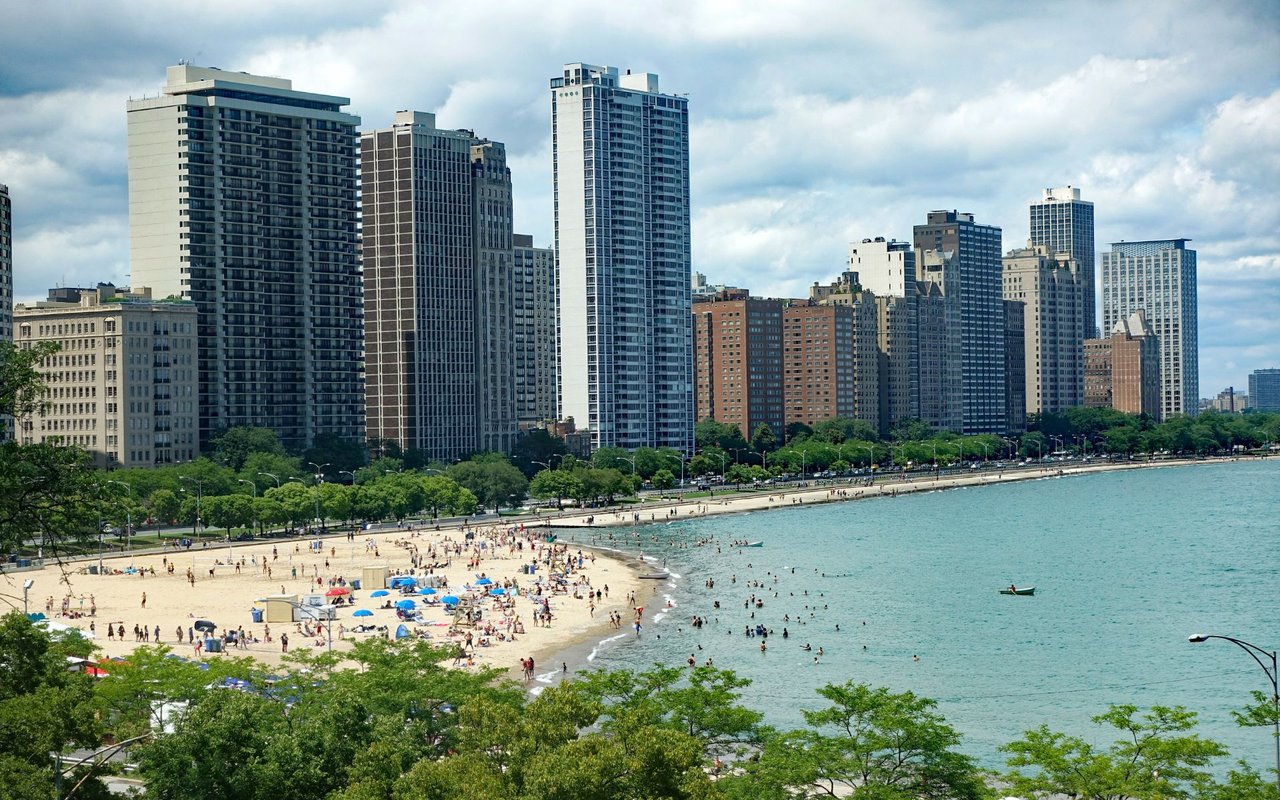
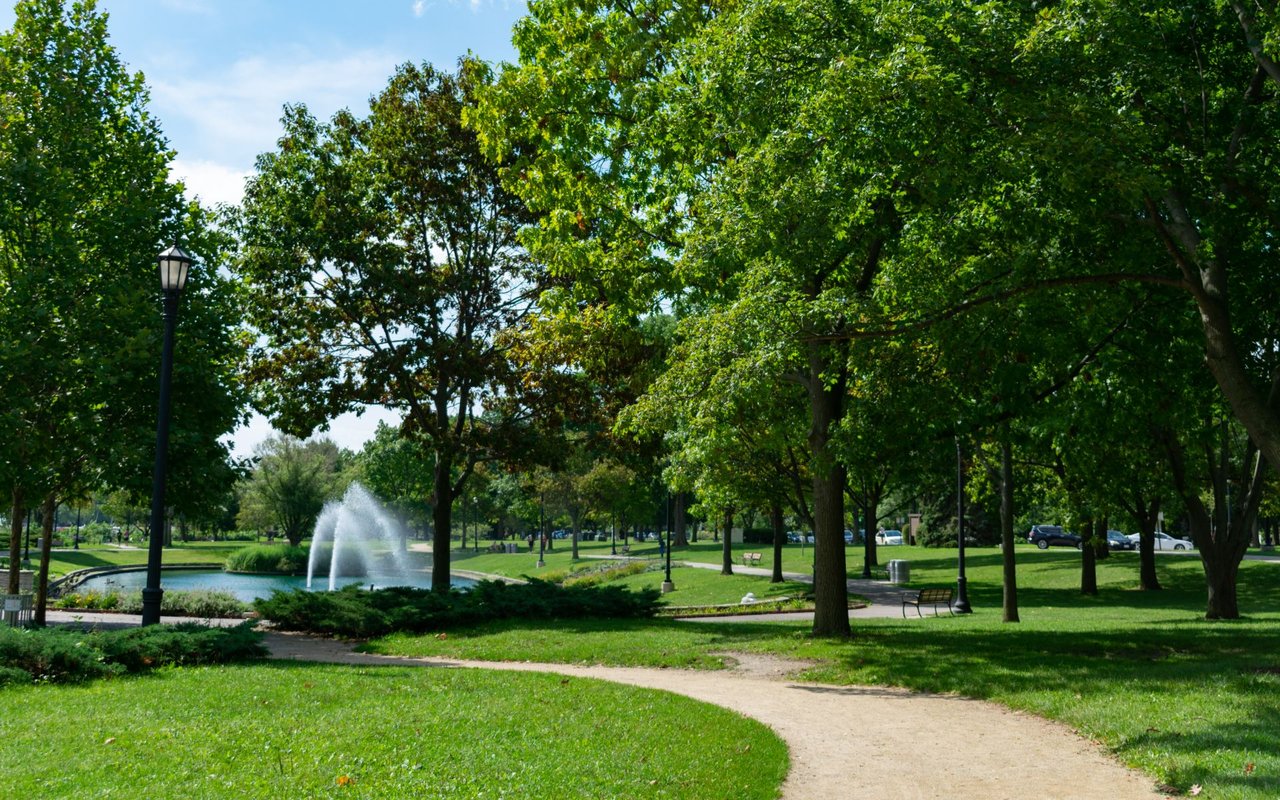
The lakefront is Lakeview's biggest recreational asset. Belmont Harbor offers transient boat slips, permanent mooring, and a yacht club, and the lakefront path running alongside it doubles as one of the city's most-used running and biking routes, including a stretch of the Chicago Marathon course. A red cedar totem pole at Lake Shore Drive and Addison, installed in 1986, marks one of the neighborhood's more distinctive public art pieces.
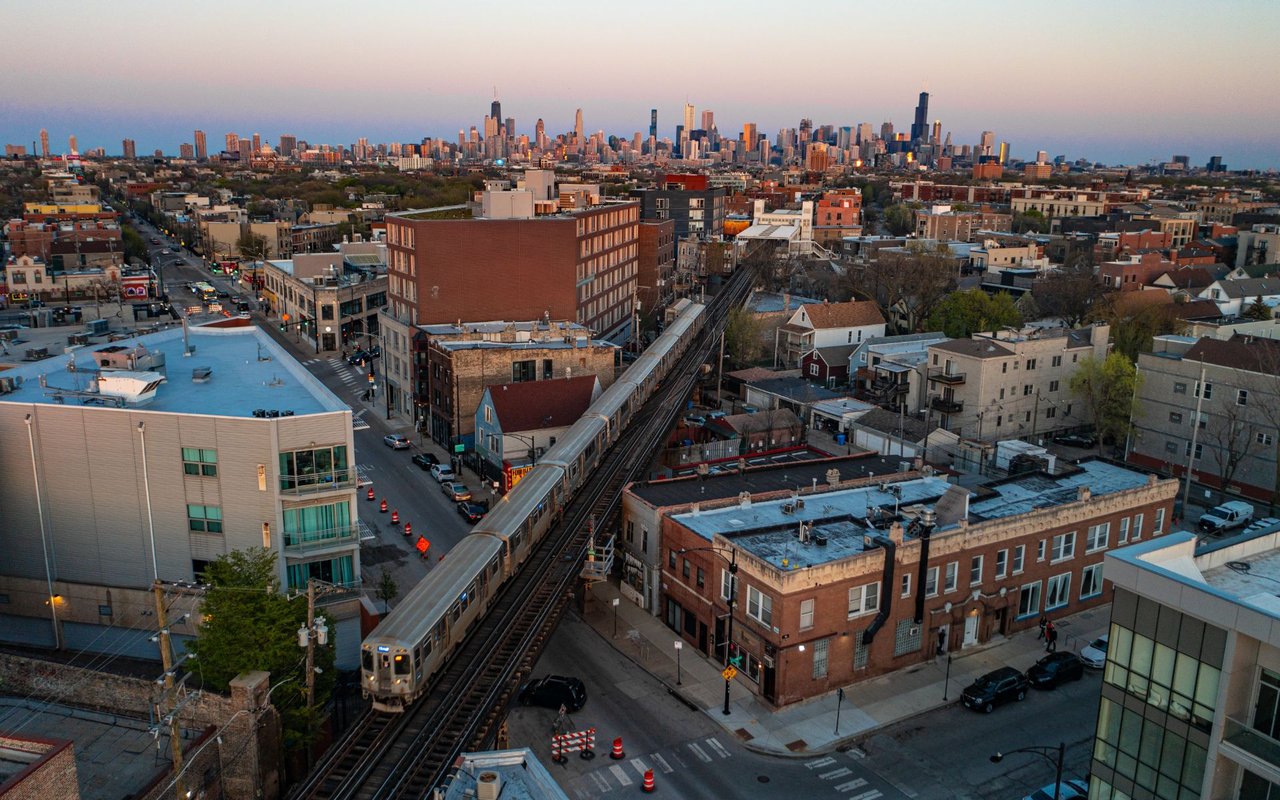
Six CTA 'L' stations across the Red, Brown, and Purple Lines serve Lakeview directly — Addison, Belmont, Paulina, Sheridan, Southport, and Wellington — giving most residents multiple route options into downtown. Express bus service runs along Michigan Avenue's Magnificent Mile, and more than fifteen local bus lines cover the neighborhood's major corridors. Car-share services and an expanding network of bike lanes support residents who go without a car, though street parking is genuinely competitive, particularly near Wrigley Field on game days and along the busier commercial strips.
Thirteen separate neighborhood organizations operate within Lakeview, a sign of just how actively residents engage with local issues, from zoning fights to historic preservation. The community calendar runs nearly year-round: the Chicago Pride Parade closes out June, Northalsted Market Days takes over August, the Lakeview Garden Walk opens private gardens to the public in July, and the Chicago Marathon runs straight through Lakeview East every October. Four synagogues, several historic churches, and LGBT-focused institutions like Howard Brown Health add to a neighborhood that manages to feel both established and constantly in motion.
Lakeview shares its North Side identity with several neighboring communities, though each has its own take on density, architecture, and pace. This is a general character comparison, not a market analysis.
Q. What is Lakeview known for?
A. Wrigley Field and Wrigleyville, the Boystown/Northalsted LGBT district, the Southport Corridor's boutique shopping, and its lakefront harbor and trail.
Q. Is Boystown the same as Northalsted?
A. Yes. The neighborhood officially adopted the Northalsted name in 2020, though many longtime residents and businesses still use Boystown.
Q. What kind of homes will I find in Lakeview?
A. A genuine mix — vintage greystones and courtyard buildings, historic brownstones in West Lakeview and the Southport Corridor, and upscale high-rise condos closer to the lake.
Q. Are there good public schools in Lakeview?
A. Yes. Chicago Public Schools runs seven K-8 schools in the area, including Nettelhorst and magnet programs like Hawthorne Scholastic Academy and the Inter-American Magnet School, with Lake View and Lincoln Park High Schools serving the area at the secondary level.
Q. Is parking difficult in Lakeview?
A. It can be, especially near Wrigley Field on Cubs game days and along the busiest commercial corridors — permits and off-street parking are worth asking about specifically.
Q. How do you get downtown from Lakeview without a car?
A. Six 'L' stations across the Red, Brown, and Purple Lines serve the neighborhood, along with express bus routes to downtown via Michigan Avenue.
Q. Is Lakeview walkable?
A. Very — it carries a Walk Score of 97, with most daily needs reachable on foot across its several commercial strips.
Q. What's the history behind Lakeview's name?
A. It was originally an independent township, incorporated in 1857 and annexed into the city of Chicago in 1889 as its population boomed.
Q. Does Lakeview have lakefront access?
A. Yes — Belmont Harbor and the adjoining lakefront trail run along the neighborhood's eastern edge, offering boating, running, and biking access.
Lakeview sits close to several other Chicago neighborhoods worth touring, including Lincoln Park, Roscoe Village, and Old Town.
101,219 people live in Lakeview, where the median age is 33 and the average individual income is $88,920. Data provided by the U.S. Census Bureau.
Total Population
Median Age
Population Density Population Density This is the number of people per square mile in a neighborhood.
Average individual Income
There's plenty to do around Lakeview, including shopping, dining, nightlife, parks, and more. Data provided by Walk Score and Yelp.
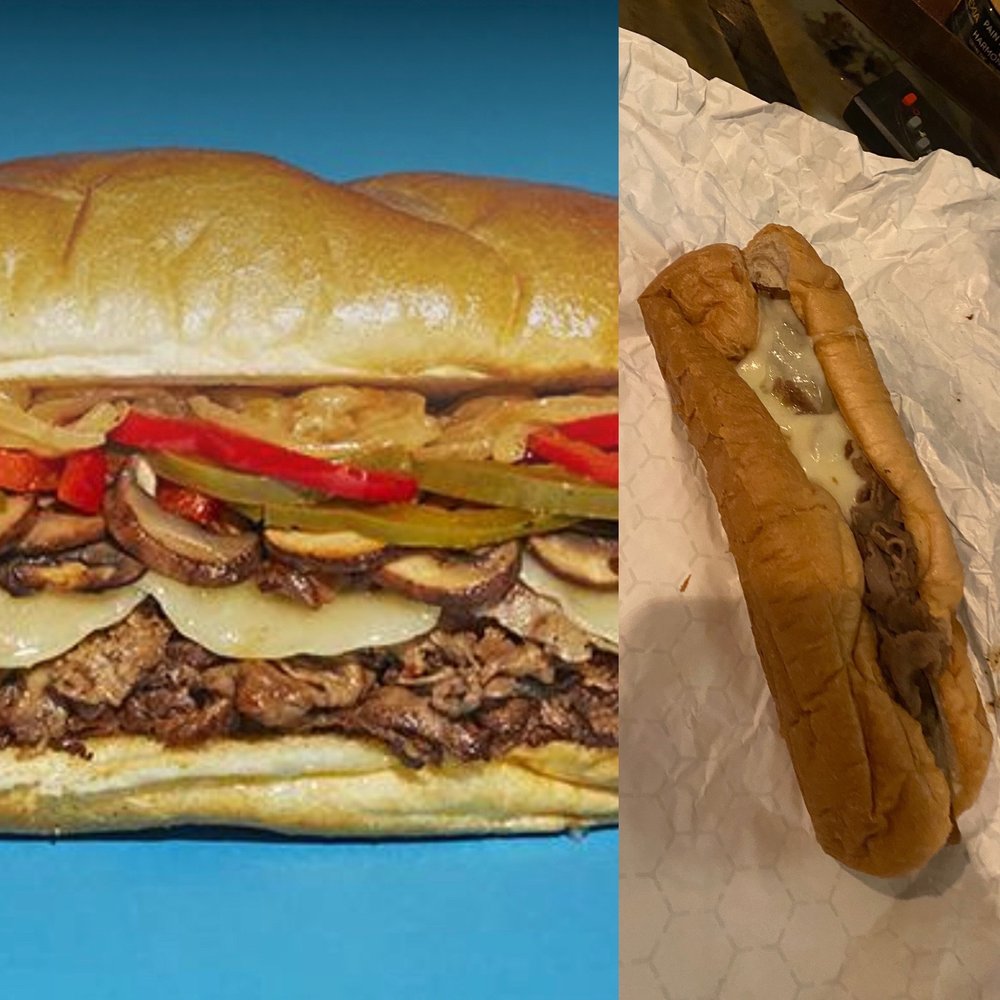
Explore popular things to do in the area, including Philly Fresh Cheesesteaks, Burger Mania, and Chicago Wine Council.
| Name | Category | Distance | Reviews |
Ratings by
Yelp
|
|---|---|---|---|---|
| Dining | 0.06 miles | 3 reviews | 1/5 stars | |
| Dining | 0.11 miles | 3 reviews | 1/5 stars | |
| Dining | 0.3 miles | 1 review | 4/5 stars | |
| Dining | 0.3 miles | 0 reviews | 0/5 stars | |
| Dining · $$ | 0.3 miles | 4 reviews | 5/5 stars | |
| Dining | 0.3 miles | 0 reviews | 0/5 stars | |
| Dining | 0.59 miles | 0 reviews | 0/5 stars | |
| Dining | 0.63 miles | 4 reviews | 1.8/5 stars | |
| Dining | 0.69 miles | 0 reviews | 0/5 stars | |
| Dining | 0.77 miles | 0 reviews | 0/5 stars | |
| Shopping | 0.33 miles | 0 reviews | 0/5 stars | |
| Shopping | 0.46 miles | 1 review | 3/5 stars | |
| Shopping | 0.52 miles | 1 review | 5/5 stars | |
| Shopping | 0.56 miles | 1 review | 4/5 stars | |
| Active | 0.3 miles | 0 reviews | 0/5 stars | |
| Active | 0.3 miles | 3 reviews | 5/5 stars | |
| Active | 0.32 miles | 0 reviews | 0/5 stars | |
| Active | 0.44 miles | 11 reviews | 3.4/5 stars | |
| Active | 0.51 miles | 17 reviews | 3.6/5 stars | |
| Active | 0.66 miles | 28 reviews | 4.9/5 stars | |
| Beauty | 0.6 miles | 9 reviews | 4.8/5 stars | |
| Beauty | 0.64 miles | 6 reviews | 4.2/5 stars | |
| Beauty | 0.7 miles | 0 reviews | 0/5 stars | |
| Beauty | 0.78 miles | 0 reviews | 0/5 stars | |
|
|
||||
|
|
||||
|
|
||||
|
|
||||
|
|
||||
|
|
Lakeview has 56,800 households, with an average household size of 2. Data provided by the U.S. Census Bureau. Here’s what the people living in Lakeview do for work — and how long it takes them to get there. Data provided by the U.S. Census Bureau. 101,219 people call Lakeview home. The population density is 47,757 and the largest age group is Data provided by the U.S. Census Bureau.
Total Population
Population Density Population Density This is the number of people per square mile in a neighborhood.
Median Age
Men vs Women
Population by Age Group
0-9 Years
10-17 Years
18-24 Years
25-64 Years
65-74 Years
75+ Years
Education Level
Total Households
Average Household Size
Average individual Income
Households with Children
With Children:
Without Children:
Marital Status
Blue vs White Collar Workers
Blue Collar:
White Collar: