NEIGHBORHOOD GUIDE
Astor Street Townhouses, Lakefront High-Rises, and a Century of Landmarks Near the Lake
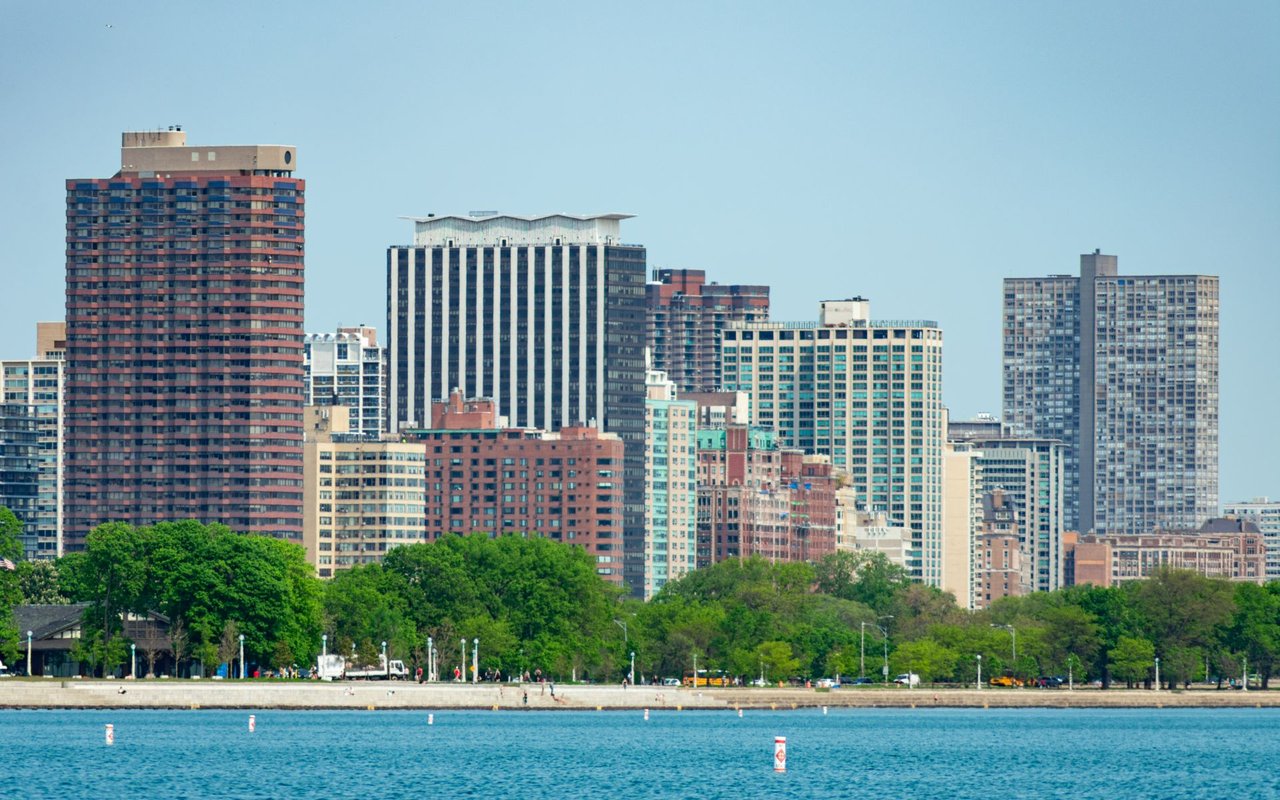
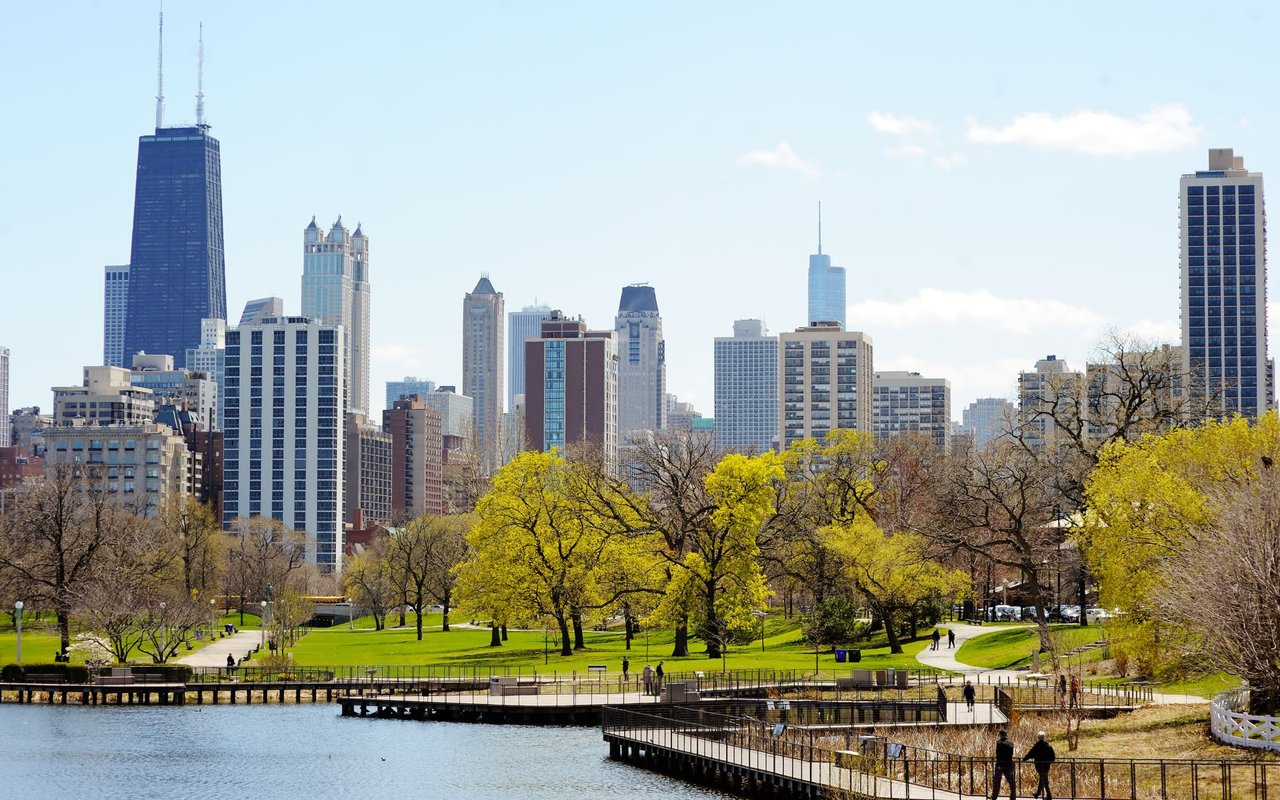
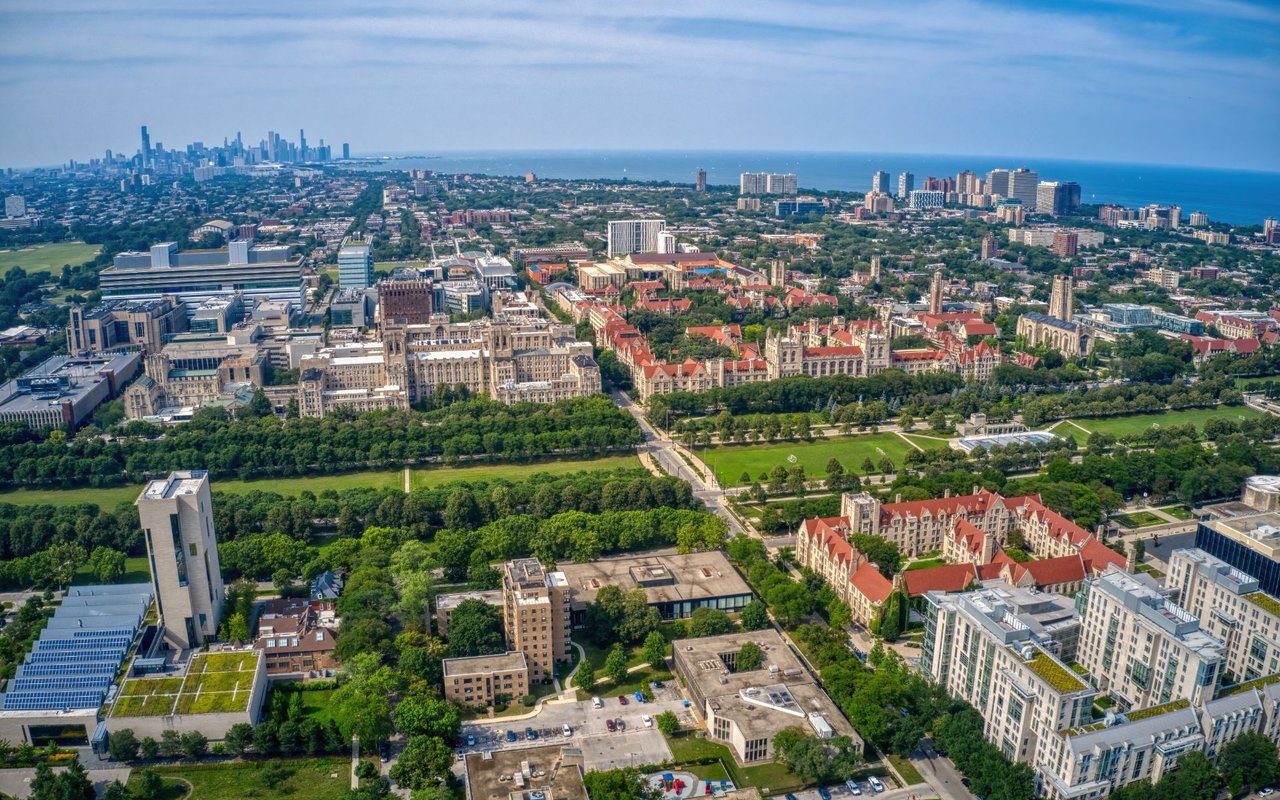
Potter Palmer started building a castle on the lakefront in 1882. The exterior was done the next year and the interiors in 1885, and other wealthy Chicago families followed him north from Prairie Avenue on the South Side. The mansion was torn down in 1950, but the neighborhood it started stayed. The name came later. A sociologist named Harvey Warren Zorbaugh popularized it in a 1929 book, The Gold Coast and the Slum, and it stuck to the Near North Side's lakefront blocks. What's left of the Palmer-era streets is easiest to see on Astor Street, where a Chicago Landmark district holds 19th-century houses mixed with 20th-century townhouses and apartment buildings, with lakefront high-rises standing all around them.
The Gold Coast is a sub-area of the Near North Side, one of Chicago's 77 community areas, and it has no official boundary. Most descriptions run from North Avenue south to Oak Street, Bellevue Place, or Chicago Avenue, and from Lake Michigan west to Clark Street. The National Register district is roughly bounded by North Avenue, Lake Shore Drive, Clark Street, and Oak Street, while the Gold Coast Neighbors Association lists North Avenue to Bellevue Place and North Lake Shore Drive to Clark. Streeterville is east of Michigan Avenue, Old Town is west of Clark, River North is to the south, and Lincoln Park begins at North Avenue.
Oak Street, a short two-way street, is the neighborhood's best-known shopping strip, and at its east end it meets Michigan Avenue, where the Magnificent Mile begins. The Mile was proposed in the 1909 Plan of Chicago, and developer Arthur Rubloff coined the name in the 1940s. A common mix-up is the Mies van der Rohe apartment towers at 860–880 N. Lake Shore Drive. They look like Gold Coast buildings, but they're in Streeterville.
Nobody can say who first called it the Gold Coast. The Encyclopedia of Chicago credits Zorbaugh's 1929 book with popularizing the name and repeats his claim that college men home from the East Coast coined it. A Chicago Public Library post says the name simply reflects the wealth of the residents, set against poor housing a few blocks west. The Palmers' house is the better-documented starting point. It was designed by Henry Ives Cobb and Charles Sumner Frost, with interiors supervised by Joseph Lyman Silsbee, and its presence along what would become Lake Shore Drive began a long process of wealthier families taking over more of the Near North Side.
Astor Street first appeared in an 1880 subdivision by the Catholic Bishop of Chicago and was named for John Jacob Astor. It runs between Division Street and North Avenue, and most of its houses are townhomes that share party walls. The 1871 fire destroyed most of the buildings on the Near North Side but didn't change how the land was used. After the Michigan Avenue Bridge opened in 1920, investors built high-rise apartments and hotels in the eastern part of the neighborhood. Arthur Rubloff's work on the Magnificent Mile and Sandburg Village in the 1950s brought more investment. Most of the high-rises that now surround the Astor Street District went up between 1960 and 1980. In 2021 the City Council voted to add Jean Baptiste Point DuSable's name to Lake Shore Drive, which is now officially DuSable Lake Shore Drive.
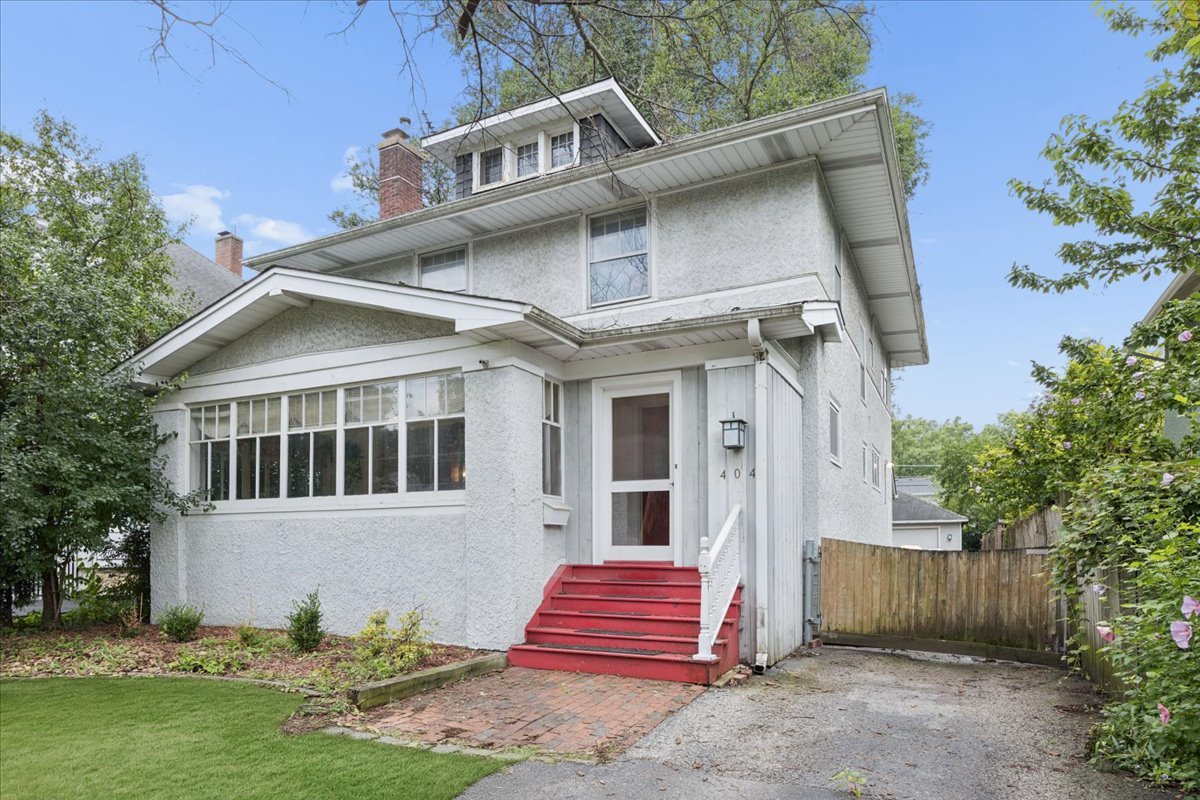
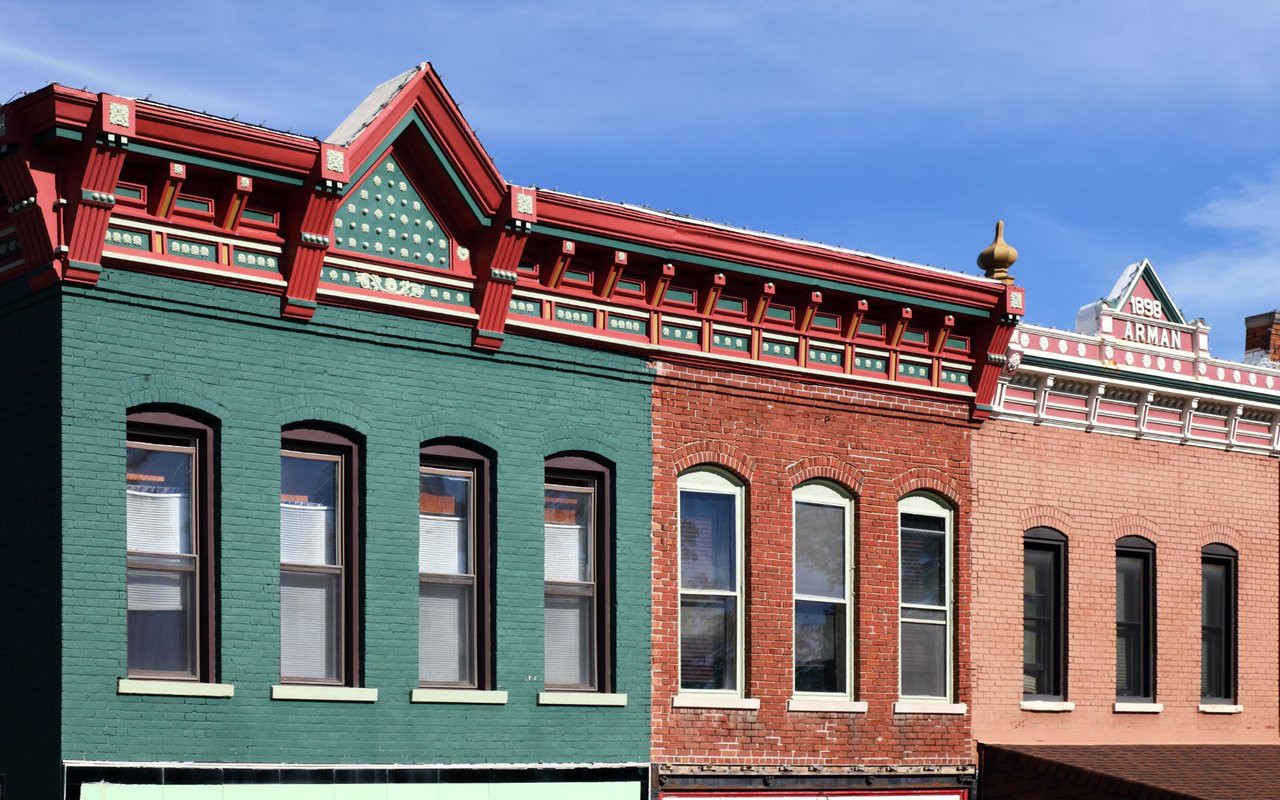
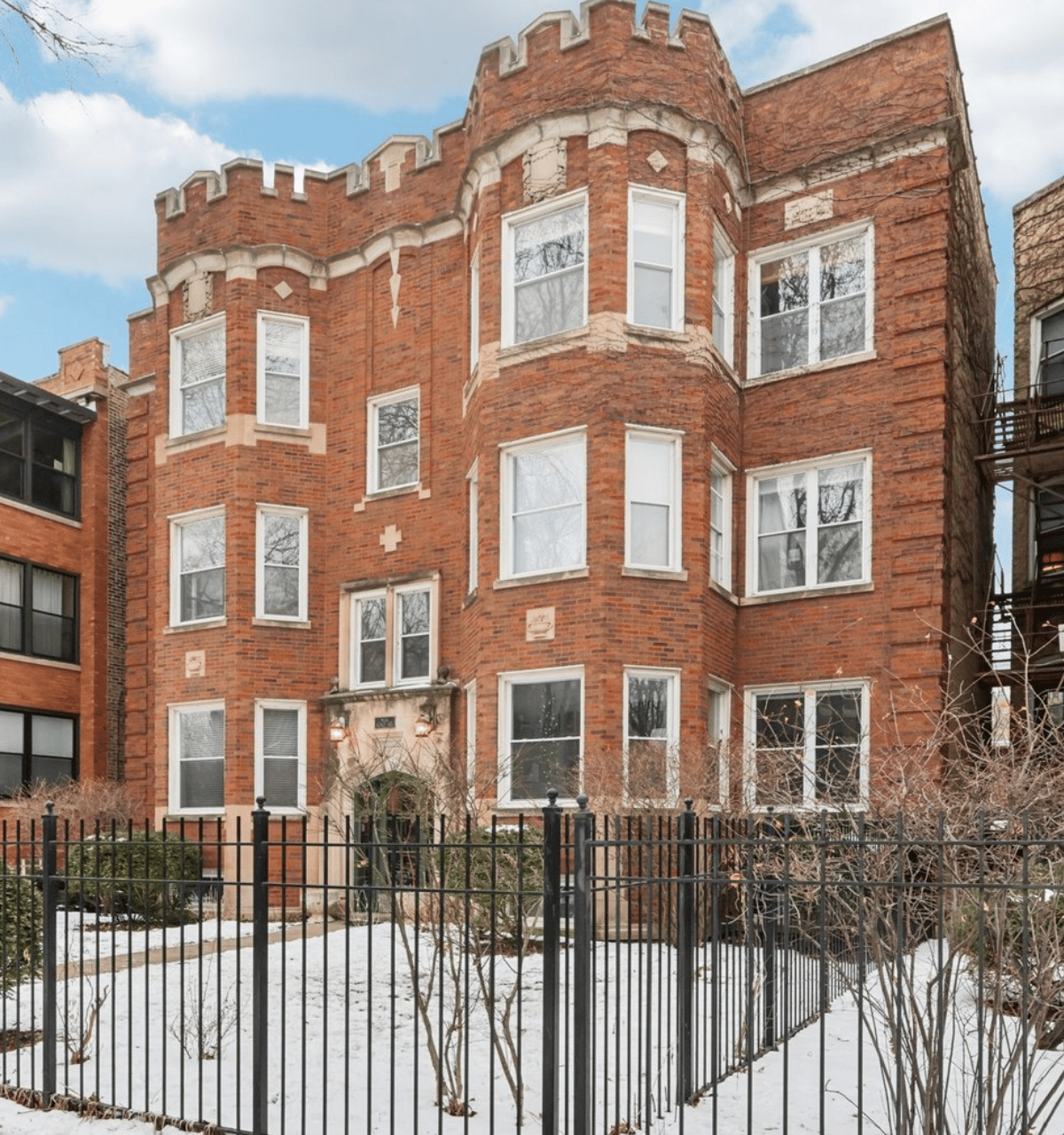
The Astor Street District's housing is described by the City as 19th-century houses in historical revival styles mixed with 20th-century apartment buildings and townhouses, and the three dominant styles are Queen Anne, Richardsonian Romanesque, and Georgian Revival. The block at 1500 N. Astor Street was once the McCormick mansion. Outside the district, the buildings are mostly high-rises.
The result is two separate housing types within a few blocks: townhouses and mansion-era row houses on streets like Astor, and apartment buildings along the lake and the avenues. Washington Square, near Clark Street, adds another group of post-fire masonry homes inside its own Chicago Landmark district, designated in 1990, and the Washington Square Historic District was listed on the National Register in 2003.
The Charnley-Persky House at 1365 N. Astor was designed by Adler & Sullivan, with Frank Lloyd Wright working in the office at the time, and was built between 1891 and 1892. It's a Chicago Landmark and a National Historic Landmark. The Society of Architectural Historians moved in in 1995 after Seymour Persky's gift and runs it as a headquarters and museum. The Madlener House at 4 W. Burton Place, designed by Schmidt & Garden and built in 1902, has been a Chicago Landmark since 1973. The Graham Foundation bought it in 1963 and holds free public programs there. The Three Arts Club at 1300 N. Dearborn, by Holabird & Roche, opened in 1915 as a residence for women studying music, painting, and drama, and operated until 2004. It's now retail and a cafe.
The Newberry Library, at 60 W. Walton Street, has been free and open to the public since 1887. The Chicago History Museum, at Clark and North, is generally associated with Lincoln Park but sits right at the Gold Coast's northern edge. The Queen Anne-style Archbishop's Residence at 1555 N. State Parkway, nicknamed the House of 19 Chimneys, housed Chicago's Catholic archbishops beginning in 1885.
Ogden International School is the public school most associated with the neighborhood. It's a Chicago Public Schools IB school with an East Campus at 24 W. Walton (K–4) and a Jenner Campus at 1119 N. Cleveland (PreK and grades 5–8), and its West Campus for high school is at 1250 W. Erie in West Town. Jenner merged into Ogden in 2018. Latin School of Chicago is a private option, serving JK through grade 12, and it was founded in 1888. Its upper school is at 59 W. North Boulevard. Attendance boundaries change often, so confirm any address with CPS.
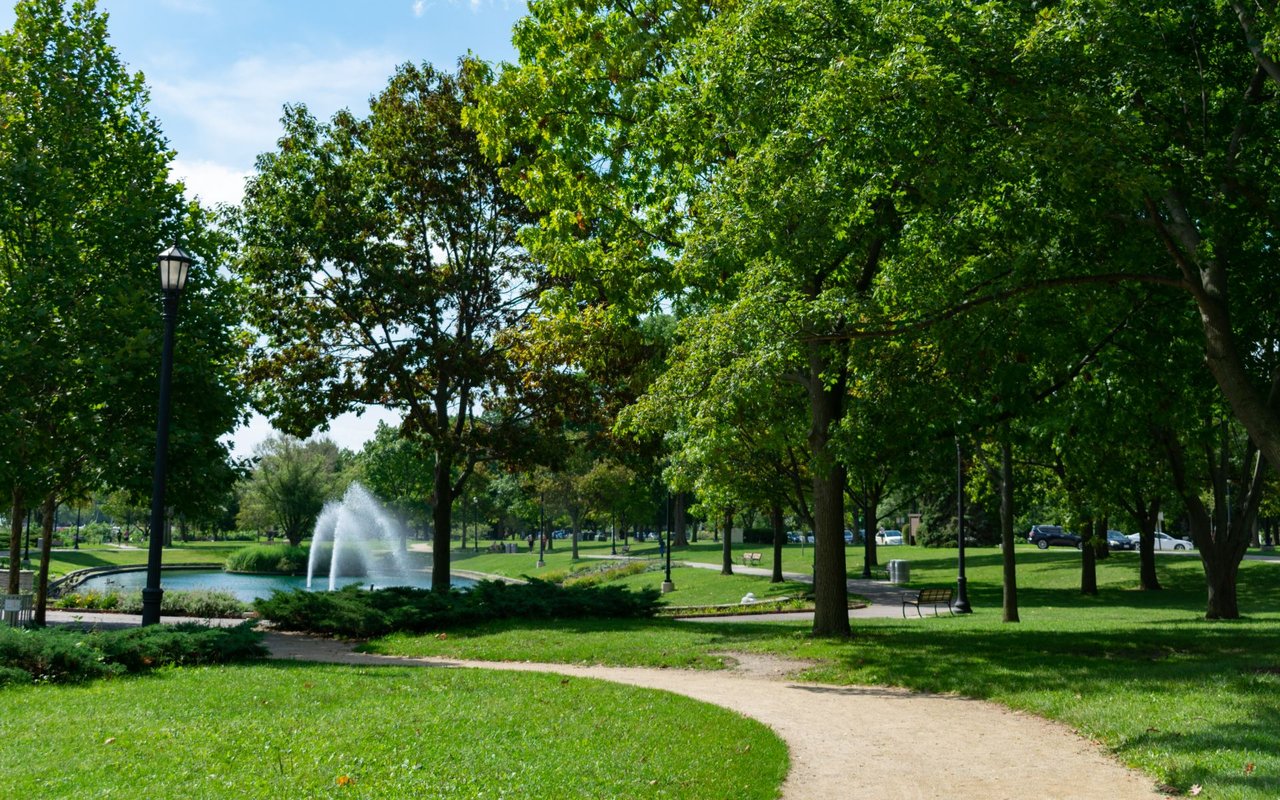
Oak Street is the neighborhood's short shopping strip, and Michigan Avenue forms its eastern edge. For something less commercial, Washington Square Park has a floral garden and a reconstructed fountain from a restoration in the late 1990s, and in the 1910s it became a regular gathering place for soapbox speakers. The Bughouse Square Debates, a revival of that tradition, ran from 1986 to 2021. The Gold Coast Art Fair, despite the name, has recently been held in Grant Park.
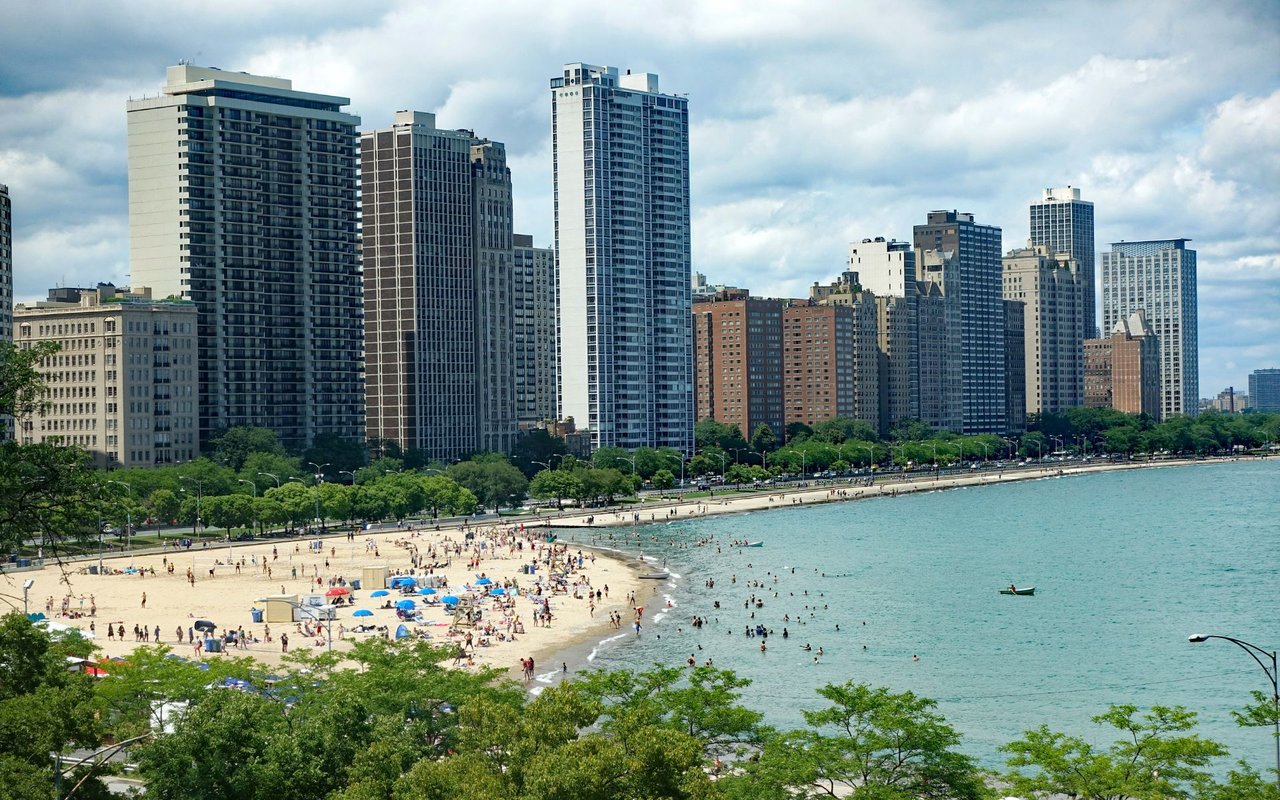
Oak Street Beach, at 1000 N. DuSable Lake Shore Drive, is open from 6 a.m. to 11 p.m., with lifeguards from 11 a.m. to 7 p.m. from the Friday before Memorial Day through Labor Day. It has chair, bike, and volleyball rentals, a cafe, and an accessible beach walk. It began as landfill, got a breakwater and a small beach in the 1890s, and picked up a pedestrian tunnel and comfort station in the 1930s as a WPA project. North Avenue Beach, at the northern edge, has a beach house by Wheeler Kearns Architects that opened in 1999, a 22,000-square-foot building modeled on an ocean liner. It replaced an earlier Art Moderne beach house. The Lakefront Trail runs along the water, and Lincoln Park Zoo, free and open every day, sits just north.
The Red Line's Clark/Division station, at 1200 N. Clark, sits at the western edge of the neighborhood, with bus connections to the 22, 36, 70, and 156. The entrance at LaSalle and Division is the accessible one. Lake Shore Drive runs along the lake.
The Gold Coast Neighbors Association, a nonprofit that has been active since 1999, focuses on protecting the area's residential character, educating owners about preserving significant properties, and supporting cultural groups. Next door, the Old Town Triangle Association runs the Old Town Art Fair, held the second weekend of June.
The Gold Coast is surrounded by neighborhoods that were built in different decades and for different uses. The table below is a general character comparison, not a market analysis.
Q. What is the Gold Coast known for?
A. Astor Street's townhouses and mansions, lakefront high-rises, Oak Street Beach, the Newberry Library, and Washington Square Park.
Q. Why is it called the Gold Coast?
A. The name was popularized by Harvey Warren Zorbaugh's 1929 book The Gold Coast and the Slum. Nobody has documented who first used it.
Q. What are the boundaries of the Gold Coast?
A. There's no official boundary. Most descriptions run from North Avenue south to Oak Street, Bellevue Place, or Chicago Avenue, and from Lake Michigan west to Clark Street.
Q. Is the Gold Coast a historic district?
A. Part of it is. The Astor Street District is a Chicago Landmark district (1975), the Gold Coast Historic District is on the National Register of Historic Places (1978), and the Washington Square District is a Chicago Landmark district (1990).
Q. What kind of homes are on the Gold Coast?
A. Townhouses and mansion-era row houses, mostly in Queen Anne, Richardsonian Romanesque, and Georgian Revival styles, along with vintage high-rise apartment buildings.
Q. Are the Mies van der Rohe towers on the Gold Coast?
A. No. The apartment towers at 860–880 N. Lake Shore Drive are in Streeterville.
Q. Is the Gold Coast Art Fair held in the Gold Coast?
A. Not recently. The fair has been held in Grant Park.
Q. What is the Charnley-Persky House?
A. An Adler & Sullivan house at 1365 N. Astor Street, built between 1891 and 1892. It's a Chicago Landmark and a National Historic Landmark, and it's the headquarters of the Society of Architectural Historians.
Q. What is Bughouse Square?
A. The nickname for Washington Square Park, at 901 N. Clark Street. In the 1910s it became a gathering place for soapbox speakers, and it sits across Walton Street from the Newberry Library.
The Gold Coast sits close to several other Chicago neighborhoods worth touring, including Lincoln Park, Old Town, and River North.
882 people live in Gold Coast, where the median age is 37 and the average individual income is $98,307. Data provided by the U.S. Census Bureau.
Total Population
Median Age
Population Density Population Density This is the number of people per square mile in a neighborhood.
Average individual Income
There's plenty to do around Gold Coast, including shopping, dining, nightlife, parks, and more. Data provided by Walk Score and Yelp.
Explore popular things to do in the area, including Fannie Mae, E Z Meats & Provisions, and Chicago Tomato Man.
| Name | Category | Distance | Reviews |
Ratings by
Yelp
|
|---|---|---|---|---|
| Dining · $$ | 0.81 miles | 8 reviews | 3.6/5 stars | |
| Dining | 0.98 miles | 0 reviews | 0/5 stars | |
| Shopping | 0.97 miles | 0 reviews | 0/5 stars | |
| Shopping | 1.23 miles | 0 reviews | 0/5 stars | |
| Active | 0.37 miles | 0 reviews | 0/5 stars | |
| Active | 0.4 miles | 0 reviews | 0/5 stars | |
| Active | 1.12 miles | 0 reviews | 0/5 stars | |
| Active | 1.23 miles | 0 reviews | 0/5 stars | |
| Active | 1.35 miles | 1 review | 2/5 stars | |
| Active | 1.45 miles | 6 reviews | 4.3/5 stars | |
| Beauty | 0.4 miles | 0 reviews | 0/5 stars | |
| Beauty | 0.4 miles | 0 reviews | 0/5 stars | |
| Beauty | 0.5 miles | 0 reviews | 0/5 stars | |
| Beauty | 0.96 miles | 0 reviews | 0/5 stars | |
| Beauty | 0.98 miles | 2 reviews | 5/5 stars | |
| Beauty | 1.15 miles | 0 reviews | 0/5 stars | |
| Beauty | 1.24 miles | 0 reviews | 0/5 stars | |
| Beauty | 1.26 miles | 0 reviews | 0/5 stars | |
| Beauty | 1.27 miles | 2 reviews | 3/5 stars | |
| Beauty | 1.27 miles | 0 reviews | 0/5 stars | |
| Beauty | 1.32 miles | 0 reviews | 0/5 stars | |
| Beauty | 1.35 miles | 20 reviews | 4.7/5 stars | |
| Beauty | 1.48 miles | 4 reviews | 5/5 stars | |
| Beauty | 1.51 miles | 0 reviews | 0/5 stars | |
|
|
||||
|
|
||||
|
|
||||
|
|
||||
|
|
||||
|
|
Gold Coast has 245 households, with an average household size of 3. Data provided by the U.S. Census Bureau. Here’s what the people living in Gold Coast do for work — and how long it takes them to get there. Data provided by the U.S. Census Bureau. 882 people call Gold Coast home. The population density is 21,446 and the largest age group is Data provided by the U.S. Census Bureau.
Total Population
Population Density Population Density This is the number of people per square mile in a neighborhood.
Median Age
Men vs Women
Population by Age Group
0-9 Years
10-17 Years
18-24 Years
25-64 Years
65-74 Years
75+ Years
Education Level
Total Households
Average Household Size
Average individual Income
Households with Children
With Children:
Without Children:
Marital Status
Blue vs White Collar Workers
Blue Collar:
White Collar: