NEIGHBORHOOD GUIDE
Cathedral Domes, Workers' Cottages, and a Landmark District Built After the Great Fire
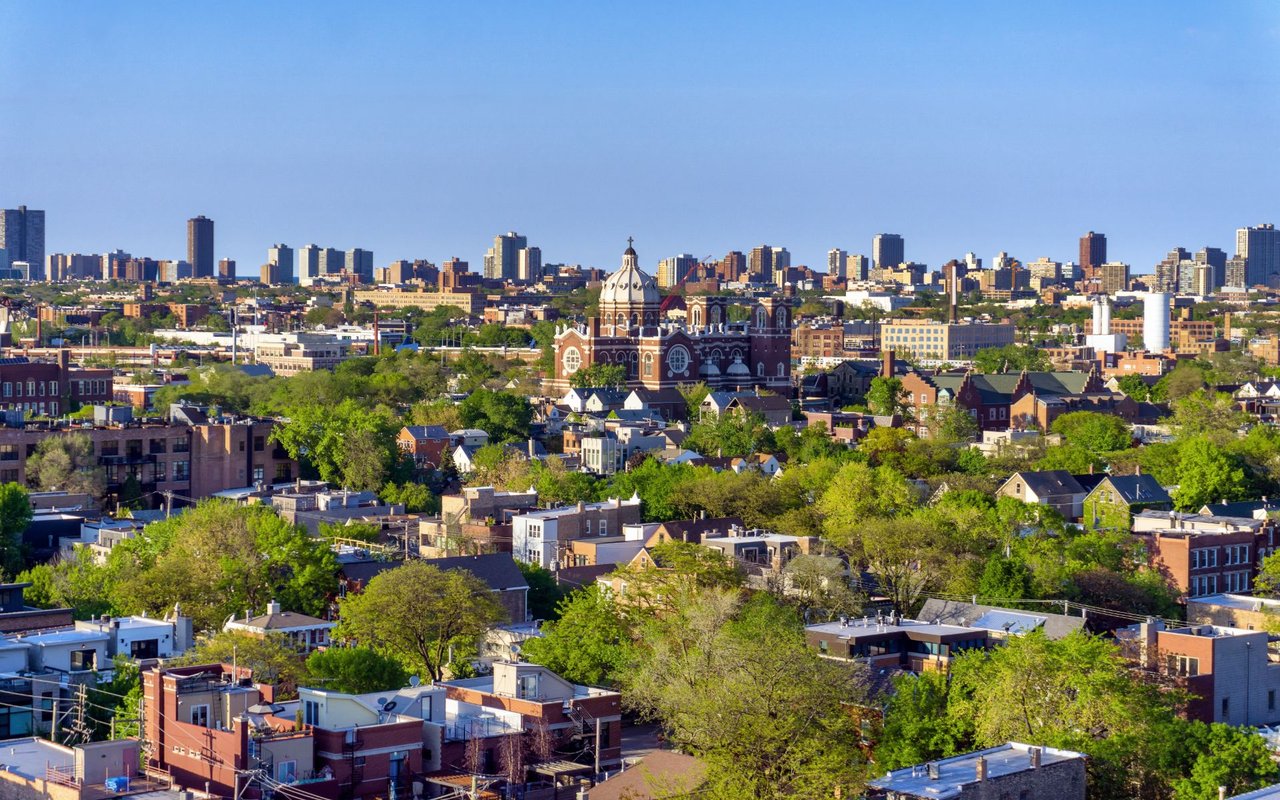
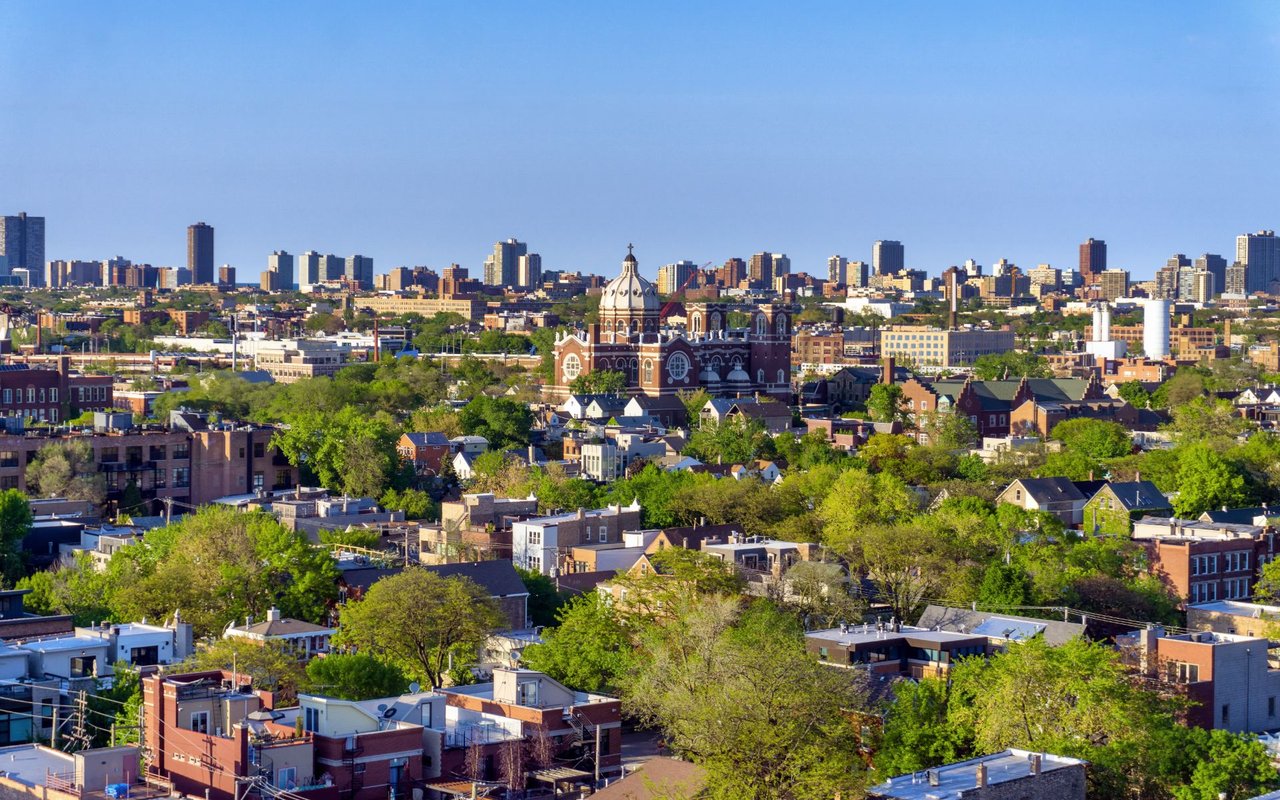
St. Nicholas Ukrainian Catholic Cathedral, at the corner of Oakley and Rice, carries thirteen domes. The church was finished in 1915, built in a Neo-Byzantine style modeled on St. Sophia in Kyiv, and it seats around 1,200. A few blocks away, Holy Trinity Orthodox Cathedral looks nothing like it. Louis Sullivan designed Holy Trinity, which was consecrated in 1903, and Tsar Nicholas II contributed to its construction. Two cathedrals by different architects, from different traditions, a few blocks apart: that's a fair summary of how Ukrainian Village took shape. German and Polish families built most of the houses after the 1871 fire. Ukrainian immigrants arrived in waves from the 1880s on, and in 1983 Mayor Jane Byrne made the name official, the first time the city had ever given a neighborhood that kind of designation.
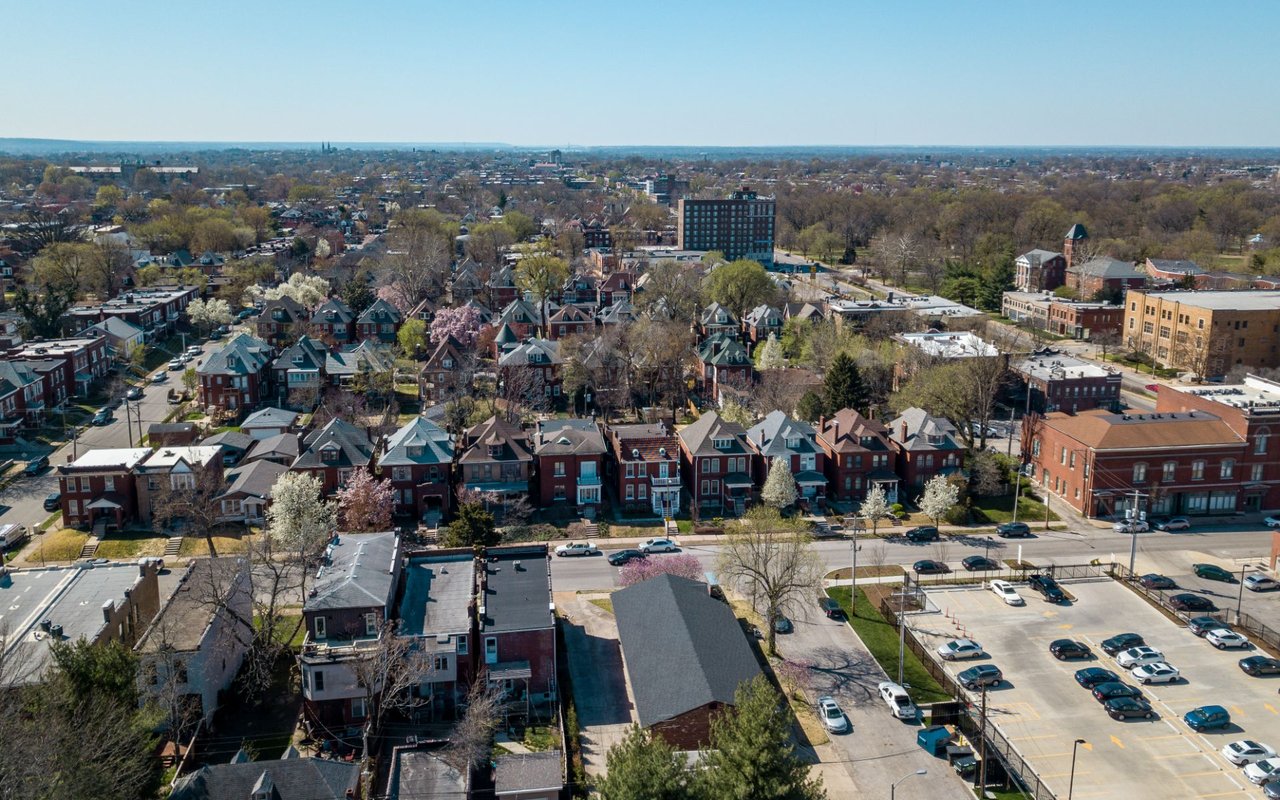
Ukrainian Village is a neighborhood inside the West Town community area, and its edges depend on who you ask. The most common description puts it between Division Street and Chicago Avenue to the north and south, and between Damen and Western Avenues to the east and west, covering about 160 acres. Some sources push the southern line to Grand Avenue or Huron Street, and some residents extend the western edge as far as Rockwell. The Chicago Landmark district is more precise: an irregular area roughly bounded by Haddon, Damen, Rice, and Western.
Chicago Avenue is where most of the Ukrainian institutions cluster. The Ukrainian Institute of Modern Art is at 2320 W. Chicago Avenue, and the Ukrainian National Museum is a couple of blocks away at 2249 W. Superior Street. In 2025 the state of Illinois named Ukrainian Village one of its cultural districts. Wicker Park and Bucktown are to the north, and East Ukrainian Village, Noble Square, and Smith Park are all part of the same community area.
Development began after the 1871 fire. German immigrants, many of them construction workers and craftsmen, settled the area first, and the Chicago Landmarks designation notes that German and Polish residents came before the Ukrainians. William D. Kerfoot, a developer, built nearly one in three of the buildings in the district. He was the first developer in the city to restart business after the fire, and he opened his office the day after with a sign saying he'd lost everything but his family and his energy. In 1886 he began a group of brick workers' cottages near Haddon and Damen.
Ukrainian immigration came in waves. Peasants arrived between about 1880 and 1910, and by 1910 Ukrainians were the largest group in the area. Semi-skilled, literate workers followed in the 1920s and 1930s, then skilled professionals around 1948 to 1955 after the Displaced Persons Act, and more arrivals after the Soviet collapse in the 1990s. Earlier Ukrainian enclaves in Chicago were elsewhere, around Division, Racine, Orleans, and Roosevelt. St. Nicholas parish started on December 31, 1905, when 51 immigrants founded it, and a year later the congregation bought a Danish Lutheran church at Superior and Bishop for $8,000. On January 18, 1983, Mayor Byrne made Ukrainian Village an official neighborhood. By 1990, about 2,500 residents still claimed Ukrainian descent, and the churches, museums, and festivals have stayed at the center of the neighborhood's identity.
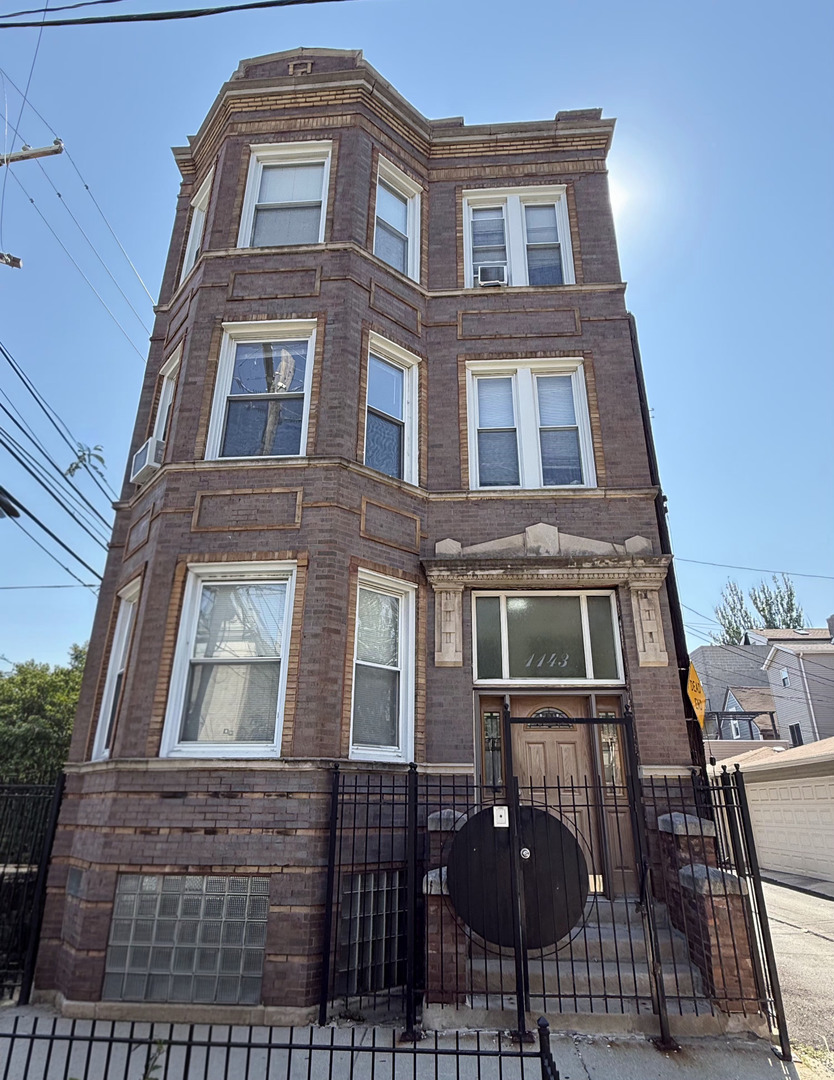
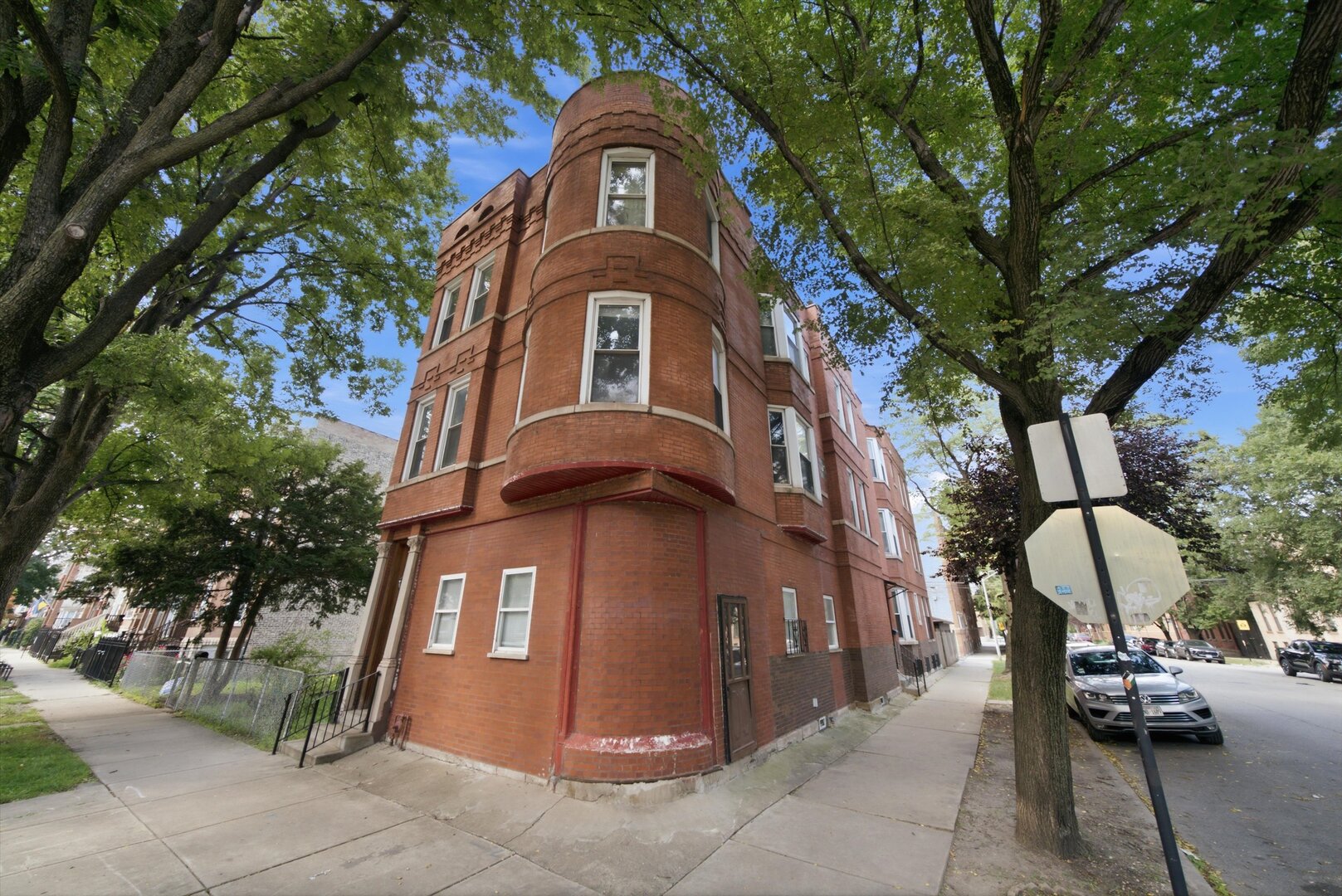
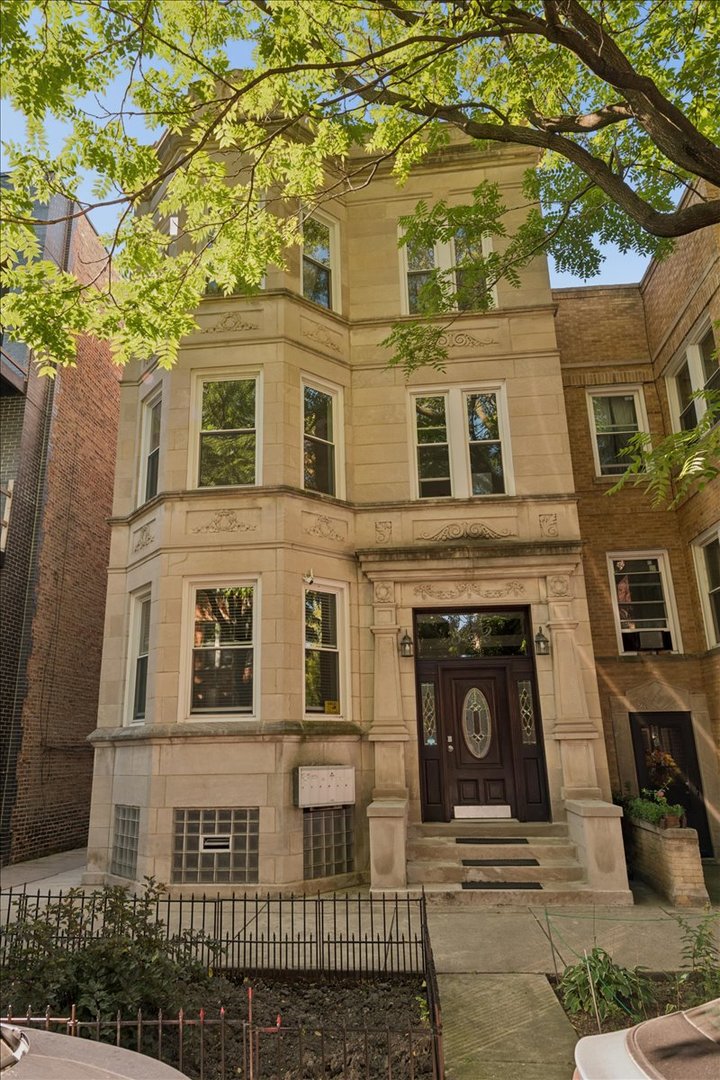
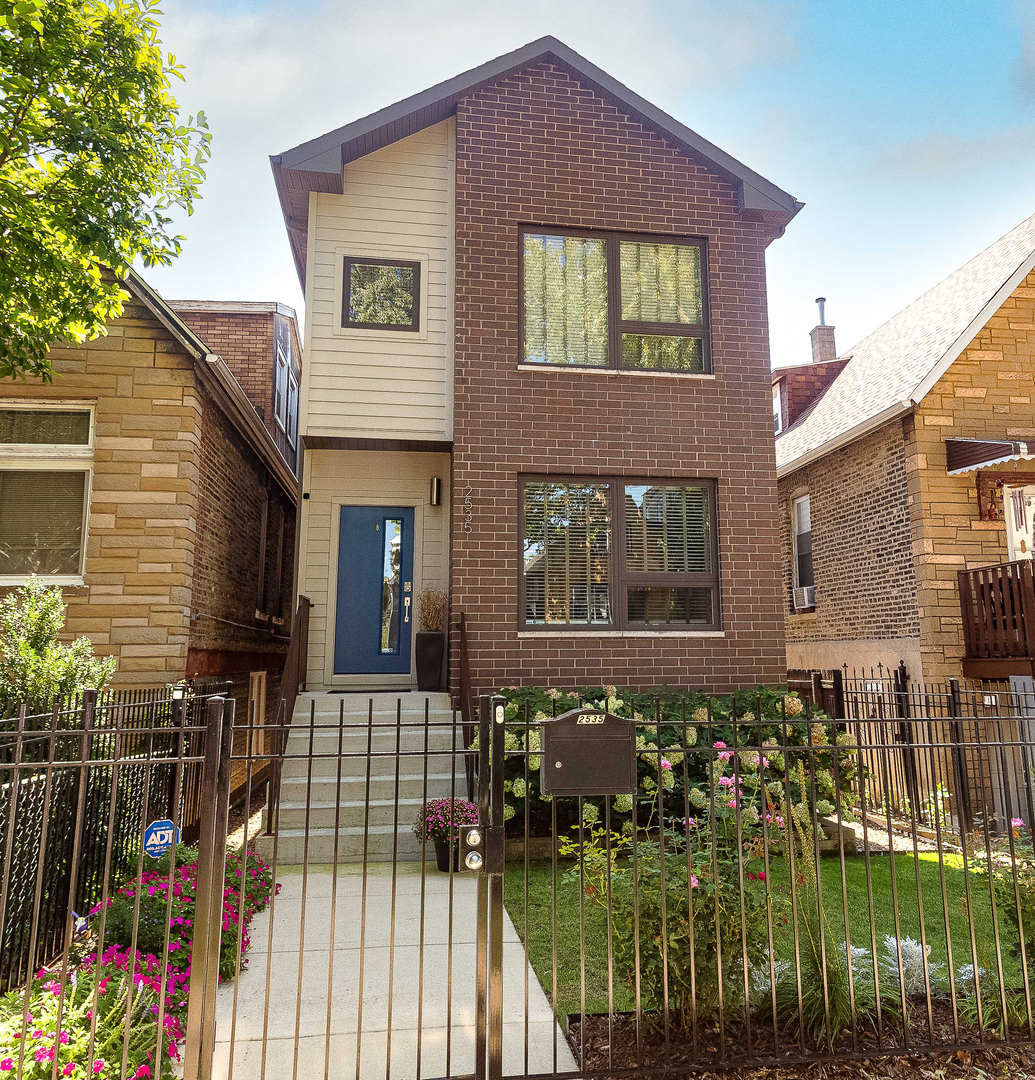
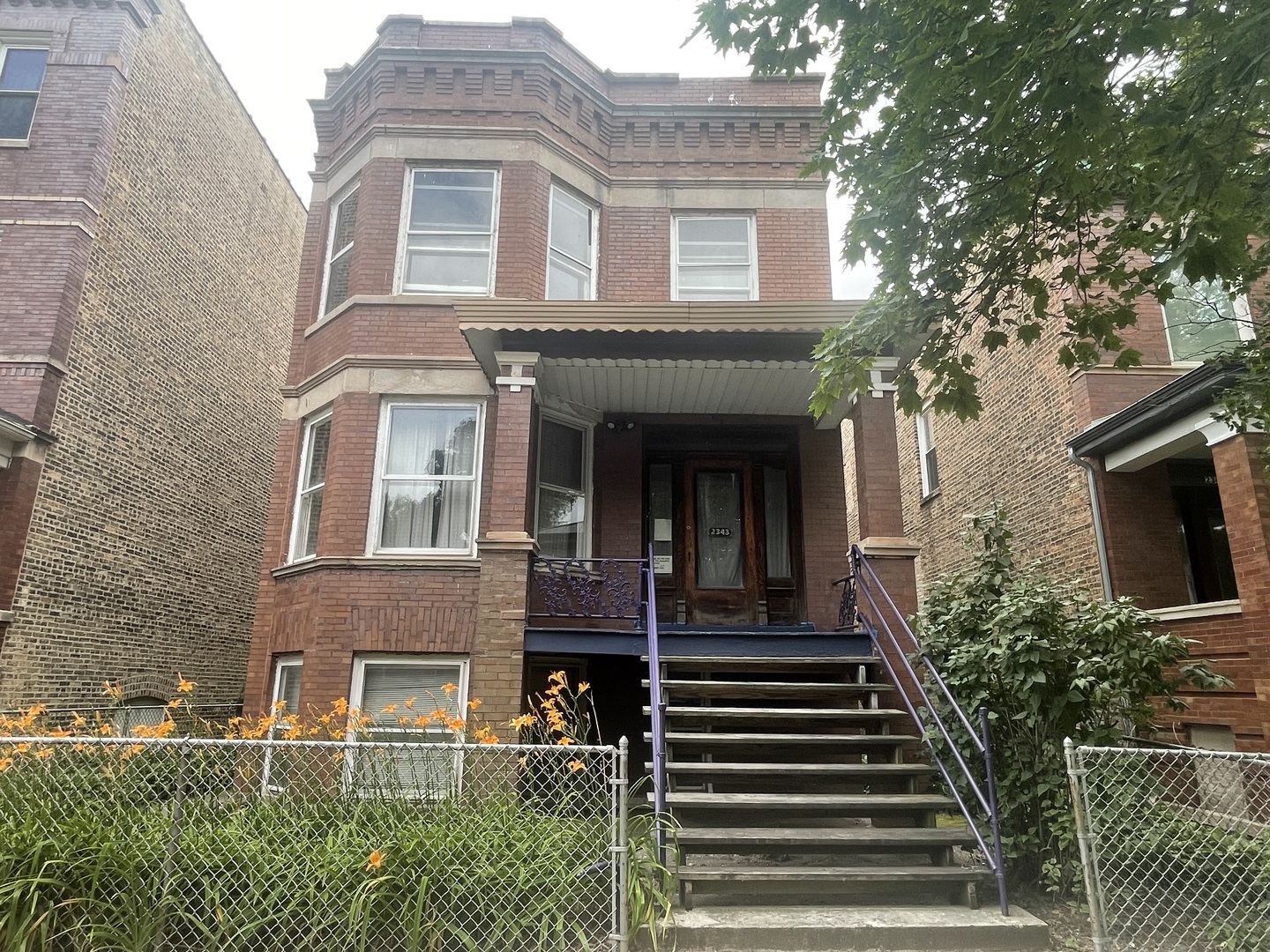
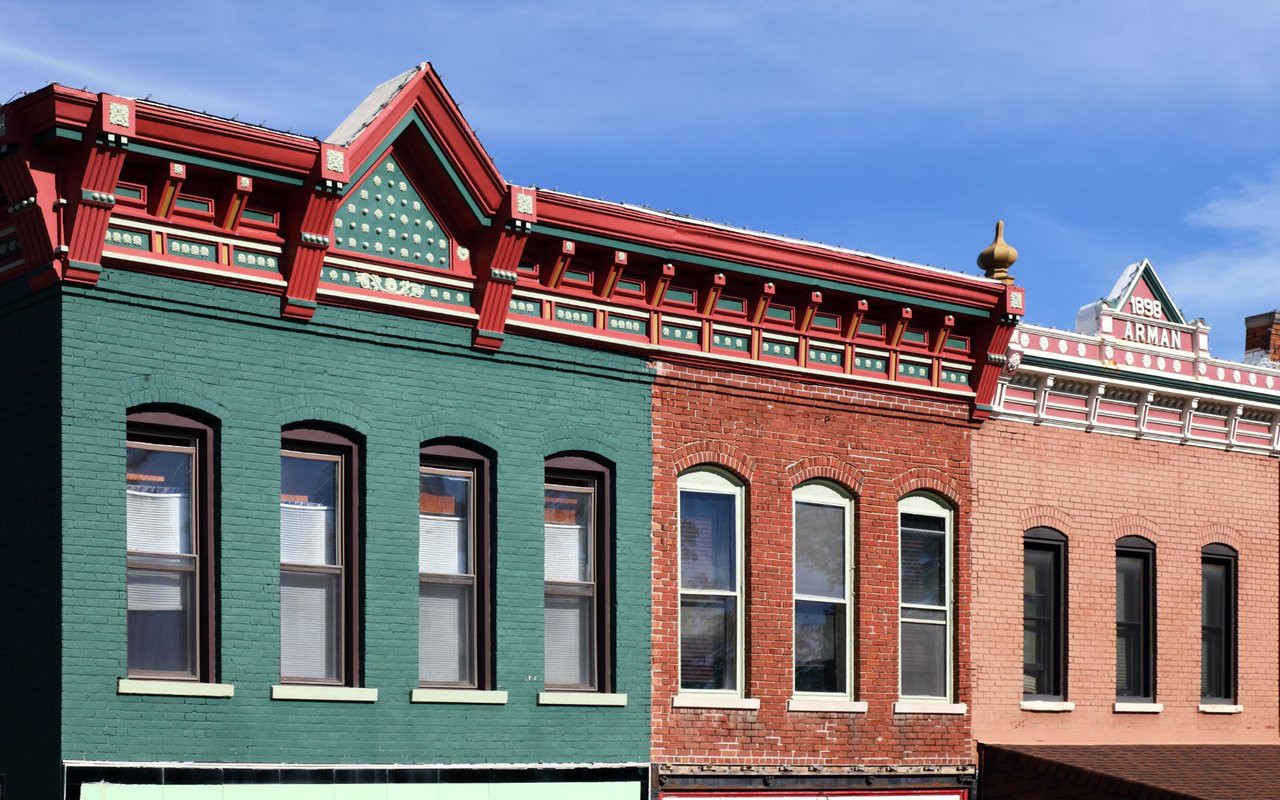
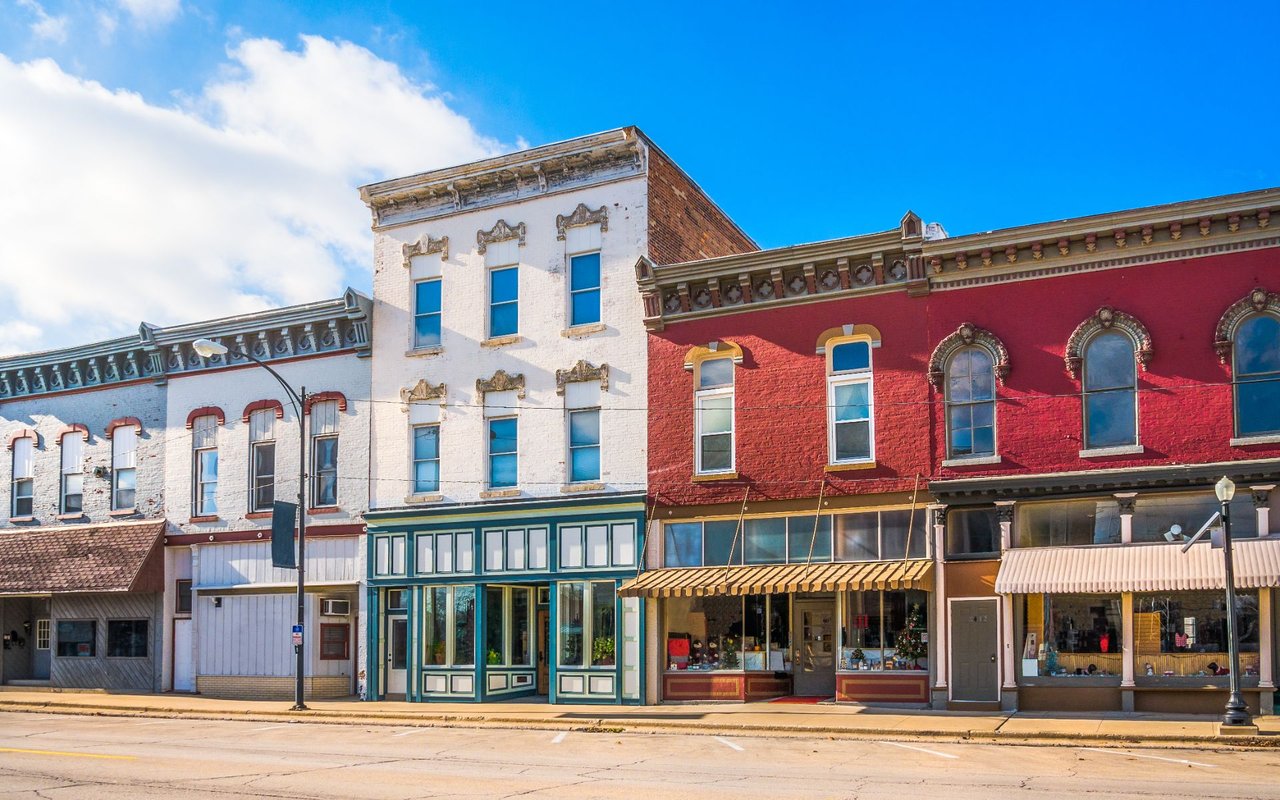
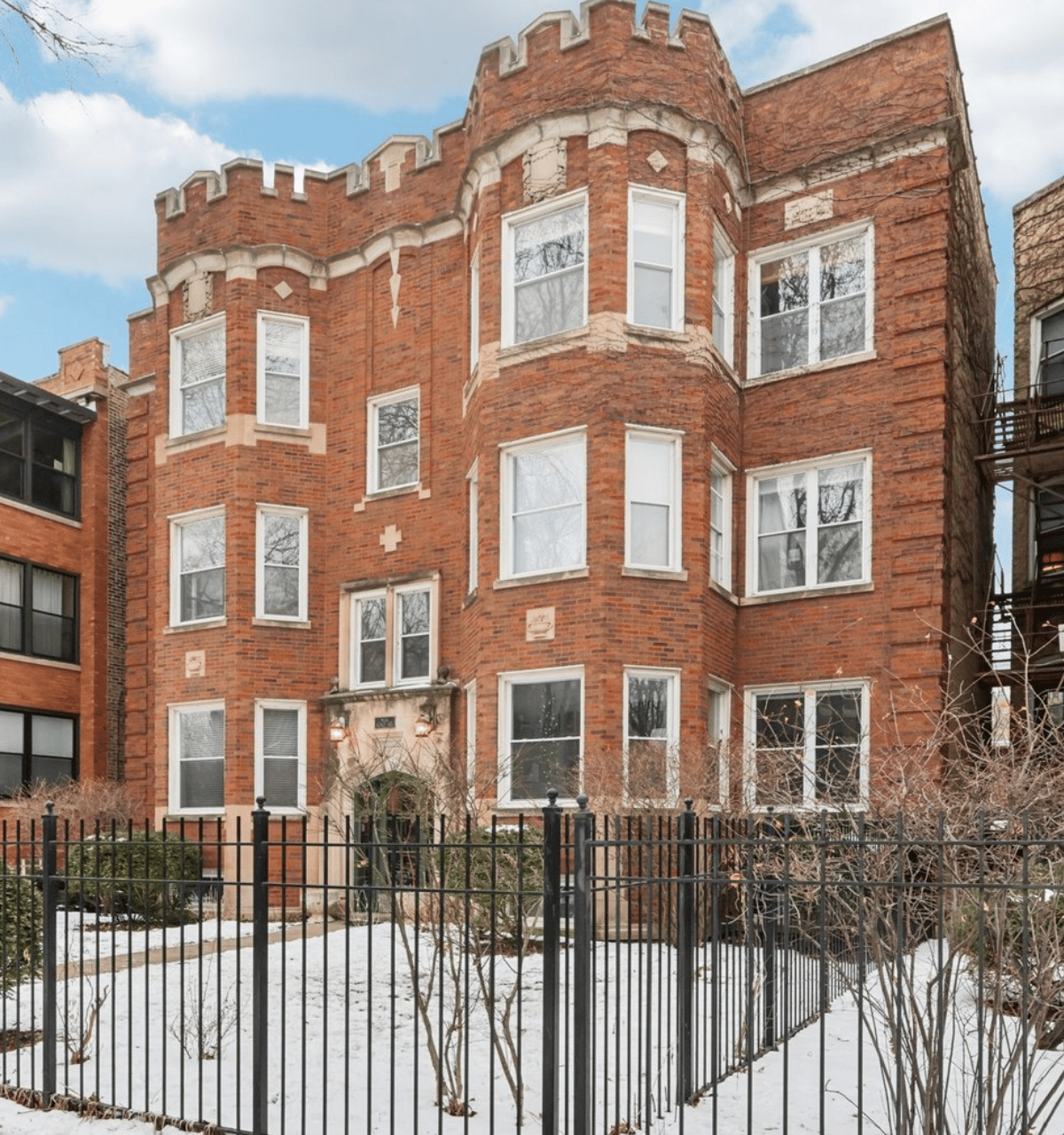
The Chicago Landmarks designation describes the district's housing as workers' cottages, two- and three-flats, single-family homes, and large apartment buildings, all with finely crafted details. Development ran from the 1880s into the 1920s, in phases. Walton Street, the second phase, dates from 1890 to 1905. The northern part of the 2007 extension was platted in 1905 and built out between 1910 and 1914, and the southern part was subdivided in 1908 to 1911 and filled with flats between 1910 and 1917.
A later extension added the St. John Evangelical Lutheran Church and School buildings at 913–925 N. Hoyne, a Gothic Revival complex from 1905–06 by Worthmann & Steinbach. The Commission on Chicago Landmarks reviews proposed alterations, demolition, and new construction on properties in landmark districts as part of the permit review process. Because the district covers only part of the neighborhood, the status of a given address is worth checking early.
St. Nicholas Ukrainian Catholic Cathedral, designed by Worthmann & Steinbach, held its first liturgy on January 7, 1915, and has been the seat of the Ukrainian Catholic eparchy in Chicago since 1961. Holy Trinity Orthodox Cathedral, at 1121 N. Leavitt, is a Louis Sullivan building with an octagonal dome and a frontal bell tower. The cornerstone was laid on March 31, 1902, and the church was consecrated on March 29, 1903. It was listed on the National Register of Historic Places on March 16, 1976, and designated a Chicago Landmark on March 21, 1979. Sts. Volodymyr and Olha Ukrainian Catholic Church, at 730 N. Oakley, is a newer building in the Byzantine-Ukrainian style, built between 1971 and 1973 and designed by Yaroslav Korsunsky of Minneapolis. The parish formed in the late 1960s, and its Ukrainian Cultural Center was completed in 1988.
Chicago Public Schools in and near the neighborhood include Chopin Elementary on Rice Street (PreK–8, district-run), Roberto Clemente Community Academy on Western Avenue (grades 9 to 12, an IB World school with Allied Health, Broadcast Technology, and Culinary Arts pathways), and Pulaski International on McLean Avenue (PreK–8), which is nearby rather than clearly inside the neighborhood. St. Nicholas has run a parish school since the 1920s, starting as a heritage school and opening as a full-time elementary school in 1935. Attendance boundaries change, so confirm any address with CPS.
The Ukrainian National Museum on Superior Street holds embroidery, pysanky, and displays on the Kozak period, World War I, and the Holodomor, and it runs Petrykivka painting workshops. The Ukrainian Institute of Modern Art, founded in 1971 by Ukrainian emigre artists, has a permanent collection and rotating exhibitions. Chicago Avenue between Damen and Western has Ukrainian bakeries, delis, and restaurants alongside older neighborhood bars.
Ukrainian Village Fest is held every August on the grounds of Sts. Volodymyr and Olha, and it's been an annual event since the early years of Ukrainian independence.
Smith Park, at 2526 W. Grand Avenue, covers 10.2 acres just west of Western Avenue. The fieldhouse has a gym, a kitchen, and meeting rooms, and the grounds include a swimming pool, a playground with a spray feature, baseball fields, a football and soccer field, and tennis and pickleball courts. Part of the land was once a dump, and the fieldhouse went up in 1979. Commercial Club Playground, at 1845 W. Rice Street, is 1.52 acres with a fieldhouse, a community garden, a spray feature, a mosaic, and a snake sculpture. The 606 runs 2.7 miles along Bloomingdale Avenue to the north, and Humboldt Park is to the west.
The Blue Line stops at Division (1200 N. Milwaukee), Damen (1558 N. Damen), and Western (on the O'Hare branch), all around the neighborhood's edges. Damen reopened in December 2014 after a $13.6 million renovation. Bus routes run along Chicago Avenue (66), Division Street (70), Western Avenue (49), Damen Avenue (50), and Grand Avenue (65). CTA reroutes happen from time to time, so check the current route alerts.
The churches anchor much of the neighborhood's calendar. The Hromovytsia dance group and the Ukrainian School of Dance use the Ukrainian Cultural Center at Sts. Volodymyr and Olha, and the museums on Superior Street and Chicago Avenue run exhibitions and workshops through the year. Around 1930, an estimated 25,000 to 30,000 Ukrainians lived in Chicago, most of them in and around the village. The numbers on each block are different now, but the institutions are still here.
Ukrainian Village sits in the middle of several West Side and Northwest Side neighborhoods that grew up in the same decades. The table below is a general character comparison, not a market analysis.
Q. What is Ukrainian Village known for?
A. Ukrainian Catholic and Orthodox cathedrals, the Ukrainian National Museum, the Ukrainian Institute of Modern Art, and a Chicago Landmark district of workers' cottages and flats.
Q. Why is it called Ukrainian Village?
A. Ukrainian immigrants became the largest group in the area after about 1880, and the city made the name official on January 18, 1983.
Q. What are the boundaries of Ukrainian Village?
A. Generally Division Street to Chicago Avenue and Damen to Western Avenue. Sources differ on the exact lines, and the landmark district follows its own boundary.
Q. Is Ukrainian Village a historic district?
A. Part of it is. The Ukrainian Village District is a Chicago Landmark district, designated December 4, 2002 and extended since. It doesn't cover the whole neighborhood.
Q. Is Ukrainian Village its own community area?
A. No. It's a neighborhood within the West Town community area.
Q. What kind of homes are in Ukrainian Village?
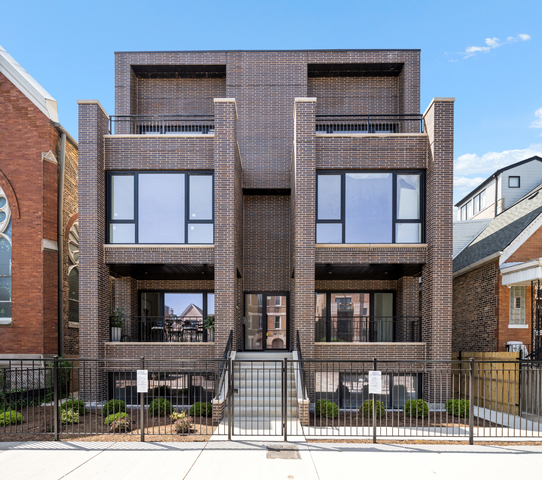
A. Workers' cottages, two- and three-flats, single-family homes, and larger apartment buildings, mostly built between the 1880s and the 1920s.
Q. Who designed Holy Trinity Orthodox Cathedral?
A. Louis Sullivan. It was consecrated on March 29, 1903, and is a Chicago Landmark and on the National Register of Historic Places.
Q. What CTA service is nearby?
A. Blue Line stations at Division, Damen, and Western, and bus routes 66, 70, 49, 50, and 65.
Q. What museums are in Ukrainian Village?
A. The Ukrainian National Museum on Superior Street and the Ukrainian Institute of Modern Art on Chicago Avenue.
Ukrainian Village sits close to several other Chicago neighborhoods worth touring, including Wicker Park, Bucktown, and Logan Square.
9,969 people live in Ukrainian Village, where the median age is 33 and the average individual income is $68,308. Data provided by the U.S. Census Bureau.
Total Population
Median Age
Population Density Population Density This is the number of people per square mile in a neighborhood.
Average individual Income
There's plenty to do around Ukrainian Village, including shopping, dining, nightlife, parks, and more. Data provided by Walk Score and Yelp.
Explore popular things to do in the area, including Zoriana Candy Store, Ukrainian Institute of Modern Art, and Tony’s Paradise.
| Name | Category | Distance | Reviews |
Ratings by
Yelp
|
|---|---|---|---|---|
| Dining | 0.17 miles | 0 reviews | 0/5 stars | |
| Nightlife | 0.24 miles | 17 reviews | 4.2/5 stars | |
| Beauty | 0.24 miles | 0 reviews | 0/5 stars | |
|
|
||||
|
|
||||
|
|
||||
|
|
||||
|
|
||||
|
|
Ukrainian Village has 4,902 households, with an average household size of 2. Data provided by the U.S. Census Bureau. Here’s what the people living in Ukrainian Village do for work — and how long it takes them to get there. Data provided by the U.S. Census Bureau. 9,969 people call Ukrainian Village home. The population density is 30,757 and the largest age group is Data provided by the U.S. Census Bureau.
Total Population
Population Density Population Density This is the number of people per square mile in a neighborhood.
Median Age
Men vs Women
Population by Age Group
0-9 Years
10-17 Years
18-24 Years
25-64 Years
65-74 Years
75+ Years
Education Level
Total Households
Average Household Size
Average individual Income
Households with Children
With Children:
Without Children:
Marital Status
Blue vs White Collar Workers
Blue Collar:
White Collar: